

Comprehensive Guide to Maintaining and Troubleshooting Your Home Cooling Appliances
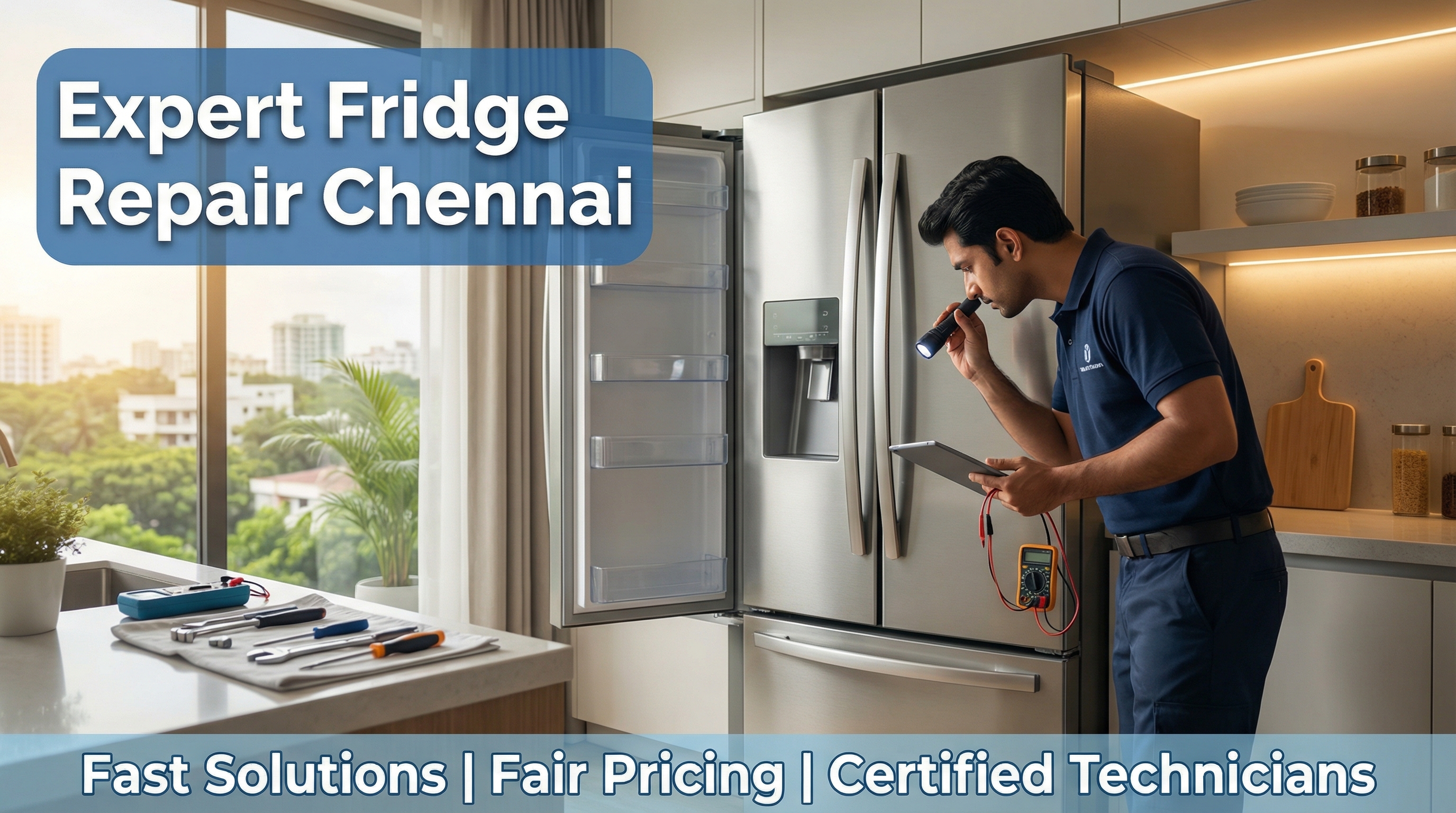
Every household in Chennai relies heavily on refrigeration systems to preserve food and maintain freshness in the city's tropical climate. When these essential appliances malfunction, it disrupts daily routines and can lead to food spoilage and inconvenience. Understanding how to address cooling system problems, recognizing warning signs, and knowing when to seek professional assistance can save both time and money while ensuring your appliance operates efficiently for years to come.
The subtropical weather conditions in Chennai make refrigeration units work harder than in many other regions, leading to increased wear and potential breakdowns. Temperature fluctuations, humidity levels, and power variations common in the city contribute to various mechanical and electronic issues. Homeowners often find themselves searching for reliable solutions when their cooling units stop functioning properly, whether it involves strange noises, inadequate cooling, water leakage, or complete system failure.
Professional maintenance services have become increasingly important as modern refrigeration units incorporate advanced technology and complex components. Unlike older models with simple mechanical systems, contemporary appliances feature digital controls, inverter compressors, and sophisticated cooling mechanisms that require specialized knowledge and tools for proper diagnosis and correction. Attempting repairs without adequate expertise can worsen problems and potentially void manufacturer warranties.
Selecting qualified technicians and understanding service pricing structures helps homeowners make informed decisions during appliance emergencies. The market offers various options ranging from authorized brand service centers to independent technicians, each with different pricing models, expertise levels, and service quality standards. Being knowledgeable about common problems, typical solutions, and fair pricing empowers consumers to avoid unnecessary expenses while ensuring their appliances receive appropriate care.
Understanding Common Cooling System Malfunctions
Temperature regulation problems rank among the most frequent complaints from appliance owners. When refrigeration units fail to maintain proper coldness, several underlying causes might be responsible. Thermostat malfunctions prevent accurate temperature sensing, causing the compressor to cycle incorrectly. Dirty condenser coils reduce heat dissipation efficiency, forcing the system to work harder without achieving desired temperatures. Damaged door seals allow warm air infiltration, making it impossible for the unit to maintain consistent internal temperatures regardless of compressor performance.
Unusual sounds during operation often indicate mechanical problems requiring attention. Clicking noises might suggest starter relay issues or compressor mounting problems. Buzzing sounds typically point toward electrical component failures or ice buildup around fans. Rattling noises often result from loose internal components or objects vibrating against the appliance exterior. Grinding sounds represent serious concerns, usually indicating bearing wear or motor problems that need immediate professional evaluation to prevent complete system failure.
Water accumulation inside or around the appliance signals drainage or defrost system problems. Blocked drain tubes prevent condensation from flowing properly, creating puddles inside food compartments. Defrost system malfunctions cause excessive ice formation that eventually melts and overflows drainage capacity. Cracked or disconnected drain pans allow water to leak onto floors. High humidity levels combined with frequent door opening can overwhelm normal drainage systems, particularly during monsoon season when moisture levels peak.
Electrical issues manifest through various symptoms including failure to start, intermittent operation, or complete power loss. Faulty control boards disrupt communication between components, preventing normal operation cycles. Damaged wiring creates connection problems that interrupt power flow to essential components. Compressor relay failures prevent the motor from starting despite adequate power supply. Circuit breaker trips indicate serious electrical problems requiring immediate investigation to prevent fire hazards or permanent component damage.
Factors Influencing Service Pricing
Appliance age significantly impacts maintenance expenses as older units require more extensive work and potentially obsolete replacement components. Vintage models manufactured over a decade ago often need custom fabrication for unavailable parts, increasing both material and labor costs. Modern appliances, while featuring more complex systems, benefit from standardized components and improved diagnostic capabilities that can reduce troubleshooting time. However, specialized electronic parts for contemporary models sometimes carry premium prices compared to mechanical components in older designs.
Problem complexity directly correlates with service charges as different malfunctions require varying expertise levels and time investments. Simple issues like thermostat replacement or door seal installation typically involve straightforward procedures with minimal labor hours. Compressor replacement or refrigerant recharging demands specialized equipment, technical certification, and considerable time, justifying higher service fees. Multiple simultaneous problems compound costs as technicians must address each issue separately while ensuring overall system integration.
Component availability affects both pricing and completion timeframes. Common parts stocked by service providers enable quick repairs at standard rates. Specialized components requiring ordering from manufacturers or distributors add procurement costs and delay completion. Import duties on foreign components, particularly for international brands, increase material expenses passed to customers. Generic aftermarket alternatives sometimes offer cost savings but may compromise performance or longevity compared to original equipment manufacturer specifications.
Service provider credentials and reputation influence pricing structures across the market. Authorized brand service centers charge premium rates reflecting manufacturer training, genuine parts access, and warranty compliance. Independent technicians often offer competitive pricing but vary considerably in expertise and parts quality. Emergency or weekend services typically incur surcharge fees compensating technicians for irregular hours. Travel distance from service centers to customer locations may add transportation charges, particularly for suburban areas outside standard service zones.
Diagnostic Approaches for Troubleshooting
Visual inspection provides initial clues about potential problems without requiring specialized tools. Checking door seals for cracks, tears, or looseness helps identify air leakage issues contributing to temperature problems. Examining condenser coils for dust accumulation reveals maintenance neglect affecting cooling efficiency. Looking for ice buildup in freezer compartments suggests defrost system malfunctions. Observing water pooling inside or beneath the unit points toward drainage issues needing correction.
Listening carefully to operational sounds helps narrow diagnostic possibilities before technical examination. Normal refrigeration cycles produce gentle humming from compressor operation and occasional clicking from thermostats. Excessive noise levels or unusual sound patterns indicate specific component problems. Recording sound characteristics helps technicians prepare appropriate tools and parts before arrival, potentially reducing service visit duration and associated costs.
Temperature monitoring using external thermometers verifies cooling performance objectively. Placing calibrated thermometers in multiple compartments reveals temperature distribution patterns indicating airflow or circulation problems. Comparing actual temperatures against manufacturer specifications determines whether perceived cooling inadequacy reflects actual malfunction or unrealistic expectations. Tracking temperature fluctuations over several hours identifies intermittent problems that might not be apparent during brief observations.
Testing electrical connections and power supply eliminates external factors before assuming appliance malfunction. Verifying outlet functionality with other devices confirms adequate power delivery. Checking circuit breakers and fuses prevents unnecessary service calls for simple electrical panel issues. Measuring voltage at the outlet ensures power supply meets appliance requirements, particularly important in areas experiencing voltage fluctuations common throughout Chennai during peak demand periods.
Preventive Maintenance Strategies
Regular cleaning schedules prevent many common problems while extending appliance lifespan. Condenser coils require cleaning every three to six months to maintain optimal heat transfer efficiency. Door seals benefit from periodic washing with mild detergent to remove food residue and maintain flexibility. Interior compartments need regular cleaning to prevent odor development and maintain hygienic food storage conditions. Drain tubes require occasional flushing to prevent blockages from mineral deposits or debris accumulation.
Proper loading practices optimize cooling performance and reduce component strain. Avoiding overcrowding allows adequate air circulation throughout compartments, ensuring even temperature distribution. Maintaining space between items prevents airflow obstruction that forces systems to work harder. Organizing contents strategically places frequently accessed items near the front, minimizing door opening duration and warm air infiltration. Proper food coverage prevents moisture release that increases system workload and promotes frost formation.
Temperature setting optimization balances food preservation requirements against energy consumption and component wear. Setting temperatures colder than necessary wastes electricity and increases mechanical stress without improving food safety. Understanding appropriate temperature ranges for different food types prevents both spoilage and unnecessary cooling. Adjusting settings seasonally accounts for ambient temperature variations, reducing system load during cooler months while ensuring adequate cooling during summer heat.
Professional servicing intervals maintain peak performance between major repairs. Annual inspections identify developing problems before they cause breakdowns, often allowing less expensive preventive repairs instead of emergency corrections. Refrigerant level verification ensures optimal cooling efficiency without compressor overwork. Electrical connection tightening prevents arcing and component damage from loose contacts. Calibration verification keeps thermostats accurate, preventing temperature control problems.
Selecting Qualified Service Providers
Certification verification ensures technicians possess necessary training and expertise for modern appliances. Recognized industry credentials demonstrate commitment to professional standards and ongoing education about evolving technologies. Manufacturer authorizations indicate specific brand training and access to technical documentation unavailable to general technicians. Environmental certifications for refrigerant handling show compliance with regulations protecting air quality and preventing harmful emissions during service procedures.
Experience assessment provides insight into capability levels for addressing various problem types. Years in business indicate established operations with proven track records. Customer reviews reveal service quality consistency, pricing transparency, and problem resolution effectiveness. Specialty focus on refrigeration systems versus general appliance repair suggests deeper expertise in specific technologies. Portfolio diversity spanning multiple brands demonstrates adaptability and broad knowledge applicable across different manufacturer designs.
Warranty offerings protect customers against substandard repairs or premature component failures. Service guarantees covering labor for specific periods show provider confidence in workmanship quality. Parts warranties ensure replacement component reliability and offer recourse if materials prove defective. Understanding warranty terms and exclusions prevents disputes about coverage scope. Comparing warranty lengths between providers helps identify those standing behind their work versus those offering minimal accountability.
Pricing transparency builds trust and prevents unexpected charges after service completion. Detailed written estimates specifying labor rates, parts costs, and additional fees enable informed decision making. Clear explanation of diagnostic charges and their application toward final bills demonstrates fair business practices. Upfront disclosure about potential complications and associated costs shows professional integrity. Itemized invoices allow verification that charged amounts match agreed estimates.
Industry Leaders in Refrigeration Solutions
The Chennai market features numerous established brands offering various service and product options. Doctor Fresh specializes in comprehensive appliance care with focus on customer convenience and quality workmanship. RO Care India brings water purification expertise that extends to complete home appliance maintenance. Mannubhai Service Expert delivers technical proficiency across multiple appliance categories with competitive pricing structures.
Kent maintains strong market presence through innovative product designs and extensive service networks. Aquaguard combines decades of water treatment experience with broader appliance support services. Aquafresh offers budget conscious solutions without compromising essential quality standards. Blue Star leverages commercial refrigeration expertise in residential market segments. LG provides advanced technology integration with responsive customer support infrastructure.
Each provider brings unique strengths to Chennai consumers seeking reliable appliance solutions. Brand diversity ensures options across different budget ranges, service preferences, and technical requirements. Established reputations reflect consistent performance meeting customer expectations over extended periods. Comparing offerings from multiple providers helps identify best matches for specific household needs and priorities.
Emergency Response Considerations
Rapid response capabilities minimize food spoilage and household disruption during appliance failures. Service providers offering same day appointments demonstrate adequate staffing and logistical organization. Emergency hotlines providing after hours support show commitment to customer convenience despite operational complexity. Geographic coverage maps reveal service area extent and typical response times for different neighborhoods across Chennai.
Temporary solutions bridge gaps between initial failure and permanent repair completion. Recommendations for alternative food storage options prevent losses during extended repair periods. Dry ice availability information helps preserve frozen goods if freezer repairs require multiple days. Guidance about manufacturer warranty claim procedures ensures customers maximize available coverage benefits. Communication about parts procurement timelines sets realistic expectations for repair completion.
Long Term Appliance Care Planning
Lifecycle management balances repair investments against replacement timing for optimal financial outcomes. Understanding typical appliance longevity helps evaluate whether extensive repairs make economic sense. Comparing repair costs to replacement prices with consideration for remaining expected service life guides rational decision making. Energy efficiency improvements in newer models sometimes justify replacement over repairing older units despite continued functionality.
Technology advancement awareness helps consumers recognize when outdated appliances limit household efficiency. Modern inverter compressors reduce electricity consumption significantly compared to traditional models. Smart connectivity features enable remote monitoring and automated service scheduling. Improved insulation technologies maintain temperatures with less energy input. Environmental benefits from reduced refrigerant quantities and improved disposal practices align with sustainability priorities.
Conclusion
Maintaining household refrigeration systems requires understanding common problems, recognizing quality service characteristics, and implementing preventive care strategies. Chennai residents benefit from numerous service options spanning authorized centers to independent technicians, each offering different advantages regarding pricing, expertise, and convenience. Informed consumers who research typical service costs, verify technician credentials, and compare warranty offerings position themselves to receive quality repairs at fair prices while avoiding unnecessary expenses.
Regular maintenance prevents many breakdowns while extending appliance lifespan considerably beyond neglected units. Simple practices including coil cleaning, seal inspection, and proper loading significantly reduce repair frequency and associated costs. Professional annual servicing identifies developing problems before they cause complete failures, often enabling less expensive preventive corrections instead of emergency repairs. Understanding when repair investments justify continued use versus replacement timing optimizes long term household budgets while maintaining food safety and daily convenience.
Successful appliance management combines self monitoring, preventive care, qualified professional assistance, and strategic decision making about repair versus replacement timing. Chennai homeowners equipped with knowledge about troubleshooting basics, fair pricing structures, and provider selection criteria navigate appliance challenges confidently. Whether addressing immediate breakdowns or planning long term maintenance strategies, informed approaches deliver better outcomes through reduced costs, improved reliability, and extended equipment service lives.
Q - What are the most common signs that indicate my refrigeration unit needs professional attention?
A - The most obvious indicators include inadequate cooling despite proper temperature settings, unusual noises like grinding or excessive buzzing, water pooling inside compartments or on the floor, and the appliance failing to start or running continuously without cycling off. Additionally, if you notice frost buildup in unusual areas, warm spots inside the unit, or if your electricity bills suddenly increase without explanation, these symptoms suggest underlying issues requiring professional diagnosis and correction before they escalate into complete system failure.
Q - How can I reduce the frequency of breakdowns and extend my appliance's lifespan?
A - Regular maintenance significantly reduces repair needs and extends operational life. Clean condenser coils every three to six months to maintain cooling efficiency, inspect door seals periodically for damage, and ensure proper airflow by avoiding overcrowding. Set appropriate temperature levels rather than excessively cold settings, organize contents to minimize door opening time, and schedule annual professional inspections to identify developing problems early. These simple practices prevent most common malfunctions while reducing energy consumption and mechanical stress on components.
Q - What factors should I consider when choosing between repairing an older unit versus purchasing a replacement?
A - Compare the repair cost to the appliance's current value—if repairs exceed 50% of replacement cost and the unit is over 10 years old, replacement often makes better financial sense. Consider energy efficiency improvements in modern models that reduce monthly operating costs, potentially offsetting purchase prices over time. Evaluate the likelihood of additional repairs in the near future based on the unit's age and condition. Also factor in warranty coverage for new appliances versus continued out-of-pocket expenses for aging equipment, along with environmental benefits of newer refrigerant technologies.
Q - How can I verify that a service provider is qualified and trustworthy before hiring them?
A - Check for industry certifications and manufacturer authorizations that demonstrate proper training for modern appliances. Read customer reviews focusing on service quality consistency, pricing transparency, and problem resolution effectiveness rather than just star ratings. Request detailed written estimates before work begins, specifying labor rates, parts costs, and any additional fees. Verify warranty offerings on both labor and parts, as reputable providers stand behind their work with substantial guarantees. Ask about experience with your specific appliance brand and model to ensure familiarity with its particular systems and common issues.
Call-to-Action
Understanding your refrigerator's maintenance needs helps you make smart decisions about care and repairs. For detailed guides on appliance troubleshooting, energy-saving tips, and seasonal maintenance checklists suited to Chennai's climate, explore our comprehensive resource library to keep your cooling systems running efficiently year-round.