

Prevent AC Breakdowns with Routine Professional Care
Introduction
An air conditioner that works well fades into the background of daily life - it lowers the temperature, holds humidity steady and keeps rooms pleasant for work, rest plus family life. Because it usually performs without trouble, many owners forget the unit exists until it malfunctions. Only when the indoor air feels like a furnace or the machine begins to clatter, does the AC draw notice.
This habit of waiting until failure strikes is a primary reason households face large repair bills and endure sweltering days while the system sits idle. Modern cooling equipment is designed for efficiency - yet it depends on steady airflow, clean parts, exact refrigerant charge but also precise controls. If any one of those factors is overlooked, the whole assembly must labour beyond its intended load nudging minor faults toward total breakdown.
Scheduled maintenance forms the link between quiet operation and the sudden, unwanted call for emergency repair crews. Periodic checks cleaning as well as small corrections reveal faults at an early stage, when the cure is normally cheap and quick. Rather than confront a dead unit in the height of summer, you keep dependable cooling or a reliable forecast of how many more seasons the equipment will serve.
For a property owner grasping the value of basic upkeep is as essential as replacing engine oil or examining the roof before heavy rain or snow. The goal reaches beyond escaping the hassle of an urgent service visit - it safeguards a costly asset, restrains monthly power costs and stretches the lifespan of machinery that is expensive to swap out.
Why AC Systems Fail Prematurely
Each time the unit cycles it meets dust, swings in temperature, moisture also electrical load. Gradually dust and debris coat the coils next to filters, choke airflow and force the machine to work longer to deliver the same cooling. That added effort raises the running temperature of motors, wiring and the compressor, speeds wear plus multiplies the risk of burnout.
Another common reason for early failure is an incorrect amount of refrigerant. Tiny leaks or an undercharge or overcharge during a previous service visit leave the system short of refrigerant. When the charge is low, the compressor runs longer to keep the space cool, which overheats the pump and ends in failure. Low refrigerant also allows ice to form on the coils - the ice blocks airflow plus adds more strain to every part.
Electrical faults act as a quiet enemy. A loose wire a corroded terminal or a capacitor that has lost capacity will not stop the air conditioner at once - yet they create brief power surges and erratic current inside the cabinet. The results are breakers that trip often, starts that sound wrong or sudden shut downs. If no one corrects those faults, they burn out motors or control boards that cost far more to replace than to service.
Neglected drainage but also humidity control hurt more than the air conditioner. A condensate drain that clogs lets water spill, stain ceilings and grow mold around the indoor unit. Extra moisture attacks metal parts, ruins insulation as well as lowers indoor air quality. Those problems appear slowly - routine care stops them before they start.
How Regular Maintenance Reduces Repair Costs
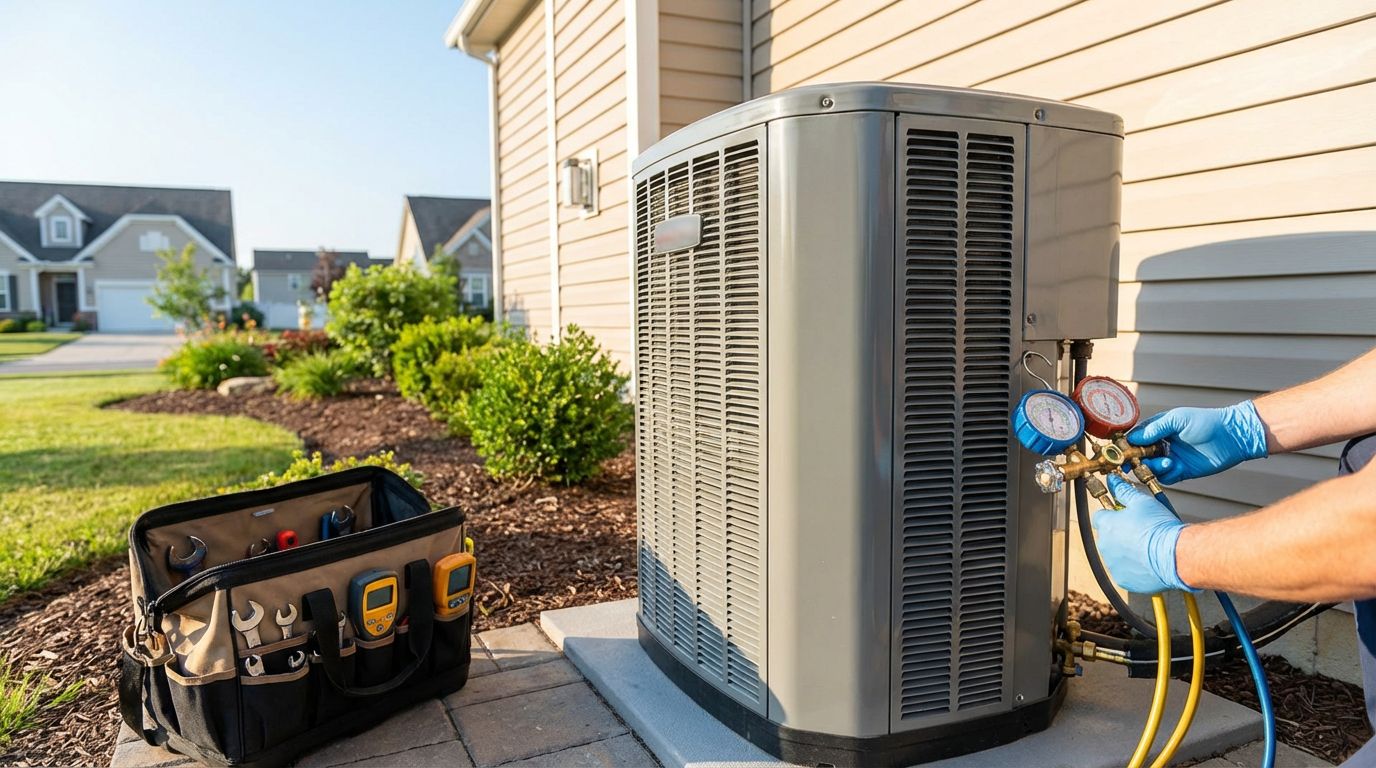
Scheduled visits from residential AC repair technicians work like health checks for the cooling system. The technician cleans coils and filters, examines wiring, reads refrigerant pressure, tests the thermostat or verifies that fans and blowers perform as intended. Each step is minor - yet together they keep the unit safe and efficient.
Clean filters also coils return normal airflow, which heat exchange needs. When the system no longer forces air through dust and debris, it runs cooler next to shuts off sooner. The compressor and fan motor share less work - power use plus mechanical stress both fall. In daily use that means fewer hot parts and fewer surprise breakdowns.
Regular inspection also converts hidden faults into minor repairs. A technician may find a wire whose insulation is frayed, a capacitor that bulges or a contactor that no longer seats firmly, all before total failure. Swapping those parts during a planned call costs far less than emergency diagnosis plus overnight freight for a new board. Early detection of small refrigerant leaks brings the same savings, because it prevents compressor death, one of the costliest repairs in cooling.
Energy efficiency is another financial advantage of maintenance. An AC that is tuned and clean operates closer to its original rating, sometimes saving a noticeable percentage on monthly electricity bills. Over a season or two, those savings offset a significant portion of the cost of professional maintenance, all while reducing the likelihood of large repair bills.
The Role of Scheduled Inspections in Avoiding Emergencies
Many homeowners discover the value of 24/7 AC repair service only after a summer night without cooling. While round-the-clock help is essential in a true crisis, the goal of maintenance is to lower the chances of needing it in the first place. Scheduled inspections in spring and sometimes again in mid season for heavy use climates, are the backbone of a prevention first approach.
During those visits, technicians evaluate the overall health of the system plus estimate remaining useful life. This foresight allows homeowners to plan for eventual replacement, instead of being forced into rushed decisions when a unit fails unexpectedly in harsh weather. With a clear timeline, you compare models, budget properly and avoid being limited to whatever equipment is available at short notice.
Scheduled care also tends to reveal installation issues that might not be obvious during normal operation. Undersized ductwork, poor insulation around refrigerant lines or improperly sloped drain pans all contribute to frequent service calls. Correcting those underlying issues during maintenance often reduces the frequency and severity of future problems.
For homes with multiple units or complex zoning, planned inspections ensure that all parts of the system are balanced. Uneven cooling short cycling but also pressure imbalances strain certain components more than others. Addressing those during routine visits helps distribute workload evenly and minimizes the risk of concentrated failure in one area of the home.
Types of Maintenance - What Homeowners Can Do vs. Professionals
Not all AC care has to be handled by a technician. There are simple tasks most homeowners safely perform that make a meaningful difference. Regularly cleaning or replacing air filters is one of the most important. Keeping outdoor units clear of leaves, weeds and obstructions helps maintain airflow. Ensuring vents inside the home are not blocked by furniture or curtains supports balanced cooling.
Jobs that go beyond the surface should stay in the hands of trained technicians. Taking the cabinet apart to wash the evaporator or condenser coil verifying how much refrigerant is in the lines checking that the capacitor still holds a charge and securing every electrical terminal all demand special tools, safety training, and, in some cases, a licence. Doing any of those without the right background risks ruining the unit or exposing yourself to electric shock or refrigerant burns.
A middle course suits most homes - the owner replaces the filter plus keeps the area around the machine clean, while a technician comes once a year or once a season to open the cabinet, take readings and make fine adjustments. Households that type “affordable AC repair near me” into a search bar often find firms that sell yearly plans - the fee is split into monthly payments but also includes a price cut if a repair is ever required.
Neutral Brand Mention - Service Providers and AC Brands
When the time arrives for service or repair, owners meet a long list of firms and brand names. Doctor Fresh, RO Care India besides Mannubhai Service Expert are three examples of companies that send staff to homes for appliance work - they may cover multiple brands, sell annual service contracts or take one off calls.
On the hardware side, air cooling products come from many sources. Aquaguard, Aquafresh, Pureit, Blue Star or LG appear in shops that sell water or air appliances. In most cities technicians train on more than one brand as well as carry parts so they can clean, test or swap components as needed.
The choice among firms and brands rests on who is nearby, what the warranty demands, what neighbours say or what the price is. Whichever pair you pick, the rules stay identical - keep parts clean, set controls right and inspect on a schedule so small faults do not grow into major failures.
Conclusion
Regular care turns cooling from an emergency cost into a planned item in the household budget. By stopping dirt before it cakes the coil spotting low refrigerant or loose wires early also keeping the drain clear and the airflow straight, routine service slashes the chance of a sudden, expensive outage. It also trims power bills, raises comfort next to adds years to an expensive machine.
Know which jobs you may do yourself and which belong to a trained worker - this line protects both safety plus results. When owners and technicians each do their part, the system runs on a steady, predictable path but also is far less likely to quit on the hottest day of the year.
Over time a habit of prevention yields fewer emergency calls, smaller repair invoices and extra years of steady service from the equipment you already own. Rather than fearing the next hot spell, you trust that your cooling system has been readied to meet it.
To learn how steady tune ups avert sudden failures plus stretch the life of the unit, read more about maintenance timetables, homeowner checklists and the steps a technician follows. The information equips you to act early but also to protect the cooling side of your home.
Related Articles
- Ideal TDS Levels in Drinking Water for Health
- Picking the Right RO Purifier for Any Family Size
- Guide to Selecting the Best Portable RO Purifier
- Inside a Routine Home Air Conditioner Service Visit
- Split vs window AC maintenance cost comparison guide
FAQ
Q: How does routine care stop costly repairs?
A - Service keeps parts clean, correctly set and inside safe limits. A technician spots small faults - loose wiring, slight leaks, blocked airflow - before they turn into large ones. Early correction costs far less than an after hours repair once the unit fails.
Q: How frequently should a technician inspect the system?
A - Many homes need one professional visit each year, ideally in spring before heavy use. In regions with long hot or humid seasons, a second mid season visit pays off. This schedule fixes trouble before peak demand, the time when a breakdown is most inconvenient as well as most expensive.
Q: Which tasks are safe for me to perform?
A - Replace or wash the air filter as needed, keep leaves and grass away from the outdoor coil or verify that indoor vents stay open and clear. Those actions preserve airflow also lighten the load on the compressor. Work that requires opening panels touching wiring or handling refrigerant belongs to a licensed technician.
Q: How does upkeep cut my power bill?
A - Clean coils, filters and fan blades let air pass freely next to let heat move as designed. When refrigerant charge and controls are correct, the unit reaches set temperature quickly plus shuts off sooner. Lower run time translates into lower kilowatt use and the savings can cover part of the service fee.
Q: Does maintenance lengthen the life of the equipment?
A - Yes. By limiting heat buildup, mechanical strain but also moisture damage, service slows the wear that shortens life. Inspections also uncover duct or installation faults - once corrected, no single part is forced to overwork - the full system lasts longer.