

Understanding and Resolving Temperature Problems in Double Door Cooling Appliances
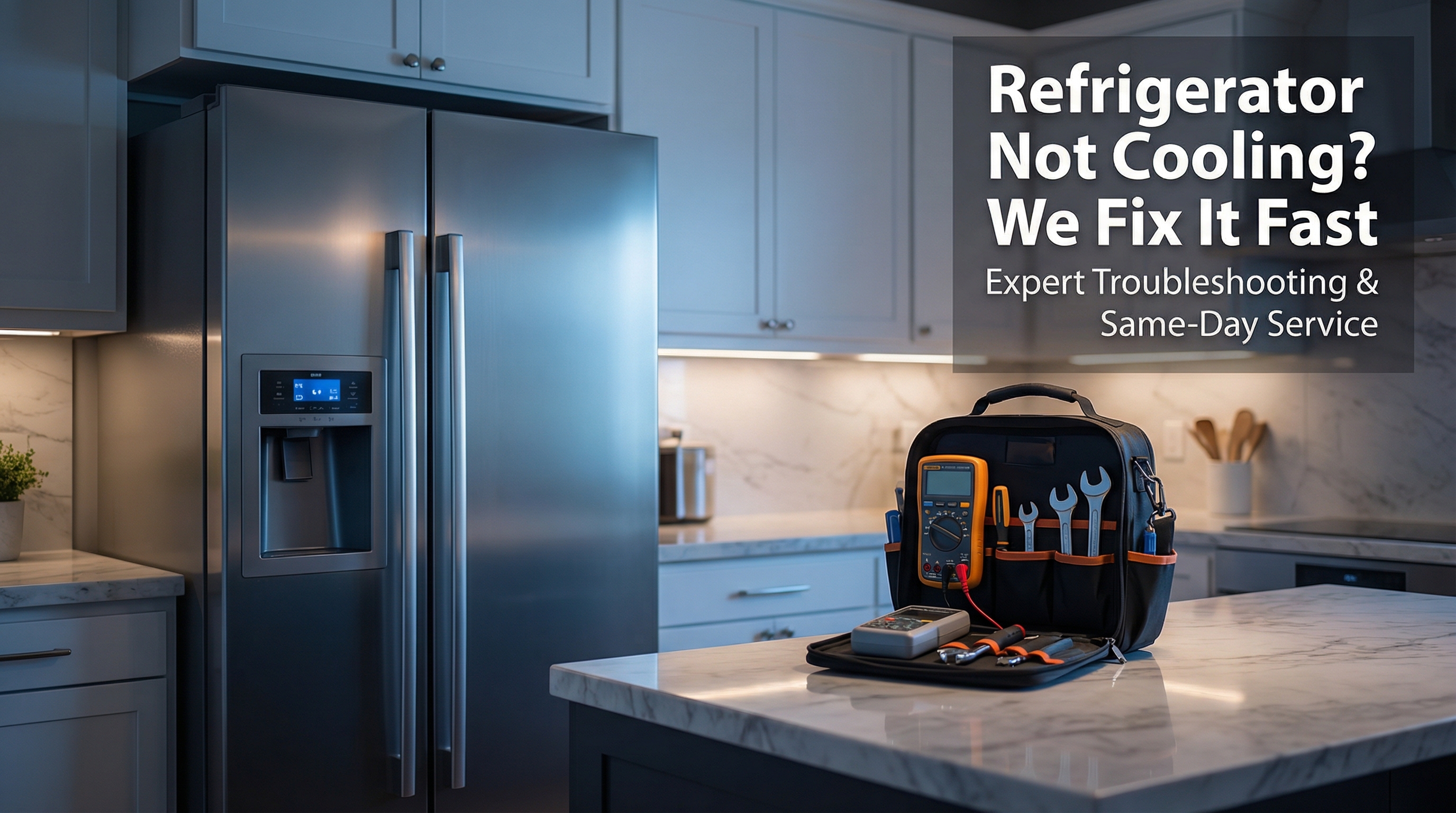
Modern households increasingly depend on advanced refrigeration technology to preserve food quality and maintain freshness.
When these essential appliances experience temperature regulation difficulties, it creates immediate concerns about food safety and financial implications. The complexity of contemporary refrigeration systems means that identifying the root cause of cooling failures requires systematic investigation rather than guesswork.
Understanding how refrigeration components work together helps homeowners recognize warning signs before complete system failure occurs. Temperature fluctuations often develop gradually, beginning with slightly warmer conditions that progressively worsen. Early detection of these symptoms allows for timely intervention that may prevent costly repairs or complete appliance replacement.
Many homeowners feel helpless when facing refrigeration malfunctions, uncertain whether the problem requires professional attention or represents a simple fix they can handle independently. This uncertainty often leads to delayed action, potentially causing food spoilage and increased repair expenses. Knowing which troubleshooting steps to attempt before calling technicians empowers consumers to make informed decisions about their appliance maintenance.
The relationship between proper maintenance and appliance longevity cannot be overstated. Regular attention to specific components and operating conditions significantly extends equipment lifespan while reducing the frequency of service calls. Through comprehensive understanding of common failure points and their solutions, appliance owners can maintain optimal performance throughout the expected service life of their refrigeration equipment.
Common Causes Behind Refrigeration Failures
Temperature regulation problems in double door refrigerators stem from various mechanical, electrical, and environmental factors. The evaporator coils, responsible for heat extraction from the interior compartment, can accumulate excessive frost buildup that insulates them from the surrounding air. This frost barrier prevents efficient heat transfer, gradually reducing cooling capacity until temperatures rise to unsafe levels. Defrost system malfunctions represent the primary cause of this frost accumulation, occurring when heating elements fail to activate during scheduled cycles.
Condenser coils located at the rear or beneath the appliance require adequate airflow to dissipate heat absorbed from the interior. Dust, pet hair, and debris accumulation on these coils creates an insulating layer that reduces heat dissipation efficiency. This condition forces the compressor to operate continuously without achieving desired temperatures, leading to increased energy consumption and premature component failure. Regular cleaning of condenser coils ranks among the most effective preventive maintenance tasks homeowners can perform.
Door seal integrity directly affects cooling efficiency and energy consumption. Damaged or worn gaskets allow warm ambient air to infiltrate the refrigerated space continuously, forcing the cooling system to work harder to maintain set temperatures. Even minor tears, compression set, or loose sections compromise seal effectiveness. Testing door seals involves closing the door on a dollar bill and attempting to pull it out; excessive resistance indicates proper sealing, while easy removal suggests replacement necessity.
The evaporator fan circulates cold air throughout both fresh food and freezer compartments. When this fan malfunctions or becomes obstructed, air circulation ceases, creating temperature variations between sections. Frost buildup, packaging materials, or mechanical failure can prevent proper fan operation. Listening for fan operation when opening doors helps diagnose this component, as functional units produce noticeable airflow sounds.
Thermistor sensors monitor internal temperatures and signal the control board to activate or deactivate cooling cycles. Faulty sensors provide incorrect temperature readings, causing the system to operate inappropriately. The control board may shut down cooling prematurely or fail to initiate cycles when needed. Electronic control boards themselves occasionally develop circuit failures that disrupt normal operation despite all mechanical components functioning properly.
Systematic Diagnostic Approaches
Beginning diagnostic procedures with the simplest potential causes saves time and prevents unnecessary component replacement. Verifying adequate power supply to the appliance represents the logical first step. Checking the electrical outlet with another device confirms power availability, while examining the circuit breaker ensures no tripped conditions exist. Many overlooked cooling problems stem from interrupted power rather than mechanical failures.
Temperature control settings occasionally get adjusted accidentally, particularly in households with children. Verifying that temperature dials or digital controls remain set to recommended positions eliminates this simple explanation. Most manufacturers recommend fresh food compartment settings between 37 and 40 degrees Fahrenheit, with freezer sections at zero degrees Fahrenheit for optimal food preservation.
Examining door closure and seal condition requires visual inspection and tactile assessment. Running fingers along gasket surfaces reveals tears, hardening, or loose sections. Opening doors should meet noticeable resistance, and closed doors should not reveal light gaps when viewed in darkness. Cleaning door seals with mild soap solution removes debris that prevents proper sealing, often resolving minor infiltration issues without gasket replacement.
Condenser coil inspection requires accessing the rear or bottom panel depending on appliance design. Visual examination reveals dust and debris accumulation levels. Using a vacuum cleaner with brush attachment or specialized coil cleaning brushes removes accumulated material. This maintenance task should occur quarterly in typical household environments, more frequently in homes with pets or dusty conditions.
Internal frost buildup assessment requires removing food items and examining freezer compartment walls. Excessive frost indicates defrost system malfunction or door seal problems allowing moisture infiltration. Normal operation produces thin, uniform frost coverage that disappears during automatic defrost cycles. Thick, irregular frost accumulation particularly around evaporator areas signals component failure requiring professional attention.
Environmental and Operational Factors
Ambient temperature surrounding the appliance significantly impacts cooling efficiency. Refrigerators installed in extremely hot locations such as unventilated garages or near heat sources struggle to maintain proper temperatures. Manufacturers specify acceptable ambient temperature ranges for operation, typically between 55 and 110 degrees Fahrenheit. Operating outside these parameters reduces cooling capacity and increases compressor strain.
Adequate ventilation space around the appliance ensures proper heat dissipation. Manufacturers specify minimum clearance requirements for sides, top, and rear surfaces. Insufficient spacing traps heat around condenser coils, reducing cooling efficiency. Built-in installations require proper ventilation design to prevent heat accumulation in enclosed spaces.
Overloading fresh food or freezer compartments restricts air circulation necessary for even cooling. Blocked vents prevent cold air from reaching all sections, creating warm spots where food spoilage occurs. Organizing contents to maintain clear airflow paths around vents improves temperature consistency throughout compartments.
Frequent or prolonged door openings introduce warm, humid air that the cooling system must remove. This behavior particularly affects performance during hot weather or when stocking large quantities of room-temperature items. Allowing hot foods to cool to room temperature before refrigeration reduces thermal load and prevents condensation problems.
Professional Service Considerations
Certain refrigeration problems require specialized tools, diagnostic equipment, and technical knowledge beyond typical homeowner capabilities. Refrigerant leaks, compressor failures, and sealed system repairs necessitate certified technician involvement due to environmental regulations and technical complexity. Attempting these repairs without proper training risks personal injury, environmental damage, and appliance destruction.
When seeking professional assistance, consumers should verify technician certification and company reputation through reviews and references. Established service providers maintain parts inventories for common brands, reducing repair time and inconvenience. Requesting detailed diagnosis explanations and written estimates before authorizing work protects consumers from unexpected charges.
Understanding typical costs for common repairs helps homeowners make informed decisions about repair versus replacement. Simple component replacements like door seals, thermistors, or fans generally cost between minimal and moderate amounts depending on parts and labor. Compressor or sealed system repairs represent significant investments that may approach or exceed replacement appliance costs, particularly for older units.
Warranty coverage significantly impacts repair decisions and costs. Many manufacturers provide extended coverage for sealed systems including compressors beyond standard warranty periods. Reviewing warranty documentation before authorizing repairs prevents unnecessary out-of-pocket expenses for covered components. Extended warranty or home protection plans may cover service expenses, though understanding coverage limitations and deductibles remains important.
Recognized Service Providers and Maintenance Support
Several established companies provide specialized refrigeration maintenance and repair services across residential markets. Doctor Fresh offers comprehensive appliance care focusing on preventive maintenance and rapid response to cooling emergencies. Their technicians receive ongoing training on evolving refrigeration technology and diagnostic techniques.
RO Care India extends beyond water purification services to encompass complete kitchen appliance support including refrigeration systems. Their integrated approach addresses multiple appliance needs through single service relationships. Mannubhai Service Expert builds reputation through experienced technical staff and commitment to customer education about proper appliance operation and maintenance.
Manufacturer-specific service networks provide brand expertise and genuine component availability. Kent, Aquaguard, and Aquafresh maintain authorized service centers staffed with factory-trained technicians. Pureit, Blue Star, and LG operate similar networks ensuring brand-specific knowledge and parts accessibility. These manufacturer-affiliated services offer advantages for warranty repairs and access to technical support resources.
Independent service providers often offer competitive pricing and flexible scheduling compared to manufacturer networks. Evaluating independent technicians requires verifying certification, insurance coverage, and parts source quality. Established independent companies develop expertise across multiple brands, providing valuable cross-platform knowledge.
Preventive Maintenance Protocols
Implementing regular maintenance schedules dramatically reduces unexpected cooling failures and extends appliance lifespan. Monthly exterior cleaning including door seals and handles prevents debris accumulation and maintains aesthetic appearance. Quarterly condenser coil cleaning ensures optimal heat dissipation efficiency regardless of visible dirt levels.
Biannual interior cleaning involves removing all contents, shelves, and drawers for thorough sanitization. This process allows inspection of interior components, drainage systems, and potential frost accumulation issues. Cleaning drain tubes prevents clogs that cause water accumulation and potential mold growth.
Annual professional inspections identify developing problems before complete failure occurs. Technicians measure operating temperatures, test component functionality, and assess overall system performance. These preventive visits often reveal minor issues correctable through simple adjustments or inexpensive part replacements, avoiding emergency service calls.
Monitoring energy consumption patterns through utility bills reveals developing efficiency problems. Gradual increases in electricity usage without corresponding lifestyle changes suggest appliance performance degradation. Addressing these efficiency declines through maintenance or repairs prevents continued energy waste and reduces environmental impact.
Emergency Response Strategies
When cooling failure occurs, immediate action protects food investment and appliance components. Transferring perishable items to coolers with ice or alternative refrigeration maintains food safety during repair periods. Frozen items wrapped in blankets or newspaper retain cold temperatures for extended periods, buying time for service scheduling.
Avoiding repeated door openings during cooling failures prevents further temperature increases and reduces compressor strain. Keeping doors closed maintains whatever cooling capacity remains until repairs restore normal operation. Understanding food safety guidelines for various perishable items helps determine disposal necessity versus continued usability after temperature exposure.
Documenting symptoms including specific temperature readings, unusual sounds, and timeline of problem development assists technicians in accurate diagnosis. Photographs of frost patterns, error codes, or visible damage provide valuable diagnostic information. This preparation expedites repair processes and may reduce service call duration and associated costs.
Conclusion
Cooling failures in modern refrigeration appliances create immediate concern but often stem from identifiable and correctable causes. Systematic troubleshooting beginning with simple checks and progressing to complex diagnostics allows homeowners to resolve many issues independently while recognizing situations requiring professional intervention. Understanding the relationship between environmental factors, operational practices, and mechanical components empowers consumers to maintain optimal appliance performance.
Preventive maintenance represents the most cost-effective approach to refrigeration reliability, preventing unexpected failures through regular attention to critical components. Establishing relationships with qualified service providers before emergencies occur ensures rapid response when professional assistance becomes necessary. Whether addressing minor temperature fluctuations or complete cooling failure, informed decision-making about repair options protects both food investments and appliance longevity.
The balance between DIY troubleshooting and professional service depends on individual comfort with appliance systems, available tools, and problem complexity. Simple maintenance tasks like coil cleaning and seal inspection fall within most homeowner capabilities, while refrigerant system work requires certified technician expertise. Recognizing this distinction prevents unsafe repair attempts while maximizing cost savings through appropriate self-service when possible.
FAQ
Q - Why is my refrigerator running constantly but not cooling properly?
A - Continuous operation without adequate cooling typically indicates condenser coil blockage from dust and debris accumulation, preventing proper heat dissipation. This forces the compressor to run nonstop while struggling to maintain temperature. Additionally, damaged door seals allowing warm air infiltration or evaporator fan failures disrupting air circulation can cause this symptom. Regular coil cleaning and seal inspection usually resolve these issues without professional intervention.
Q - How can I tell if frost buildup is normal or indicates a defrost system problem?
A - Normal frost appears as a thin, uniform layer that disappears during automatic defrost cycles. Excessive frost manifests as thick, irregular ice accumulation particularly around evaporator areas, indicating defrost system malfunction. This occurs when heating elements fail to activate during scheduled cycles, causing progressive ice buildup that insulates coils and reduces cooling capacity. If frost exceeds a quarter-inch thickness or covers vents, the defrost system likely requires professional attention.
Q - What simple checks should I perform before calling a repair technician?
A - Begin by verifying power supply through the electrical outlet and circuit breaker to eliminate simple power interruptions. Check temperature control settings haven't been accidentally adjusted, ensuring they're set to manufacturer recommendations. Inspect door seals for damage or debris preventing proper closure, and examine condenser coils for dust accumulation requiring cleaning. These basic troubleshooting steps resolve many cooling issues without service calls, saving diagnostic fees and potential unnecessary repairs.
Q - How does ambient temperature affect refrigerator performance?
A - Refrigerators operate efficiently within specified ambient temperature ranges, typically 55 to 110 degrees Fahrenheit. Extreme heat in locations like unventilated garages or near heat sources forces the cooling system to work harder, often exceeding its capacity to maintain safe food storage temperatures. High ambient temperatures increase compressor strain, energy consumption, and potential component failure. Ensuring adequate ventilation space and avoiding heat source proximity optimizes performance regardless of surrounding conditions.
Call-to-Action
Understanding your refrigerator's cooling system empowers you to maintain optimal performance and recognize when professional help is needed. Learn more about preventive maintenance schedules and advanced diagnostic techniques that can extend your appliance's lifespan while protecting your food investment and household budget.