







Mustard Oil, Ghee and Hot Summers: What Bhind Kitchens Ask of a Chimney
Cooking in Bhind is robust. Mustard oil is the everyday fat in many homes, and it smokes heavily when heated for a tadka. Ghee goes into puris, parathas, halwa and laddoos. Mornings bring kachori and bedai from home kitchens as well as sweet shops, and winter evenings are for pakodas, gajak, til laddoos and bajra rotis on the tawa. Pickles are made in bulk in season, and that means long frying of masalas in oil. Add the region's long, intense summer, when kitchens in brick houses trap heat, and a humid monsoon that turns grease sticky, and a kitchen chimney in Bhind works far harder than its brochure assumes.
This page explains how a chimney actually works, part by part, what fails in each part under local conditions, what diagnostics we run, and how AC Care India handles kitchen chimney repair in Bhind, along with installation, relocation and maintenance plans.
How a Kitchen Chimney Works, From Hood to Outlet
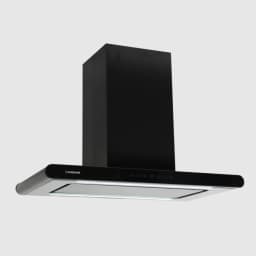
A chimney is basically a hood, a filter, a motor-driven blower and a duct. The blower pulls smoke and oil-laden air up through the filter, which traps grease, and pushes the rest out through the duct. Every one of those parts faces wear, and in Bhind the wear is faster.
The hood and oil collector
The hood channels rising smoke towards the filter. Grease that condenses inside it should flow into an oil collector cup or tray. When the cup fills and is not emptied, oil drips back onto the hob, and a full cup also becomes a fire hazard if a flame flares up. In mustard-oil kitchens, the residue is dark and thick and needs frequent cleaning.
Baffle and mesh filters
Baffle filters use curved steel plates that force air to change direction so heavy oil droplets separate out. Mesh filters use layers of aluminium mesh. Both choke with grease. In Bhind's dusty dry season, fine dust that drifts in through windows sticks to that grease and forms a hard, felt-like coating that cuts suction sharply.
Filterless and auto-clean designs
Filterless chimneys use a centrifugal design to throw oil out of the air stream into a collector. Many models also have an auto-clean function, which uses a heating element to warm the blower chamber so grease melts and drains away. The heater, its thermostat and the auto-clean timer on the control board can all fail, and auto-clean never fully replaces a manual deep clean.
Motor, capacitor and blower wheel
The motor and blower create suction. A run capacitor helps the motor start and maintain speed. Grease on the blower wheel unbalances it, causing vibration and noise, and in time the motor bearings wear and the motor runs hot. In the peak of a Bhind summer, when kitchens can sit near 40°C, a motor that is already struggling overheats faster.
Control panel and lights
Push-button, touch and gesture-control panels sit right above the cooking zone. Heat, steam and grease affect them over time. Voltage spikes and storm-season surges damage control boards and LED drivers.
The duct
The duct carries air outside. In Bhind, most homes are independent houses, so ducts often go straight out through an exterior wall, which is ideal. Problems appear when the duct is too long, has sharp bends, is too narrow, or ends without a cowl or flap so that rain, dust and birds get in.
What Bhind's Weather Does to Each Part
Summer runs from March to June and peaks in May, with averages around 42°C and heatwaves higher. In this heat, motors and boards run hotter, and grease bakes onto surfaces. The dry air, with humidity sometimes below 26 percent, brings dust into the kitchen, which mixes with grease.
The monsoon from late June to September pushes humidity above 80 percent at its peak. Grease absorbs moisture and becomes gummy, ducts collect condensation, and mould can grow on grease deposits. Lightning and storms bring surges that damage control panels and capacitors.
Winter is cold, with January nights near 7°C. Kitchens are often kept shut, and cooking is heavier, with more frying. Cold air makes grease solidify faster in the duct, especially near an exterior wall.
Diagnostics We Run on Every Chimney
- Check the socket voltage, earth and the plug or isolator condition.
- Run the chimney on each speed and measure suction at the filter face.
- Measure the motor's current draw to see if it is overloaded.
- Test the run capacitor's value with a meter.
- Remove filters and inspect the blower wheel and housing for grease build-up and imbalance.
- Check motor bearings for noise and play.
- On auto-clean models, test the heater element, thermostat and auto-clean function.
- Test the control panel, touch or gesture sensors and the lights.
- Inspect the duct along its length for bends, sags, gaps and blockages, and check the outlet.
- Check the oil collector for cracks and correct fitment.
Parts, Their Typical Life and Warning Signs
| Part | Typical Life with Regular Care | Warning Sign |
|---|---|---|
| Baffle filter | Many years if cleaned every two to three weeks | Visible thick coating, smoke spreading around the hood |
| Mesh filter | Two to three years in heavy-frying kitchens | Torn or flattened mesh, permanent grease plug |
| Motor | Six to ten years | Overheating smell, loud hum, slow start |
| Capacitor | Three to six years | Motor hums but does not spin, weak suction |
| Auto-clean heater | Four to seven years | Auto-clean light on but no warming |
| Control panel | Varies with surges and heat | Buttons unresponsive, random beeping |
| LED lights | Several years | Flickering or dead lights |
| Duct | Long, if correctly installed | Rattling, drips at joints, rain backflow |
Installation, Shifting and Maintenance Plans
We install new wall-mounted, island and built-in chimneys. That includes choosing a hood height that suits your hob, usually between 65 and 75 cm, drilling for the duct with as few bends as possible, fitting a cowl or non-return flap outside, sealing the wall opening and confirming the electrical point is properly earthed. If your home is being renovated or you are shifting house within Bhind, we dismount the chimney safely, clean it, and refit it at the new location.
For families who cook heavily, an annual maintenance plan with two deep cleans a year, one before summer and one after the monsoon, keeps suction strong and prevents motor damage. Small eateries, sweet shops and tiffin services can also arrange more frequent visits.
How Often a Bhind Kitchen Needs Cleaning
There is no single schedule, because a family that makes a light dal and roti twice a day is not the same as a household that fries puris every morning and makes mathri in bulk before Diwali. As a working guide for this region's cooking:
- Light cooking, small family: wash baffle filters once a month, empty the oil cup every two to three weeks.
- Daily tadka in mustard oil, regular frying: filters every two weeks, oil cup weekly.
- Joint family or festival season: filters weekly, oil cup every few days, and a professional deep clean after the peak.
- Pickle-making season: plan a filter soak right after, since long masala frying leaves a stubborn, pungent film.
To clean baffle filters at home, soak them for an hour in hot water with washing soda or a kitchen degreaser, scrub with a soft brush, rinse and let them dry fully before refitting. Never put mesh filters through harsh scrubbing, which tears them. Do not spray water or cleaner directly onto the control panel or motor area.
A word on fire safety
A grease-soaked filter right above a high flame is a genuine fire risk, particularly during deep frying. If a pan catches fire, switch off the gas and the chimney, cover the pan with a lid, and never throw water on burning oil. A clean filter and an emptied oil cup are the best protection.
Chimney Brands We Service
We repair and service chimneys from Faber, Elica, Glen, Hindware, Kaff, Sunflame, Bosch, Prestige and Inalsa, including baffle, mesh, filterless and auto-clean models.
AC Care India is an independent multi-brand appliance repair company and not the authorised service centre of any chimney manufacturer. Brand names appear only to describe the products we work on. If your chimney is still under the maker's warranty, please contact them first.
Neighbourhoods We Cover
We visit Lahar Road, Usha Nagar Colony, Housing Colony, Chandupura, Etawah Road, Gwalior Road, Attair Road, Gopalpura, Sadar Bazar, Station Road, Bypass Road, Kutchery area, Mandi area, Bus Stand area and the streets near Vankhandeshwar Temple, and accept bookings from Malanpur, Gohad, Mehgaon and Mihona.
Book Chimney Repair in Bhind
With AC Care India you get verified technicians, an estimate before any work, warranty on the repair and new parts, genuine or clearly labelled compatible spares, same-day or next-day visits in most localities, and honest advice on whether an old chimney is worth fixing. Call 9266608882 or book online through this page.
