






Why Does My Kitchen in Imphal Still Smell of Ngari When the Chimney Is Running?
Roasting ngari for eromba, frying bora, smoking fish over the flame or tempering a curry with mustard oil all produce a strong, clinging smell. A chimney in good order should carry most of that out of the house. When the smell lingers in the curtains for hours, or the smoke curls past the hood and drifts into the dining area, something in the chain has stopped working: the filters, the blower, the motor, the duct or the outlet.
The way to find out which is to understand the chimney part by part. This page opens one up, explains how Imphal's humid climate, cooking and housing affect each component, and describes the diagnostics and services involved in kitchen chimney repair in Imphal.
Inside a Kitchen Chimney, Component by Component
The hood and canopy
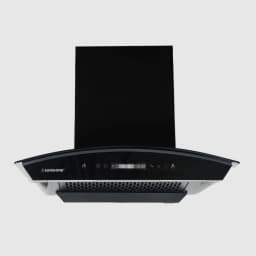
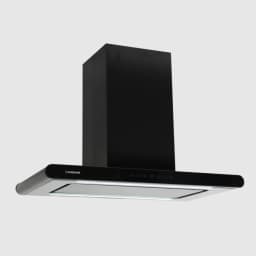
The visible body, usually stainless steel or glass with a steel frame. It gathers rising smoke and steam and directs it to the filters. In Imphal's wet months, steam from rice and boiling curries condenses on the inner surfaces, mixes with oil vapour and leaves a sticky film. Where that film is not wiped away, it turns into a breeding ground for mould by the end of the monsoon.
Filters: baffle, mesh or cassette
Baffle filters use overlapping steel plates to make the air change direction so oil drops out. Mesh and cassette filters trap oil in layers of aluminium mesh. In a humid kitchen, grease in the filters stays soft and sticky rather than drying, and catches more dust and soot. A baffle filter that is not washed for two months in the rainy season can cut airflow by a large margin.
Blower wheel and housing
The wheel, usually a squirrel-cage type, spins to create suction. Grease that gets past the filters coats its blades. Even a thin, uneven layer throws the wheel off balance, which shows up as vibration and a rising whine. This is the part most people never see and never clean.
Motor and capacitor
Most chimneys use a single-phase induction motor with a run capacitor; some newer models use BLDC motors with electronic drivers. Motors fail from heat (when the blower is choked and the motor strains), from moisture entering the windings in humid months, and from voltage swings. A weak capacitor makes the motor start slowly or hum without turning.
Control panel and PCB
Touch, push-button or gesture controls feed a PCB that sets motor speed, lights and auto-clean. Surges when power returns after a cut, and lightning during the monsoon, are the usual causes of a dead panel. Grease and moisture seeping behind a touch panel cause phantom presses.
Auto-clean heater and oil collector
On thermal auto-clean models, a heating element warms a plate so grease melts and runs into a collector cup. The heater, its thermostat and the cup channel can each fail or block. An overflowing cup leaks grease back into the motor area.
Lights
LED modules or, on older models, halogen lamps with a transformer. Moisture and heat shorten their life. A flickering light is often the first sign that damp has reached the wiring inside the hood.
Ducting, bends and outlet cowl
The flexible aluminium or rigid PVC duct carries exhaust outside. Every extra metre and every bend reduces suction. The outlet cowl and its non-return flap stop rain, wind and birds coming in. In Imphal, rain driven sideways by monsoon winds can enter a poorly angled outlet and run back down the duct.
How Imphal's Kitchens Put Stress on These Parts
Humidity: from late April to September, Imphal kitchens are damp almost all the time. Grease stays tacky, mould grows on hood interiors, rust starts on cheaper steel and on screw heads, and moisture creeps into motor windings and PCBs.
Cooking style: traditional Manipuri food relies on boiling and steaming more than heavy frying, but roasting ngari and dry fish, smoking meat over the flame and frying snacks like bora put intense smoke and odour into the hood. Families from other communities who have settled in the city add their own cooking, from Punjabi tadka to Bengali fish fry and Nepali-style fried dishes.
Power: frequent outages and voltage swings, especially in the storm season, are the leading cause of dead control boards and failed capacitors.
Housing: many traditional houses have kitchens on an outer wall with a short, straight duct run, which is ideal. Newer apartments and multi-storey houses around the market areas often route ducts through false ceilings and bends that choke airflow.
Earthquakes: Manipur sits in a high seismic zone. A heavy chimney hung on light screws in soft plaster is a hazard; mounting needs proper anchors.
Diagnostics We Carry Out
- Socket voltage, earth and wiring condition at the chimney point.
- Motor current draw at each speed, compared with rated values.
- Capacitor value test.
- Blower wheel inspection for grease load and balance.
- Bearing check by spinning the wheel by hand with power off.
- Control panel and PCB test, including auto-clean function.
- Duct inspection: length, number of bends, joints, outlet cowl and flap.
- Suction test at the hood with a smoke source, before and after cleaning.
Part Life, Wear Signals and Care Schedule
| Part | Usual Life in Imphal Conditions | First Warning Sign |
|---|---|---|
| Baffle filters | Many years if washed regularly | Sticky surface, smoke escaping the hood |
| Mesh or cassette filters | 1 to 3 years, shorter if not cleaned | Torn mesh, permanently clogged layers |
| Motor | 6 to 10 years with clean blower | Humming, slow start, burning smell |
| Capacitor | 3 to 6 years | Motor hums but does not spin |
| Control PCB | Varies; often fails after a surge | Unresponsive buttons, erratic speeds |
| Auto-clean heater | 4 to 7 years | Grease no longer collecting in cup |
| Duct and flap | Flexible duct 3 to 5 years | Rust, tears, rain entering, bird nests |
Keeping the Chimney Clean Between Technician Visits
A few simple routines, suited to a humid kitchen, make the biggest difference to suction and motor life.
- Wash baffle filters every two to three weeks in the rainy season and monthly in the dry, cooler months. Soak them in hot water with dishwashing liquid and a spoon of baking soda for twenty minutes, scrub with a soft brush and dry completely before refitting.
- Wipe the hood interior weekly with warm soapy water. That one step stops most of the mould we find after the monsoon.
- Turn the chimney on before you start roasting ngari or frying, not once the smoke has filled the kitchen. A running chimney creates the airflow that pulls smoke in; one started late is always catching up.
- Run it for a few minutes after cooking so damp, greasy air is cleared from the duct rather than condensing inside it.
- Empty the oil cup weekly on filterless and auto-clean models.
- Look at the outside outlet after storms. A broken flap or a dislodged cowl lets in rain and birds.
- Switch it off at the wall during thunderstorms. It costs nothing and protects the board.
Installation, Relocation and Annual Care Plans
When we install a chimney, we set it at the right height above the hob, usually 65 to 75 cm for a gas stove, use wall anchors suited to the masonry, and plan the shortest possible duct with gentle bends and an outlet angled downward against driving rain. If you are moving house, we remove the chimney, clean it and refit it at your new home with fresh ducting.
Our annual care plan includes two deep cleans a year, one just before the monsoon and one after it, plus a check of motor, capacitor, PCB and duct, with priority visits if something fails in between. Every visit is done by a verified technician, with a quote approved by you before any part changes, genuine or reliable compatible parts, and a warranty on the repair. If your old chimney is not worth saving, we will tell you.
Chimney Brands We Repair
Faber, Elica, Hindware, Glen, Kaff, Sunflame, Bosch, Prestige and Inalsa, including filterless, baffle and auto-clean models. AC Care India is an independent multi-brand service and is not an authorised service centre for any chimney manufacturer. Brand names appear here only to describe what we repair, and in-warranty chimneys should go to the brand first.
Imphal Neighbourhoods on Our List
Wangkhei, Khurai, Porompat, Lamlong, Thangmeiband, Uripok, Singjamei, Sagolband, Keishampat, Kwakeithel, Paona Bazar, Thangal Bazar, Lamphelpat, Langol, Chingmeirong, Yaiskul, Nagamapal, Moirangkhom, Kongba, Canchipur, Malom and Takyel.
Book Kitchen Chimney Repair in Imphal
Call 9266608882 or book online through this page. Let us know your chimney brand, the type of filter and when it was last cleaned. If it smells of burning or the motor hums without turning, switch it off at the wall and wait for our technician.
