



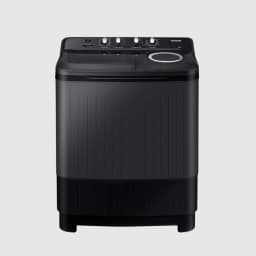


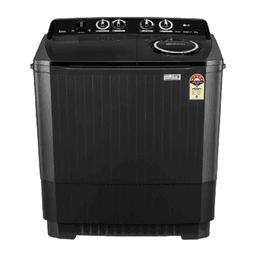
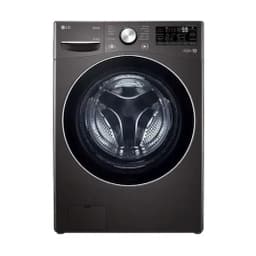
A January Morning in Sector 12, and the Front-Loader Will Not Heat
It is barely eight in the morning, fog is still hanging over the green belt, and the tap water is so cold it hurts. Someone has loaded a week of school uniforms, sweaters and towels into the front-loading washing machine and selected a 40°C cotton cycle. Forty minutes later, the display shows an error and the clothes are sitting in cold, soapy water. The heater, which has quietly collected scale from Panchkula's hard water for years, has finally failed on the one morning everyone needed it. In our experience, that is typical. Washing machine faults rarely appear from nowhere; they build up part by part.
To understand washing machine repair in Panchkula, it helps to look at what is inside the machine, how each part works, and what local water, weather and housing do to it. That is the core of this page, followed by our diagnostic tests, a table of part life and warning signs, and our installation and maintenance services.
Inside the Machine: Each Part and How Panchkula Wears It Down
Inlet valve and filter mesh
The electrically operated valve lets water in when the program calls for it. A small mesh filter behind the hose connection stops grit. In Panchkula, where much of the supply comes from tubewells and many homes store water in rooftop tanks, sediment and hardness deposits block the mesh and stiffen the valve. Symptoms include slow filling, a fill error, or a machine that keeps taking in water and then draining it.
Water level or pressure sensor
A small sensor connected to the tub by a thin tube tells the control board how much water is in the drum. Scale or lint in that tube gives false readings, causing overfilling or a machine that refuses to start washing.
Heating element
Fitted under the drum on front-loaders and on some top-loaders. Hard water deposits a layer of scale every time water is heated. Panchkula's cold winters mean many families use warm-water cycles for three or four months a year, so heaters here scale faster than in warmer cities. A scaled element heats slowly, runs hotter and eventually burns out or leaks current to earth, which can trip the MCB.
Drum, tub, bearings and seal
The inner drum spins on bearings mounted at the back of the outer tub, protected by a rubber seal. Once detergent residue and hard-water deposits damage the seal, water seeps into the bearings and they begin to rust. The first sign is a grinding or roaring noise during spin, which grows louder over weeks.
Motor and drive
Older top-loaders and semi-automatics use induction motors with capacitors, belts and pulleys. Many newer machines use direct-drive or BLDC motors controlled by an inverter board. Belts wear and slip, capacitors weaken, and electronic drives are sensitive to voltage spikes, which arrive with summer storms and the surges when supply returns after a cut.
Gearbox, clutch and brake on top-loaders
The mechanism that switches between agitating and spinning. Overloading with heavy winter blankets and quilts, a common habit in December, wears the clutch and strains the gearbox.
Shock absorbers and suspension springs
They stop the drum from banging against the cabinet. Worn dampers cause violent shaking during spin. On upper floors of the city's two and three-storey houses, where many machines stand on balconies or wash areas, an unlevel floor makes the problem worse.
Drain pump and filter
A small pump pushes used water out. Coins, hair clips, buttons and lint collect in its filter. In the monsoon, when drain pipes are slower and wash areas stay damp, blocked pumps and drain errors increase.
Door lock and control board
The door lock on front-loaders stops the door opening while water is inside. The control board runs everything. Moisture during the humid monsoon months and dust during the dry summer both affect board connectors, and storms can damage the board outright.
Tubewells, Overhead Tanks and Two-Storey Kothis
Much of Panchkula's housing is plotted kothis and independent floors rather than tall towers, and most of them fill a rooftop tank from the municipal line, which in turn draws heavily on tubewells. That arrangement shapes washing machine trouble in specific ways. On the ground floor, the pressure from an overhead tank is usually fine. On a second-floor wash area fed from a tank just a few feet above it, pressure can be too low for a front-loader's inlet valve, and the machine shows a fill error even though water is trickling in.
Rooftop tanks also collect silt, leaves and the occasional algae bloom in the monsoon, and that sediment ends up in the inlet mesh. Hard tubewell water leaves white crust on the detergent drawer, the door seal and the heater. If your clothes are turning greyish and stiff, the cause is often hardness plus too much detergent rather than a fault. We check tap pressure and the tank situation on every visit so the fix matches the house, not just the machine.
How We Diagnose a Washing Machine
- Supply voltage, socket condition and earthing are checked before the machine is run.
- Error codes are read and interpreted using the service data for that model.
- Test or service mode is used to run the inlet valve, drain pump, motor and heater one by one.
- Heater resistance and insulation are measured to spot both burnt-out and leaking elements.
- The pressure sensor tube is inspected for scale or blockage.
- The drum is turned by hand to feel for bearing roughness and checked for play.
- Dampers, springs and the floor level are inspected under a spin test.
- Inlet and drain filters are opened, and the inlet pressure at the tap is noted.
Parts, Their Typical Life and the Signs of Wear
| Part | Typical Life in Hard-Water Homes | Early Warning Sign |
|---|---|---|
| Heating element | Shorter without regular descaling | Cold washes, longer cycles, MCB trips on hot programs |
| Inlet valve | Several years; less with sediment | Slow filling, fill errors, dripping when off |
| Drum bearings and seal | Long, if seal is healthy and drum not overloaded | Grinding or roaring during spin |
| Shock absorbers | Several years | Heavy shaking, machine walking across floor |
| Drive belt | Varies with load | Drum not spinning, burning smell |
| Drain pump | Long if filter is cleaned | Water left in drum, drain error |
| Door lock | Wears with use | Door not locking or not releasing |
| Control board | Long with stable power | Dead display, random errors after storms |
Installation, Shifting and Maintenance Plans
A lot of washing machine trouble begins on the first day. When we install a machine, we check that the floor is level and strong enough, connect the inlet with a proper hose and tap, route the drain hose at the right height so it does not siphon, and confirm that the socket is earthed. Transit bolts on front-loaders must be removed before use; we see machines in Panchkula that have been running for months with them still in place.
When you move house, whether from one sector to another or to Zirakpur, Mohali or beyond, we can uninstall the machine, fit transit protection and reinstall it at the new address. Families who want regular care, and businesses such as PG accommodations, salons and small hotels that run machines all day, can opt for a maintenance plan with periodic descaling, filter cleaning and priority visits.
Looking After Your Machine Between Visits
- Run a descaling or drum-clean cycle every one to two months.
- Clean the inlet mesh and drain filter regularly.
- Do not overload with heavy quilts and blankets in winter; use a larger machine or a laundry for those.
- Use only the detergent dose recommended for your water hardness.
- Leave the door or lid open after washing, particularly in the monsoon.
- Switch off at the wall during storms.
Washing Machine Brands We Repair
IFB, Samsung, Bosch, Whirlpool, Godrej, Haier, Panasonic and Voltas Beko, in front-load, top-load and semi-automatic models. AC Care India is an independent multi-brand repair service, not an authorised service centre of any of these companies; we name brands only to explain which machines we fix. If your machine is still covered by its manufacturer's warranty, please reach out to the brand first.
Panchkula Neighbourhoods We Serve
Sector 12, Sector 2, Sector 4, Sector 7, Sector 8, Sector 10, Sector 11, Sector 14, Sector 15, Sector 16, Sector 19, Sector 20, Sector 21, Sector 24, Sector 25, Sector 26, Mansa Devi Complex, Amravati Enclave, Pinjore, Kalka and Barwala.
Why Choose AC Care India
- Verified, trained technicians who test parts before replacing them.
- A clear quote before work begins.
- Warranty on repairs and on parts fitted.
- Genuine or reliable compatible spares.
- Same-day or next-day visits across most sectors.
- Honest guidance when a repair is not worth it.
Book Washing Machine Repair in Panchkula
Call or WhatsApp 9266608882, or book online through this page. Tell us your sector, the brand and type of machine and the fault, and we will arrange a visit at a time that suits you.
