

Understanding Air Conditioner Refrigerant Services and Solutions in Chennai
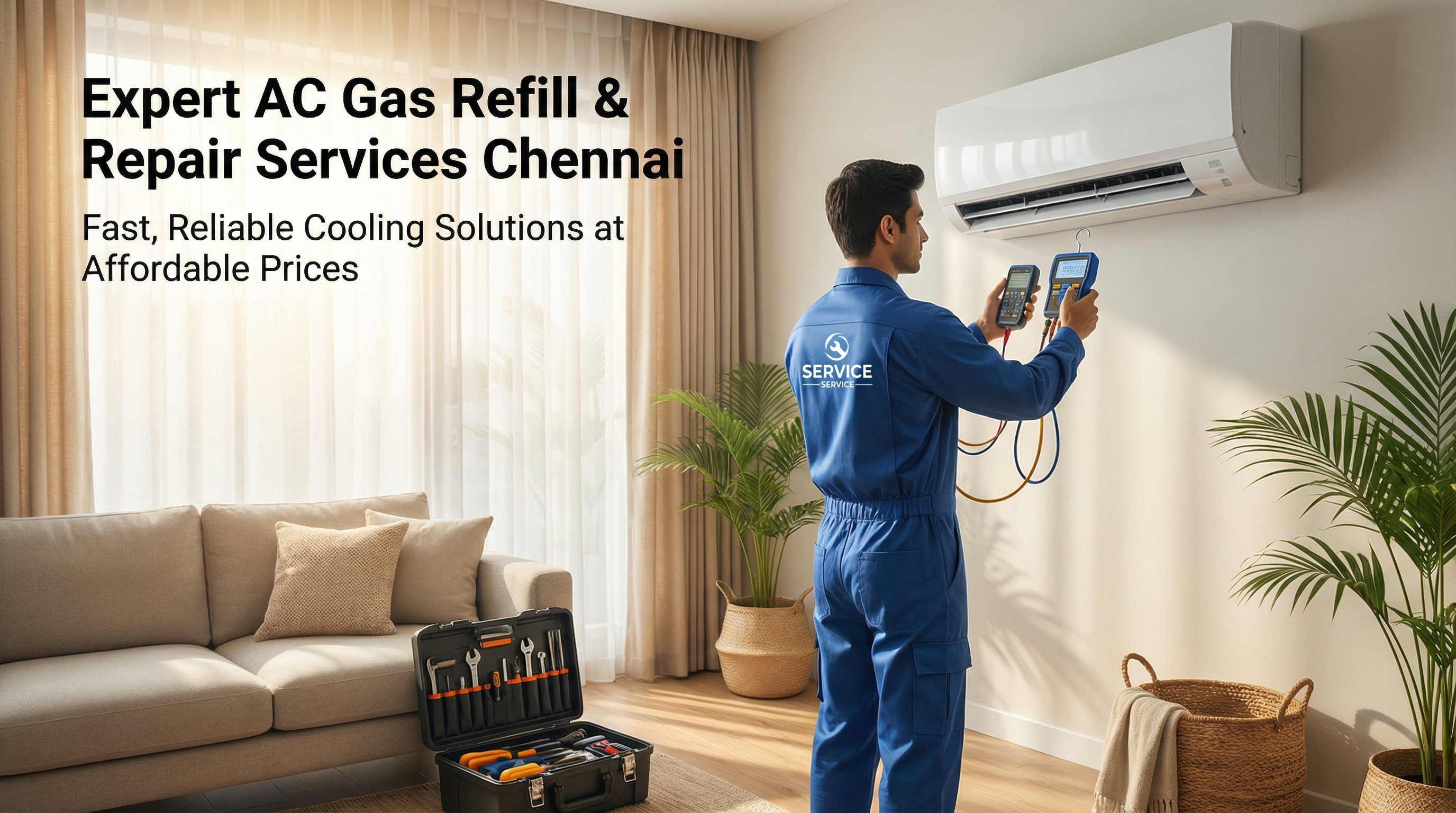
When the scorching heat of Chennai makes your home or office unbearable, the last thing you want is an air conditioner that refuses to cool properly
One of the most common culprits behind inadequate cooling is insufficient refrigerant levels in your cooling system. Many residents across the city experience this frustration, wondering why their once-efficient units now struggle to maintain comfortable temperatures despite running continuously.
The refrigerant, commonly referred to as gas in everyday language, serves as the lifeblood of your cooling system. It circulates through the unit's coils, absorbing heat from indoor air and releasing it outside, creating the cooling effect you rely on. When refrigerant levels drop due to leaks or other issues, your system cannot perform its primary function effectively. Understanding how this vital component works and recognizing when intervention becomes necessary can save you from uncomfortable days and potentially expensive repairs down the line.
Chennai's climate presents unique challenges for air conditioning systems, with high temperatures and humidity levels putting constant pressure on cooling equipment throughout most of the year. This demanding environment can accelerate wear and tear on various components, including the sealed refrigerant system. Regular maintenance becomes crucial in this context, as preventive care can identify potential problems before they escalate into major failures requiring extensive repairs or complete system replacement.
This comprehensive guide walks you through everything you need to know about refrigerant services in Chennai, from understanding the underlying technology to identifying problems, estimating expenses, and finding qualified professionals who can restore your system to optimal performance. Whether you deal with a residential split unit or a commercial installation, the information provided here will help you make informed decisions about your cooling system's health and maintenance.
The Science Behind Refrigerant in Cooling Systems
Air conditioners operate on fundamental thermodynamic principles that involve the continuous circulation of refrigerant through a closed-loop system. This substance exists in both liquid and gaseous states during different phases of the cooling cycle. Inside the indoor unit, the refrigerant absorbs heat from room air as it evaporates in the evaporator coils, transforming from liquid to gas. The compressor then pressurizes this gas, increasing its temperature before sending it to the outdoor condenser unit.
In the condenser coils, the hot pressurized refrigerant releases the absorbed heat to the outside environment and condenses back into liquid form. This liquid then passes through an expansion valve, which reduces its pressure and temperature before it returns to the evaporator coils to repeat the cycle. This continuous process removes heat and humidity from indoor spaces, creating the comfortable environment you expect from your cooling system.
When refrigerant levels drop below optimal amounts, this entire process becomes compromised. The system cannot absorb sufficient heat from indoor air, resulting in reduced cooling capacity. The compressor may run longer cycles attempting to compensate, increasing energy consumption and placing additional stress on mechanical components. Over time, this situation can lead to compressor failure, which represents one of the most expensive repair scenarios for any cooling system.
Modern cooling systems use various types of refrigerants, with R-22, R-410A, and R-32 being among the most common. Each type has specific properties, environmental impacts, and compatibility requirements. R-22, once widely used, has been phased out in many regions due to environmental concerns. Newer refrigerants like R-410A and R-32 offer better efficiency and lower environmental impact, though they require systems specifically designed for their unique pressure and temperature characteristics.
Recognizing Symptoms of Refrigerant Issues
Detecting refrigerant problems early can prevent minor issues from developing into major system failures. The most obvious sign is diminished cooling performance, where your unit runs continuously but fails to reach the desired temperature. You might notice that rooms feel warmer than usual despite the thermostat setting remaining unchanged, or that the system takes significantly longer to cool spaces that previously cooled quickly.
Ice formation on the evaporator coils or refrigerant lines indicates a serious problem requiring immediate attention. This counterintuitive symptom occurs because low refrigerant levels cause the remaining refrigerant to expand excessively, dropping temperatures below freezing point and causing moisture in the air to freeze on the coils. This ice further restricts airflow and cooling capacity, creating a deteriorating cycle that can damage the compressor if left unaddressed.
Unusual hissing or bubbling sounds coming from your cooling system often signal refrigerant leaks. These sounds occur as pressurized refrigerant escapes through small cracks or holes in the refrigerant lines, coils, or connections. Sometimes leaks remain silent, making visual inspection and professional testing necessary for detection. Refrigerant leaks not only reduce system performance but also pose environmental concerns and potential health risks depending on the refrigerant type.
Higher than normal electricity bills without corresponding changes in usage patterns may indicate refrigerant problems. When systems operate with insufficient refrigerant, they work harder and longer to achieve desired temperatures, consuming more power in the process. Monitoring your energy consumption patterns helps identify efficiency problems before they cause complete system failure, allowing for timely intervention and cost savings.
Common Causes Behind Refrigerant Depletion
Understanding what causes refrigerant loss helps prevent future occurrences and informs better maintenance practices. Contrary to popular belief, refrigerant does not get consumed during normal operation. Cooling systems are sealed units designed to circulate the same refrigerant indefinitely without loss. When levels drop, a leak or installation problem almost always exists, requiring professional diagnosis and repair.
Corrosion represents one of the primary causes of refrigerant leaks in Chennai's coastal climate. The combination of salt-laden air, humidity, and temperature variations accelerates metal degradation in copper coils and aluminum fins. Over time, this corrosion creates tiny holes through which refrigerant escapes. Regular cleaning and protective coatings can slow this process, but older systems eventually develop corrosion-related leaks requiring professional attention.
Vibration and mechanical stress from normal operation can loosen connections and create leak points. The compressor and fan motors generate vibrations that gradually affect joints, flare connections, and welded seams in the refrigerant circuit. Poor installation practices, such as inadequate brazing or improper torque on connection fittings, make systems particularly vulnerable to vibration-induced leaks. Quality installation by experienced technicians significantly reduces these risks.
Physical damage from external sources occasionally causes refrigerant loss. Construction work, accidental impacts, or even aggressive cleaning of outdoor units can puncture refrigerant lines or damage coils. Rodent activity represents another unexpected cause, as rats and other pests sometimes chew through insulation and copper lines, creating leaks. Protecting outdoor units with appropriate barriers and maintaining clear perimeters helps prevent such damage.
Investment Considerations for Refrigerant Services
The financial aspect of refrigerant services in Chennai varies based on multiple factors that homeowners and business operators should understand. System type, refrigerant variety, leak severity, and service provider qualifications all influence total expenses. For standard residential split systems, basic refrigerant replenishment typically ranges from fifteen hundred to three thousand rupees, though this represents only refrigerant addition without addressing underlying leaks.
Comprehensive services that include leak detection, repair, system evacuation, and proper refrigerant charging command higher prices, generally between three thousand and eight thousand rupees. This investment proves more valuable than simple refrigerant addition because it addresses root causes rather than providing temporary relief. Systems with multiple leaks or requiring extensive repairs may exceed these ranges, particularly if component replacement becomes necessary.
The refrigerant type significantly impacts expenses, with newer environmentally friendly options generally costing more than older varieties. R-410A and R-32 typically cost more per kilogram than R-22, though availability issues may affect pricing for phased-out refrigerants. Some service providers charge separately for labor and materials, while others offer package pricing. Understanding these pricing structures helps evaluate quotes and compare service providers effectively.
Investing in proper diagnosis before authorizing work proves crucial for cost management. Reputable technicians perform thorough inspections to identify all issues before beginning repairs, providing detailed estimates that prevent surprise charges. Some providers offer warranty coverage on their work, providing peace of mind and protecting against premature failures. While premium services cost more initially, they often deliver better long-term value through quality workmanship and genuine materials.
Types of Refrigerant Service Approaches
Different service methodologies exist for addressing refrigerant problems, each appropriate for specific situations. Understanding these approaches helps you communicate effectively with service providers and ensure you receive appropriate solutions for your particular circumstances.
Top-up services represent the most basic approach, where technicians simply add refrigerant to systems without addressing leaks or underlying problems. This method provides temporary relief for systems with minor, slow leaks or those that lost refrigerant during service or relocation. However, top-ups prove inadequate for systems with significant leaks, as the added refrigerant will escape quickly, requiring frequent recharging and wasting money on repeated services.
Complete recharge services involve removing remaining refrigerant, repairing leaks, evacuating the system to remove air and moisture, and filling with the proper refrigerant quantity. This comprehensive approach suits systems with identified leaks or those experiencing significant refrigerant loss. Proper evacuation proves critical because air and moisture in the system cause corrosion, reduce efficiency, and can damage the compressor over time.
Retrofitting services convert older systems using phased-out refrigerants to newer alternatives. This complex procedure requires compatibility assessment, potential component upgrades, complete system flushing, and precise charging with the new refrigerant type. Retrofitting extends the usable life of older equipment while addressing environmental concerns, though not all systems can be successfully converted due to technical limitations.
Preventive maintenance programs include regular refrigerant level checks along with comprehensive system inspections. These programs identify minor issues before they escalate, maintaining optimal performance and extending equipment lifespan. While requiring ongoing investment, preventive maintenance typically costs less over time than reactive repairs and emergency services.
Professional Services Across Chennai
Finding qualified refrigerant service providers in Chennai requires consideration of several important factors. The city hosts numerous service companies ranging from individual technicians to established firms with multiple service teams. Doctor Fresh has built a reputation for reliable refrigerant services across various Chennai neighborhoods, offering comprehensive diagnostic and repair solutions. RO Care India, while known primarily for water purification, also provides cooling system services through trained technicians.
Mannubhai Service Expert operates as a multi-brand service center addressing refrigerant issues for various cooling system types. Their diagnostic approach emphasizes identifying root causes rather than simply adding refrigerant. Established manufacturers like Kent, Aquaguard, Aquafresh, Pureit, Blue Star, and LG maintain authorized service networks throughout Chennai, offering brand-specific expertise and genuine parts for their respective products.
Authorized service centers typically charge premium rates but provide manufacturer-backed warranties and trained technicians familiar with specific system requirements. Independent service providers often offer competitive pricing and flexible scheduling, though verifying their credentials and customer reviews becomes important. Geographic considerations affect service availability, with some providers specializing in particular Chennai zones while others operate city-wide.
Evaluating service providers involves checking certifications, insurance coverage, customer testimonials, and warranty policies. Technicians should hold relevant qualifications in refrigeration and air conditioning, demonstrating knowledge of proper refrigerant handling, environmental regulations, and safety procedures. Established providers maintain proper equipment for leak detection, evacuation, and precise refrigerant charging, ensuring quality results that temporary or unqualified operators cannot deliver.
Finding Service Providers in Your Location
Proximity often influences service provider selection, particularly for emergency situations requiring immediate attention. Searching for providers serving your specific Chennai neighborhood yields more relevant results than generic city-wide searches. Areas like T Nagar, Adyar, Velachery, Anna Nagar, and Porur each have local service providers familiar with area-specific challenges and customer bases.
Online platforms and business directories help identify nearby service providers, displaying customer ratings, service areas, and contact information. However, verifying credentials beyond online presence remains important, as listings may not reflect current service quality or business status. Requesting references from neighbors, building managers, or local community groups often provides reliable recommendations based on actual service experiences.
Response time considerations affect provider selection, especially during peak summer months when service demand increases dramatically. Established providers with multiple service teams generally offer better availability than single-operator services. Some companies provide emergency services with premium charges for after-hours or same-day responses, while others operate on appointment-only schedules with longer wait times.
Service radius limitations mean some providers serve only specific Chennai zones despite claiming city-wide coverage. Confirming service availability for your exact location before scheduling appointments prevents disappointment and wasted time. Some premium providers offer doorstep diagnostic visits at minimal or no charge, allowing assessment before committing to full service contracts.
Selecting Qualified Service Technicians
Technician qualifications significantly impact service quality and long-term system performance. Properly trained professionals understand refrigerant properties, pressure-temperature relationships, leak detection methods, and environmental regulations governing refrigerant handling. They use calibrated instruments to measure refrigerant levels accurately rather than relying on guesswork or visual assessment alone.
Certification from recognized vocational training institutes or manufacturer training programs indicates baseline competency. Experienced technicians develop practical knowledge that formal training alone cannot provide, learning to diagnose complex problems and identify issues that less experienced workers might overlook. Inquiring about technician experience levels and ongoing training helps assess provider capabilities.
Equipment quality reflects provider professionalism and service capability. Legitimate operations invest in proper tools including electronic leak detectors, manifold gauge sets, vacuum pumps, and refrigerant recovery equipment. Technicians arriving with minimal tools or improvised equipment likely cannot perform comprehensive services meeting industry standards.
Ethical practices distinguish reputable providers from opportunistic operators. Quality technicians explain problems clearly, provide itemized estimates, and obtain approval before performing additional work beyond initial agreements. They avoid unnecessary services, recommend appropriate solutions based on system condition and customer budget, and stand behind their work with meaningful warranties.
Preventing Future Refrigerant Problems
Proactive maintenance prevents most refrigerant issues while extending overall system lifespan and maintaining efficiency. Regular professional maintenance visits, typically scheduled twice yearly before summer and winter seasons, allow technicians to identify potential problems before they cause failures. These visits include refrigerant level checks, leak inspections, electrical testing, and cleaning services that keep systems operating optimally.
Protecting outdoor units from physical damage and environmental exposure reduces corrosion and accidental damage risks. Installing protective covers during monsoon seasons prevents water intrusion, though ensuring adequate ventilation remains important. Maintaining clear space around outdoor units allows proper airflow and makes inspection and maintenance easier.
Operating systems within designed parameters prevents unnecessary stress on components. Setting thermostats to reasonable temperatures rather than extremely cold settings reduces compressor runtime and system wear. Avoiding frequent on-off cycling by setting appropriate temperature differentials helps maintain system efficiency and longevity.
Addressing minor issues promptly prevents escalation into major problems. Strange sounds, reduced cooling, or increased energy consumption warrant professional inspection rather than hopeful neglect. Early intervention typically costs less and prevents secondary damage that occurs when primary problems remain unaddressed.
Environmental and Safety Considerations
Refrigerant handling involves environmental and safety responsibilities that responsible service providers take seriously. Many refrigerants contribute to ozone depletion or global warming when released into the atmosphere, making proper recovery and recycling essential. Legitimate service providers use recovery equipment to capture existing refrigerant before opening systems, recycling or disposing of it according to environmental regulations.
Personal safety concerns exist with certain refrigerants, particularly in poorly ventilated spaces. While most modern refrigerants pose minimal toxicity risks, they can displace oxygen in enclosed areas, creating asphyxiation hazards. Professional technicians understand these risks and take appropriate precautions including ventilation and gas monitoring when working in confined spaces.
Proper refrigerant disposal prevents environmental contamination and legal liability. Simply venting refrigerant into the atmosphere violates environmental regulations and contributes to climate change. Service providers should demonstrate knowledge of proper disposal procedures and maintain relationships with authorized refrigerant recovery facilities.
Transitioning to environmentally preferable refrigerants represents an ongoing industry trend driven by international agreements and environmental awareness. When replacing systems or performing major repairs, considering units using lower global warming potential refrigerants contributes to environmental sustainability while potentially qualifying for energy efficiency incentives or rebates.
Optimizing System Performance Post-Service
Following refrigerant service, certain practices help maintain restored performance and prevent rapid recurrence of problems. Allowing systems to operate continuously for several hours after service helps technicians verify proper operation and identify any remaining issues before departing. Monitoring performance during the first few days reveals whether problems were completely resolved or if follow-up service becomes necessary.
Maintaining proper airflow supports efficient refrigerant operation and prevents various problems. Cleaning or replacing air filters monthly during heavy use periods ensures unrestricted airflow through evaporator coils. Keeping supply and return vents unobstructed by furniture or curtains allows proper air circulation throughout cooled spaces.
Thermostat programming affects system efficiency and comfort. Setting reasonable temperature targets reduces runtime and energy consumption while maintaining comfort. Utilizing programmable or smart thermostats to adjust temperatures based on occupancy patterns optimizes efficiency without sacrificing convenience.
Regular observation helps detect recurring problems early. Noting any gradual performance decline, unusual sounds, or increasing energy consumption allows prompt intervention before minor issues escalate. Keeping service records including dates, services performed, and provider contact information facilitates continuity of care and warranty claims if needed.
Comprehensive Cooling System Care
Refrigerant services represent just one aspect of comprehensive cooling system maintenance. Other components require attention to ensure reliable operation and maximum efficiency. Electrical connections, capacitors, contactors, and control boards require periodic inspection and testing to prevent failures that can strand systems during peak demand periods.
Condensate drainage systems remove moisture extracted from indoor air during the cooling process. Blocked drain lines cause water backup that can damage ceilings, walls, and flooring while creating conditions for mold growth. Regular drain cleaning and algae treatment prevent blockages and maintain proper drainage function.
Coil cleaning significantly impacts efficiency and longevity. Dust, pollen, and debris accumulating on evaporator and condenser coils reduce heat transfer effectiveness, forcing systems to work harder and consume more energy. Professional coil cleaning restores efficiency and prevents premature component failure due to excessive operating temperatures.
Fan motors and blowers require lubrication and inspection to maintain proper operation. Worn bearings produce noise and can fail completely, stopping system operation. Belt-driven systems need tension adjustment and periodic belt replacement to maintain efficiency and prevent unexpected failures.
Making Informed Service Decisions
Comparing service providers and obtaining multiple estimates helps ensure fair pricing and appropriate service recommendations. However, focusing solely on lowest cost often proves counterproductive when quality and reliability matter. Comprehensive estimates detailing all recommended services, parts, labor, and warranties enable meaningful comparisons beyond simple price shopping.
Understanding warranty coverage prevents disputes and disappointment. Clarifying what warranties cover, their duration, and exclusions before authorizing work establishes clear expectations. Reputable providers offer warranties on both parts and labor, demonstrating confidence in their workmanship and materials.
Seasonal timing affects both service availability and pricing. Scheduling maintenance during off-peak periods typically provides better availability, faster service, and sometimes reduced pricing. Waiting until systems fail during peak summer months results in longer wait times, reduced technician availability, and potential premium charges for emergency services.
Building ongoing relationships with service providers delivers better long-term value than constantly switching based on minor price differences. Established relationships mean providers maintain service histories, understand your specific systems, and often prioritize regular customers during peak demand periods. This continuity of care supports better diagnostic accuracy and more personalized service recommendations.
Conclusion
Maintaining proper refrigerant levels represents a crucial aspect of cooling system performance and longevity, particularly in Chennai's demanding climate. Understanding the science behind refrigerant operation, recognizing problem symptoms, and knowing when professional intervention becomes necessary empowers you to make informed decisions about system care. While refrigerant services involve various complexities from diagnosis through repair and charging, qualified professionals make the process straightforward and restore comfortable indoor environments efficiently.
Investment in proper refrigerant services delivers returns through restored comfort, improved energy efficiency, and extended equipment lifespan. Choosing between basic top-up services and comprehensive repair approaches depends on your specific situation, with thorough diagnosis guiding appropriate solutions. The availability of numerous service providers across Chennai, from authorized brand centers to independent specialists, ensures access to qualified assistance when needed.
Preventive maintenance and proactive system care prevent most refrigerant problems while maintaining optimal performance year-round. Regular professional inspections combined with proper operation practices and prompt attention to minor issues minimize unexpected failures and expensive emergency repairs. Environmental responsibility and safety considerations should guide refrigerant service decisions, ensuring compliance with regulations while protecting both property and planet.
By applying the information and insights presented throughout this guide, you can navigate refrigerant service decisions confidently, select qualified providers, and maintain cooling systems that deliver reliable comfort throughout Chennai's extended hot seasons. Whether addressing current problems or implementing preventive care strategies, informed decision-making based on understanding rather than guesswork produces better outcomes and greater satisfaction with your cooling system investment.
Frequently Asked Questions
Q - How often should I check my air conditioner's refrigerant levels?
A - Under normal circumstances, refrigerant doesn't deplete as cooling systems are sealed units designed to circulate the same refrigerant indefinitely. You should schedule professional maintenance checks twice yearly, typically before summer and winter seasons. However, if you notice reduced cooling performance, ice formation on coils, or unusual sounds, immediate inspection becomes necessary regardless of your maintenance schedule. Regular checks help identify leaks early before they cause compressor damage or complete system failure.
Q - Can I simply add refrigerant to my cooling system myself to save money?
A - Adding refrigerant requires specialized equipment, technical knowledge, and proper certification due to environmental regulations and safety concerns. Improper handling can damage your system, pose health risks, and violate environmental laws. Professional technicians use calibrated instruments to measure precise refrigerant quantities, detect leaks, evacuate air and moisture, and ensure proper system operation. Simply adding refrigerant without addressing underlying leaks provides only temporary relief and wastes money on repeated services while potentially causing additional damage.
Q - Why does my air conditioner continue losing refrigerant even after refilling?
A - Refrigerant loss indicates a leak in your system's sealed circuit, commonly caused by corrosion in coastal climates, loose connections from vibration, poor installation practices, or physical damage. Simply refilling without repairing the leak means refrigerant will continue escaping, requiring frequent recharging. Comprehensive service should include leak detection using electronic equipment, proper repairs, system evacuation to remove contaminants, and precise refrigerant charging. Addressing root causes rather than symptoms ensures lasting solutions and prevents recurring problems.
Q - What preventive measures can extend my cooling system's life and prevent refrigerant issues?
A - Regular professional maintenance visits identifying potential problems before failures occur prove most effective. Protect outdoor units from physical damage and environmental exposure, clean or replace air filters monthly, maintain clear space around units for proper airflow, and operate systems at reasonable temperature settings. Address minor issues like unusual sounds or reduced cooling immediately rather than waiting for complete failure. Scheduling maintenance during off-peak periods ensures better availability and allows technicians to perform thorough inspections without rush.
Looking to ensure your air conditioner maintains optimal cooling performance year-round? Explore comprehensive maintenance guides and expert insights on refrigerant systems to stay informed about preventive care strategies. Learn more about identifying early warning signs, understanding service quality standards, and implementing best practices that extend your cooling system's lifespan while maximizing energy efficiency in Chennai's challenging climate.