
Essential Reasons to Service Your Air Conditioner During Cold Months
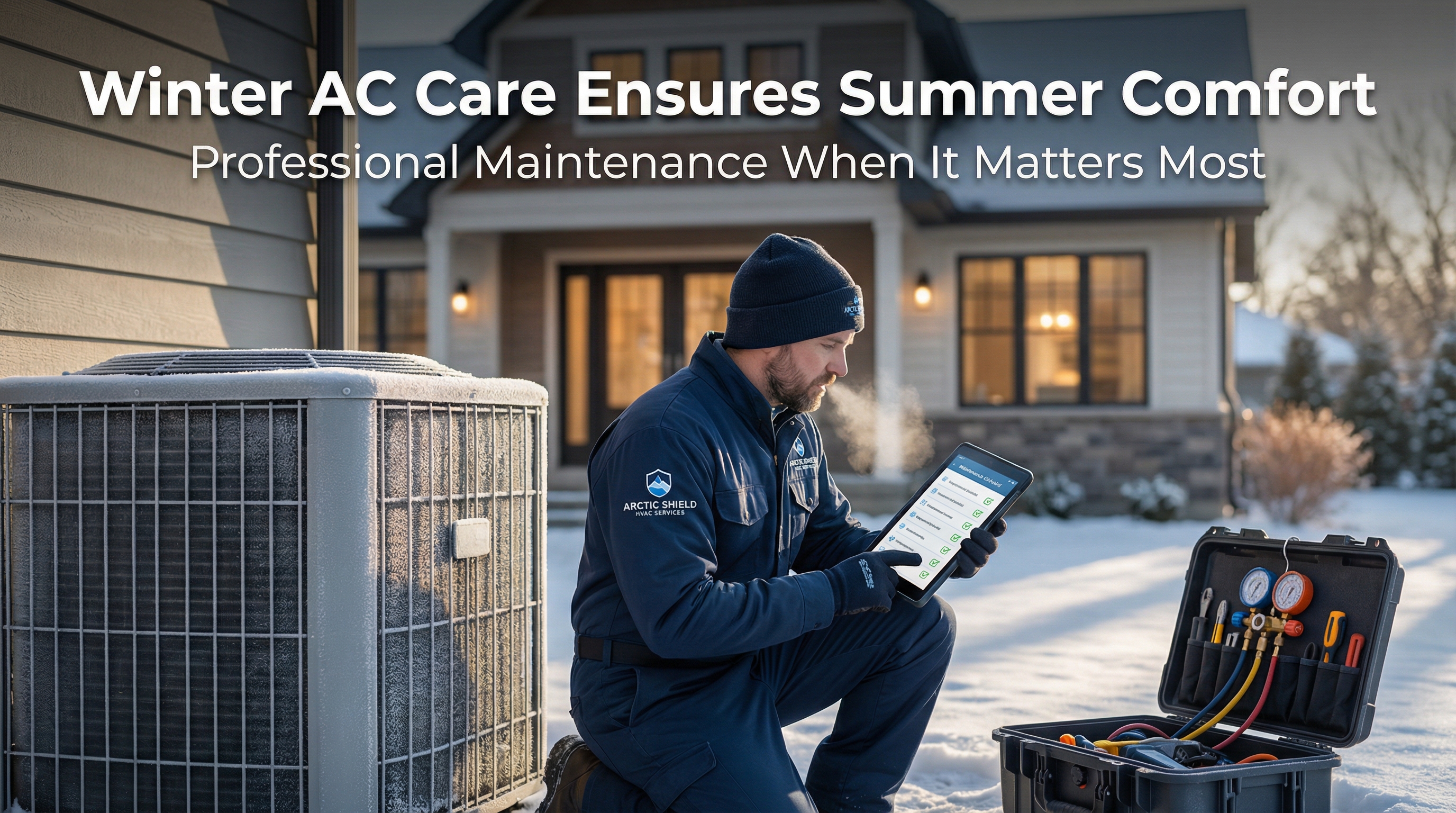
When temperatures drop and winter settles in, most homeowners completely forget about their cooling systems. The air conditioner sits idle, accumulating dust and facing various environmental challenges while you focus on heating your home. This neglect, however, can lead to significant problems when you need cooling again. Understanding the importance of maintaining your cooling unit during the off-season can save you substantial money and prevent uncomfortable situations during peak summer heat.
Many people assume that cooling systems only require attention when they are actively being used. This misconception often results in unpleasant surprises when the first hot day arrives and the unit fails to function properly. Winter actually presents the perfect opportunity to address maintenance needs without the urgency and expense associated with peak season repairs. Professional technicians typically have more availability during these months, making scheduling convenient and often more affordable.
The cold season affects your cooling equipment in ways you might not realize. Internal components can deteriorate, refrigerant levels may fluctuate, and electrical connections can loosen due to temperature changes and inactivity. Dust and debris accumulate inside the unit, creating blockages that reduce efficiency and strain the system. Moisture buildup during winter months can also lead to mold growth and corrosion, compromising both performance and indoor air quality.
Proactive maintenance during winter months establishes a foundation for reliable performance throughout the year. This approach transforms your relationship with home comfort systems from reactive emergency repairs to planned, cost-effective care. By addressing potential issues before they escalate, homeowners gain peace of mind knowing their cooling system will respond reliably when needed most.
How Cold Weather Impacts Your Cooling System
Winter weather creates multiple challenges for air conditioning units, even when they remain inactive. Temperature fluctuations cause metal components to expand and contract, potentially loosening connections and creating gaps in seals. This thermal stress affects various parts including compressor housing, refrigerant lines, and mounting brackets. Over time, these subtle changes can lead to refrigerant leaks or mechanical failures that only become apparent when you restart the system.
Humidity levels during winter months also affect cooling equipment significantly. Condensation can form inside the unit, especially in regions with fluctuating temperatures. This moisture promotes rust formation on metal surfaces and encourages mold growth in ductwork and on cooling coils. When you eventually restart the system, these contaminants circulate throughout your home, affecting air quality and potentially causing health concerns for family members with respiratory sensitivities.
Pest intrusion represents another winter challenge for outdoor cooling units. Small animals and insects seek shelter in these protected spaces, building nests and potentially damaging wiring, insulation, and other components. Rodents may chew through electrical cables, while insects can block drainage systems. These infestations often go unnoticed until the system fails to operate properly, requiring expensive repairs that could have been prevented through regular inspection.
Debris accumulation intensifies during fall and winter months. Leaves, twigs, dirt, and other materials settle into and around the outdoor unit, blocking airflow and creating additional strain on the system. This buildup forces the unit to work harder when restarted, reducing efficiency and shortening equipment lifespan. Regular cleaning during winter prevents this accumulation from becoming a significant problem.
Critical Maintenance Tasks for Off-Season Care
Comprehensive cleaning stands as the foundation of effective winter maintenance. This process involves removing accumulated debris from outdoor units, cleaning or replacing air filters, and clearing condensate drain lines. The outdoor condenser coils require special attention, as dirt buildup on these surfaces dramatically reduces heat exchange efficiency. Professional cleaning ensures all surfaces are properly addressed without damaging delicate fins or other components.
Electrical system inspection prevents many common failures. Technicians examine all connections, tighten any loose terminals, and test capacitors and contactors for proper function. These components can degrade over time, especially when subjected to temperature extremes and periods of inactivity. Identifying worn parts during winter maintenance allows for replacement before they fail during peak usage, preventing inconvenient breakdowns and potential damage to other system components.
Refrigerant level verification ensures optimal performance and efficiency. Even small leaks can significantly impact cooling capacity and force the compressor to work harder, increasing energy consumption and wear. Technicians check refrigerant pressure, inspect lines for damage or corrosion, and repair any leaks discovered. This attention prevents the frustration of inadequate cooling during the hottest days and protects the compressor from damage caused by improper refrigerant levels.
Thermostat calibration and testing confirms accurate temperature control. Over time, thermostats can drift from their calibrated settings, causing the system to cycle improperly or maintain incorrect temperatures. Testing during winter ensures this critical component functions correctly, providing comfortable temperatures and efficient operation when cooling season arrives. Modern programmable and smart thermostats also benefit from software updates and battery replacement during this service.
Understanding Different Service Approaches
Residential cooling systems come in various configurations, each requiring specific maintenance approaches. Understanding these differences helps homeowners make informed decisions about care and service needs. Split systems, with separate indoor and outdoor units, represent the most common configuration in modern homes. These systems require attention to both components, with particular focus on refrigerant lines connecting the units and ensuring proper drainage from the indoor evaporator coil.
Window mounted units present unique maintenance considerations. These self-contained systems often suffer more dramatically from winter neglect due to their exposed position and compact design. Proper winterization includes thorough cleaning, seal inspection, and sometimes removal from the window opening to prevent cold air infiltration. When left installed, protective covers help shield the unit from harsh weather while allowing moisture to escape.
Central air systems connected to forced air heating systems require coordination between cooling and heating maintenance. The shared ductwork means that issues in one system can affect the other. Winter maintenance should address the entire HVAC system, ensuring ducts remain clean and sealed, and that the cooling components remain protected while the heating system operates. This comprehensive approach maximizes overall system efficiency and indoor air quality.
Ductless mini split systems offer flexibility but require attention to multiple indoor units and their outdoor counterpart. Each indoor unit contains filters and drainage systems that need regular maintenance. The outdoor unit shares similar concerns with traditional split systems. Winter maintenance for these systems involves servicing all components to ensure balanced performance across different zones or rooms.
Professional Service Providers and Quality Standards
Finding reliable service providers ensures your cooling system receives proper care during winter maintenance. Established companies like Doctor Fresh and RO Care India offer comprehensive maintenance programs that address all aspects of system care. These providers employ trained technicians familiar with various equipment brands and configurations, ensuring thorough and appropriate service regardless of your specific system.
Regional specialists such as Mannubhai Service Expert bring local knowledge and quick response times to homeowners. Their familiarity with climate specific challenges helps address issues particular to your area. Many homeowners appreciate the personalized service and accountability that comes with supporting local businesses while maintaining their home comfort systems.
Manufacturer authorized service networks for brands like Kent, Aquaguard, Aquafresh, Pureit, Blue Star, and LG provide specialized expertise for specific equipment. These technicians receive factory training and have access to genuine replacement parts, ensuring service meets manufacturer standards. This approach particularly benefits homeowners with newer systems under warranty, as proper authorized service maintains coverage validity.
Quality maintenance services include detailed inspection reports, transparent pricing, and clear communication about system condition and recommended repairs. Reputable providers document their work, provide service records for future reference, and stand behind their workmanship with service guarantees. These standards help homeowners build lasting relationships with service providers who prioritize long term system performance over immediate profit.
Financial Benefits of Preventive Winter Maintenance
Winter maintenance delivers substantial cost savings through improved efficiency and prevented breakdowns. A well maintained cooling system operates at designed efficiency levels, consuming less electricity while providing better cooling performance. This efficiency directly reduces monthly utility bills during cooling season, with savings often exceeding the cost of preventive maintenance within a single summer. Systems neglected during winter typically show efficiency losses of fifteen to twenty percent, translating to significantly higher operating costs.
Preventing major repairs through early problem detection represents another significant financial advantage. Small issues discovered during routine maintenance, such as a worn belt or loose connection, cost relatively little to address. These same problems, if left unattended, can cascade into major failures requiring expensive emergency repairs or complete system replacement. The difference between a fifty dollar belt replacement and a fifteen hundred dollar compressor replacement illustrates the value of preventive care.
Extended equipment lifespan directly impacts long term home maintenance budgets. Cooling systems typically last twelve to fifteen years with proper maintenance, but this lifespan shortens dramatically when units receive sporadic or inadequate care. Regular winter maintenance helps achieve or exceed expected lifespan, delaying the substantial expense of system replacement. Considering that new system installation costs range from three to seven thousand dollars, extending equipment life by even a few years represents significant savings.
Service contracts offered by many providers during winter months often include discounted rates and priority scheduling. These programs typically cost less than individual service calls while providing comprehensive coverage. Homeowners benefit from predictable maintenance expenses and avoid the premium pricing associated with emergency repairs during peak season. Some programs also include discounts on repairs and replacement parts, further enhancing value.
Preparing Your System for Optimal Performance
Beyond professional maintenance, homeowners can take several actions to support their cooling system during winter months. Covering outdoor units with breathable protective covers shields equipment from debris and weather while allowing necessary airflow and moisture escape. Avoid plastic or completely sealed covers, as these trap moisture and promote corrosion. Purpose designed covers provide protection while maintaining proper ventilation.
Maintaining clear space around outdoor units throughout winter prevents problems when spring arrives. Keep shrubs trimmed back at least two feet from the unit, and regularly remove accumulated leaves, snow, or debris. This clearance ensures adequate airflow when the system restarts and prevents pest intrusion. Some homeowners create simple barriers around units to deflect wind driven snow and debris while maintaining airflow.
Indoor components also benefit from attention during winter months. Keep supply and return vents clear of furniture, curtains, and other obstructions. This ensures proper airflow through the system and prevents strain on the blower motor. Replace or clean filters monthly, even during winter, as your heating system uses the same ductwork and blower. Clean filters support better air quality and reduce dust accumulation on cooling coils.
Documentation and record keeping help track system performance and maintenance history. Record dates of professional service, any repairs performed, and observations about system operation. This information proves valuable when discussing issues with technicians and helps identify patterns that might indicate developing problems. Organized records also add value if you sell your home, demonstrating responsible system maintenance to potential buyers.
Recognizing When Professional Help is Needed
Understanding the limits of homeowner maintenance helps avoid accidental damage and ensures problems receive appropriate attention. While cleaning outdoor units and changing filters fall within homeowner capabilities, refrigerant work, electrical repairs, and internal component service require professional expertise and specialized tools. Attempting these tasks without proper training risks personal injury, equipment damage, and potential liability issues.
Unusual sounds from cooling equipment, even during winter inactivity, warrant professional inspection. Rattling, buzzing, or grinding noises indicate loose components, failing motors, or other mechanical problems that worsen over time. Addressing these issues during winter prevents failure during peak season and often results in simpler, less expensive repairs. Never ignore warning signs, as small problems rapidly escalate into major failures.
Visible damage to outdoor units, including dented coils, damaged fan blades, or corrosion on refrigerant lines, requires immediate professional assessment. These issues compromise system performance and can lead to refrigerant leaks or complete failure. Winter provides opportunity to address damage before cooling season begins, avoiding rushed repairs when you need the system most urgently.
Persistent moisture or musty odors near indoor components indicate drainage problems or mold growth. These issues affect indoor air quality and can cause health problems for household members. Professional service includes cleaning drainage systems, treating mold growth, and identifying the underlying cause of excess moisture. This attention protects both your cooling system and your family's health.
Maximizing Return on Maintenance Investment
Strategic timing of maintenance appointments maximizes benefits while minimizing costs. Scheduling service during mid winter, when demand remains lowest, often results in discounted pricing and more flexible appointment times. Technicians can spend more time on thorough inspection and answer questions without pressure from waiting customers. This relaxed pace benefits homeowners through more comprehensive service and better communication with service providers.
Combining maintenance for multiple systems increases efficiency and reduces overall service costs. If your home includes multiple cooling units or combines heating and cooling service, scheduling simultaneous maintenance reduces travel charges and may qualify for package pricing discounts. This approach also ensures all systems receive timely attention and maintains consistency in service records.
Building relationships with service providers creates long term value beyond individual maintenance visits. Technicians familiar with your specific equipment and history provide better service and can identify subtle changes indicating developing problems. Loyal customers often receive priority scheduling, preferential pricing, and valuable advice about system operation and care. These relationships transform routine maintenance into partnership supporting long term home comfort.
Investing in system upgrades during winter maintenance can enhance performance and efficiency. Programmable thermostats, improved air filtration systems, and UV light air purifiers represent additions that complement regular maintenance. Winter installation avoids disruption during cooling season and allows time to learn new system features before they become essential for comfort. These enhancements often qualify for utility rebates or tax credits, further improving value.
Long Term Planning for Home Comfort Systems
Developing a comprehensive maintenance schedule ensures consistent care for all home comfort equipment. Annual professional service supplemented by regular homeowner maintenance creates optimal conditions for reliable performance and extended equipment life. Calendar reminders or service contracts eliminate the risk of forgetting important maintenance tasks. This systematic approach prevents the accumulation of minor issues that collectively compromise performance.
Budgeting for eventual system replacement, even while maintaining existing equipment, provides financial preparedness when replacement becomes necessary. Setting aside funds regularly creates resources for this major expense without financial disruption. Well maintained systems provide more predictable timing for replacement, allowing planned purchases rather than emergency installations at premium prices. This foresight supports better decision making and often results in superior equipment choices.
Staying informed about technological advances in cooling systems helps homeowners make educated decisions about repairs versus replacement. Newer systems offer significantly improved efficiency, better humidity control, and enhanced features compared to units over ten years old. Understanding these advances helps evaluate whether investing in repairs for aging equipment makes financial sense or if replacement provides better long term value.
Energy efficiency improvements throughout your home complement cooling system maintenance and reduce overall comfort costs. Proper insulation, air sealing, and window treatments reduce cooling loads, allowing your system to work less while maintaining comfort. These improvements enhance the benefits of regular maintenance and accelerate return on investment through reduced energy consumption. Comprehensive home performance creates optimal conditions for comfort system efficiency.
Taking Action for Year Round Comfort
Winter maintenance transforms from optional task to essential investment when you understand its impact on system performance, reliability, and longevity. The quiet months of winter provide ideal opportunity to ensure your cooling equipment stands ready for summer demands. Professional service addresses complex technical requirements while homeowner attention to basic care creates favorable conditions for optimal performance.
Starting your maintenance plan this winter establishes positive patterns that support long term home comfort and equipment reliability. Whether you schedule comprehensive professional service or begin with basic homeowner tasks, taking action now prevents future problems and positions you for efficient, reliable cooling when warm weather returns. Your cooling system represents significant investment in home comfort and property value, deserving attention that protects this investment year round.
The peace of mind that comes from knowing your cooling system received proper care during winter months proves invaluable when the first heat wave arrives. Instead of worrying whether your equipment will function properly, you can enjoy comfortable indoor temperatures with confidence. This assurance, combined with financial savings from improved efficiency and prevented repairs, makes winter maintenance one of the smartest home care decisions you can make. Protect your investment, ensure your comfort, and embrace the advantages of proactive system care by making winter maintenance a priority.
Frequently Asked Questions
Q - Why should I maintain my air conditioner during winter when I'm not using it?
A - Winter weather creates several challenges for idle cooling systems, including temperature-induced stress on components, moisture accumulation leading to rust and mold, pest intrusion, and debris buildup. These issues develop silently during cold months and can cause expensive failures when you restart the system in summer. Winter maintenance addresses these problems before they escalate, ensures reliable performance when you need cooling, and typically costs less than emergency repairs during peak season when technicians are busiest.
Q - What are the main maintenance tasks that should be performed during the off-season?
A - Essential winter maintenance includes comprehensive cleaning of outdoor units and condenser coils, inspection and tightening of electrical connections, verification of refrigerant levels and leak detection, thermostat calibration, and filter replacement or cleaning. Professional technicians also examine drainage systems, check for pest damage, test capacitors and contactors, and inspect refrigerant lines for corrosion. These tasks prevent common failures and ensure your system operates at peak efficiency when cooling season arrives.
Q - How does winter maintenance save money compared to waiting until problems occur?
A - Preventive winter maintenance delivers savings through multiple channels. Well-maintained systems operate at designed efficiency levels, reducing monthly utility bills by fifteen to twenty percent compared to neglected units. Early detection of minor issues, like worn belts or loose connections, costs significantly less to repair than the major failures they cause if ignored. Regular maintenance also extends equipment lifespan by several years, delaying the substantial expense of system replacement that can range from three to seven thousand dollars.
Q - Can homeowners perform winter maintenance themselves, or is professional service necessary?
A - Homeowners can handle basic tasks like cleaning outdoor units, replacing filters, maintaining clearance around equipment, and keeping vents unobstructed. However, professional expertise is essential for refrigerant work, electrical repairs, internal component inspection, and technical diagnostics. Attempting complex tasks without proper training risks personal injury, equipment damage, and warranty violations. The ideal approach combines regular homeowner attention to basic care with annual professional service that addresses technical requirements beyond typical homeowner capabilities.
Call-to-Action
Ready to protect your cooling investment this winter? Discover comprehensive maintenance checklists, seasonal care guides, and expert tips that help you maximize system performance year-round. Explore our detailed resources on HVAC winterization strategies, efficiency optimization techniques, and proactive care schedules designed specifically for homeowners committed to long-term comfort and reliability.