

How to Choose the Best AC Repair Service in Agra for Your Home and Office
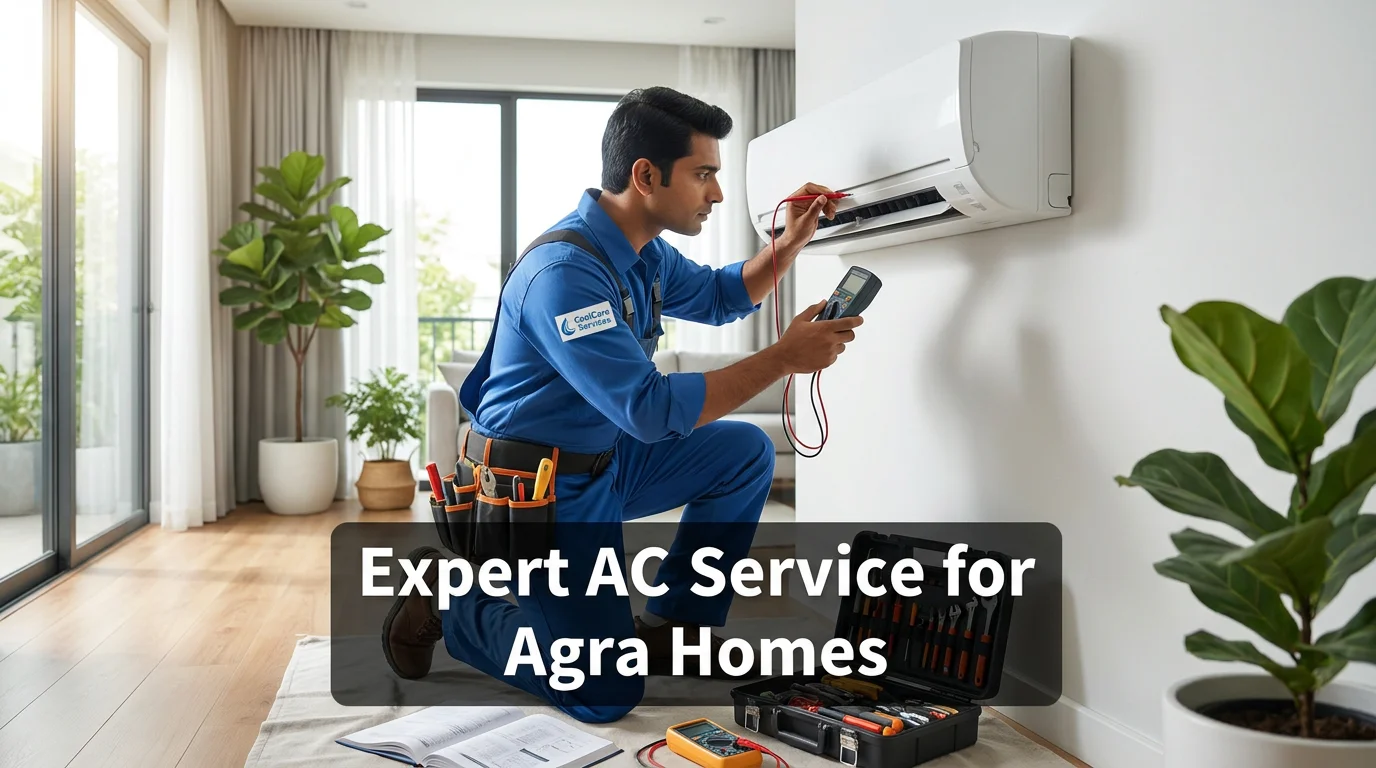
How to Choose the Right AC Repair and Service Provider in Agra for Your Home and Office
The scorching summer heat in Agra demands more than just historical monuments and cultural heritage—it requires a functional air conditioning system that works flawlessly. Whether you live near the Taj Mahal area or operate an office in the bustling Sikandra region, finding reliable AC maintenance professionals becomes crucial when temperatures soar beyond 45 degrees Celsius. The discomfort of a malfunctioning cooling system during peak summer can disrupt daily life, affect productivity, and create health concerns for family members and employees alike.
Selecting the right technician for your cooling equipment involves understanding multiple factors that separate amateur fixers from qualified professionals. Many residents and business owners in Agra face challenges identifying trustworthy service providers amid countless options available in the market. The decision becomes even more critical when you consider the investment made in premium cooling systems and the potential costs of improper repairs. A wrong choice can lead to recurring breakdowns, voided warranties, and unnecessary expenses that could have been avoided with proper research.
The air conditioner servicing industry in Agra has evolved significantly, with numerous local operators and service centers competing for customer attention. This competitive landscape offers advantages in pricing and availability but simultaneously creates confusion for consumers seeking genuine expertise. Understanding the difference between temporary fixes and comprehensive solutions requires knowledge about technical qualifications, service methodologies, and industry standards. Smart consumers now prioritize long-term reliability over short-term cost savings when selecting maintenance professionals.
This comprehensive guide addresses every aspect of choosing the best AC service Agra residents and businesses can rely on throughout the year. From verifying technician credentials to understanding pricing structures, you will discover practical insights that empower informed decision-making. The information presented draws from real customer experiences, industry practices, and technical requirements specific to the Agra region. Whether you need emergency repairs, routine maintenance, or complete system installations, these guidelines will help you navigate the selection process confidently.
By the end of this article, you will possess the knowledge needed to evaluate service providers effectively, recognize warning signs of substandard work, and establish relationships with professionals who prioritize customer satisfaction and technical excellence. The goal is to ensure your cooling investment receives proper care while avoiding common pitfalls that plague uninformed consumers in the home appliance service industry.
Understanding AC Service Requirements in Agra Climate
Agra experiences extreme weather conditions with temperatures ranging from near-freezing winters to blistering summers exceeding 45 degrees Celsius. This climatic variation places unique demands on air conditioning systems that must perform reliably during the harshest months of April, May, and June. The dust and pollution levels in urban areas add another layer of complexity, as filters and cooling coils accumulate debris faster than in cleaner environments. Regular maintenance becomes essential rather than optional for preserving system efficiency and longevity.
Split air conditioners dominate residential installations across Agra, while commercial establishments often utilize centralized systems or multiple units depending on space requirements. Window units still serve budget-conscious households, though their popularity has declined in recent years. Each system type demands specific service approaches, with split ACs requiring specialized handling of indoor and outdoor units separately. Technicians must understand refrigerant management, electrical connections, drainage systems, and computerized controls that vary across brands and models.
Seasonal service patterns in Agra typically show increased demand during March and April as residents prepare for summer heat. Proactive customers schedule pre-summer inspections to identify potential issues before they escalate into complete breakdowns during peak usage periods. Post-monsoon servicing in September helps address moisture-related problems and ensures systems remain ready for extended use. Emergency repair requests spike during May and June when unexpected failures cause maximum discomfort and urgency.
The frequency of professional servicing depends on usage patterns, environmental conditions, and system age. Residential units operating eight to ten hours daily benefit from quarterly inspections, while heavily used commercial systems may require monthly attention. Basic cleaning and filter maintenance can be performed by users between professional visits, though comprehensive servicing requires trained technicians with proper equipment. Understanding these requirements helps in establishing realistic expectations and maintenance schedules with service providers.
Local water quality also impacts air conditioner performance, particularly in split systems where condensate drainage can become problematic with hard water deposits. Agra's water hardness levels necessitate regular drain line cleaning to prevent blockages that cause water leakage inside homes. Technicians familiar with regional conditions incorporate these considerations into their service protocols, addressing location-specific challenges that generic service approaches might overlook.
Key Qualifications and Certifications to Verify
Professional competence begins with formal training in refrigeration and air conditioning technology from recognized institutions. Technicians should possess diplomas or certifications from Industrial Training Institutes or similar technical education programs that cover electrical systems, refrigerant handling, and safety protocols. While many skilled workers learn through apprenticeships, documented training provides assurance of foundational knowledge essential for complex repair situations. Asking about educational background helps gauge technical depth beyond practical experience alone.
Refrigerant handling certifications have become increasingly important as environmental regulations tighten around ozone-depleting substances and global warming potential of cooling gases. Qualified technicians should demonstrate knowledge of proper refrigerant recovery, recycling, and charging procedures that comply with current environmental standards. The transition from older refrigerants like R22 to newer alternatives like R32 and R410A requires updated knowledge that not all service providers possess. Verification of this expertise protects both your equipment and the environment.
Manufacturer-specific training adds another dimension to technician qualifications, particularly for premium or technologically advanced systems. Leading cooling equipment brands offer certification programs that educate service professionals about unique features, diagnostic procedures, and warranty requirements specific to their products. Technicians holding these credentials typically provide higher quality service and maintain better relationships with manufacturers for parts and technical support. While not always essential, such certifications indicate commitment to professional development.
Insurance coverage and licensing represent crucial legal protections often overlooked by consumers focused solely on technical skills. Legitimate service providers carry liability insurance that covers damages potentially caused during repair work, protecting homeowners from financial responsibility for accidents. Business licenses and tax registrations indicate formal establishment rather than fly-by-night operations that disappear after collecting payments. Requesting proof of these credentials before authorizing work establishes professional accountability.
Experience with diverse system types and brands builds practical problem-solving abilities that supplement formal education. Technicians who have worked on multiple brands develop broader diagnostic skills compared to those limited to single-manufacturer experience. However, specialists focusing on specific high-end brands may offer superior service for those particular systems. The ideal balance depends on your equipment type—common brands benefit from generalist expertise, while specialized systems require focused knowledge.
Evaluating Response Time and Service Availability
Emergency response capabilities matter significantly when your cooling system fails during peak summer heat or critical business hours. The best AC service Agra providers maintain rapid response teams that address urgent calls within two to four hours, understanding that cooling failures create genuine hardship in extreme weather. Twenty-four-hour availability distinguishes truly customer-focused operations from those treating service as nine-to-five business. During your initial evaluation, specifically inquire about emergency protocols and realistic response timeframes.
Regular service appointments require different availability considerations, focusing on scheduling flexibility that accommodates customer preferences. Providers offering weekend and evening appointments demonstrate respect for working professionals who cannot stay home during business hours. Online booking systems and digital communication channels enhance convenience, allowing customers to schedule services without lengthy phone calls. The ease of scheduling often correlates with overall operational efficiency and customer service quality.
Seasonal demand fluctuations test service provider capacity and organizational strength. Companies that maintain adequate technician teams handle peak season requests without excessive delays, while understaffed operations leave customers waiting days for service during critical periods. Asking about typical wait times during April and May reveals capacity planning effectiveness. Providers who hire additional seasonal staff or implement priority systems for existing customers demonstrate foresight and commitment to service standards.
Service area coverage affects response times based on geographic distance from provider bases to your location. Local operators serving specific neighborhoods often respond faster than citywide services traveling from distant workshops. However, neighborhood specialists may lack the resources and expertise of larger operations. Mapping service territories and understanding logistical realities helps set appropriate expectations regarding arrival times and service availability.
Follow-up service availability after initial repairs indicates ongoing commitment to customer satisfaction. Quality providers return promptly if issues persist after repairs without charging additional diagnostic fees for repeat visits addressing the same problem. This accountability distinguishes professionals who stand behind their work from those who view every service call as a separate transaction. Clarifying follow-up policies before engaging services prevents disputes and ensures recourse if repairs prove inadequate.
Understanding Pricing Structures and Hidden Costs
Transparent pricing begins with clear communication about diagnostic charges, service fees, and parts costs before commencing work. Reputable providers offer upfront estimates after initial assessment, explaining what each charge covers and obtaining customer approval before proceeding. Beware of technicians who begin repairs without discussing costs or provide vague estimates that balloon into unexpected bills. Written quotations protect both parties by establishing agreed-upon prices and service scope.
Standard servicing costs in Agra typically range from INR 400 to INR 800 for basic cleaning and maintenance of residential split systems, with variations based on system tonnage and service comprehensiveness. Window unit servicing generally costs INR 300 to INR 500, while centralized commercial systems command higher fees based on capacity and complexity. Gas refilling adds INR 2000 to INR 4500 depending on refrigerant type and quantity required. Understanding these baseline costs helps identify unreasonably high or suspiciously low pricing that may indicate issues.
| Service Type | Price Range (INR) | Typical Duration | Frequency Recommended |
|---|---|---|---|
| Basic Cleaning | 400-800 | 45-60 minutes | Quarterly |
| Deep Cleaning | 800-1500 | 90-120 minutes | Bi-annually |
| Gas Refilling | 2000-4500 | 60-90 minutes | As needed |
| Compressor Repair | 3000-7000 | 2-4 hours | When required |
| PCB Replacement | 2500-5500 | 60-90 minutes | When required |
| Complete Overhaul | 4000-8000 | 3-5 hours | Every 3-4 years |
Parts replacement costs vary dramatically based on component type, brand, and genuine versus aftermarket sourcing. Compressors represent the most expensive components, costing INR 5000 to INR 15000 depending on system capacity. Circuit boards range from INR 2000 to INR 6000, while fans, capacitors, and sensors typically cost under INR 2000. Insisting on genuine manufacturer parts despite higher costs often proves economical long-term by ensuring compatibility and reliability. Written documentation of parts installed with serial numbers provides warranty protection and service history records.
Hidden costs often emerge in transportation charges, multiple visit fees, or weekend surcharges not mentioned during initial quotes. Ethical providers disclose all potential charges upfront, including scenarios that might require additional work discovered during servicing. Emergency callout fees typically add INR 200 to INR 500 to standard service costs, while after-hours service may incur 50-100 percent premiums. Clarifying these aspects during initial conversations prevents unpleasant surprises when settling bills.
Annual maintenance contracts offer predictable costs and priority service compared to per-incident billing. These packages typically include three to four preventive maintenance visits annually, priority emergency response, and discounted parts replacement. Costs range from INR 2000 to INR 5000 annually per unit depending on coverage scope and system type. Evaluating contract terms carefully ensures the package matches your needs without paying for unnecessary services or accepting overly restrictive conditions.
Checking Reviews and Reputation Sources
Online review platforms provide valuable insights into customer experiences, though discerning genuine feedback from manipulated reviews requires critical evaluation. Google reviews offer the most reliable information due to verification requirements and difficulty manipulating ratings. Look for patterns across multiple reviews rather than focusing on individual extreme opinions—consistent mentions of specific strengths or weaknesses indicate genuine service characteristics. Recent reviews carry more weight than older feedback, as service quality and personnel change over time.
Social media presence and engagement demonstrate transparency and customer interaction that traditional advertising cannot replicate. Active Facebook pages or WhatsApp business accounts where providers respond to queries and complaints indicate accessibility and accountability. Customer testimonials with photos of actual work completed add credibility compared to generic endorsement statements. However, remember that social media content is controlled by providers, so balance this information with independent review sources.
Word-of-mouth recommendations from neighbors, colleagues, and community members remain highly reliable despite the digital age. People who have experienced service firsthand offer unfiltered perspectives about reliability, pricing fairness, and technical competence. Local community groups, residential society forums, and workplace discussions provide opportunities to gather such recommendations. Multiple independent recommendations of the same provider significantly increase confidence in their capabilities and trustworthiness.
Complaint resolution approaches reveal true customer service commitment when problems inevitably arise. Research how providers handle negative reviews and dissatisfied customers through their public responses and follow-up actions. Companies that acknowledge mistakes, offer solutions, and demonstrate willingness to make things right exhibit maturity and professionalism. Defensive or dismissive responses to criticism suggest problematic customer service attitudes that could affect your experience.
Industry affiliations and partnerships with cooling equipment manufacturers or industry associations indicate professional standing and commitment to standards. While not guaranteeing quality, such affiliations suggest providers invest in maintaining industry connections and staying updated on technical developments. Authorized service center status for specific brands ensures access to genuine parts, technical documentation, and manufacturer support that independent operators may lack.
Recognizing Types of AC Services Available
Preventive maintenance constitutes the foundation of air conditioner care, focusing on regular cleaning, inspection, and minor adjustments that prevent major failures. This service type includes filter cleaning or replacement, coil washing, drain line clearing, refrigerant pressure checks, electrical connection tightening, and overall performance assessment. Scheduled quarterly or seasonally, preventive maintenance extends equipment lifespan, maintains efficiency, and identifies potential problems before they cause breakdowns. The most cost-effective service approach prioritizes prevention over reactive repairs.
Breakdown repairs address specific malfunctions requiring diagnosis and corrective action to restore cooling functionality. These services range from simple fixes like capacitor replacement to complex interventions involving compressor repairs or refrigerant leak detection and repair. Emergency repair services command premium pricing due to urgency and after-hours availability requirements. Establishing relationships with reliable providers before emergencies occur ensures faster response and potentially preferential treatment during crisis situations.
Installation services encompass new system setup, relocation of existing units, and replacement of old equipment with modern systems. Proper installation quality directly affects noise levels, cooling effectiveness, and energy consumption throughout the system lifespan. Skilled installers consider factors like room size, sun exposure, electrical capacity, drainage requirements, and aesthetic preferences during setup. Poor installation creates ongoing problems that servicing cannot fully resolve.
Gas charging or refrigerant refilling specifically addresses cooling capacity loss due to refrigerant leaks or gradual depletion. Quality service includes leak detection and repair before refilling, as simply adding refrigerant without fixing leaks wastes money and harms the environment. Technicians should use proper gauges and equipment to charge systems to manufacturer-specified pressures rather than guessing based on experience alone. Overcharging or undercharging both reduce efficiency and potentially damage compressors.
Deep cleaning services go beyond routine maintenance to address heavily soiled systems or units not serviced regularly. This comprehensive approach includes complete dismantling of indoor units, high-pressure washing of coils and blowers, chemical treatment of stubborn deposits, and thorough sanitization. Particularly beneficial after extended periods without service or in dusty environments, deep cleaning restores performance closer to new conditions. Annual or bi-annual deep cleaning supplements regular maintenance for optimal system health.