

Professional Water Purification Setup Services and Expert Solutions in Delhi NCR
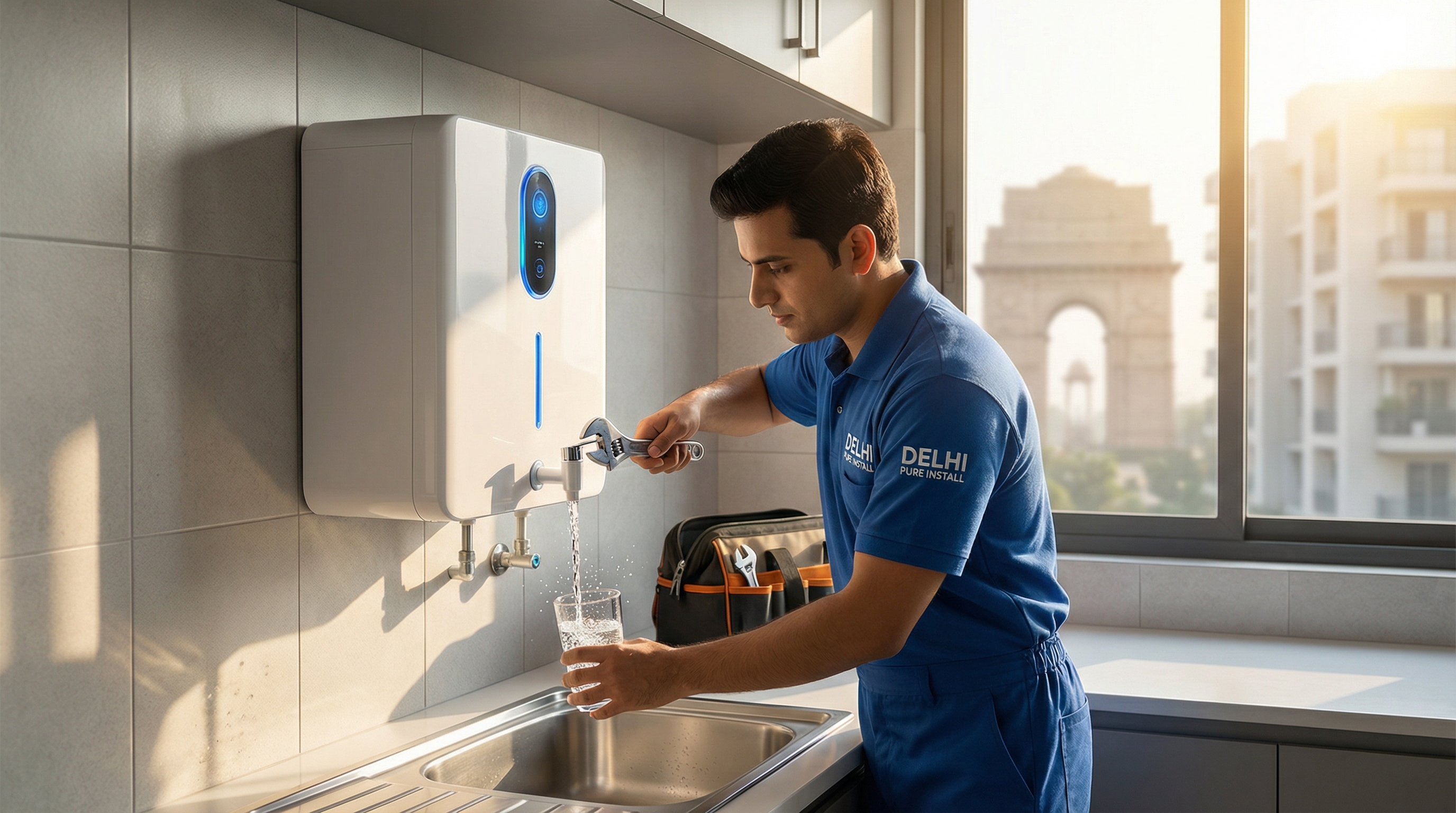
Professional RO Water Purifier Setup Services in Delhi: Complete Installation Guide
Access to clean drinking water remains a fundamental necessity for every household and commercial establishment across the Indian capital region. With increasing concerns about water quality, contamination levels, and health implications, more residents are turning toward advanced water purification systems. The process of setting up these sophisticated filtration units requires technical expertise, proper planning, and understanding of local water conditions. This comprehensive resource explores everything you need to know about getting your water purifier professionally installed, the investment involved, potential challenges you might face, and how to overcome them effectively.
Delhi's water supply comes from multiple sources including the Yamuna River, groundwater reserves, and distant reservoirs. Despite treatment at municipal facilities, the water often contains dissolved impurities, heavy metals, bacteria, and excessive TDS by the time it reaches residential taps. The quality varies significantly across different neighborhoods, with some areas experiencing hard water problems while others face chemical contamination. Understanding these local water characteristics becomes crucial when selecting and installing the right purification system for your specific location.
The capital city's unique environmental factors including extreme temperatures, frequent power fluctuations, and varying water pressure levels create additional considerations during the setup process. Professional technicians familiar with Delhi's infrastructure can navigate these challenges efficiently. Whether you live in a high-rise apartment in Dwarka, an independent house in Greater Kailash, or a commercial space in Connaught Place, the installation approach must adapt to your building's plumbing configuration, available space, and electrical connections.
Making an informed decision about water purification setup requires understanding the technical aspects, ongoing maintenance needs, and realistic cost expectations. This guide provides detailed insights into the entire process, helping you avoid common mistakes and ensuring your investment delivers safe drinking water for years to come.
Understanding the Water Purification Setup Process
The installation of a water purifier involves several critical steps that determine the system's efficiency and longevity. The process begins with a thorough assessment of your existing plumbing infrastructure, available installation locations, and water quality testing. Professional technicians typically conduct a pre-installation survey to identify the ideal mounting position, usually near the kitchen sink or in a dedicated utility area with access to water supply and drainage facilities.
The physical setup includes wall mounting or countertop placement depending on your purifier model, connecting inlet pipes to the main water supply, establishing drainage for rejected water, and ensuring proper electrical connections. High-quality fittings, food-grade pipes, and leak-proof connectors form essential components of a reliable installation. Technicians must maintain appropriate distances from heat sources, ensure adequate ventilation around the unit, and position the system at a convenient height for filter replacements and maintenance.
Water pressure plays a vital role in purifier performance. Most systems require a minimum inlet pressure of fifteen to forty pounds per square inch to function optimally. In areas with low pressure, technicians may recommend installing a booster pump. Conversely, locations with excessive pressure might need pressure regulators to prevent membrane damage. The drainage system must handle the rejected water flow efficiently, typically routed to existing kitchen drains or designated wastewater outlets.
After completing the physical connections, technicians perform system checks including leak testing, flow rate verification, and initial flushing cycles. The first few liters of filtered water are typically discarded to remove any manufacturing residues or carbon fines from new filters. Proper sanitization of storage tanks and thorough testing ensures the system delivers safe, clean water from the first use.
Investment Considerations for Professional Setup Services
The financial aspect of getting a water purifier professionally installed varies based on multiple factors including system complexity, location accessibility, and additional requirements. Basic setup services for standard under-sink models typically range from eight hundred to fifteen hundred rupees in most Delhi localities. This covers standard connections, wall mounting, and initial system testing by trained technicians.
More complex installations involving commercial systems, whole-house purifiers, or units requiring extensive plumbing modifications can cost between two thousand to five thousand rupees. Locations in high-rise buildings where technicians need to navigate multiple floors, or properties with complicated plumbing layouts, may incur additional charges. Some service providers include setup costs within the product purchase price, while others charge separately for professional installation services.
Additional expenses might arise from necessary accessories not included in the standard package. These could include extension pipes if your water source is far from the installation point, electrical point creation if no nearby outlet exists, or booster pumps for low-pressure areas. Pre-filtration units recommended for areas with extremely poor water quality add another two to five thousand rupees depending on capacity and features.
When comparing quotations from different service providers in Delhi, ensure you understand what the quoted price includes. Some technicians charge extra for travel beyond certain distances, weekend or evening appointments, or urgent same-day services. Requesting a detailed breakdown helps avoid surprise charges and allows fair comparison between providers offering RO installation service near me.
Common Challenges During Setup and Operation
Even with professional installation, several issues can emerge during initial setup or subsequent operation. Understanding these common problems helps you identify them early and seek appropriate solutions. Leakage ranks among the most frequent complaints, occurring at connection points, filter housings, or storage tank valves. These often result from improper tightening, damaged O-rings, or incompatible fittings. Quality installation using genuine spare parts significantly reduces leakage risks.
Low water output or slow filtration indicates various possible causes including clogged pre-filters, low inlet pressure, blocked flow restrictors, or exhausted membranes. In Delhi's hard water areas, membrane clogging happens faster than in regions with better water quality. Regular maintenance and timely filter replacements prevent most flow-related issues. Some residents experience complete water stoppage, usually due to air locks in the system, closed inlet valves, or malfunctioning automatic shut-off mechanisms.
Unusual taste, odor, or cloudiness in filtered water suggests filter saturation, bacterial growth in storage tanks, or contamination during installation. Post-installation, systems require proper flushing and periodic sanitization to maintain water quality. The rejected water quantity sometimes concerns users, especially in water-scarce areas. While reverse osmosis technology inherently wastes water during purification, proper system calibration and pressure optimization can improve recovery ratios.
Electrical issues including pump failures, indicator malfunctions, or complete system shutdowns often stem from voltage fluctuations common in Delhi's power supply. Installing stabilizers or opting for systems with built-in voltage protection extends equipment lifespan. Noise during operation, whether from pumps, solenoid valves, or water flow, might indicate loose components, improper mounting, or air in the lines requiring professional attention.
Different Categories of Water Purification Systems
Reverse osmosis technology forms just one category among several water purification approaches available in the market. Understanding different system types helps you select the most appropriate solution for your water quality and household needs. Gravity-based purifiers without electricity use activated carbon and sediment filters combined with ultraviolet purification, suitable for areas with low TDS levels and reliable municipal water supply.
Ultraviolet purification systems eliminate bacteria, viruses, and microorganisms through UV radiation without altering water's chemical composition or removing dissolved salts. These work effectively when water has acceptable TDS levels but microbiological contamination. UV systems require minimal maintenance, consume less electricity, and produce no wastewater, making them environmentally friendly alternatives where applicable.
Reverse osmosis systems excel in areas with high TDS, heavy metal contamination, or dissolved chemical impurities. These multi-stage systems combine sediment filtration, activated carbon adsorption, and semi-permeable membrane technology to remove up to ninety-five percent of dissolved solids. Many models incorporate UV lamps and mineralizers to further enhance water quality and taste. RO systems suit Delhi's varied water conditions especially in areas drawing from groundwater sources.
Commercial and industrial purification systems operate on similar principles but with substantially higher capacities, ranging from fifty liters to several thousand liters per hour. These installations require more complex setup procedures, dedicated electrical supplies, and robust plumbing infrastructure. Whole-house systems installed at the main water entry point treat all incoming water, protecting appliances and providing purified water at every tap, though at significantly higher installation and operational costs.
Trusted Service Providers in the Capital Region
Several established companies offer reliable water purification solutions and professional setup services across Delhi and surrounding areas. Doctor Fresh has built a reputation for prompt service and knowledgeable technicians familiar with local water conditions. Their service network covers most Delhi neighborhoods, providing timely installation and maintenance support.
RO Care India specializes in multi-brand service capabilities, offering installation and repair services for various purifier models. Their technicians receive regular training on new technologies and carry comprehensive toolkits for addressing diverse installation scenarios. Mannubhai Service Expert focuses on personalized customer service, conducting detailed water quality assessments before recommending appropriate purification solutions.
Kent remains one of India's leading water purifier manufacturers with an extensive service network across the capital. Their authorized service centers provide genuine spare parts and factory-trained technicians for installation and maintenance. Aquaguard, a pioneer in the Indian water purification industry, maintains widespread service coverage with decades of experience addressing Delhi's specific water challenges.
Aquafresh offers cost-effective purification solutions with reliable after-sales support, making clean water accessible to budget-conscious consumers. Pureit, backed by Unilever's resources, provides innovative purification technologies with emphasis on ease of use and maintenance. Blue Star leverages its cooling and air conditioning expertise to offer premium water purifiers with sophisticated features and professional installation services. LG applies its electronics manufacturing excellence to water purification, providing technologically advanced systems with comprehensive warranty coverage and service support throughout Delhi NCR.
Selecting the Right Service Provider
Choosing an appropriate installation service requires careful evaluation of several factors beyond just cost considerations. Verify that technicians possess proper training and certification for handling water purification equipment. Experienced professionals understand Delhi's plumbing standards, local water characteristics, and building regulations, ensuring compliant and effective installations.
Check service provider reviews and ratings from previous customers in your locality. Online platforms, community forums, and neighborhood groups offer valuable insights into service quality, punctuality, and problem-resolution capabilities. Established companies with physical service centers generally provide more accountability than individual technicians operating without organizational backing.
Warranty coverage for installation work protects you against defective workmanship or component failures arising from improper setup. Reputable providers offer at least ninety days to one year warranty on installation services, addressing leakages, connection problems, or setup-related malfunctions without additional charges. Clarify warranty terms before confirming your service booking.
Response time for service requests becomes crucial when your purifier malfunctions. Providers with strong local presence and adequate technician strength can typically schedule installations within twenty-four to forty-eight hours. Some companies offer expedited services for urgent requirements, though potentially at premium rates. Availability of genuine spare parts and filters through the service provider ensures convenient ongoing maintenance.
Preparing Your Home for Installation
Proper preparation before technician arrival ensures smooth installation and prevents delays or complications. Identify and communicate the preferred installation location, ensuring adequate space for the purifier unit, storage tank, and technician access during setup. Clear the area around kitchen sinks or the designated installation spot, removing stored items that might obstruct work.
Verify water supply availability and check that main valves function properly. Inform household members about the scheduled installation so they can plan water usage accordingly, as supply might need temporary disconnection during setup. Ensure electrical outlets near the installation area work correctly and provide stable power supply. If the selected location lacks nearby power points, arrange for electrical work before the plumber arrives.
If you live in a gated community or high-rise apartment, obtain necessary permissions and provide access passes for service technicians. Some residential societies require prior approval for plumbing modifications or have specific guidelines about installation procedures. Coordinating with building management prevents entry issues or installation delays.
Prepare questions about operation, maintenance schedules, and troubleshooting for the technician. Understanding your system's features, filter replacement indicators, and basic care procedures helps you maintain optimal performance. Request demonstrations of cleaning procedures, adjustment controls, and emergency shut-off mechanisms before the technician departs.
Maintenance Requirements for Long-Term Performance
Regular maintenance ensures your water purifier continues delivering clean, safe water throughout its operational life. Sediment and carbon pre-filters require replacement every six to twelve months depending on water quality and usage volume. These initial filtration stages protect the expensive reverse osmosis membrane from premature clogging and extend its lifespan.
The reverse osmosis membrane, the heart of purification systems, typically lasts two to three years with proper maintenance. However, in areas with extremely poor water quality or when pre-filters are not changed timely, membranes may need earlier replacement. Reduced water output, increased rejected water ratio, or rising TDS in filtered water indicate membrane deterioration.
Annual professional servicing includes comprehensive system inspection, sanitization of storage tanks and pipelines, checking all connections for potential leaks, and testing water quality. Technicians examine pump performance, pressure settings, and electronic components, making adjustments to optimize efficiency. This preventive maintenance identifies potential problems before they cause system failures or water quality issues.
Storage tanks require periodic cleaning to prevent bacterial growth and biofilm formation. Even with purified water input, improper tank maintenance can reintroduce contamination. Empty and sanitize storage tanks every six months using food-grade sanitizing solutions or as recommended by your system manufacturer. Replace tank valves and air filters if your system includes them, maintaining hygienic storage conditions.
Optimizing System Performance and Efficiency
Several practices help maximize your water purifier's performance and minimize operational costs. Install the system in cool, well-ventilated locations away from direct sunlight and heat sources. Excessive temperatures accelerate component wear and may affect membrane performance. Adequate ventilation prevents moisture accumulation that could damage electrical components.
Monitor and maintain appropriate inlet water pressure for optimal purification efficiency. Most systems perform best within specific pressure ranges. Install booster pumps where pressure falls below recommended levels, or pressure regulators in high-pressure situations. Correct pressure ensures adequate flow rates while minimizing membrane stress and reducing rejected water quantities.
Flush your system regularly, especially after extended non-use periods. Running water through the purifier before drawing drinking water after vacations or prolonged shutdowns removes stagnant water and prevents bacterial growth. Some advanced systems include automatic flushing features that periodically clean membranes, but manual flushing provides additional protection.
Use purified water exclusively for drinking and cooking rather than all household purposes. This focused application extends filter life and reduces overall operational costs. For tasks like washing dishes or cleaning, regular tap water suffices, reserving purified water for direct consumption needs. Educate household members about appropriate purifier use to prevent unnecessary wastage.
Water Quality Testing and Monitoring
Understanding your input water quality helps you select appropriate purification systems and maintenance schedules. Conduct comprehensive water testing before installation, analyzing parameters including TDS, hardness, pH levels, bacterial contamination, and presence of specific contaminants like arsenic, fluoride, or heavy metals. Several laboratories across Delhi offer residential water testing services at reasonable costs.
Post-installation, periodic testing verifies your purifier's effectiveness. Portable TDS meters provide quick, affordable checks of filtered water quality. While TDS alone doesn't comprehensively indicate water safety, significant increases suggest filter saturation or system malfunctions requiring attention. Compare purified water TDS with input water readings to assess removal efficiency.
For comprehensive quality assurance, conduct professional laboratory testing of purified water annually. This testing detects bacterial contamination, chemical pollutants, and other parameters not measurable through simple TDS checks. Many service providers offer testing services during annual maintenance visits, providing detailed reports about water quality and system performance.
Maintain records of water quality tests, filter replacement dates, and service visits. This documentation helps track system performance over time, identify deterioration patterns, and optimize maintenance schedules. When experiencing water quality issues, historical data assists technicians in diagnosing problems and implementing effective solutions.
Environmental Considerations and Water Conservation
Reverse osmosis purification generates rejected water containing concentrated impurities. Rather than wastage, consider this water for non-consumption purposes. Use rejected water for floor cleaning, vehicle washing, gardening, or toilet flushing. Simple plumbing modifications can route this output to storage containers for later use, significantly reducing overall water wastage.
Calculate your household's actual purified water requirements rather than oversizing your system. Larger capacity units consume more water and electricity while producing excess purified water that may remain unused. Selecting appropriately sized systems based on family size and consumption patterns optimizes resource utilization.
Energy-efficient purifiers with low power consumption reduce environmental impact and operational costs. Compare power ratings when selecting systems, favoring models with energy-saving features like efficient pumps and smart shut-off mechanisms. Some advanced purifiers incorporate solar power options, particularly suitable for Delhi's abundant sunshine.
Proper disposal of used filters and membranes prevents environmental contamination. Many manufacturers and service providers offer filter recycling programs, collecting exhausted components for responsible disposal or recycling. Participate in these programs rather than discarding filters with regular household waste, contributing to environmental sustainability.
Final Thoughts on Safe Water Access
Establishing reliable access to clean drinking water represents an essential investment in your family's health and well-being. Professional installation ensures your purification system operates efficiently, delivering consistent water quality while minimizing maintenance problems and operational costs. The capital region's diverse water quality challenges require customized solutions based on specific local conditions, household needs, and budget considerations.
While initial setup costs and ongoing maintenance require financial commitment, the health benefits of consuming properly purified water far outweigh these expenses. Waterborne diseases, long-term health effects of chemical contaminants, and medical costs associated with contaminated water consumption justify the investment in quality purification systems and professional services.
Selecting experienced service providers with proven track records in Delhi ensures proper installation and reliable ongoing support. Whether you choose established national brands or specialized local service companies, verify credentials, seek references, and understand service terms before committing. Quality installation today prevents expensive repairs, health risks, and inconvenience tomorrow.
Take proactive steps toward securing your family's access to safe drinking water. Research available purification technologies, test your water quality, compare service providers offering competitive solutions, and schedule professional installation with qualified technicians. Clean water forms the foundation of good health, making this investment one of the most important decisions for your household's wellbeing in urban environments facing increasing water quality challenges.
Frequently Asked Questions
Q - How long does professional water purifier installation typically take in Delhi?
A - Standard water purifier installation usually takes between 1.5 to 3 hours, depending on the system complexity and site conditions. Simple under-sink models with accessible plumbing connections can be completed faster, while installations requiring additional accessories like booster pumps, extended piping, or electrical work may take longer. Technicians conduct pre-installation surveys, perform physical mounting, establish water and drainage connections, and complete thorough testing before finishing the job.
Q - What factors should I consider when choosing an installation location for my water purifier?
A - The ideal installation location should have convenient access to the main water supply, a nearby drainage point for rejected water, and a stable electrical outlet within reach. The area should remain cool and well-ventilated, away from direct sunlight and heat sources that could damage components. Consider mounting height for easy filter replacement, adequate space for the storage tank, and proximity to your primary water usage area, typically the kitchen. Ensure the wall or surface can support the purifier's weight when filled with water.
Q - How can I minimize the rejected water produced by reverse osmosis purifiers?
A - Maintain optimal inlet water pressure between the manufacturer's recommended range, as incorrect pressure increases water wastage. Replace pre-filters and membranes on schedule to ensure efficient operation. Rather than viewing it as waste, repurpose rejected water for non-drinking applications like floor cleaning, gardening, vehicle washing, or toilet flushing. Install simple plumbing modifications to collect this water in separate containers for household use, significantly reducing actual wastage while maintaining purification effectiveness.
Q - What are the warning signs that my water purifier needs professional servicing?
A - Watch for reduced water flow or output despite adequate inlet supply, unusual tastes or odors in filtered water, visible leakage at connection points or filter housings, and increased TDS readings in purified water. Strange noises during operation, frequent pump cycling, or system shutdowns indicate potential issues. If your purifier hasn't been serviced in over a year or filter replacement indicators activate, schedule professional maintenance. Cloudy or discolored filtered water requires immediate attention to prevent health risks from compromised purification.