

7 Warning Signs Your Washing Machine Needs Immediate Professional Repair
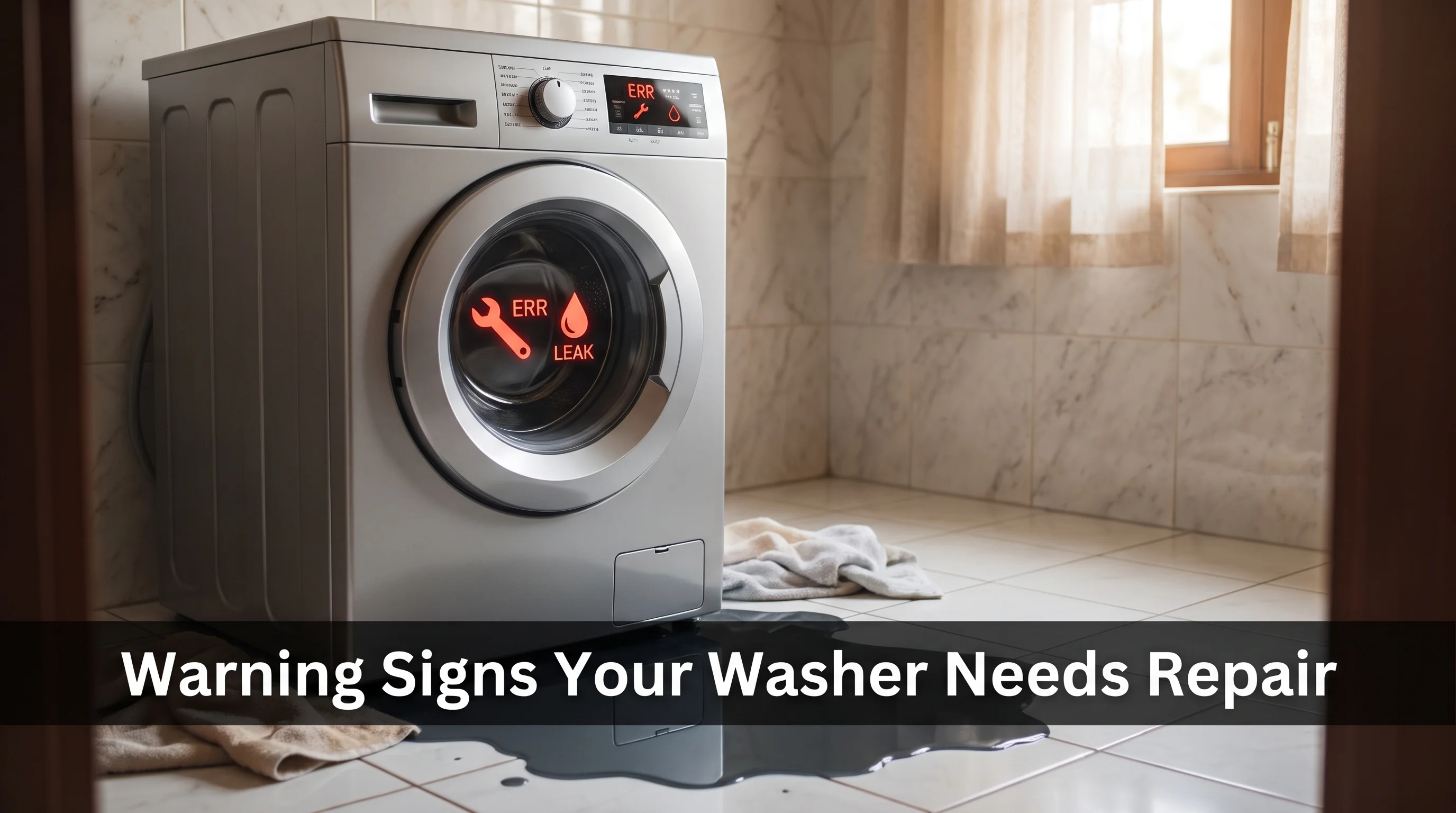
7 Warning Signs Your Washing Machine Needs Immediate Professional Repair
Your washing machine is one of the most hardworking appliances in your home, handling load after load of laundry day in and day out. Like any mechanical device subjected to constant use, washing machines eventually show signs of wear and tear that require professional attention. Recognizing these warning signs early can prevent complete breakdowns, costly emergency repairs, and potential damage to your clothes or home. For homeowners in Haryana and across India, understanding when to call for a Washing Machine Repair Service in Rewari or your local area can save you significant time, money, and frustration.
Many people ignore minor issues with their washing machines, hoping the problem will resolve itself or that they can push through just one more wash cycle. This approach often backfires, transforming a simple repair into a major replacement situation. Professional technicians consistently report that most catastrophic washing machine failures could have been prevented if owners had addressed the early warning signs. Whether you own a top-loading traditional machine or a modern front-loading washer, being alert to unusual behaviors and performance issues is crucial for maintaining your appliance's longevity.
Modern washing machines, while more efficient and feature-rich than older models, are also more complex with electronic controls, sensors, and sophisticated mechanisms. This complexity means that DIY repairs are often not advisable, and professional diagnosis becomes essential. The good news is that washing machines typically give clear signals before failing completely. From strange noises and excessive vibrations to water leakage and drainage problems, these machines communicate their distress in various ways that attentive owners can recognize.
In this comprehensive guide, we will explore seven critical warning signs that indicate your washing machine requires immediate professional intervention. Understanding these signs will help you make informed decisions about when to schedule repairs, what questions to ask technicians, and how to prevent minor issues from escalating into expensive disasters. Whether you are searching for washing machine repair near me or specifically need expert service in your area, knowing these warning signs empowers you to act quickly and protect your investment.
The cost of ignoring these warning signs often extends beyond the appliance itself. Water damage from leaking machines can ruin flooring, cause mold growth, and damage surrounding cabinetry. Electrical issues can pose fire hazards. Mechanical failures can tear or permanently stain your clothing. By recognizing and responding to these seven warning signs, you protect not just your washing machine but your home, your belongings, and your family's safety.
Excessive Vibration and Shaking During Operation
One of the most noticeable and concerning warning signs is when your washing machine begins vibrating excessively or literally walks across the floor during the spin cycle. While some vibration is normal, especially during high-speed spinning, excessive movement that causes the machine to shift position or creates loud banging noises against walls or nearby appliances indicates a serious problem requiring professional attention.
Several underlying issues can cause excessive vibration. An unbalanced load is the most common and easily fixable cause, but if rebalancing clothes doesn't solve the problem, deeper mechanical issues are likely at play. Worn suspension springs or shock absorbers, which cushion the drum's movement during spinning, gradually deteriorate over time. These components are designed to dampen the natural motion of the rotating drum, and when they fail, the machine loses its stability. Professional technicians from a Washing Machine Repair Service in Kolar can properly diagnose whether these parts need replacement.
Another frequent cause of excessive vibration is damaged or worn drum bearings. The drum bearing supports the inner drum and allows it to rotate smoothly. When bearings wear out, you'll typically hear a loud rumbling or grinding noise accompanying the vibration, especially during the spin cycle. Bearing replacement requires specialized knowledge and tools, making it essential to contact professional repair services rather than attempting a DIY fix. Ignoring worn bearings can lead to complete drum seizure, requiring full machine replacement instead of a comparatively affordable repair.
The concrete counterweights attached to the drum can also become loose or cracked over time. These heavy blocks are designed to stabilize the machine during operation, and any damage to them significantly affects washing machine balance. Additionally, an unlevel washing machine installation contributes to vibration problems. While adjusting leveling feet seems simple, ensuring proper leveling requires precision that professionals bring to every service call.
Excessive vibration damages not only the washing machine itself but also your home's structure and flooring. Continuous shaking can crack tiles, damage wooden floors, and even affect plumbing connections. The vibration can also loosen internal electrical connections, creating potential fire hazards. When you notice your machine vibrating more than usual, scheduling immediate professional inspection protects both your appliance and your home from progressive damage.
Strange Noises That Weren't There Before
Washing machines operate with characteristic sounds that become familiar over time, but when new or unusual noises emerge, they signal that something inside your machine needs professional attention. Different sounds indicate different problems, and understanding what you're hearing helps communicate effectively with repair technicians. From grinding and squealing to banging and clicking, each noise tells a story about what's failing inside your appliance.
Grinding or rubbing sounds typically indicate worn drum bearings or problems with the drive belt. As mentioned earlier, drum bearings allow smooth drum rotation, and when they deteriorate, metal-on-metal contact creates harsh grinding noises. This sound often becomes progressively louder over weeks or months and is especially noticeable during the spin cycle. Drive belt issues produce similar sounds when the belt becomes worn, cracked, or misaligned. These rubber belts connect the motor to the drum, and their degradation is a natural result of years of use.
Squealing or screeching noises often point to motor problems or issues with pulleys and belts. A worn motor bearing, damaged pulley, or excessively tight or loose belt can all create high-pitched sounds during operation. These noises shouldn't be ignored, as motor failures can be among the more expensive repairs if allowed to progress. Early intervention by a Washing Machine Repair Service in Kanpur or your local area can often prevent complete motor replacement by addressing the specific component causing the noise.
Banging or clanking sounds usually indicate foreign objects trapped between the inner and outer drums, loose components inside the machine, or severely unbalanced loads. Coins, keys, small clothing items, or broken parts can create alarming banging sounds as they're tossed around during the wash and spin cycles. While sometimes these objects can be safely removed, accessing the space between drums often requires partial disassembly best performed by professionals. Attempting to remove trapped objects without proper knowledge can damage drum seals or other components.
Clicking or buzzing sounds may signal electrical problems, faulty timers, or issues with the machine's control board. Modern washing machines use sophisticated electronic controls, and unusual electrical sounds warrant immediate professional attention to prevent potential fire hazards. Humming without drum movement could indicate a seized motor or transmission problem. Never ignore new sounds from your washing machine, as they almost always indicate developing problems that will worsen without intervention.
Water Leakage Around or Under the Machine
Discovering water pooling around or under your washing machine is an urgent warning sign that demands immediate professional repair. Water leakage not only wastes this precious resource and increases your utility bills but also poses serious risks to your home's structure, electrical systems, and health through potential mold growth. Identifying the source of leaks and addressing them quickly prevents extensive water damage and costly home repairs.
Multiple factors can cause washing machine leaks. Door seal problems are common in front-loading machines, where the rubber gasket around the door opening can develop tears, cracks, or mold buildup that compromises its waterproof seal. This seal experiences constant stress from opening and closing, temperature variations, and chemical exposure from detergents. When damaged, water escapes during wash cycles, especially during agitation or spinning when water pressure against the seal increases. Professional technicians can determine whether cleaning, adjustment, or complete seal replacement is necessary.
Hose connections represent another frequent leak source. Washing machines have multiple hoses: inlet hoses supplying fresh water and drain hoses carrying wastewater away. Over time, the rubber in these hoses deteriorates, connections loosen, or the hoses themselves crack or burst. Inlet hose failures are particularly problematic because they remain under constant water pressure, meaning a burst can flood your home rapidly. Regular inspection of hoses is advisable, but when leaks occur, professional replacement ensures proper installation and prevents recurrence.
Internal component failures also cause leaks. The water pump, which drains water from the machine, can develop cracks or loose seals. The tub seal, which prevents water from leaking out of the drum assembly, can wear out over time. Damaged internal hoses, loose clamps, or cracked tubs are all potential culprits. Diagnosing internal leaks requires expertise and often partial disassembly of the machine, making professional service essential rather than optional.
Sometimes leaks appear intermittent, occurring only during specific cycles or water levels. These can be particularly challenging to diagnose without professional equipment and experience. Detergent drawer leaks in front-loading machines, drain pump filter leaks, or pressure switch problems can all cause occasional water escape. If you're searching for washing machine repair near me because of leaking issues, acting quickly prevents the secondary damage that often exceeds the cost of the primary repair.
The location of water pooling provides clues about the leak source. Water at the front typically indicates door seal issues in front-loaders or overflow problems in top-loaders. Water at the back suggests hose connection problems. Water underneath often points to drain pump or tub seal failures. Regardless of location, all leaks require professional diagnosis and repair to protect your home and appliance investment.
Failure to Drain Properly or Complete Cycles
When your washing machine fails to drain water completely, leaving your clothes sitting in a tub of dirty water, or when cycles don't complete as programmed, you're facing problems that require professional repair expertise. These issues indicate malfunctions in the drainage system, control mechanisms, or mechanical components that regulate washing machine operation. Left unaddressed, drainage and cycle completion problems render your machine essentially useless and can cause unpleasant odors and clothing damage.
Drainage problems most commonly stem from clogged drain pumps or blocked drain hoses. The drain pump is responsible for pushing water out of the machine after wash and rinse cycles. Lint, small clothing items, coins, and detergent residue accumulate in the pump over time, eventually blocking water flow. While some machines have accessible drain pump filters that homeowners can clean, many models require professional access to thoroughly clean or replace the pump. A Washing Machine Repair Service in Mumbai can properly diagnose whether cleaning suffices or pump replacement is necessary.
Kinked or clogged drain hoses prevent proper water evacuation even when the pump functions correctly. The drain hose can become twisted behind the machine, compressed against walls, or internally blocked by accumulated debris. Additionally, the standpipe or sink into which your washing machine drains might be clogged, causing water backup into the machine. Professional technicians can distinguish between washing machine problems and household plumbing issues, ensuring the correct repair approach.
Control board malfunctions and sensor failures also prevent cycle completion. Modern washing machines use electronic controls and various sensors to monitor water level, temperature, load balance, and cycle progression. When these components fail, the machine may stop mid-cycle, repeat cycles endlessly, or skip cycle stages entirely. The lid switch or door lock mechanism, which ensures the machine only operates when properly closed, can malfunction and halt cycles. These electronic and electrical issues require diagnostic equipment and expertise beyond typical homeowner capabilities.
Mechanical failures like broken drive belts, worn clutches, or transmission problems can also prevent cycle completion. If the drum doesn't agitate or spin despite the machine running, these mechanical components are likely culprits. The symptoms might include the motor running but the drum remaining stationary, or unusual noises accompanying failed spin cycles. These repairs involve significant disassembly and mechanical knowledge, making professional service essential.
Incomplete cycles waste water, electricity, and detergent while leaving you with unwashed clothes and ongoing frustration. They also indicate progressive failures that will eventually render your machine completely inoperable. Whether you need Washing Machine Repair Service in Kota, or local assistance elsewhere, addressing drainage and cycle completion issues quickly prevents total appliance failure and the inconvenience of being without this essential household appliance.
Unpleasant Odors Coming From the Machine
Persistent foul odors emanating from your washing machine signal problems that extend beyond mere inconvenience, potentially affecting your clothing cleanliness and household hygiene. While some odors result from simple maintenance neglect, others indicate mechanical or drainage issues requiring professional intervention. Understanding the source of washing machine odors helps determine whether DIY cleaning suffices or professional repair is necessary to resolve the underlying problem.
Mold and mildew growth inside the machine is the most common odor source, particularly in front-loading washers. The rubber door seal, detergent drawer, and areas around the drum provide dark, damp environments where mold thrives. Regular cleaning with appropriate products can prevent this buildup, but when odors persist despite cleaning efforts, mold may have penetrated areas inaccessible to regular cleaning. Professional deep cleaning or component replacement might be necessary to eliminate established mold colonies.
Standing water that fails to drain completely creates ideal conditions for bacterial growth and foul odors. This water typically accumulates because of drainage problems discussed earlier. When water remains in the tub, pump, or internal hoses between uses, bacteria multiply and produce sewage-like smells that transfer to your clothing during wash cycles. Addressing the underlying drainage issue through professional repair eliminates both the standing water and the resulting odor problem.
Clogged drain pumps and filters harbor decomposing organic matter that produces extremely unpleasant smells. Lint, hair, small fabric pieces, and soap scum accumulate in these areas, creating a putrid mixture. While some washing machines have user-accessible filters requiring regular cleaning, others necessitate professional service to access and clean drainage system components thoroughly. If you've cleaned accessible areas but odors persist, internal blockages likely require professional attention.
Faulty or damaged drain hoses can also cause odor problems. Cracks or holes in drain hoses allow wastewater to seep into areas around and under the machine, creating hidden puddles that smell terrible and potentially cause water damage. Additionally, improper drain hose installation can create traps where water and debris accumulate, fostering bacterial growth and odors. Professional inspection identifies these hidden problems that homeowners typically cannot see without moving and partially disassembling the machine.
Detergent and fabric softener buildup, while often addressed through cleaning cycles, sometimes becomes so severe that professional cleaning or component replacement is necessary. Excessive product use over time creates thick residues coating internal components, particularly in machines without self-cleaning cycles. These residues harbor bacteria and emit musty odors. Professional technicians use specialized cleaning agents and techniques to remove stubborn buildup that regular cleaning cycles cannot eliminate.
Persistent odors despite regular cleaning indicate problems beyond simple maintenance issues. When searching for the best washing machine repair service in India, finding technicians who understand both mechanical failures and hygiene issues ensures comprehensive problem resolution. Don't allow odor problems to continue, as they indicate conditions that compromise both your washing machine's function and your clothing's cleanliness.
Electrical Issues and Control Panel Malfunctions
Electrical problems and control panel malfunctions in washing machines present serious safety hazards alongside operational inconveniences, making immediate professional repair absolutely essential. These issues range from minor annoyances like unresponsive buttons to dangerous situations like burning smells or visible sparks. Never ignore electrical warning signs, as they can lead to fires, electric shocks, or complete appliance failure requiring expensive replacement rather than affordable repair.
Control panel failures manifest in various ways. Buttons or touchscreen controls may become unresponsive, require multiple presses to register, or activate functions other than those selected. The display might show error codes, flicker, remain blank, or display incorrect information. These symptoms indicate problems with the control board itself, connections between the panel and main control board, or individual switches and sensors. Modern washing machines rely heavily on these electronic controls, so malfunctions severely impact functionality.
Learn more about preventative appliance maintenance to extend your washing machine's lifespan and avoid unexpected breakdowns. Understanding these warning signs helps you make informed decisions about when to call a professional versus attempting minor fixes yourself. Explore further resources on appliance care to protect your investment and keep your laundry routine running smoothly for years to come.
Related Blogs
- How to Get the Best deal for the Air Conditioner
- Professional Water Purification Setup Services and Expert Solutions in Delhi NCR
- Complete Guide to Air Conditioning Maintenance and Repair Solutions in Mumbai
- Complete Guide to Air Conditioning Setup and Service Solutions in Mumbai
- Understanding Professional Refrigerator Maintenance Services in Mumbai: A Complete Guide