

How Do You Know When Your Microwave Oven Needs Expert Repair?
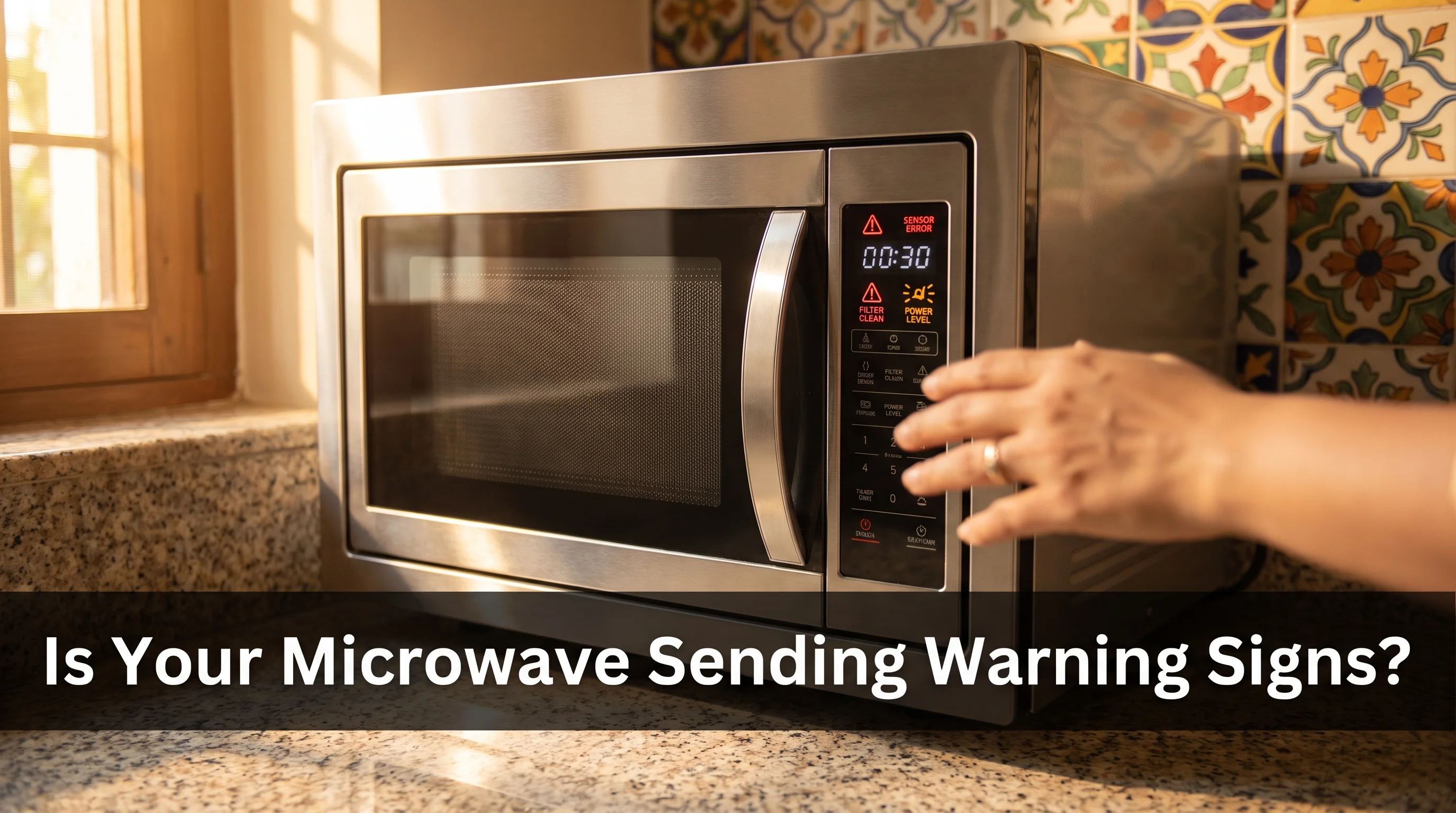
How Do You Know When Your Microwave Oven Needs Expert Repair?
Your microwave oven has become an indispensable appliance in your kitchen, heating everything from morning chai to midnight snacks in just minutes. However, like any electronic device, microwaves can develop problems that require professional attention. Recognizing the warning signs early can save you money, prevent potential safety hazards, and extend the lifespan of your appliance. Whether you own a basic model or a high-end convection microwave, understanding when to seek a Microwave Oven Repair Service in Gurgaon or your local area is crucial for maintaining kitchen efficiency.
Many homeowners ignore subtle symptoms that indicate their microwave is struggling to function properly. What starts as a minor inconvenience can quickly escalate into a complete breakdown or, worse, a safety risk. The average microwave oven in Indian households operates for several hours daily, heating food for families, students, and working professionals. This constant usage naturally leads to wear and tear on internal components like magnetrons, capacitors, diodes, and control panels.
In 2026, with advanced microwave technology featuring inverter systems, sensor cooking, and smart connectivity, the complexity of these appliances has increased significantly. While modern microwaves offer better performance and energy efficiency, they also require specialized knowledge for proper diagnosis and repair. A qualified technician providing professional microwave repair services understands the intricate electrical systems, safety mechanisms, and manufacturer specifications needed to restore your appliance to optimal working condition.
This comprehensive guide will help you identify the telltale signs that your microwave needs expert repair rather than simple troubleshooting. From unusual sounds and burning smells to heating inconsistencies and electrical issues, we will explore the most common symptoms that demand professional intervention. Understanding these warning signals empowers you to take timely action, preventing minor problems from developing into costly replacements.
By the end of this article, you will know exactly when to contact a certified repair technician, what symptoms to never ignore, and how professional repair services can restore your microwave's functionality safely and efficiently. Let us examine the critical indicators that signal your microwave oven requires expert attention.
Strange Noises During Operation
One of the most noticeable signs that something is wrong with your microwave is unusual sounds during operation. While microwaves naturally produce some humming or buzzing sounds, certain noises indicate serious internal problems. A grinding noise often suggests that the turntable motor or roller guide has failed or become obstructed by food debris. This component is essential for even heating, and continued operation with a damaged motor can lead to further complications.
Loud popping or crackling sounds are particularly concerning as they may indicate electrical arcing inside the microwave cavity. This occurs when metal objects are accidentally placed inside, when the waveguide cover becomes damaged or dirty, or when the internal paint coating has chipped away exposing bare metal. Arcing creates sparks that can damage the magnetron, the most expensive component to replace. If you notice these sounds accompanied by visible sparks, immediately stop using the appliance and seek a Microwave Repair Service in Bhagalpur or your nearest location.
Rattling or vibrating noises that develop over time typically point to loose mounting brackets, worn-out stirrer fans, or deteriorating door hinges. The stirrer fan helps distribute microwave energy evenly throughout the cooking chamber, and when it becomes loose or damaged, food heats unevenly. These mechanical issues require disassembly and component replacement that only trained technicians should perform.
High-pitched squealing sounds often indicate a failing magnetron, the heart of your microwave that generates electromagnetic waves. As magnetrons age or become damaged, they produce increasingly loud noises before eventually failing completely. Given that magnetron replacement constitutes a major repair requiring specialized tools and knowledge, this symptom warrants immediate professional attention from a Microwave Repair Service in Ranchi or other qualified service providers.
Clicking sounds when pressing buttons but no operation following may suggest control board issues or faulty door switches. Modern microwaves have multiple safety interlock switches that prevent operation when the door is not properly sealed. When these switches malfunction, the microwave either refuses to start or operates with the door slightly ajar, creating a serious radiation leakage risk. Never attempt to bypass safety mechanisms; instead, contact expert repair services immediately.
Heating Problems and Inconsistent Performance
Heating issues represent the most common complaint among microwave users and one of the clearest indicators that professional repair is needed. If your microwave runs for the set time but leaves food cold or only partially heated, the magnetron may be failing or the high voltage capacitor could be defective. These components work together to generate and regulate microwave energy, and when either fails, heating performance drops dramatically.
Uneven heating patterns where some portions of food become extremely hot while others remain cold suggest problems with the turntable mechanism, stirrer fan, or waveguide system. While minor unevenness is normal in all microwaves, extreme temperature variations indicate that microwave energy is not distributing properly throughout the cavity. A qualified Microwave Repair Service in Bijnor can diagnose whether the issue stems from mechanical components or more serious electrical problems.
Some microwaves develop a problem where they heat for a short period before stopping, even though the timer continues counting down. This symptom often points to thermal cutoff issues or magnetron overheating. The thermal cutoff is a safety device that shuts down the magnetron when it exceeds safe operating temperatures. If this component becomes overly sensitive or the magnetron runs too hot due to ventilation problems, the microwave will cycle on and off repeatedly.
Decreased heating power over time is another common issue that many users initially dismiss as normal aging. However, microwaves should maintain consistent power output throughout their lifespan. Gradual power loss typically indicates degrading components like the magnetron, diode, or capacitor. Professional diagnostics can identify which component has failed and whether repair is economically sensible compared to replacement.
Microwaves that take significantly longer to heat food than previously also signal internal problems. If reheating a cup of chai now takes three minutes instead of the usual one minute, the magnetron efficiency has likely decreased or voltage supply issues have developed. The Microwave Repair Service in Lucknow and similar professional services use specialized equipment to measure actual power output and identify the exact cause of performance degradation.
Display Panel and Control Malfunctions
The control panel serves as the interface between you and your microwave's internal systems. When this component malfunctions, it manifests in various frustrating ways. A completely blank display despite the microwave being plugged in suggests either a blown fuse, tripped circuit breaker, or failed control board. While checking the power supply and circuit breaker are simple DIY steps, a persistently blank display requires professional diagnosis to determine if the control board needs replacement.
Flickering or dimming displays indicate loose connections, failing LED backlights, or voltage regulation problems within the control board. This symptom often appears intermittently at first, working normally some days and malfunctioning others. As the problem progresses, the display may become permanently dim or sections may stop illuminating entirely. Modern touchpad controls are particularly sensitive to moisture damage and electrical surges, making them prone to failure in humid climates common across Indian cities.
Unresponsive buttons or touchpads that require multiple presses to register represent another common control issue. This problem stems from membrane switch deterioration, dirt accumulation under the keypad, or control board circuit failures. When only specific buttons stop working, membrane replacement may suffice, but widespread unresponsiveness typically indicates control board failure. A Microwave Repair Service in Kanpur can determine whether cleaning, repair, or replacement offers the best solution.
Error codes appearing on the display provide valuable diagnostic information about specific problems. Modern microwaves include self-diagnostic systems that detect faults and display corresponding codes. Each manufacturer uses different coding systems, so professional technicians with access to service manuals can quickly identify what each code means and the required repair procedure.
Random number displays, buttons activating by themselves, or the microwave starting without input suggest serious control board malfunctions or electromagnetic interference issues. These symptoms indicate that the microwave's computerized controls have become unreliable, potentially leading to safety hazards. Since control board repairs involve working with sensitive electronic components and require programming skills, this is not a DIY project. Professional microwave oven repair services have the tools, replacement parts, and expertise to restore proper control functionality.
Door Issues and Safety Concerns
The microwave door performs the critical safety function of containing electromagnetic radiation within the cooking cavity. Any damage to the door assembly represents a serious health hazard requiring immediate professional attention. Visible damage like cracks in the glass, bent door frames, or broken hinges compromises the door's radiation shielding and violates safety standards. Never operate a microwave with door damage; instead, immediately contact qualified repair technicians for emergency repair.
Doors that do not close properly or require force to latch indicate hinge wear, latch mechanism failure, or frame misalignment. Modern microwaves include multiple interlock switches that prevent operation unless the door seals completely. When these switches malfunction, the microwave either refuses to start or, dangerously, operates with inadequate door sealing. Both situations require professional repair to restore proper safety function.
The door seal, also called the choke seal, is a specialized gasket that prevents microwave energy leakage around the door perimeter. Over time, this seal can deteriorate, become hard and brittle, or accumulate burnt food residue that prevents proper sealing. While cleaning the seal is part of regular maintenance, a damaged or deteriorated seal needs professional replacement. Technicians use specialized materials designed specifically for microwave radiation containment when replacing door seals.
Excessive condensation forming on the door's interior surface during operation may indicate ventilation problems or seal deterioration. While some condensation is normal when heating liquids, excessive moisture suggests that steam cannot escape properly through the vent system. This problem can lead to control panel damage if moisture seeps into electronic components. Professional inspection can determine whether vent cleaning, seal replacement, or both are necessary.
If you can feel warmth around the door perimeter while the microwave operates or if fluorescent lights flicker nearby during use, radiation leakage may be occurring. This serious safety issue requires immediate shutdown and professional inspection. Certified repair technicians use electromagnetic field meters to detect and measure any radiation leakage, then perform necessary repairs to restore safe operation standards.
Electrical Problems and Circuit Issues
Electrical symptoms often indicate serious internal problems requiring expert diagnosis and repair. If your microwave trips the circuit breaker when starting, draws excessive current, or causes lights to dim when operating, internal short circuits or component failures may be present. The high voltage components inside microwaves, including the transformer, capacitor, and diode, can develop short circuits that draw dangerous current levels.
Burning smells emanating from the microwave, particularly electrical or plastic odors, signal overheating components or wire insulation breakdown. Unlike food burning smells that come from spills on heating elements, electrical burning odors indicate serious safety hazards. Immediately unplug the microwave and contact professional repair services, as continued operation could lead to electrical fires. Expert technicians provide emergency diagnostic services for such critical situations.
Sparking inside the microwave cavity not caused by metal objects suggests serious problems with the waveguide cover, cavity paint, or internal components. The waveguide cover is a translucent sheet that protects the magnetron antenna opening while allowing microwaves to enter the cooking chamber. When this cover becomes burnt, cracked, or coated with grease, electrical arcing occurs. While waveguide cover replacement is relatively straightforward, the underlying cause must be identified to prevent recurrence.
Power surges or voltage fluctuations can damage sensitive electronic components within the microwave control system. If your microwave stopped working after a power outage or thunderstorm, internal fuse failure or control board damage is likely. Professional technicians can test components like the ceramic fuse, thermal fuse, and voltage regulator to identify damaged parts requiring replacement.
Microwaves that work intermittently, functioning properly sometimes but failing at other times, present challenging diagnostic problems. Intermittent issues often stem from loose connections, cold solder joints on circuit boards, or components that fail when they reach certain temperatures. These problems require systematic testing by experienced technicians who understand microwave electrical systems and can identify subtle connection issues that escape casual inspection.
When to Choose Professional Repair Over DIY
Many homeowners wonder whether microwave repairs are DIY projects or require professional expertise. The answer depends on the specific problem and your technical knowledge. Simple issues like cleaning the interior, replacing the turntable glass, or checking the power outlet are appropriate DIY tasks. However, anything involving internal components, electrical systems, or safety mechanisms requires professional microwave oven repair service expertise.
Microwaves contain high voltage capacitors that retain dangerous electrical charges even when unplugged. These capacitors can store lethal voltages for days or weeks after disconnection, making internal work extremely hazardous for untrained individuals. Professional technicians follow specific discharge procedures and use insulated tools to work safely on high voltage components. Attempting DIY repairs without proper training and equipment can result in fatal electric shock.
Specialized tools and equipment necessary for proper microwave diagnosis include microwave leakage detectors, high voltage probes, capacitance meters, and manufacturer-specific service manuals. Professional repair services invest in these tools and maintain relationships with parts suppliers, enabling them to obtain genuine replacement components. Using incorrect or generic parts can compromise safety and performance.
The complexity of modern microwave technology has increased substantially compared to older models. Inverter microwaves, sensor cooking systems, convection combination units, and smart connectivity features require specialized knowledge for repair. Professional services employ technicians who receive ongoing training on new technologies and have access to manufacturer technical support when encountering unusual problems.
Consider the cost-benefit analysis when deciding between repair and replacement. Professional technicians can provide accurate repair cost estimates after diagnosing the problem, helping you make informed decisions. For newer microwaves or premium models, repair typically makes economic sense. However, for basic models older than seven years with major component failures, replacement might be more cost-effective. Professional services provide honest assessments rather than pushing unnecessary repairs.
Preventive Maintenance and Care Tips
Regular maintenance significantly reduces the likelihood of major microwave problems and extends appliance lifespan. Clean the interior weekly using a damp cloth and mild detergent, paying special attention to the ceiling, sides, and door seal area. Hardened food splatters absorb microwave energy, causing hot spots that can damage internal components. A simple cleaning routine prevents most common problems.
Inspect the waveguide cover monthly for signs of burning, cracking, or grease accumulation. This inexpensive component protects the magnetron from food splatters and can be replaced easily by professionals during routine service calls. Keeping it clean and intact prevents costly magnetron damage.
Ensure proper ventilation by maintaining clear air vents on all sides of the microwave. Built-in and over-range models require adequate clearance for heat dissipation. Blocked vents cause overheating, triggering thermal cutoffs and potentially damaging electronic components. Position countertop models with at least three inches of clearance on all ventilated sides.
Use microwave-safe containers exclusively and never operate the appliance empty. Running a microwave without food or liquid inside can damage the magnetron due to reflected energy. Similarly, metallic containers, aluminum foil, and utensils with metal trim cause arcing that damages internal components. Following manufacturer guidelines for safe operation prevents most user-caused damage.
Schedule professional inspection and maintenance every two years, especially for heavily used microwaves. Routine service calls allow technicians to identify developing problems before they cause complete failure, clean internal components not accessible during regular use, and verify that safety mechanisms function properly.
When to Call for Professional Microwave Repair
Your microwave oven works hard every day, but certain warning signs indicate it's time for expert intervention. Watch for unusual noises like grinding or buzzing, sparking inside the chamber, the door failing to seal properly, inconsistent heating patterns, or the control panel becoming unresponsive. If your microwave takes significantly longer to heat food, emits burning smells, or the turntable stops rotating, these are red flags requiring professional diagnosis. Stay informed about your appliance's health to discover how timely repairs can prevent costly replacements and ensure kitchen safety. Learn more about microwave maintenance to keep this essential appliance running efficiently for years.
Related Blogs
- How to Get the Best deal for the Air Conditioner
- Professional Water Purification Setup Services and Expert Solutions in Delhi NCR
- Complete Guide to Air Conditioning Maintenance and Repair Solutions in Mumbai
- Complete Guide to Air Conditioning Setup and Service Solutions in Mumbai
- Understanding Professional Refrigerator Maintenance Services in Mumbai: A Complete Guide