

What Are the Warning Signs That You Need a Professional Geyser Repair Service?
What Are the Warning Signs That You Need a Professional Geyser Repair Service?
When winter arrives in India, your geyser becomes one of the most essential appliances in your home. Whether you live in Delhi, Mumbai, or any other city experiencing cold weather, a functioning water heater is not just about comfort but also about maintaining proper hygiene and health. However, like any electrical appliance, geysers can develop problems over time. Recognizing the warning signs early can save you from unexpected cold showers, hefty repair bills, and potential safety hazards. Many homeowners delay calling for a Geyser Repair Service in Delhi until their unit completely breaks down, which often results in more expensive repairs or even complete replacement.
Understanding when your geyser needs professional attention is crucial for maintaining its efficiency and longevity. Modern geysers, whether electric or gas-powered, are sophisticated appliances with complex internal components including heating elements, thermostats, pressure valves, and insulation layers. When any of these components malfunction, they can trigger a cascade of problems that affect the entire unit. The key is to identify these warning signs early and seek expert intervention before minor issues escalate into major failures.
In this comprehensive guide, we will explore the critical warning signs that indicate you need a professional Geyser Repair Service in Kanpur or your local area. From unusual noises and water discoloration to fluctuating temperatures and visible leaks, each symptom tells a story about what might be going wrong inside your water heater. We will also discuss why professional repair is essential, the risks of ignoring these signs, and how regular maintenance can prevent many common geyser problems.
Whether you own a storage water heater, an instant geyser, or a solar water heating system, this article will help you make informed decisions about when to call for professional help. Remember, timely intervention by qualified technicians can extend your geyser's lifespan by several years and ensure safe operation for your entire household. The cost of professional repair services is always significantly lower than the expense of emergency replacements or dealing with water damage to your property.
By the end of this article, you will have a clear understanding of the warning signs that demand immediate professional attention, enabling you to protect your investment and ensure uninterrupted access to hot water throughout the year.
Strange Noises Coming from Your Geyser
One of the earliest and most noticeable warning signs that your geyser needs professional attention is unusual sounds emanating from the unit. A properly functioning water heater should operate relatively quietly, with only minimal sounds during heating cycles. However, when you start hearing popping, rumbling, hissing, or banging noises, it indicates underlying problems that require immediate inspection by a Geyser Repair Service in Gurgaon or your local area.
Popping or rumbling sounds typically indicate sediment buildup at the bottom of your storage tank. In areas with hard water, which is common across many Indian cities including Delhi, Kanpur, and Gurgaon, mineral deposits accumulate over time. These sediments create a barrier between the heating element and water, causing the element to overheat and the water trapped beneath the sediment to boil, producing characteristic popping sounds. This not only reduces heating efficiency but also accelerates wear on the heating element and tank lining.
Hissing sounds often point to problems with the pressure relief valve or excessive steam buildup inside the tank. When the thermostat malfunctions and allows water to overheat beyond safe limits, it creates steam that escapes through various openings, producing a hissing noise. This situation is potentially dangerous as it can lead to tank rupture if left unaddressed. Professional technicians can assess whether the thermostat needs recalibration or replacement and ensure the pressure relief valve functions correctly.
Banging or hammering noises, known as water hammer, occur when water flow suddenly stops or changes direction, creating shock waves through your plumbing system. While this sometimes originates from your pipes rather than the geyser itself, it can damage the unit's internal components over time. A qualified professional can identify whether the problem lies within the geyser or your plumbing system and implement appropriate solutions.
Clicking sounds during heating cycles might indicate electrical issues with the thermostat or heating element connections. Loose wiring or faulty electrical components can create arcing, which produces clicking noises and poses fire hazards. Never attempt to investigate electrical issues yourself; always contact certified professionals who have the expertise and tools to safely diagnose and repair electrical problems in water heaters.
Water Leakage and Moisture Issues
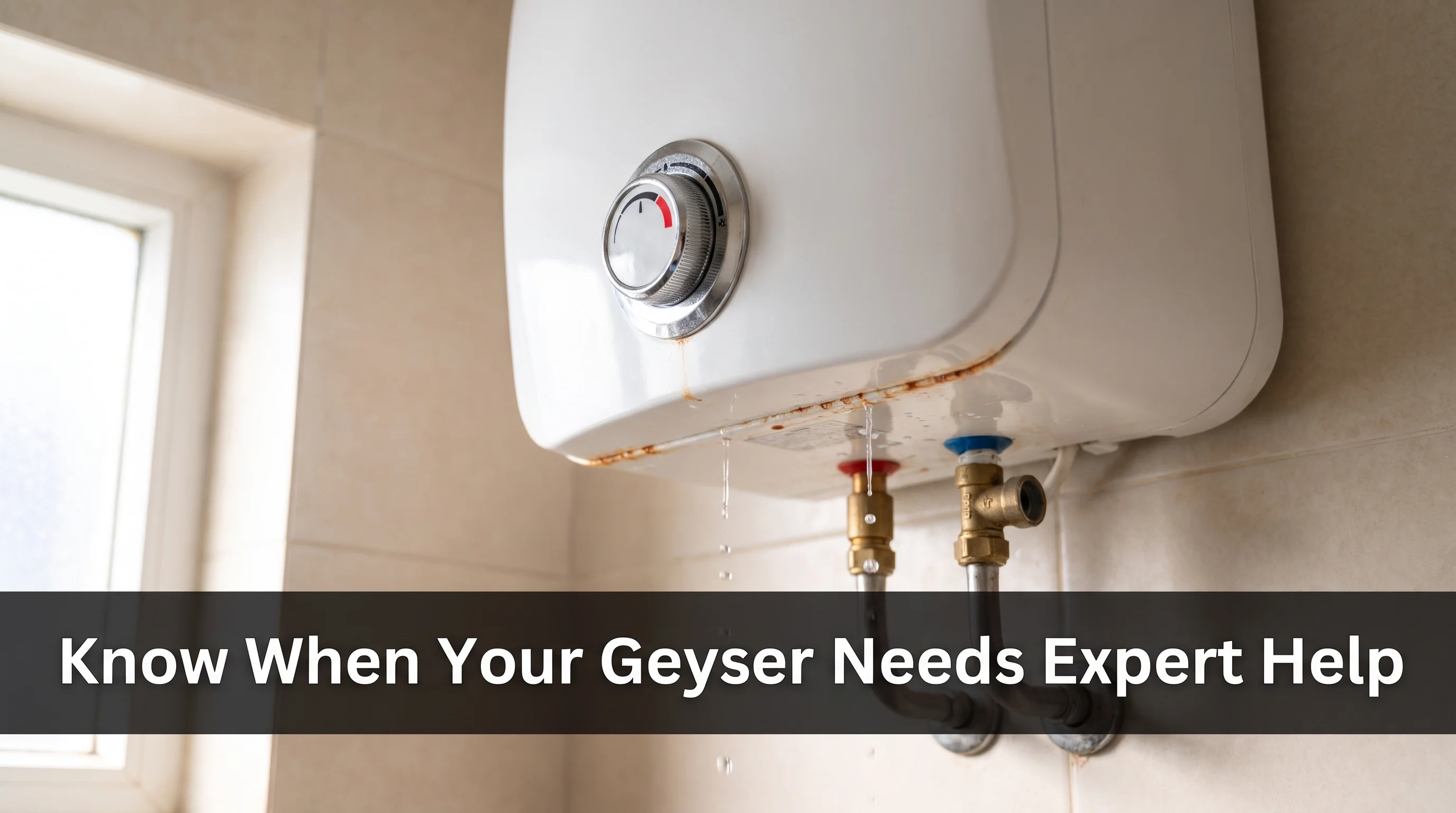
Water leakage from your geyser is one of the most serious warning signs that demands immediate professional intervention. Even small leaks can quickly escalate into major problems, causing water damage to your walls, ceilings, and electrical systems. Leaks can originate from various points in your water heater, and identifying the source requires professional expertise from a Geyser Repair Service in Rourkela or nearby locations.
Tank leaks are among the most critical issues because they often indicate corrosion or structural damage to the storage tank itself. Over time, the tank's protective glass lining can deteriorate, exposing the metal underneath to water and causing rust. Once the tank develops a leak, it typically cannot be repaired and requires complete replacement. However, early detection through regular inspections can help prevent catastrophic tank failures. Professional technicians can assess whether minor moisture around the base stems from condensation or indicates a developing tank leak.
Valve and connection leaks are more common and often repairable. The temperature and pressure relief valve, inlet and outlet connections, and drain valve can develop leaks due to worn gaskets, loose fittings, or valve deterioration. These leaks might appear minor initially but can worsen rapidly, wasting water and increasing your utility bills. A professional service can replace faulty valves, tighten connections, and install new seals to eliminate these leaks.
Condensation around your geyser can sometimes be mistaken for leaks but indicates different problems. Excessive condensation suggests inadequate insulation, improper ventilation, or thermostat issues causing temperature fluctuations. While less serious than actual leaks, condensation problems can promote mold growth and reduce energy efficiency. Professional assessment helps distinguish between condensation and genuine leaks while addressing the root causes.
Overhead tank connections and pipes feeding your geyser can also develop leaks that appear to originate from the unit itself. Experienced technicians can trace the exact source of water leakage and determine whether repairs should focus on the geyser, connecting pipes, or both. This comprehensive approach prevents misdiagnosis and ensures all water leakage issues are properly resolved.
| Leak Type | Common Causes | Repair Complexity | Urgency Level |
|---|---|---|---|
| Tank Leaks | Corrosion, age, hard water damage | High - Usually requires replacement | Critical |
| Valve Leaks | Worn gaskets, loose connections | Low - Typically repairable | Moderate |
| Pipe Connection Leaks | Threading wear, improper installation | Low to Moderate | Moderate |
| Pressure Relief Valve Leaks | Excessive pressure, valve failure | Low - Valve replacement | High |
Inconsistent Water Temperature
When your geyser fails to maintain consistent water temperature, it signals internal component malfunctions that require professional diagnosis and repair. Temperature inconsistencies manifest in various ways, from water that never gets adequately hot to unpredictable fluctuations between scalding and lukewarm temperatures. These issues not only affect your comfort but also indicate efficiency losses that increase electricity or gas consumption.
The thermostat is the primary component responsible for temperature regulation in your geyser. When it malfunctions, it cannot accurately sense water temperature or properly control the heating element. A faulty thermostat might allow water to overheat, creating safety hazards, or prevent water from reaching desired temperatures. A professional technician can test thermostat functionality using specialized equipment and calibrate or replace it as needed.
Heating element problems are another common cause of temperature inconsistencies. Electric geysers typically have one or two heating elements that can develop scaling from hard water, partial burnout, or complete failure. When a heating element deteriorates, it provides insufficient heat to warm the water adequately. In dual-element systems, failure of one element might still allow some heating but at reduced capacity. Professional technicians can test element resistance, check for continuity, and replace defective elements with appropriate specifications for your geyser model.
Sediment accumulation at the tank bottom creates an insulating layer between heating elements and water, significantly reducing heat transfer efficiency. This forces your geyser to work harder and longer to achieve target temperatures, often without complete success. The sediment layer can become so thick that water never reaches desired temperatures despite continuous heating. Regular flushing and descaling by a Geyser Repair Service in Mumbai or nearby areas prevents this problem and restores heating efficiency.
Insufficient geyser capacity for your household needs can also appear as temperature inconsistency. If multiple family members use hot water simultaneously or your usage has increased since installation, your existing unit might simply be undersized. Professional assessment helps determine whether your geyser's capacity matches your household requirements or if you need an upgrade to a larger model.
Gas geyser temperature fluctuations often relate to burner problems, gas pressure irregularities, or ventilation issues. The pilot light might be weak, the burner might be partially clogged with debris, or gas flow might be inconsistent. These problems require specialized expertise to diagnose and repair safely, as improper gas geyser repairs can create serious safety hazards including gas leaks and carbon monoxide production.
Discolored or Foul-Smelling Water
Water quality issues emerging from your geyser indicate serious internal problems that require immediate professional attention. When hot water appears discolored, contains particles, or emits unpleasant odors, it signals contamination from corroded components, bacterial growth, or deteriorating anode rods.
Rusty or brown water is the most common discoloration and typically indicates corrosion inside your geyser tank or connected pipes. The sacrificial anode rod, designed to protect the tank from corrosion by attracting corrosive elements, eventually depletes and needs replacement. Once the anode rod is exhausted, corrosion attacks the tank lining itself, releasing rust particles into your water supply. While rusty water from hot taps but not cold taps points to geyser corrosion, rust from both indicates pipe corrosion. Professional inspection determines the exact source and whether tank replacement is necessary.
Cloudy or milky water often results from air infiltration into the system or mineral precipitation from hard water. While usually harmless, persistent cloudiness might indicate pressure problems or excessive mineral content that can damage your geyser over time. A qualified service provider can test water quality, check system pressure, and recommend solutions like water softeners if hard water is the primary concern.
Black or dark particles in hot water suggest deteriorating rubber gaskets, washers, or flexible hoses within your water heater. These components break down over time, especially when exposed to high temperatures, releasing particulate matter into your water supply. Professional technicians can identify and replace all deteriorating components to restore water quality.
Foul-smelling hot water, particularly a rotten egg odor, indicates bacterial growth inside your geyser tank. Sulfate-reducing bacteria react with the magnesium anode rod, producing hydrogen sulfide gas that creates the characteristic smell. This problem is more common in homes using well water or municipal supplies with high sulfate content. Solutions include replacing the magnesium anode with an aluminum or powered anode rod, increasing water temperature temporarily to kill bacteria, or periodic shock chlorination. Professional services ensure these treatments are performed safely and effectively.
Metallic taste or odor in hot water points to excessive metal dissolution from tank components, pipes, or the anode rod. While small amounts of metal dissolution are normal, excessive levels can indicate water chemistry problems, insufficient anode protection, or advanced corrosion. Water testing and geyser inspection by qualified technicians identify the root cause and appropriate remedies.
Reduced Water Pressure from Hot Taps
Experiencing significantly reduced water pressure from hot water taps while cold water pressure remains normal is a clear indication that your geyser needs professional servicing. This problem frustrates daily activities like showering, dishwashing, and cleaning, and often worsens gradually until hot water flow becomes a mere trickle. Understanding the causes helps you appreciate why professional repair services are essential for proper resolution.
Sediment and scale buildup within the geyser tank and outlet pipes is the most frequent cause of reduced hot water pressure. In areas with hard water, minerals like calcium and magnesium precipitate out when water is heated, forming scale deposits that narrow pipe diameters and restrict water flow. Over time, these deposits can severely constrict or completely block outlet pipes. Professional descaling involves draining the tank, flushing with appropriate cleaning solutions, and mechanically removing stubborn deposits from pipes and tank interiors.
The temperature and pressure relief valve sometimes partially closes or becomes obstructed, restricting water flow through the system. This valve is critical for safety, preventing excessive pressure buildup, so any manipulation requires professional expertise. A qualified technician can inspect, clean, or replace the TPR valve while ensuring it remains properly calibrated for safe operation.
Corroded or deteriorating dip tube is another common culprit behind pressure problems. The dip tube directs incoming cold water to the tank bottom, ensuring proper circulation and preventing mixing of hot and cold water. When this tube corrodes or breaks, incoming cold water mixes with hot water at the tank top, reducing outlet temperature and potentially affecting flow patterns. Replacement requires draining the tank and installing a new dip tube, a task best left to professionals.
Internal tank baffles or heat traps, designed to improve efficiency by preventing heat loss through pipes, can sometimes obstruct water flow if they become dislodged or accumulate debris. These components are beneficial when functioning properly but can create pressure problems when damaged. Professional inspection and repair restore proper flow while maintaining energy efficiency benefits.
Partially closed shut-off valves on the geyser's inlet or outlet can restrict water pressure. While this might seem like a simple issue to check yourself, valves sometimes seize partially open due to corrosion or mineral deposits, making them difficult to manipulate without proper tools. Additionally, fully opening a seized valve without proper technique can damage it further or cause sudden pressure surges that damage the geyser or pipes.
Increased Energy Bills Without Usage Changes
A sudden or gradual increase in electricity or gas bills without corresponding changes in usage patterns is a subtle but important warning sign that your geyser is losing efficiency and needs professional evaluation. Many homeowners overlook this indicator because the geyser continues functioning, but efficiency losses translate directly into wasted money and often precede complete system failure.
Sediment accumulation significantly impacts energy efficiency by creating an insulating barrier between heating elements and water. Your geyser must heat the sediment layer before heat reaches the water, requiring substantially more energy to achieve target temperatures. Professional flushing can remove accumulated sediment, immediately improving efficiency and reducing energy consumption by fifteen to twenty-five percent in severely affected units.
Failing heating elements draw more current while producing less heat, particularly when partially damaged or heavily scaled. An element operating outside its design specifications consumes excessive electricity without effectively heating water. Professional testing identifies inefficient elements and replaces them with properly rated components.
Learn more about maintaining your geyser's efficiency and safety throughout the year. Explore further insights on preventive maintenance schedules, energy-saving tips, and how regular professional inspections can extend your water heater's lifespan while reducing electricity bills. Discover how understanding these warning signs early helps you stay informed about your appliance's health and prevents unexpected cold showers during peak winter months.
Related Blogs
- How to Get the Best deal for the Air Conditioner
- Professional Water Purification Setup Services and Expert Solutions in Delhi NCR
- Complete Guide to Air Conditioning Maintenance and Repair Solutions in Mumbai
- Complete Guide to Air Conditioning Setup and Service Solutions in Mumbai
- Understanding Professional Refrigerator Maintenance Services in Mumbai: A Complete Guide