

What Are the Warning Signs Your Kitchen Chimney Needs Immediate Repair?
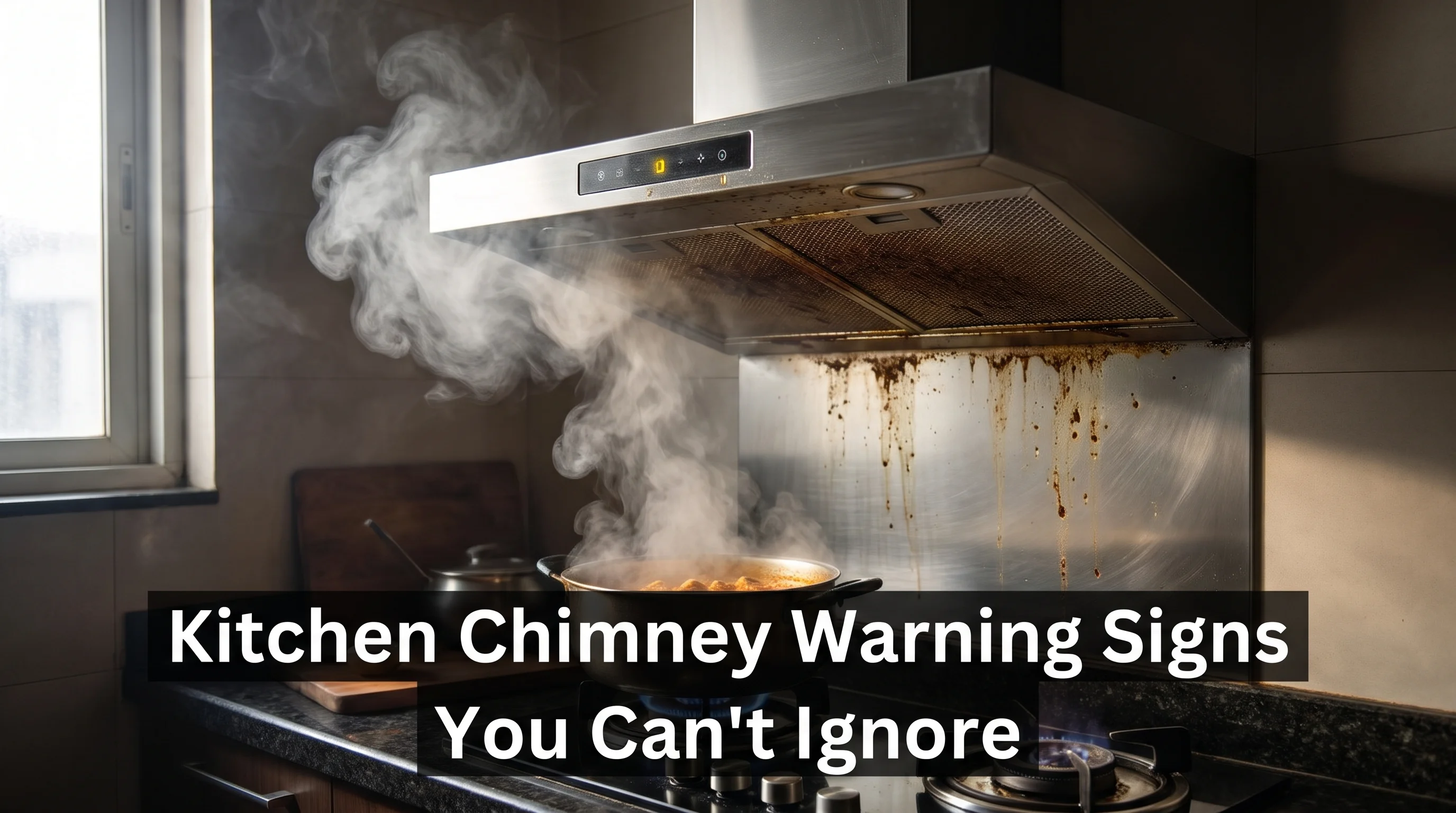
What Are the Warning Signs Your Kitchen Chimney Needs Immediate Repair?
Your kitchen chimney works tirelessly to remove smoke, grease, and cooking odors from your home, but like any hardworking appliance, it can develop problems over time. Recognizing the warning signs that your kitchen chimney needs immediate repair can save you from costly damage, potential fire hazards, and the inconvenience of a completely broken system. Many homeowners ignore subtle indicators until their chimney stops working entirely, leading to emergency repairs that could have been prevented with timely intervention.
Understanding when your chimney requires professional attention is crucial for maintaining a healthy cooking environment and protecting your investment. A malfunctioning chimney not only fails to eliminate smoke and odors but can also pose serious health risks by allowing harmful fumes to circulate in your kitchen. The good news is that chimneys typically provide clear warning signs before complete failure, giving you time to schedule repairs and avoid more extensive damage.
In this comprehensive guide, we will explore the most critical warning signs that indicate your kitchen chimney needs immediate repair. Whether you notice reduced suction power, unusual noises, or visible damage, understanding these indicators will help you make informed decisions about maintenance and repair. We will cover everything from minor issues that need quick attention to major problems requiring immediate professional intervention.
The kitchen chimney has become an essential appliance in modern Indian homes, especially as open kitchen designs become more popular. With increasing awareness about indoor air quality and the health impacts of cooking fumes, homeowners are more invested than ever in maintaining their chimney systems. However, many people remain unaware of the specific signs that signal urgent repair needs, often mistaking warning indicators for normal operational variations.
By learning to identify these warning signs early, you can extend the lifespan of your chimney, maintain optimal kitchen air quality, and avoid the frustration of complete system failure during important cooking occasions. This article will equip you with the knowledge to recognize problems quickly and take appropriate action, ensuring your kitchen remains a safe and comfortable space for your family.
Reduced Suction Power and Poor Smoke Removal
One of the most obvious warning signs that your kitchen chimney needs immediate repair is a noticeable reduction in suction power. When you turn on your chimney and notice that smoke, steam, and cooking odors are not being effectively removed from your kitchen, this indicates a serious problem with the system. A properly functioning chimney should quickly clear the air above your cooking surface, but when suction power diminishes, you will see smoke lingering in the kitchen or spreading to other rooms.
Several factors can cause reduced suction power, including clogged filters, blocked ducts, motor problems, or damaged fan blades. Grease and oil particles accumulate in the filters over time, restricting airflow and forcing the motor to work harder. If you have not cleaned your filters in several months, this might be the primary cause. However, if cleaning the filters does not restore suction power, the problem likely lies deeper within the system, requiring professional diagnosis and repair.
Motor deterioration is another common cause of reduced suction. Kitchen chimney motors operate in harsh conditions with exposure to heat, grease, and moisture. Over time, the motor bearings can wear out, electrical connections can loosen, or the motor itself can begin to fail. When this happens, the fan speed decreases, and the chimney cannot generate sufficient suction to remove cooking fumes effectively. Ignoring motor problems can lead to complete motor failure, necessitating expensive replacement rather than simple repair.
Duct blockages also significantly impact suction power, especially in ducted chimney systems where cooking fumes are expelled outside the home. Grease buildup inside the ducts gradually narrows the passage, restricting airflow and reducing efficiency. In some cases, external factors like bird nests or debris can block the external vent, preventing proper air expulsion. If you have a ducted system and notice reduced performance, checking for duct blockages should be a priority before considering more complex repairs.
When you experience reduced suction power, avoid simply increasing the fan speed to compensate. Running the motor at maximum capacity to overcome underlying problems puts excessive strain on the system, accelerating wear and potentially causing complete failure. Instead, schedule a Kitchen Chimney Repair Service in Patna or your local area to diagnose and address the root cause. Professional technicians can identify whether the issue stems from simple maintenance needs or requires component replacement.
Unusual Noises During Operation
A well-maintained kitchen chimney should operate relatively quietly, with only the normal sound of the motor and airflow. When you start hearing unusual noises such as grinding, rattling, squeaking, or loud humming, these are clear warning signs that something is wrong and immediate repair may be necessary. Different types of noises indicate different problems, and understanding what each sound means can help you communicate effectively with repair technicians.
Grinding noises typically indicate problems with the motor bearings or fan assembly. When bearings wear out due to age or lack of lubrication, metal components begin rubbing against each other, creating a distinctive grinding sound. This problem will only worsen over time, and continued operation with damaged bearings can cause the motor to seize completely. If you hear grinding sounds, stop using the chimney immediately and contact a Kitchen Chimney Repair Service in Dhampur or your nearby service provider to prevent further damage.
Rattling sounds usually suggest loose components within the chimney system. Fan blades can become loose, screws can vibrate free, or panels can detach slightly, all creating rattling noises during operation. While this might seem like a minor annoyance, loose components can cause vibrations that damage other parts of the system. Additionally, a loose fan blade operating at high speed poses a safety risk, as it could detach and cause injury or significant damage to the chimney housing.
Squeaking or high-pitched sounds often indicate belt problems in older chimney models or issues with motor components. Some chimney motors use belts to drive the fan, and when these belts wear out or become misaligned, they create squeaking noises. In direct-drive motors, high-pitched sounds might indicate electrical problems or failing motor windings. These issues require professional diagnosis to determine whether the problem can be repaired or if component replacement is necessary.
Humming or buzzing sounds that are louder than normal suggest electrical problems or motor issues. A loud humming sound often indicates that the motor is receiving power but struggling to start or maintain operation. This could result from capacitor failure, electrical connection problems, or motor winding issues. Electrical problems should never be ignored, as they can pose fire hazards and lead to complete system failure if not addressed promptly. Contact a Kitchen Chimney Repair Service in Kanpur or your local area for safe electrical diagnostics and repair.
Excessive Vibration and Shaking
While some vibration during operation is normal, excessive shaking or vibration that causes the entire chimney to move or creates noise throughout the kitchen indicates serious problems. Excessive vibration typically results from unbalanced fan blades, loose mounting, motor problems, or structural damage to the chimney housing. This warning sign should never be ignored, as continued vibration can cause mounting brackets to fail, potentially resulting in the chimney falling and causing injury or property damage.
Unbalanced fan blades are a common cause of excessive vibration. Grease buildup on fan blades creates uneven weight distribution, causing the fan to wobble during operation. Additionally, if one blade is damaged or bent, the imbalance will cause significant vibration. Regular cleaning can prevent grease-related imbalance, but damaged blades require professional replacement. Attempting to continue using a chimney with unbalanced fan blades will damage motor bearings and eventually lead to motor failure.
Loose mounting brackets or improper installation can also cause excessive vibration. Kitchen chimneys must be securely mounted to the wall or ceiling according to manufacturer specifications. If the mounting brackets were not properly installed or have loosened over time, the entire unit will shake during operation. This problem is particularly dangerous because the vibration itself further loosens the mounting, creating a progressive failure that can result in the chimney detaching from the wall. Check mounting security regularly and tighten any loose bolts or brackets.
Motor mount deterioration can cause vibration even when the fan blades are balanced and the external mounting is secure. Inside the chimney, the motor is typically mounted on rubber or silicone dampeners that absorb vibration. Over time, these dampeners deteriorate due to heat exposure and age, losing their ability to absorb vibration effectively. When this happens, vibration transfers directly to the chimney housing and mounting brackets. Replacing worn motor mounts requires disassembly of the chimney and should be performed by professionals from a Kitchen Chimney Repair Service in Ranchi or your local service provider.
Damaged or bent structural components within the chimney housing can also cause vibration. If the chimney has been subjected to impact or stress, internal brackets or housing panels may be bent or damaged. This structural damage can create resonance points where vibration is amplified, making the entire unit shake noticeably. Structural repairs often require replacement parts and professional expertise to ensure the chimney is safely restored to proper working condition.
Grease Dripping and Filter Saturation
When you notice grease dripping from your kitchen chimney or observe that the filters are perpetually saturated with oil despite regular cleaning, these are serious warning signs that indicate filtration system failure or inadequate maintenance. While some grease accumulation is normal, excessive dripping poses fire hazards, creates cleaning challenges, and indicates that your chimney is not functioning properly. Understanding the causes and addressing them promptly is essential for maintaining a safe kitchen environment.
Baffle filters and mesh filters can only hold a certain amount of grease before becoming completely saturated. When filters reach capacity, they cannot trap additional grease particles, and the excess begins dripping onto your cooking surface. This creates a mess and poses a fire risk, as hot grease near open flames can ignite easily. If you notice grease dripping during cooking, immediately turn off the chimney, allow it to cool, and clean or replace the filters before using it again.
Filter damage is another common cause of grease leakage. Baffle filters can develop gaps or bends that allow grease to bypass the filtration system, while mesh filters can tear or corrode over time. Damaged filters fail to perform their primary function, allowing grease to accumulate inside the duct system and eventually drip back down. Regular inspection of filters for damage is crucial, and damaged filters should be replaced immediately rather than attempting to continue using them.
In some cases, grease dripping indicates that the chimney is installed at an incorrect angle. Most chimneys should be perfectly horizontal or have a slight backward tilt to prevent grease from dripping forward. If the chimney is tilted forward, gravity causes accumulated grease to drip onto the cooking surface. This installation error requires adjustment of the mounting brackets to correct the angle. If you suspect incorrect installation, contact a Kitchen Chimney Repair Service in Jaipur to assess and correct the mounting angle.
Condensation combined with grease creates a particularly messy situation where greasy water drips from the chimney. This typically occurs in environments with high humidity or when cooking produces excessive steam. The combination of moisture and grease creates an emulsion that drips more readily than dry grease accumulation. Installing a chimney with adequate capacity for your cooking volume and ensuring proper ventilation can minimize condensation-related dripping.
Visible Rust, Corrosion, and Structural Damage
Physical deterioration of your kitchen chimney manifests as rust, corrosion, dents, or cracks in the housing, filters, or ducts. These visible warning signs indicate that the chimney has been exposed to moisture, harsh cleaning chemicals, or physical impact, all of which compromise structural integrity and functionality. Ignoring visible damage can lead to complete system failure, electrical hazards, and even collapse of the unit.
Rust formation on stainless steel chimneys might seem impossible, but lower-grade stainless steel or damage to protective coatings can allow rust to develop. Rust typically begins in areas where moisture accumulates, such as around filter housings, in corners, or near seams. Once rust begins, it spreads quickly and weakens the metal structure. Surface rust can sometimes be removed and treated, but extensive rusting usually requires component replacement. Rust near electrical connections poses particular danger, as it can cause short circuits or electrical failures.
Corrosion from harsh cleaning chemicals is a common problem that many homeowners inadvertently cause. Using abrasive cleaners, strong acids, or alkaline solutions to clean the chimney can damage protective coatings and corrode metal surfaces. This damage might not be immediately apparent but weakens the structure over time. Always use manufacturer-recommended cleaning products and avoid harsh chemicals that can compromise the integrity of your chimney. If you notice corrosion damage, consult with a Kitchen Chimney Repair Service in Delhi to assess whether repair or replacement is necessary.
Dents and physical damage to the chimney housing affect both appearance and functionality. Dents can interfere with proper filter seating, create gaps that allow grease to escape, or damage internal components. Physical damage often results from impact during cleaning or from objects stored on top of the chimney. While minor cosmetic dents might not affect performance, significant structural damage requires professional repair to ensure the chimney operates safely and efficiently.
Cracks in the chimney housing or ductwork represent serious structural failures that require immediate attention. Cracks allow cooking fumes to escape into the kitchen rather than being expelled outside, defeating the entire purpose of the chimney. Additionally, cracks near electrical components pose fire hazards. If you notice any cracks in your chimney structure, discontinue use immediately and contact a professional repair service to assess the damage and recommend appropriate repairs or replacement.
Electrical Problems and Control Panel Malfunctions
Electrical issues with your kitchen chimney present serious safety hazards and operational problems that require immediate professional attention. Warning signs of electrical problems include the chimney failing to start, lights flickering or not working, buttons not responding, unusual smells of burning plastic or electrical components, or the circuit breaker tripping when the chimney operates. Never attempt to repair electrical problems yourself, as improper repairs can cause fires, electrical shock, or permanent damage to the chimney.
Control panel malfunctions manifest in various ways, from complete failure to intermittent operation. Touch controls might become unresponsive due to moisture damage, accumulated grease interfering with sensors, or internal electronic failures. Button-type controls can wear out mechanically or develop electrical connection problems. When control panels malfunction, you lose the ability to operate the chimney effectively, making it impossible to adjust fan speeds or control lighting. Modern chimneys with digital displays and remote controls have more complex electronics that require specialized knowledge to diagnose and repair.
Capacitor failure is a common electrical problem in kitchen chimney motors. The capacitor provides the electrical boost needed to start the motor, and when it fails, the motor may hum but not start, or it may fail to reach proper operating speed. Capacitor problems can be diagnosed by the characteristic humming sound without fan operation. Replacing a failed capacitor is relatively inexpensive but requires technical knowledge and proper safety precautions.
Wiring problems inside the chimney can develop over time due to heat exposure, vibration, or rodent damage. Loose connections create resistance that generates heat, potentially causing wire insulation to melt and creating fire hazards. Corroded connections increase electrical resistance and can cause components to malfunction or fail completely. If you smell burning plastic or notice any signs of overheating, immediately turn off power to the chimney at the circuit breaker and contact a professional repair service before using it again.
Circuit board failures in modern chimneys with electronic controls require specialized diagnostic equipment and repair expertise. Moisture infiltration, power surges, or component aging can cause circuit board failures that affect one or multiple functions. Symptoms include erratic behavior, complete loss of function, or intermittent operation that becomes progressively worse over time.
Related Blogs
- How to Get the Best deal for the Air Conditioner
- Professional Water Purification Setup Services and Expert Solutions in Delhi NCR
- Complete Guide to Air Conditioning Maintenance and Repair Solutions in Mumbai
- Complete Guide to Air Conditioning Setup and Service Solutions in Mumbai
- Understanding Professional Refrigerator Maintenance Services in Mumbai: A Complete Guide