

Why Is Your Microwave Not Heating, and When Should You Call a Repair Expert?
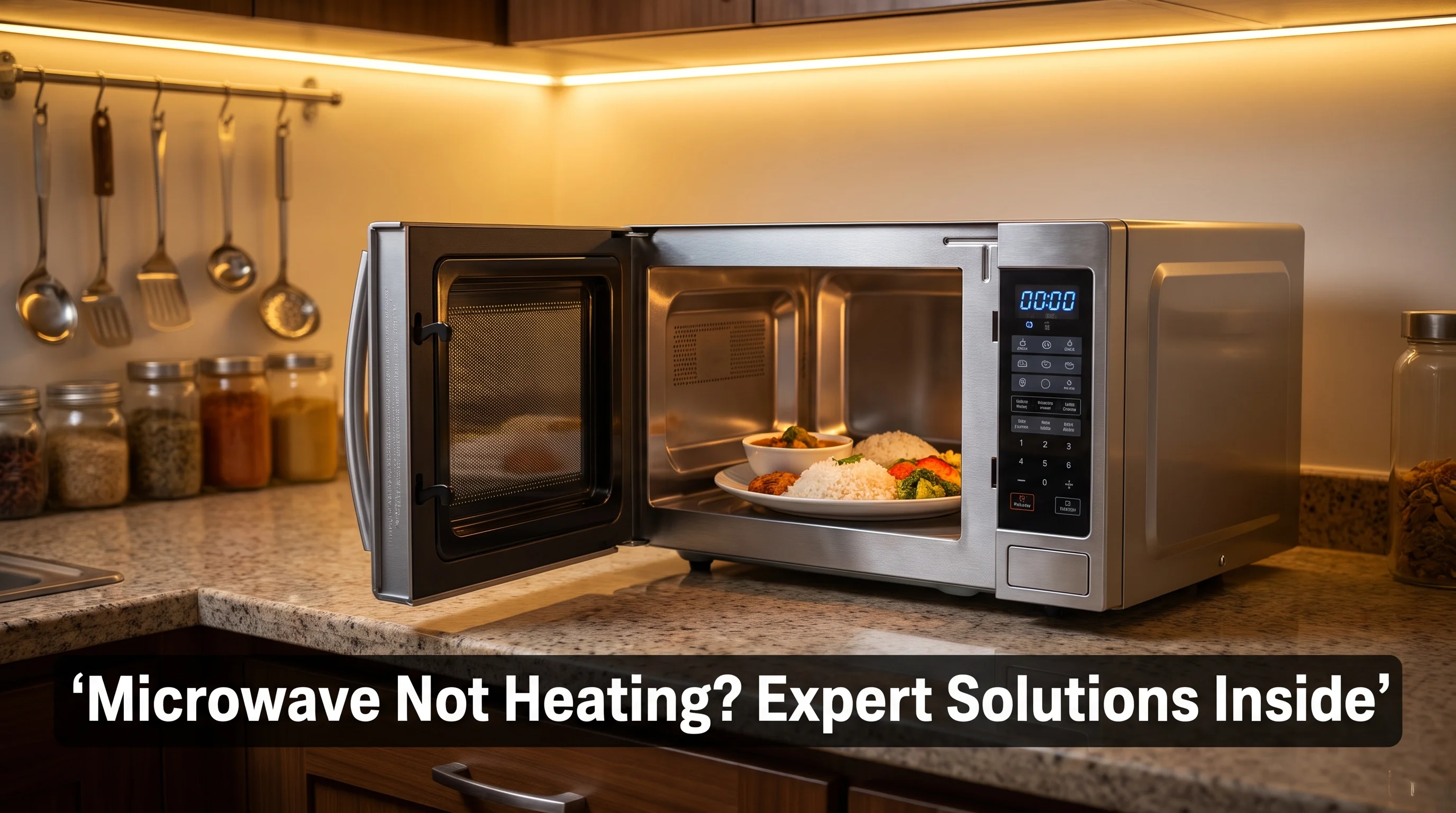
Why Is Your Microwave Not Heating, and When Should You Call a Repair Expert?
Walking into your kitchen after a long day, you place your dinner in the microwave, press start, and hear the familiar hum. Three minutes later, you open the door expecting a steaming hot meal, only to find it stone cold. This frustrating scenario happens to countless homeowners across India every day. A microwave that runs but doesn't heat food is one of the most common appliance malfunctions, and understanding why this happens can save you time, money, and unnecessary stress.
In modern Indian households, microwaves have become essential kitchen companions, used for everything from reheating leftovers to cooking quick meals. When this crucial appliance stops performing its primary function, it disrupts daily routines and meal planning. The good news is that not every heating problem requires immediate replacement. Many issues can be diagnosed and sometimes resolved without professional intervention, while others definitely need expert attention from a qualified Microwave Oven repair service Itanagar team.
This comprehensive guide will walk you through the most common reasons why microwaves stop heating food, helping you identify whether you're dealing with a simple fix or a more complex technical problem. We'll explore everything from door switch malfunctions to magnetron failures, giving you the knowledge to make informed decisions about your appliance. Understanding these issues is particularly important for Indian consumers who want to maximize the lifespan of their kitchen investments while ensuring safety.
Whether you live in a metropolitan city or a smaller town, microwave problems follow similar patterns. However, factors like voltage fluctuations common in certain Indian regions, humidity levels, and usage patterns can all influence how and why these appliances fail. By the end of this article, you'll know exactly when to attempt basic troubleshooting and when it's time to seek professional assistance.
The information provided here combines technical expertise with practical insights specifically relevant to Indian households, ensuring you can confidently address your microwave heating issues. Let's dive into understanding what makes your microwave work and what causes it to stop heating your food properly.
Understanding How Microwaves Generate Heat
Before troubleshooting heating problems, it's essential to understand the basic science behind microwave cooking. Unlike conventional ovens that heat the air around food, microwaves use electromagnetic radiation to excite water molecules within the food itself. This molecular friction generates heat from the inside out, which is why microwaves can heat food so quickly compared to traditional methods.
The heart of any microwave is the magnetron, a specialized vacuum tube that converts electrical energy into microwave radiation at a frequency of approximately 2,450 megahertz. When you press start, electricity flows to the magnetron, which then produces microwaves that bounce around the metal interior cavity. These waves penetrate food and cause water molecules to vibrate rapidly, creating the heat that warms your meal.
Several critical components work together to make this process happen safely and efficiently. The high voltage capacitor stores electrical energy, the transformer increases voltage to power the magnetron, and the diode converts alternating current to direct current. Meanwhile, safety switches ensure the door is properly closed before the magnetron can operate. When any of these components fail, your microwave may run without actually heating food.
In Indian households where power supply can sometimes be unstable, these sensitive components face additional stress. Voltage surges and fluctuations can gradually damage internal parts, leading to heating failures over time. Understanding this system helps you appreciate why professional technicians need specialized knowledge and tools to diagnose and fix these sophisticated appliances safely.
Common Reasons Your Microwave Isn't Heating
Door Switch Malfunction
The door switches are critical safety features that prevent the magnetron from operating when the door is open. Most microwaves have three or four door switches that must all engage properly when you close the door. If even one switch fails or becomes misaligned, the microwave will run and light up but won't generate heat because the magnetron never receives the signal to activate.
Door switch problems often develop gradually. You might notice you need to slam the door harder than before, or the microwave occasionally stops mid-cycle. These switches are relatively inexpensive components, but accessing them requires disassembling the control panel area. While mechanically inclined individuals might attempt this repair, the proximity to high voltage components makes it advisable to contact a professional provider for safe replacement.
Signs of door switch issues include intermittent heating, the microwave starting only when you press the door in a certain spot, or the interior light not coming on consistently. In humid regions across India, moisture can corrode these switches over time, accelerating their failure. Regular cleaning around the door seal and ensuring nothing obstructs proper door closure can extend switch lifespan.
Failed Magnetron
The magnetron is the most expensive and critical component in your microwave. When it fails, you'll typically hear the microwave running normally, but food remains cold. A failing magnetron might produce a burning smell or unusual buzzing sounds before completely stopping heat production. Given that magnetrons account for approximately 30-40% of a microwave's replacement cost, this failure often makes homeowners consider whether repair or replacement makes better financial sense.
Magnetron failure typically results from age, excessive use, or running the microwave empty, which causes the magnetron to absorb its own energy and overheat. In India, where microwaves often run multiple times daily in joint families, this wear and tear can accelerate. Additionally, voltage irregularities can stress the magnetron's filament, leading to premature failure. Most magnetrons last between 5-10 years with normal use, though this varies by quality and usage patterns.
Diagnosing a faulty magnetron requires testing with specialized equipment to measure output. This is definitely a job for qualified professionals offering Microwave Oven repair service Rewa solutions, as the magnetron operates at extremely high voltages that remain dangerous even after unplugging the unit. Attempting DIY magnetron replacement without proper training and discharge procedures can result in fatal electric shock.
Capacitor Issues
The high voltage capacitor stores the electrical charge needed to power the magnetron. When this component fails, the magnetron doesn't receive sufficient power to generate microwaves, resulting in no heating despite the appliance appearing to function normally. Capacitor problems can develop suddenly or gradually, with partial failures causing inconsistent heating before complete failure occurs.
A failed capacitor sometimes produces a humming or buzzing sound different from normal operation. You might also notice the lights dimming when the microwave runs, or the circuit breaker occasionally tripping. Capacitors are particularly vulnerable to power surges common in areas without voltage stabilizers. Many Indian households would benefit from using surge protectors with their microwaves to protect these sensitive components.
The most dangerous aspect of capacitor issues is that these components can store a lethal electrical charge for hours or even days after unplugging the microwave. This stored energy can discharge unexpectedly during repair attempts, causing severe injury or death. For this reason alone, capacitor testing and replacement should only be performed by trained technicians from a reputable company who know proper discharge procedures.
Defective Diode
The high voltage diode works with the capacitor to double the voltage supplied to the magnetron. When the diode fails, the magnetron receives insufficient power to generate microwaves effectively. A burned-out diode often creates a burning smell and may cause the microwave to blow fuses repeatedly. Unlike some other failures, diode problems typically result in complete heating failure rather than reduced heating.
Testing a diode requires a multimeter and knowledge of how to safely access the high voltage components. The diode typically fails due to power surges, aging, or excessive heat buildup from ventilation problems. In Indian kitchens where microwaves are often placed in enclosed cabinets or tight spaces, inadequate ventilation can cause premature component failure including the diode.
While diodes are relatively inexpensive components, their replacement involves the same safety risks as capacitor work. The combination of stored electrical charge and high voltage circuits means that professional repair is essential. Services and similar providers in other cities stock these common parts and can replace them safely and efficiently.
Transformer Failure
The high voltage transformer steps up the incoming 230-volt power to approximately 4,000 volts needed to operate the magnetron. Transformer failure is less common than other issues but does occur, particularly in older microwaves or those subjected to repeated power fluctuations. A failed transformer typically prevents the microwave from heating at all and may cause the unit to blow fuses or trip breakers immediately upon starting.
Symptoms of transformer problems include loud humming or buzzing sounds, a burning smell, or the microwave running for a few seconds before shutting off. The transformer is a heavy component filled with copper windings and insulation. When it fails, it often shows visible signs of damage like blackened areas, melted insulation, or burnt connections.
Transformer replacement is complex and expensive, often costing a significant portion of a new microwave's price. For this reason, technicians from services like Microwave Oven repair service Patna typically recommend evaluating the overall age and condition of the microwave before investing in transformer replacement. In many cases, especially for budget models over five years old, replacement might be more economical than repair.
Troubleshooting Steps You Can Safely Perform
Before calling for professional help, there are several safe diagnostic steps you can perform to identify simple issues. Start by checking if the microwave is receiving power properly. Verify the outlet works by plugging in another appliance, and ensure the circuit breaker hasn't tripped. Check that the microwave door closes completely with no obstructions and that the door seal is clean and intact.
Test the heating function systematically by placing a microwave-safe cup of water inside and running the microwave for one minute at full power. The water should be noticeably warm or hot if the magnetron is functioning. If the water remains completely cold, you've confirmed a heating problem. Try this test multiple times to determine if the issue is consistent or intermittent, as this information helps technicians diagnose the problem more quickly.
Examine the interior for any signs of arcing or burning, which appear as blackened spots or peeling paint. These indicate more serious problems that require professional attention. Listen carefully to the sounds the microwave makes when running. Normal operation includes a steady hum, while grinding, buzzing, or clicking sounds often indicate component failures. Document these symptoms before contacting repair services for more accurate diagnostics.
Check your user manual for any model-specific troubleshooting steps or reset procedures. Some microwaves have thermal cutoff switches that can be reset, though these are typically located inside the case. Never attempt to disassemble the microwave yourself, as the internal components remain dangerously electrified even after unplugging. If basic checks don't reveal an obvious solution, it's time to contact a qualified professional.
When to Call Professional Repair Services
Knowing when to seek professional help can prevent safety hazards and further damage to your appliance. Call a repair expert immediately if you smell burning, see smoke, or notice sparks or arcing inside the microwave. These symptoms indicate serious electrical problems that could pose fire risks if you continue using the appliance. Similarly, if your microwave trips the circuit breaker repeatedly, stop using it and schedule professional diagnosis.
Age is an important factor in repair decisions. If your microwave is less than five years old and was a mid-range or premium model, professional repair usually makes financial sense. However, if you own a basic model that's approaching or exceeding its expected 7-10 year lifespan, replacement might be more cost-effective than investing in major component repairs. Services like Microwave Oven repair service Hubli can provide honest assessments of whether repair is worthwhile.
Consider professional repair when the microwave has sentimental value, matches your kitchen design specifically, or includes features difficult to find in current models. Built-in microwaves also warrant repair consideration since replacement involves additional installation costs and potential cabinet modifications. Professional technicians can often diagnose and fix problems for 30-50% less than replacement costs, making repair attractive for quality appliances.
Immediate professional attention is necessary for any situation involving potential electrical hazards. If you've experienced a power surge and the microwave now behaves abnormally, have it inspected before using it again. Contact Microwave Oven repair service Satna or your local provider if you notice inconsistent heating patterns, unusual noises, or error codes on digital displays. These symptoms often indicate problems that will worsen without intervention.
Cost Considerations for Repair Versus Replacement
Understanding typical repair costs helps you make informed decisions about whether to fix or replace your microwave. The table below outlines average repair costs for common issues in Indian cities as of 2026:
| Issue | Component Cost (INR) | Labor Cost (INR) | Total Cost Range (INR) |
|---|---|---|---|
| Door Switch | 200-500 | 500-800 | 700-1,300 |
| Magnetron | 2,500-5,000 | 800-1,500 | 3,300-6,500 |
| Capacitor | 300-800 | 500-800 | 800-1,600 |
| Diode | 150-400 | 500-800 | 650-1,200 |
| Transformer | 2,000-4,000 | 800-1,500 | 2,800-5,500 |
| Control Board | 1,500-3,500 | 800-1,200 | 2,300-4,700 |
These costs vary based on your location, microwave brand, and service provider. Urban areas typically have higher labor costs but more competitive pricing due to multiple service providers. When evaluating repair costs, compare them against replacement prices for microwaves with similar features. As a general rule, if repair costs exceed 50% of a comparable replacement unit's price, replacement often makes more sense.
Factor in the microwave's remaining expected lifespan when making this decision. A three-year-old premium model worth 15,000 INR new might justify a 5,000 INR magnetron replacement, as you'll likely get several more years of use. However, an eight-year-old budget model originally costing 6,000 INR probably doesn't warrant major repairs. Professional services can help you evaluate this cost-benefit analysis objectively.
Don't forget to consider warranty coverage, extended service plans, or manufacturer guarantees that might cover repair costs partially or fully. Some credit cards offer purchase protection that extends warranties on appliances. Additionally, factor in the inconvenience and effort of researching, purchasing, and installing a replacement versus the simpler process of scheduling repair with a trusted provider.
Preventive Maintenance to Avoid Heating Problems
Regular maintenance can significantly extend your microwave's lifespan and prevent many common heating issues. Clean the interior weekly with mild soap and water, paying special attention to the door seal area where food particles can interfere with proper closure. Avoid abrasive cleaners that might damage the interior coating, as compromised surfaces can cause arcing that damages the magnetron.
Never run your microwave empty, as this causes the magnetron to absorb its own energy and overheat. Always have food or a cup of water inside when testing or using the appliance. Cover food with microwave-safe lids or paper towels to prevent splatters that can damage internal components over time. Clean spills immediately to prevent buildup that can lead to arcing and component damage.
Why Your Microwave Runs But Won't Heat Food
When your microwave hums to life but leaves your food cold, the culprit is usually a failed magnetron—the component that generates heat-producing microwaves. Other common causes include a faulty high-voltage diode, blown capacitor, or malfunctioning door switch that prevents the heating cycle from engaging. While the turntable spins and lights work normally, the absence of microwave radiation means no heat transfer occurs. Learn more about magnetron diagnostics and safety precautions before attempting any inspection, as microwave components store dangerous electrical charges even when unplugged.
Related Blogs
- How to Get the Best deal for the Air Conditioner
- Professional Water Purification Setup Services and Expert Solutions in Delhi NCR
- Complete Guide to Air Conditioning Maintenance and Repair Solutions in Mumbai
- Complete Guide to Air Conditioning Setup and Service Solutions in Mumbai
- Understanding Professional Refrigerator Maintenance Services in Mumbai: A Complete Guide