

Why Is Your Microwave Not Heating, and When Should You Call a Repair Expert?
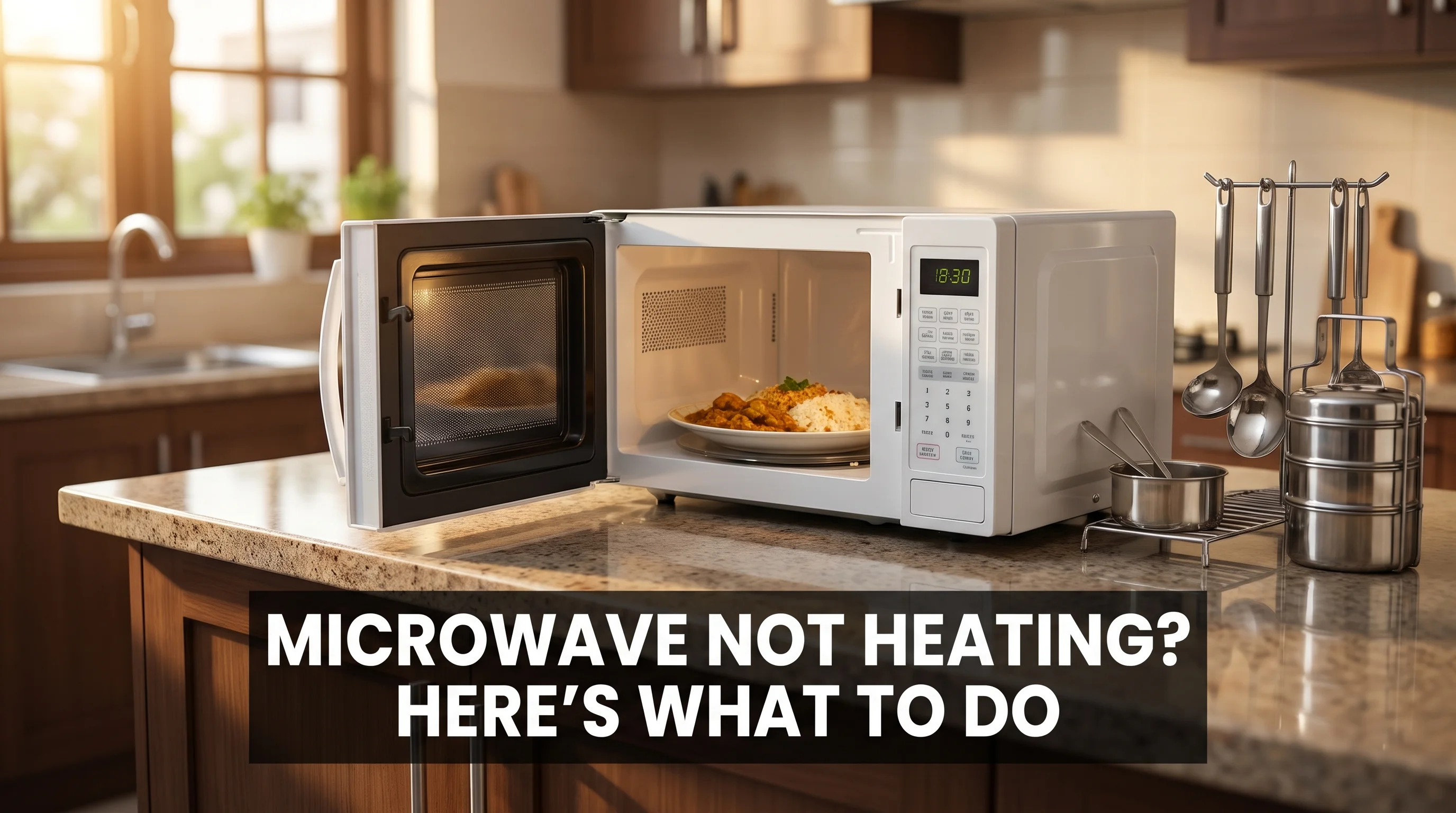
Why Is Your Microwave Not Heating, and When Should You Call a Repair Expert?
Few things disrupt kitchen routines like a microwave that suddenly refuses to heat your food. You press the buttons, hear the familiar hum, watch the turntable spin, but your coffee remains cold and your leftovers stay frustratingly chilly. This common appliance problem affects thousands of Indian households every year, leaving many wondering whether to attempt a DIY fix or seek professional help. Understanding why your microwave stops heating and knowing when to call a Microwave Oven repair service Itanagar can save you time, money, and prevent potential safety hazards. Modern microwaves, despite their apparent simplicity, contain complex electrical components that require specialized knowledge to repair safely.
A malfunctioning microwave creates more than just inconvenience. For busy families who rely on this appliance for quick meal preparation, a broken microwave disrupts daily schedules and forces reliance on slower cooking methods. Students, working professionals, and parents particularly feel the impact when their microwave stops functioning properly. The heating issue might seem minor initially, but ignoring warning signs often leads to complete appliance failure or, worse, safety risks like electrical fires or component burnout. Recognizing the difference between simple fixes and serious technical problems becomes crucial for every homeowner.
The Indian market has seen tremendous growth in microwave ownership, with penetration rates increasing significantly in tier-2 and tier-3 cities. As of 2026, approximately 35 percent of urban Indian households own a microwave, compared to just 18 percent a decade ago. This widespread adoption means more people encounter heating problems and need reliable repair solutions. Whether you live in major metropolitan areas or smaller cities, accessing quality Microwave Oven repair service Rewa ensures your appliance receives proper attention from trained technicians who understand the intricacies of various microwave brands and models sold in India.
Most microwave heating failures stem from a handful of common issues, ranging from simple user errors to complex component malfunctions. The magnetron, which generates microwave radiation for heating, stands as the most critical component. When it fails, your microwave becomes essentially useless despite appearing to function normally otherwise. Door switch problems, blown fuses, faulty capacitors, and malfunctioning diodes also rank among frequent culprits. Understanding these potential causes helps you communicate effectively with repair technicians and make informed decisions about whether repair or replacement makes better financial sense.
This comprehensive guide explores the science behind microwave heating, examines common reasons for heating failure, provides troubleshooting steps for simple issues, and clarifies when professional intervention becomes necessary. You will learn how to identify warning signs that demand immediate expert attention, understand what repair services typically cost in India, and discover tips for preventing future heating problems. Whether your microwave stopped heating suddenly or gradually lost effectiveness over time, this article equips you with knowledge to address the situation confidently and restore your kitchen's convenience.
Understanding How Microwaves Generate Heat
Microwaves cook food through electromagnetic radiation, specifically microwave-frequency radio waves. The magnetron, a specialized vacuum tube, converts electrical energy into these high-frequency electromagnetic waves. When you start your microwave, electricity flows to the magnetron, which generates waves at approximately 2450 megahertz. These waves bounce around the metal interior cavity and penetrate food, causing water molecules within to vibrate rapidly. This molecular friction generates heat from within the food itself, rather than applying external heat like conventional ovens.
The waveguide channel directs these electromagnetic waves from the magnetron into the cooking cavity. Any obstruction, damage, or misalignment in this pathway can prevent proper heating. The rotating turntable ensures even distribution of microwave energy throughout your food, compensating for uneven wave patterns inside the cavity. Understanding this heating mechanism helps explain why certain failures prevent warming while other components continue functioning normally. When the magnetron fails, everything else might operate perfectly, yet no heating occurs because the source of microwave energy has stopped working.
Several supporting components must function correctly for effective heating. The high-voltage capacitor stores electrical energy and releases it to the magnetron in powerful bursts. The high-voltage diode works with the capacitor to convert alternating current to the direct current needed by the magnetron. The high-voltage transformer increases the standard household voltage to the thousands of volts required for magnetron operation. If any single component in this chain malfunctions, the heating process breaks down. These technical complexities explain why DIY repairs often prove unsuccessful and potentially dangerous without proper training and equipment.
Common Reasons Your Microwave Stops Heating
Magnetron failure represents the leading cause of microwave heating problems. This component typically lasts between 2000 to 5000 operating hours, depending on usage patterns and maintenance. Manufacturing defects, power surges, running the microwave empty, or general wear eventually cause magnetron burnout. When the magnetron fails, you might notice a burning smell, unusual sounds, or complete silence during operation despite other functions working normally. Magnetron replacement requires specialized knowledge and tools, making it a job for professional Microwave Oven repair service Patna technicians rather than home repairs.
Door switch malfunction ranks as another frequent heating issue. Microwaves incorporate multiple safety switches that prevent operation when the door opens improperly. These switches sometimes fail due to mechanical wear, misalignment, or broken door latches. When door switches malfunction, the microwave may refuse to start, stop mid-cycle, or run without heating. The safety design prevents microwave radiation exposure, but faulty switches cause operational problems that mimic more serious component failures. Technicians can test door switches quickly and replace them affordably, restoring normal function.
Blown fuses and malfunctioning thermal protectors also cause heating failures. The ceramic fuse, typically rated at 15 to 20 amperes, protects the microwave's electrical circuit from power surges and component failures. When the fuse blows, the entire microwave becomes non-operational. Thermal cutoffs protect against overheating by interrupting power when internal temperatures exceed safe limits. These safety devices sometimes trigger due to inadequate ventilation, heavy usage, or aging components. Simply replacing a blown fuse might temporarily restore function, but the underlying cause needs identification to prevent repeated failures.
Capacitor and diode problems create intermittent heating or complete heating loss. The high-voltage capacitor can short-circuit, leak, or lose capacitance over time. Failed capacitors sometimes cause dramatic symptoms like loud humming, sparking, or burning smells. The high-voltage diode, which works closely with the capacitor, can also fail and prevent the magnetron from receiving proper voltage. These components store dangerous electrical charges even after unplugging, making their replacement hazardous for untrained individuals. Professional repair services have discharge tools and safety protocols for handling high-voltage components safely.
Control board issues occasionally manifest as heating problems. Modern microwaves use electronic control boards that manage all functions, including power delivery to heating components. Circuit board failures, often caused by moisture exposure, electrical surges, or component degradation, can prevent heating even when mechanical parts remain functional. Control board diagnosis requires testing equipment and circuit knowledge beyond typical homeowner capabilities. Symptoms of control board failure include erratic operation, unresponsive buttons, display errors, and inconsistent heating patterns that don't correlate with simple component failures.
DIY Troubleshooting Steps Before Calling Professionals
Before contacting local technicians, several safe troubleshooting steps can identify simple problems. First, verify your microwave receives power by checking the electrical outlet with another appliance. Sometimes tripped circuit breakers or faulty outlets cause complete operational failure. Examine the power cord for damage, loose connections, or burn marks indicating electrical problems. Ensure the microwave door closes completely and latches properly, as door alignment issues prevent safety switches from engaging properly.
Test whether the microwave runs but doesn't heat by placing a microwave-safe cup of water inside and running a two-minute cycle. If the water remains cold while the turntable rotates and lights function, you have confirmed a heating-specific problem rather than complete failure. Check for unusual sounds during operation. Loud humming, buzzing, or rattling often indicates magnetron problems, loose components, or failing capacitors. Any burning smell demands immediate shutdown and professional inspection, as it suggests serious electrical issues or component burnout.
Inspect the interior cavity for damage, including the waveguide cover, which protects the waveguide opening where microwaves enter the cooking chamber. This mica or plastic cover sometimes burns or breaks, causing arcing, sparking, and reduced heating efficiency. Minor waveguide cover damage can be repaired affordably, while severe damage may require professional assessment. Clean the interior thoroughly, removing food debris and grease buildup that can cause arcing and affect heating performance. However, never use abrasive cleaners or steel wool that might damage the cavity coating.
Review your user manual for model-specific troubleshooting guidance. Some microwaves include diagnostic modes that display error codes indicating specific component failures. Reset the microwave by unplugging it for 5 minutes, then reconnecting power. This simple reset sometimes resolves electronic glitches affecting heating performance. However, if these basic steps don't restore heating, professional diagnosis becomes necessary. Attempting repairs beyond these simple checks risks electric shock, microwave radiation exposure, or further damage to expensive components.
When to Call Professional Repair Services Immediately
Certain symptoms demand immediate professional attention from qualified technicians. Never ignore sparking, arcing, or flames inside the microwave cavity. These dramatic symptoms indicate serious electrical problems, damaged cavity coating, or metal objects interfering with microwave operation. Continued operation risks fire hazards and extensive component damage. Unplug the microwave immediately and seek professional repair before attempting further use.
Burning smells, smoke, or unusual odors during operation signal component overheating, electrical shorts, or insulation breakdown. These symptoms often precede complete failure or fire hazards. While some burning smells might come from food spills, persistent odors unrelated to cooking demand expert inspection. Similarly, if your microwave trips circuit breakers or blows fuses repeatedly, an internal short circuit or failing component draws excessive current. This dangerous condition requires professional diagnosis to identify the faulty component and prevent potential fire risks.
Magnetron failure symptoms including loud buzzing, humming, or complete silence during heating cycles justify professional service calls. The magnetron contains beryllium oxide, a toxic substance requiring careful handling during replacement. Additionally, magnetron testing and replacement involve high-voltage systems that pose severe shock risks. Only trained technicians with proper equipment should diagnose and replace magnetrons. Similarly, problems suspected to involve the high-voltage capacitor, transformer, or diode should never be DIY projects due to stored electrical charges that remain dangerous even after unplugging.
Physical damage to the door, latch, or seal compromises the safety interlocks designed to prevent microwave radiation leakage. Never operate a microwave with a bent door, damaged seal, or broken latch. Microwave radiation exposure poses health risks including burns and tissue damage. Professional technicians can assess door damage, test for radiation leakage using specialized equipment, and replace damaged components to restore safe operation. The relatively low cost of professional door repairs far outweighs the health risks of operating a damaged microwave.
If your microwave is still under warranty, any heating problem justifies professional service to preserve warranty coverage. Attempting DIY repairs typically voids warranties, leaving you financially responsible for subsequent problems. Even out-of-warranty microwaves often benefit from professional diagnosis that prevents wasted money on wrong parts or unsuccessful repairs. A qualified technician from Microwave Oven repair service Hubli can quickly identify problems that might take homeowners hours to diagnose incorrectly, saving both time and frustration.
Comparing Repair Costs Versus Replacement Decisions
Understanding typical repair costs helps determine whether fixing your microwave makes financial sense compared to replacement. The following table outlines average repair costs for common microwave problems in Indian cities as of 2026:
| Repair Type | Parts Cost (INR) | Labor Cost (INR) | Total Average Cost (INR) | Repair Time |
|---|---|---|---|---|
| Magnetron Replacement | 1200-2500 | 500-800 | 1700-3300 | 1-2 hours |
| Door Switch Replacement | 150-400 | 300-500 | 450-900 | 30-60 minutes |
| Fuse Replacement | 50-150 | 250-400 | 300-550 | 20-40 minutes |
| Capacitor Replacement | 300-700 | 400-600 | 700-1300 | 45-90 minutes |
| Control Board Replacement | 1500-3500 | 500-800 | 2000-4300 | 1-2 hours |
| Turntable Motor | 400-800 | 300-500 | 700-1300 | 30-60 minutes |
| Diode Replacement | 200-500 | 350-550 | 550-1050 | 45-75 minutes |
These costs vary based on location, microwave brand, model complexity, and service provider. Metropolitan areas typically charge higher labor rates than smaller cities. Imported or premium brand parts cost significantly more than domestic brand components. When repair costs exceed 50 to 60 percent of replacement cost for a comparable new microwave, replacement often makes better financial sense, especially for older units beyond their expected lifespan.
Several factors influence the repair versus replacement decision. Consider your microwave's age and original purchase price. Basic models costing 5000 to 8000 rupees rarely justify repairs exceeding 2500 rupees. However, high-end convection microwaves costing 15000 to 30000 rupees warrant more expensive repairs. Evaluate the specific component failure. Magnetron replacement on a two-year-old premium microwave makes sense, while the same repair on a seven-year-old basic model doesn't. Multiple simultaneous failures often indicate overall appliance deterioration, suggesting replacement provides better value.
Energy efficiency considerations also matter. Newer microwave models consume 15 to 25 percent less electricity than models manufactured before 2020. If your microwave predates 2018, replacement with an energy-efficient model reduces operating costs over time. Calculate potential energy savings against repair costs to determine long-term value. Additionally, newer models offer improved features like inverter technology for more even heating, sensor cooking, and better safety features that enhance convenience and performance.
Professional technicians from Microwave Oven repair service Satna can provide honest assessments of whether repair makes economic sense. Reputable services explain the problem, quote accurate repair costs, and offer straightforward advice about repair viability. If multiple components need replacement or your microwave shows signs of general deterioration, honest technicians recommend replacement rather than accumulating repair costs. This transparency helps customers make informed decisions aligned with their budgets and appliance needs.
Preventive Maintenance to Avoid Future Heating Problems
Regular maintenance significantly extends microwave lifespan and prevents heating failures. Clean the interior weekly, removing food splatters, grease, and debris that can cause arcing and interfere with heating efficiency. Use mild soap and water rather than harsh chemicals that might damage interior coatings. Pay special attention to the waveguide cover, keeping it clean and dry to prevent burnout. Replace damaged waveguide covers promptly, as this inexpensive component protects expensive internal components from food debris and moisture.
Proper usage habits prevent unnecessary stress on heating components. Never run your microwave empty, as this forces the magnetron to absorb its own energy, causing rapid deterioration and failure. Always ensure adequate ventilation around your microwave, maintaining clearance specified in the user manual. Blocked vents cause overheating that triggers thermal protectors and accelerates component wear. Avoid slamming the door, as repeated impact damages door switches, latches, and alignment critical for proper operation.
When your microwave runs but won't heat, the issue often lies with the magnetron, high-voltage diode, or door switches—components that require specialized knowledge to diagnose safely. Learn more about the warning signs that indicate simple fixes versus serious electrical problems, and discover how professional technicians assess microwave issues to determine whether repair or replacement makes better economic sense for your household.
Related Blogs
- How to Get the Best deal for the Air Conditioner
- Professional Water Purification Setup Services and Expert Solutions in Delhi NCR
- Complete Guide to Air Conditioning Maintenance and Repair Solutions in Mumbai
- Complete Guide to Air Conditioning Setup and Service Solutions in Mumbai
- Understanding Professional Refrigerator Maintenance Services in Mumbai: A Complete Guide