

**Ensuring Pure Drinking Water Through Proper Reverse Osmosis System Care**
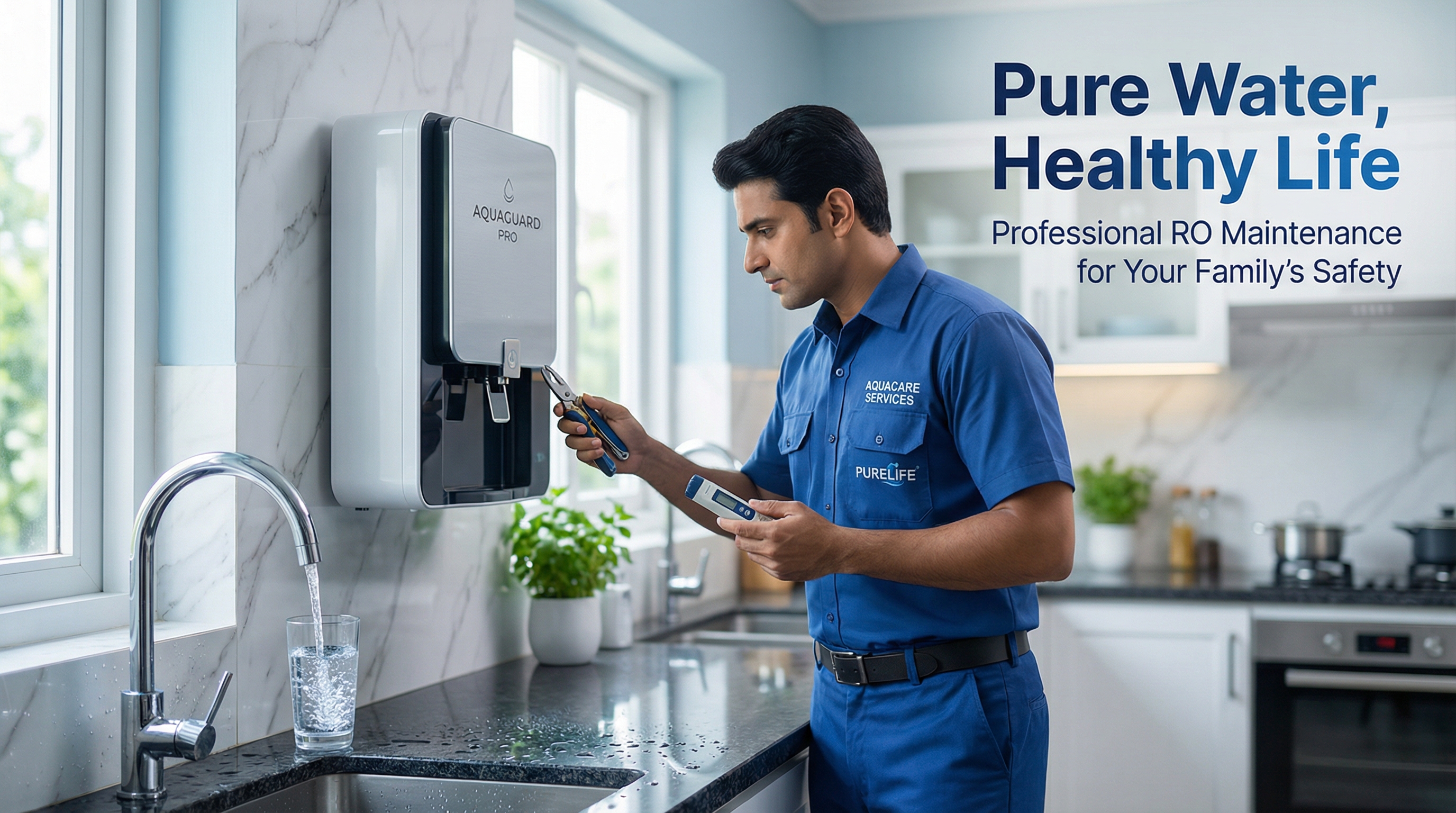
Why Regular RO Service Is Critical for Pure Water and System Longevity
Access to clean, safe drinking water stands as one of the most fundamental requirements for maintaining good health and wellbeing in modern households. With increasing concerns about water contamination, heavy metals, dissolved solids, and harmful microorganisms in municipal and groundwater supplies, reverse osmosis systems have become essential appliances in millions of homes across the country. These sophisticated filtration units work tirelessly to remove impurities and deliver crystal-clear water for drinking and cooking purposes. However, like any other mechanical system, these water purification devices require consistent attention and care to function at their optimal capacity.
The performance of a reverse osmosis purification system directly depends on how well its various components are maintained over time. When properly serviced, these systems can continue delivering high-quality water for years, protecting families from waterborne diseases and contaminants. Conversely, neglecting routine maintenance can lead to decreased efficiency, poor water taste, increased energy consumption, and ultimately, complete system failure. Understanding the importance of regular servicing helps homeowners make informed decisions about protecting their investment and ensuring their family's health.
Many households invest significant amounts in purchasing advanced water purification technology, yet overlook the critical aspect of ongoing maintenance. This oversight often results in diminished water quality, higher operational costs, and premature replacement needs. The components within these systems, particularly the membrane and pre-filters, work under constant pressure and exposure to contaminants, making them susceptible to wear and accumulation of impurities. Without timely intervention, these issues compound, transforming minor problems into major malfunctions that could have been easily prevented.
The relationship between consistent system care and water purity cannot be overstated. Every glass of water your family consumes passes through multiple filtration stages, each designed to remove specific contaminants. When these stages function properly, the result is refreshing, safe water. When they deteriorate due to lack of attention, the entire purification process becomes compromised, potentially exposing your household to the very contaminants you sought to eliminate. This comprehensive guide explores how regular attention to your purification system enhances water quality, extends equipment lifespan, and protects your family's health.
Understanding the Core Components Requiring Regular Attention
Reverse osmosis systems consist of several critical components that work in harmony to deliver purified water. The pre-filter cartridges serve as the first line of defense, capturing sediment, rust, sand, and larger particles before water reaches the delicate membrane. These filters typically require replacement every six to twelve months, depending on water quality and usage patterns. When pre-filters become clogged with accumulated debris, water flow decreases, pressure builds up, and the subsequent filtration stages face increased stress.
The semi-permeable membrane represents the heart of the purification system, responsible for removing dissolved solids, heavy metals, bacteria, viruses, and chemical contaminants. This thin-film composite membrane operates through molecular separation, allowing only water molecules to pass while rejecting impurities. Over time, scale deposits, organic matter, and bacterial growth can form on the membrane surface, reducing its effectiveness and lifespan. Professional cleaning or replacement becomes necessary to restore optimal performance.
Post-carbon filters provide the final polishing stage, removing any residual tastes, odors, or organic compounds that may have passed through earlier stages. These activated carbon filters also require periodic replacement to maintain water taste and quality. Additionally, storage tanks need sanitization to prevent bacterial growth in stagnant water, while pressure gauges, flow restrictors, and check valves require inspection to ensure proper system operation.
The Impact on Water Quality and Safety
Regular system upkeep directly translates to superior water quality that meets or exceeds safety standards. Fresh filter cartridges effectively capture contaminants, preventing them from reaching your glass. When filters become saturated beyond their capacity, they not only fail to remove new contaminants but may also release previously trapped impurities back into the water stream. This phenomenon, known as channeling or breakthrough, can occur without visible signs, silently compromising water safety.
Testing water quality before and after routine maintenance often reveals dramatic improvements in total dissolved solids reduction, contaminant removal efficiency, and overall purity levels. Systems receiving regular attention consistently produce water with TDS levels below fifty parts per million, while neglected units may output water with TDS readings exceeding two hundred or even matching input water quality. This difference significantly affects taste, cooking quality, and long-term health outcomes for family members, especially children and elderly individuals with compromised immune systems.
Beyond removing physical and chemical contaminants, proper system care prevents biological contamination. Stagnant water, aging filters, and unmaintained storage tanks create ideal breeding grounds for bacteria, algae, and biofilm formation. These microbiological hazards pose serious health risks, potentially causing gastrointestinal issues and other waterborne illnesses. Scheduled sanitization and component replacement eliminate these risks, ensuring every drop of water remains microbiologically safe for consumption.
Extending System Lifespan and Performance
Investing in quality water purification equipment represents a significant financial commitment for most households. Protecting this investment through regular care extends operational lifespan from the typical five years to ten years or more. When components receive timely replacement, the entire system experiences less stress, operates more efficiently, and delivers consistent performance throughout its extended service life. This longevity translates to better return on investment and delayed replacement costs.
The membrane, being the most expensive component, benefits tremendously from proper pre-filtration maintenance. When pre-filters effectively remove sediment and chlorine before water reaches the membrane, membrane lifespan extends significantly. A well-maintained membrane can function effectively for three to five years, while membranes in neglected systems may fail within twelve to eighteen months. This difference in longevity creates substantial cost savings and reduces environmental waste from premature component disposal.
System efficiency also remains optimal when components function as designed. Clean filters allow adequate water flow without excessive pressure buildup, reducing strain on pumps, fittings, and seals. This balanced operation minimizes wear on mechanical parts, prevents leaks, and maintains consistent water production rates. Homeowners notice faster filling times, better water pressure at dispensing points, and reduced electricity consumption when systems receive appropriate attention.
Different Approaches to System Care
Professional servicing offers the most comprehensive approach to maintaining purification systems. Trained technicians possess specialized knowledge about various models, access to genuine replacement parts, and proper tools for thorough cleaning and testing. During professional visits, technicians typically replace filter cartridges, inspect membrane condition, sanitize storage tanks, check pressure readings, test water quality, and identify potential issues before they escalate into major problems.
Some homeowners prefer handling basic maintenance tasks themselves, particularly filter replacements for standard cartridge types. This approach requires understanding system specifications, purchasing compatible replacement parts, and following manufacturer guidelines carefully. While cost-effective for routine filter changes, DIY maintenance may miss subtle issues that trained professionals would identify during comprehensive inspections. Combining periodic professional servicing with DIY basic maintenance often provides the best balance of cost savings and thorough care.
Scheduled maintenance plans offered by service providers ensure regular attention without requiring homeowners to remember service intervals. These plans typically include multiple annual visits, replacement parts, water quality testing, and priority response for emergency repairs. The convenience and comprehensive coverage make scheduled plans attractive for busy households wanting peace of mind regarding water quality and system reliability.
Leading Brands and Their Service Networks
Doctor Fresh has established a reputation for responsive service and quality maintenance across multiple purification system brands. Their technicians undergo regular training to stay updated on latest technologies and maintenance best practices. RO Care India specializes in comprehensive servicing, offering both scheduled maintenance plans and on-demand repairs with prompt response times. Mannubhai Service Expert brings decades of experience to water purification system care, providing thorough inspections and genuine replacement components.
Kent maintains an extensive service network supporting their popular range of purification systems, offering both authorized service centers and home service options. Their technicians receive brand-specific training ensuring proper maintenance procedures for different models. Aquaguard provides widespread service availability through authorized partners, making it convenient for customers to access professional maintenance regardless of location. Aquafresh focuses on customer education alongside technical service, helping users understand their systems better.
Pureit offers comprehensive care packages that include regular filter replacements and system checks, simplifying maintenance for busy households. Blue Star leverages their broad appliance service network to provide integrated water purifier maintenance alongside their other product lines. LG combines their electronics expertise with water purification technology, offering technical support and maintenance services through their established customer care infrastructure.
Recognizing Signs Your System Needs Attention
Several indicators signal the need for immediate maintenance intervention. Noticeable changes in water taste, such as chlorine flavor, metallic notes, or general unpleasantness, suggest filter saturation or membrane degradation. These taste alterations often appear gradually, making them easy to dismiss until they become pronounced. However, taste changes typically indicate that filtration effectiveness has already declined significantly, allowing contaminants through that previously would have been removed.
Reduced water flow from dispensing taps indicates blockages in filters, membrane fouling, or pressure regulation issues. When filling a glass takes noticeably longer than usual, filters have likely reached capacity and require replacement. Continuing operation with restricted flow increases pressure throughout the system, stressing connections and potentially causing leaks. Unusual noises during operation, such as gurgling, humming, or clicking sounds different from normal operation, also warrant professional inspection.
Visible signs like water leakage around connections, discoloration in storage tanks, or error indicators on digital displays require immediate attention. These symptoms often indicate component failure or serious contamination issues that could compromise water safety. Increased rejection water flow, where more water goes to drain compared to purified output, suggests membrane problems affecting efficiency and operating costs.
Seasonal Considerations and Water Source Variations
Water quality varies seasonally in many regions, affecting purification system demands. Monsoon periods often increase sediment loads in water supplies, causing faster pre-filter saturation. During these high-contamination seasons, more frequent filter changes maintain system performance and protect the membrane from premature fouling. Summer months may bring different challenges, including higher dissolved solids concentrations as water sources shrink, requiring attention to membrane cleaning and rejection settings.
Homes using different water sources, such as municipal supply versus borewell water, face varying maintenance requirements. Groundwater typically contains higher mineral content, leading to faster scale formation on membranes and requiring more frequent descaling treatments. Municipal water often has higher chlorine levels, necessitating more attention to carbon filter replacement to prevent chlorine damage to the membrane. Understanding your specific water source characteristics helps optimize maintenance schedules for maximum effectiveness.
Economic Benefits of Preventive Care
While regular maintenance involves ongoing costs, it prevents far more expensive repairs and premature system replacement. Replacing filter cartridges costs a fraction of membrane replacement, which in turn costs much less than purchasing a new purification system. The cumulative savings from extending component lifespan and maintaining efficiency significantly outweigh routine service expenses. Additionally, well-maintained systems consume less electricity and waste less water, reducing monthly utility expenses.
Health-related cost savings, though harder to quantify, represent substantial economic benefits. Access to consistently pure water reduces risks of waterborne illnesses, preventing medical expenses and lost productivity from sickness. For families with young children or members with health sensitivities, this protection provides invaluable peace of mind alongside tangible financial benefits. The investment in regular maintenance essentially functions as health insurance through water quality assurance.
Environmental Considerations
Proper system maintenance contributes to environmental sustainability in multiple ways. Extended component lifespan reduces waste generation from discarded filters and membranes. Manufacturing replacement parts requires energy and resources, so using components for their full intended lifespan rather than premature disposal reduces environmental impact. Well-maintained systems also operate more efficiently, consuming less electricity and wasting less water through optimal rejection ratios.
Preventing system failures through regular care avoids the environmental cost of manufacturing and transporting entire replacement units. Each complete system represents significant embodied energy from material extraction, manufacturing, packaging, and distribution. By maximizing the service life of existing equipment through proper maintenance, households reduce their environmental footprint while enjoying superior water quality. This sustainability aspect aligns with growing awareness about responsible consumption and resource conservation.
Conclusion
The journey toward ensuring pure, safe drinking water for your family extends beyond the initial purchase of a quality purification system. Regular, comprehensive maintenance forms the foundation of sustained water quality, system reliability, and long-term cost effectiveness. Through timely filter replacements, membrane care, sanitization, and professional inspections, households protect their health investment while maximizing equipment value. The relationship between consistent system attention and water purity remains direct and undeniable, with well-maintained units delivering superior performance year after year.
Understanding the components requiring regular care, recognizing warning signs of maintenance needs, and accessing professional services when appropriate empowers homeowners to take control of their water quality. Whether choosing professional maintenance plans, combining DIY efforts with periodic expert servicing, or relying entirely on trained technicians, the commitment to regular system care pays dividends in water safety, equipment longevity, and family health. As water quality concerns continue growing, the importance of maintaining purification systems becomes increasingly critical for protecting household wellbeing and ensuring access to pure drinking water for years to come.
Frequently Asked Questions
Q - How often should I replace the filters in my water purification system?
A - Filter replacement frequency depends on your water quality and household usage patterns. Pre-filters typically need replacement every six to twelve months, as they capture sediment and larger particles. Post-carbon filters also require changing within similar timeframes to maintain taste quality. The semi-permeable membrane, being the most critical component, usually lasts three to five years when properly maintained. However, if you notice changes in water taste, reduced flow, or increased filling times, filters may need earlier replacement regardless of the schedule.
Q - What are the warning signs that my water purification system needs immediate maintenance?
A - Several indicators signal urgent maintenance needs. Noticeable changes in water taste, such as chlorine flavor or metallic notes, suggest filter saturation or membrane problems. Reduced water flow from taps indicates blockages or pressure issues requiring attention. Unusual operational noises different from normal sounds, visible leakage around connections, or error indicators on displays all warrant immediate professional inspection. Increased water waste going to drain compared to purified output also signals efficiency problems that need addressing.
Q - Can neglecting regular maintenance affect my family's health?
A - Yes, inadequate maintenance can seriously compromise water safety and family health. When filters become saturated beyond capacity, they fail to remove contaminants and may release previously trapped impurities back into drinking water. Unmaintained storage tanks and aging components create breeding grounds for bacteria, algae, and biofilm formation, posing risks of gastrointestinal issues and waterborne illnesses. Children and elderly family members with compromised immune systems face particular vulnerability. Regular maintenance ensures consistent removal of physical, chemical, and biological contaminants, protecting your household's health.
Q - Is professional servicing necessary, or can I maintain the system myself?
A - Both approaches have merit, and many households benefit from combining them. Basic filter replacements can be handled by homeowners who understand their system specifications and follow manufacturer guidelines carefully. However, professional servicing provides comprehensive care including membrane inspection, storage tank sanitization, pressure testing, water quality analysis, and early detection of potential issues. Trained technicians possess specialized knowledge and proper tools for thorough maintenance. A balanced approach—handling routine filter changes yourself while scheduling periodic professional inspections—often provides optimal cost-effectiveness and system reliability.