

Complete RO Water Purifier Service and Care Manual
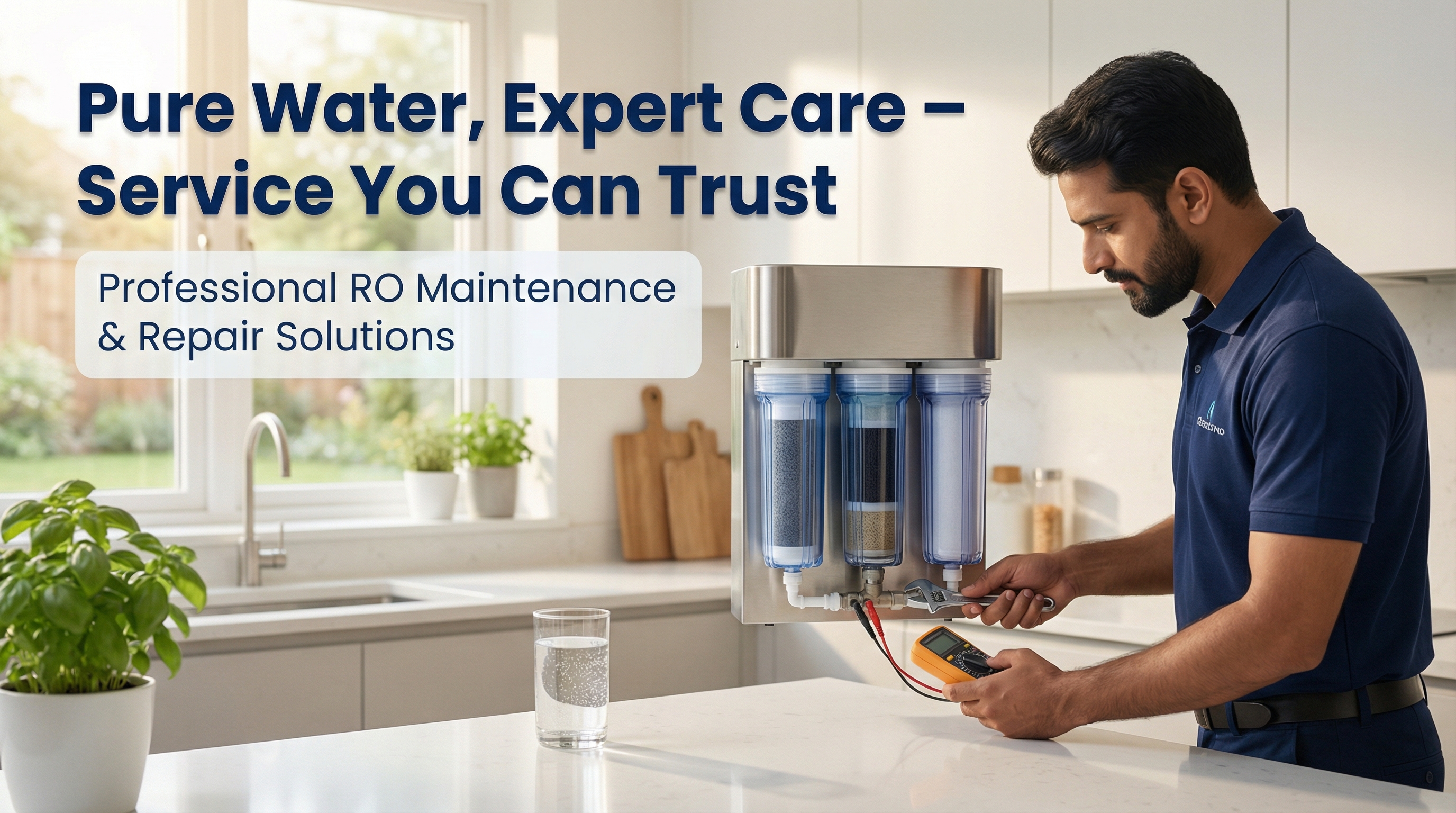
Access to clean drinking water remains a fundamental necessity for every household, and reverse osmosis systems have become increasingly popular for ensuring water purity.
These sophisticated filtration systems require regular attention and professional care to function optimally and deliver safe, contaminable-free water to your family. Understanding the importance of proper maintenance can significantly extend the lifespan of your purification system while ensuring consistent water quality throughout the year.
Many homeowners invest in advanced filtration systems but often overlook the critical aspect of routine servicing and upkeep. Without proper attention, even the most expensive purification equipment can develop problems that compromise water quality and system efficiency. Regular professional inspection and maintenance not only prevent costly breakdowns but also ensure that your investment continues to protect your family's health effectively. The accumulation of sediments, mineral deposits, and bacterial growth can severely impact performance if left unaddressed.
The complexity of modern reverse osmosis technology means that various components work together in harmony to remove impurities from your drinking water. Each element, from pre-filters to membranes and storage tanks, plays a specific role in the purification process. When one component begins to fail or becomes clogged, it affects the entire system's performance, leading to reduced water flow, poor taste, and potentially harmful contaminants passing through. Professional servicing ensures that every part functions as designed.
Establishing a comprehensive maintenance schedule and understanding when to call for professional assistance can make the difference between a system that lasts five years and one that provides reliable service for a decade or more. This guide explores everything you need to know about maintaining your reverse osmosis system, recognizing warning signs of trouble, understanding service costs, and finding qualified technicians in your area. Armed with this knowledge, you can make informed decisions about your water purification system's care and ensure your family always has access to clean, safe drinking water.
Understanding the Fundamentals of Reverse Osmosis System Care
Reverse osmosis purification systems operate through multiple stages of filtration, with each stage targeting specific contaminants. The pre-filters remove larger particles like sediment, rust, and chlorine, protecting the delicate semipermeable membrane from damage. This membrane, the heart of the system, removes dissolved solids, heavy metals, and microscopic contaminants. Post-filters then polish the water before it reaches your tap, ensuring optimal taste and odor removal. Understanding this process helps you appreciate why regular servicing matters.
The frequency of maintenance depends on several factors, including water quality in your area, daily water consumption, and the specific model you own. Hard water areas with high mineral content require more frequent filter changes because sediment accumulates faster. Similarly, households with higher water usage put more strain on the system, necessitating more frequent attention. Most manufacturers recommend professional inspection every six months, with filter replacements occurring at intervals ranging from six months to two years, depending on the component.
Signs that your system needs immediate attention include decreased water flow, which often indicates clogged filters or membrane fouling. Changes in water taste or odor suggest that filters have reached capacity and can no longer effectively remove contaminants. Unusual noises from the system, such as gurgling or constant running, may indicate problems with the storage tank or automatic shut-off valve. Visible leaks, water appearing cloudy, or the system rejecting excessive water are also clear indicators that professional service is required.
Preventive maintenance offers numerous benefits beyond just clean water. Regular servicing reduces energy consumption because a well-maintained system operates more efficiently. It prevents expensive emergency repairs that often result from neglected minor issues. Proper maintenance also ensures that warranty coverage remains valid, as most manufacturers require documented regular servicing. Most importantly, it protects your family's health by ensuring contaminants are consistently removed from your drinking water.
Essential Components Requiring Regular Attention
Sediment pre-filters form the first line of defense in your purification system, capturing visible particles, dirt, sand, and rust before they reach more sensitive components. These filters typically require replacement every six to twelve months, depending on your water quality. Neglecting sediment filter changes leads to reduced water pressure throughout the system and can cause premature failure of downstream components. Regular replacement maintains optimal flow rates and protects expensive membrane elements.
Carbon pre-filters and post-filters remove chlorine, volatile organic compounds, and substances that affect taste and odor. These filters also protect the membrane from chlorine damage, which can permanently compromise its effectiveness. Carbon filters generally need replacement every six to twelve months, though this varies based on chlorine levels in your municipal water supply. Exhausted carbon filters not only fail to remove contaminants but can also become breeding grounds for bacteria.
The semipermeable membrane represents the most critical and expensive component in your reverse osmosis system. Under normal conditions with proper pre-filtration, membranes can last two to four years before requiring replacement. However, poor water quality, inadequate pre-filter maintenance, or excessive hardness can shorten this lifespan significantly. Professional technicians can test membrane performance to determine when replacement becomes necessary, helping you avoid premature replacement while ensuring adequate contaminant rejection.
Storage tanks require periodic sanitization to prevent bacterial growth and maintain water freshness. The tank's air bladder may also need pressure adjustment to ensure proper system operation and adequate flow at the faucet. Neglected storage tanks can develop musty odors or become contaminated, defeating the purpose of water purification. Professional servicing includes tank inspection, sanitization, and pressure testing to ensure this often-overlooked component functions correctly.
Professional Service Procedures and Protocols
Comprehensive professional servicing begins with a thorough system inspection, checking all connections for leaks, corrosion, or wear. Technicians examine tubing for cracks or kinks that might restrict flow and inspect mounting hardware for stability. This visual assessment often reveals potential problems before they cause system failure, allowing for proactive repairs that prevent water damage or complete system shutdown.
Filter and membrane replacement follows manufacturer specifications and considers your specific water conditions. Professional technicians carry genuine replacement parts designed for your system model, ensuring proper fit and performance. They also dispose of used filters properly and can provide documentation of the service for warranty purposes. During replacement, technicians inspect housing seals and o-rings, replacing them if wear is evident to prevent future leaks.
System sanitization represents a critical aspect of professional servicing that many homeowners overlook. Technicians use food-grade sanitizing solutions to clean the entire system, eliminating any bacterial growth or biofilm that may have accumulated. This process involves disassembling components, treating all surfaces, thoroughly flushing the system, and reassembling everything properly. Sanitization is particularly important after extended periods of non-use or when taste and odor issues develop.
Performance testing and adjustment ensure your system operates at peak efficiency after servicing. Technicians measure water quality using professional meters that check total dissolved solids levels, comparing input and output water to verify proper contaminant rejection. They adjust system pressure if necessary, test the automatic shut-off valve, and verify that the drain line flows appropriately. These measurements provide objective confirmation that your system delivers the water quality you expect.
Common Problems and Troubleshooting Approaches
Low water pressure at the faucet frustrates many system owners and can stem from multiple causes. Clogged pre-filters are the most common culprit, restricting flow before water reaches the membrane. A fouled membrane, depleted storage tank pressure, or kinked tubing can also reduce flow. Professional diagnosis identifies the specific cause, allowing for targeted repairs rather than unnecessary part replacement. Sometimes, simply adjusting the system's pressure or replacing inexpensive pre-filters restores normal flow.
Water quality issues manifesting as unusual taste, odor, or appearance indicate filter exhaustion or membrane damage. Chlorine taste suggests carbon filter depletion, while metallic tastes might indicate membrane breakthrough or contamination from system components. Cloudy water can result from excessive air in the system or bacterial growth. Professional testing determines whether filter replacement, system sanitization, or membrane replacement is required to restore water quality.
Continuous drain water flow wastes water and increases utility costs while indicating problems with the automatic shut-off valve or check valve. These components regulate system operation, shutting off water flow and waste drainage when the storage tank fills. Mineral deposits, debris, or component wear can prevent proper valve operation. Technicians can clean, adjust, or replace these relatively inexpensive components to eliminate waste and restore proper system cycling.
Leaking connections or cracked housings require immediate attention to prevent water damage. Leaks often develop at connection points due to improper installation, worn o-rings, or over-tightening. Housing cracks can result from freezing, excessive pressure, or impact damage. While minor connection leaks sometimes respond to simple tightening, persistent leaks or housing damage require professional repair with proper parts and techniques to ensure long-term reliability.
Regular Maintenance Tasks Homeowners Can Perform
Between professional service visits, homeowners can perform simple maintenance tasks that support system health and performance. Regularly checking for visible leaks around connections, filters, and the storage tank allows early detection of problems before they cause significant damage. Visually inspecting tubing for kinks or damage takes only minutes but can prevent flow restrictions and system stress. Keeping the area around your system clean and dry also helps prevent corrosion and makes leaks easier to detect.
Monitoring water quality changes helps identify when professional service is needed. Pay attention to taste, odor, and appearance changes, as these often indicate exhausted filters or other problems. Many systems include indicators that signal when filter changes are due based on time or water volume processed. Following these indicators and scheduling service promptly prevents minor issues from becoming major problems that require expensive repairs.
Maintaining records of all service performed, including dates and components replaced, helps establish proper maintenance intervals for your specific conditions. This documentation proves valuable for warranty claims and helps technicians diagnose recurring problems. Recording any changes in system behavior, unusual sounds, or performance issues provides technicians with information that aids diagnosis and repair.
Understanding your system's basic operation allows you to recognize abnormal behavior quickly. Familiarize yourself with normal sounds, typical water production time, and expected flow rates at your faucet. This baseline knowledge helps you identify changes that might indicate developing problems, allowing you to call for service before complete system failure occurs. Reading your owner's manual provides valuable information about your specific model's operation and maintenance requirements.
Different Approaches to System Maintenance
Annual maintenance contracts offered by many service providers include scheduled visits, priority service, and discounted repairs. These agreements ensure your system receives regular professional attention without you needing to remember scheduling. Contract holders often receive faster service during emergencies and may get reduced pricing on replacement parts. For busy homeowners or those who prefer predictable maintenance costs, annual contracts provide peace of mind and consistent system care.
Pay-per-service maintenance allows flexibility for homeowners comfortable with tracking their own service intervals. This approach works well if you have a newer system, excellent water quality, or lower water consumption that extends filter life. You call for service when indicators suggest maintenance is needed or problems develop. While potentially less expensive than contracts, this approach requires diligence to avoid neglecting necessary maintenance.
Do-it-yourself maintenance appeals to technically inclined homeowners willing to learn their system's operation and maintenance procedures. Many routine tasks like filter replacement can be performed by homeowners with basic tools and careful attention to instructions. However, this approach requires purchasing the correct replacement parts, following proper procedures, and recognizing when professional help is necessary. DIY maintenance saves money but demands time and willingness to learn.
Hybrid approaches combining professional annual servicing with homeowner filter changes between visits offer a balance of convenience and cost savings. Professional technicians handle complex tasks like membrane replacement, system sanitization, and performance testing during annual visits. Homeowners replace pre-filters and post-filters as needed between professional services. This approach provides professional oversight while reducing service costs and maintaining optimal performance.
Trusted Service Providers and Brand Support
Doctor Fresh has established a reputation for reliable service across multiple purifier brands, offering skilled technicians and quality replacement parts. Their technicians receive regular training on the latest purification technologies and maintain stocks of common replacement components for faster service completion. Many customers appreciate their transparent pricing and willingness to explain necessary repairs before proceeding.
RO Care India specializes in comprehensive maintenance solutions with a focus on customer education and long-term system health. Their service approach emphasizes preventive maintenance over reactive repairs, helping customers avoid costly breakdowns. They offer detailed service reports documenting all work performed and provide recommendations for optimizing system performance based on specific water conditions.
Mannubhai Service Expert brings decades of experience to purification system maintenance, serving both residential and commercial customers. Their technicians are known for thorough diagnostics that identify root causes rather than simply addressing symptoms. This approach leads to more effective repairs and longer intervals between service calls, ultimately saving customers money while ensuring consistent water quality.
Kent provides factory-authorized service for its systems through a network of trained technicians who understand the specific requirements of Kent models. Using genuine Kent replacement parts ensures compatibility and maintains warranty coverage. Their service centers stock components for quick turnaround and offer annual maintenance programs tailored to different system models.
Aquaguard offers comprehensive support through its extensive service network, providing rapid response times and experienced technicians familiar with all Aquaguard models. Their service programs include regular maintenance reminders and online scheduling for convenience. Aquaguard technicians carry diagnostic equipment that accurately assesses system performance and identifies problems quickly.
Aquafresh maintains service capabilities for its purification systems with trained personnel who understand the unique features of Aquafresh technology. Their service approach emphasizes using quality replacement parts and following manufacturer specifications to ensure optimal system performance and longevity.
Pureit provides factory support for its systems through authorized service centers staffed by trained technicians. Their germkill kit and filter replacement services ensure systems continue delivering the purification performance for which Pureit is known. Service documentation helps customers track maintenance and maintain warranty validity.
Blue Star offers professional service through its network of authorized centers, bringing its reputation for quality and reliability to purification system maintenance. Their technicians receive regular updates on new technologies and service procedures, ensuring competent care for both newer and older system models.
LG supports its purification systems through trained service personnel familiar with LG's specific technologies and design approaches. Their service network provides convenient access to qualified technicians and genuine replacement parts, maintaining the quality standards LG customers expect.
Cost Considerations and Budgeting for Maintenance
Basic service visits typically cost between fifteen hundred and three thousand rupees, depending on your location, service provider, and system complexity. This fee usually covers labor for inspection, minor adjustments, and recommendations for any necessary repairs or replacements. Understanding baseline service costs helps you budget appropriately and avoid surprise expenses.
Replacement filters represent the most frequent recurring expense, with costs varying based on filter type and quality. Sediment and carbon pre-filters are relatively inexpensive, typically costing two hundred to six hundred rupees each. Post-filters fall in a similar price range. Membrane replacements represent a larger investment, generally ranging from two thousand to six thousand rupees depending on membrane quality and system model. Budgeting for filter replacements based on recommended intervals prevents financial surprises.
Additional repairs beyond routine maintenance can significantly increase service costs. Common repairs like replacing the automatic shut-off valve, pressure switch, or flow restrictor typically cost between five hundred and two thousand rupees for parts plus labor. Storage tank replacement, if necessary, might cost three thousand to six thousand rupees. Faucet replacement adds eight hundred to three thousand rupees depending on faucet style. Understanding potential repair costs helps you make informed decisions about whether to repair or replace aging systems.
Annual maintenance costs, including regular filter replacements and professional service, typically total between five thousand and ten thousand rupees for most households. Systems in hard water areas or high-usage homes may exceed this range. While this represents a significant annual expense, it remains far less than the cost of bottled water for a family or the expense of replacing a neglected system that fails prematurely. Viewing maintenance as an investment in health and system longevity makes it easier to budget appropriately.
Finding Qualified Service Technicians in Your Area
Online searches for service providers in your locality yield numerous options, but evaluating quality requires careful consideration. Look for providers with established businesses, physical addresses, and verifiable contact information rather than those operating solely through mobile phones. Read customer reviews on multiple platforms to identify consistent patterns of satisfaction or complaint. Pay attention to how providers respond to negative reviews, as this reveals their commitment to customer satisfaction.
Manufacturer-authorized service centers offer the advantage of brand-specific training and access to genuine replacement parts. If your system is still under warranty, using authorized service may be required to maintain coverage. Manufacturers typically list authorized service providers on their websites or provide contact information through customer service departments. Authorized providers often have access to technical support from manufacturers when dealing with unusual problems.
Independent service providers may offer competitive pricing and more flexible scheduling than authorized centers. Many independent technicians have extensive experience across multiple brands, providing valuable comparative knowledge. When considering independent providers, verify their experience with your specific brand and model. Ask about part sources to ensure they use quality components rather than substandard substitutes that might compromise system performance or longevity.
Personal recommendations from neighbors, friends, or family members who own similar systems provide valuable insights into service quality and reliability. People with direct experience can share information about pricing transparency, technician professionalism, and long-term satisfaction with repairs performed. Local community groups on social media platforms often yield multiple recommendations and honest feedback about service providers in your area.
Maximizing System Lifespan Through Proper Care
Water quality testing before installation helps select the appropriate system configuration for your specific conditions and establish baseline performance expectations. Understanding your water's hardness, chlorine content, and contamination levels allows for proper pre-treatment if necessary and realistic filter life estimates. Periodic retesting verifies that your system continues removing contaminants effectively and can reveal changes in water quality that might require system adjustments.
Pre-treatment for extremely hard water extends membrane life significantly by preventing scale formation that can permanently damage this expensive component. Water softeners or scale inhibitors installed before reverse osmosis systems reduce mineral buildup throughout the system. While adding upfront cost and complexity, pre-treatment often pays for itself through extended membrane life and reduced maintenance requirements in challenging water conditions.
Proper installation following manufacturer specifications prevents many problems that appear later as system failures. Incorrect pressure, improper drain line configuration, or inadequate support for components creates stress that shortens system life. Professional installation by qualified technicians ensures correct configuration from the start, avoiding problems that might otherwise compromise long-term reliability and performance.
Timely filter replacement according to manufacturer recommendations or sooner in poor water conditions prevents cascade failures where one neglected component damages others. Exhausted sediment filters that allow particles to reach the membrane can cause permanent membrane damage costing thousands of rupees to repair. The relatively small cost of timely filter replacement prevents much larger expenses resulting from neglect.
Environmental Considerations in System Maintenance
Water waste from reverse osmosis systems concerns environmentally conscious homeowners, as these systems reject water containing removed contaminants. Modern efficient systems minimize waste, but proper maintenance ensures they operate at designed efficiency levels. Clogged filters or worn membranes increase rejection ratios, wasting more water than properly maintained systems. Regular maintenance keeps waste at minimum designed levels.
Proper disposal of used filters and membranes prevents environmental contamination from accumulated pollutants. Many service providers collect used components for proper disposal or recycling rather than allowing them to enter landfills. When performing DIY maintenance, research proper disposal methods in your area for used filters containing concentrated contaminants removed from your water.
Extending system component life through proper care reduces waste and consumption of resources required to manufacture replacement parts. Gentle treatment, protection from temperature extremes, and proper shutdown procedures during extended absences help components reach or exceed their designed lifespan. This approach benefits both your budget and the environment by reducing manufacturing demand and waste generation.
Energy efficiency varies among systems, with properly maintained units consuming less electricity than neglected ones working harder to produce the same water volume. Regular maintenance keeps motors, valves, and other electrical components operating efficiently. When replacement becomes necessary, considering energy-efficient models reduces long-term electrical consumption and operating costs.
Safety Considerations During Maintenance and Service
Water safety during filter changes requires proper hand washing before and after handling components to prevent introducing contamination. Using clean tools and working in a clean area reduces contamination risk. Following proper filter installation procedures, including flushing new filters thoroughly before consumption, removes manufacturing residues and carbon fines that can affect taste and appearance.
Electrical safety matters when working around systems with electrical components like UV lamps or booster pumps. Turning off power before performing maintenance prevents shock hazards. Keeping electrical connections dry and protected from water exposure prevents shorts and potential fire hazards. Professional technicians follow safety protocols that protect both themselves and your home.
Pressure relief before disconnecting components prevents water spray injuries and household water damage. Most systems include pressure relief methods detailed in owner manuals. Following proper procedures when replacing filters or other components ensures safe maintenance without unexpected releases of pressurized water that could cause slips, falls, or water damage to nearby belongings.
Chemical safety during sanitization requires proper handling of sanitizing solutions according to label directions. While food-grade sanitizers are relatively safe, they can still cause skin or eye irritation with improper handling. Wearing appropriate protective equipment and ensuring adequate ventilation during sanitization protects health. Thorough flushing after sanitization prevents residual sanitizer from entering drinking water.
Seasonal Considerations for System Care
Winter protection in cold climates prevents freeze damage that can crack housings, damage membranes, and rupture storage tanks. Systems in unheated locations require proper insulation or heating to maintain temperatures above freezing. Draining systems before extended winter absences removes water that could freeze and cause expensive damage. Some homeowners install recirculation systems that keep water moving to prevent freezing.
Summer challenges in hot climates include bacterial growth acceleration in storage tanks and rapid filter exhaustion from increased water consumption. Higher temperatures create ideal conditions for bacterial proliferation if systems remain unused for extended periods. More frequent sanitization may be necessary in hot climates. Increased summer water usage may also shorten filter life, requiring more frequent replacement than in cooler seasons.
Monsoon season considerations include potential water quality changes from increased surface runoff entering water supplies. Sediment filters may clog faster during monsoon periods, requiring more frequent replacement. Increased turbidity and contamination loads can stress systems designed for normal water conditions. Monitoring system performance during monsoon season and scheduling additional maintenance if needed ensures continued water quality.
Holiday shutdown procedures protect systems during extended family vacations or seasonal home closures. Proper shutdown involves isolating the system from water supply, depressurizing components, and sometimes draining storage tanks to prevent stagnation. Following manufacturer shutdown procedures prevents problems when restarting systems after extended periods of inactivity. Professional service after extended shutdowns ensures systems return to optimal operation.
Securing Clean Water for Your Family's Future
Maintaining your reverse osmosis purification system represents an investment in your family's health and wellbeing that pays dividends far beyond the monetary costs involved. Clean, safe drinking water free from contaminants, heavy metals, and harmful microorganisms provides peace of mind that cannot be quantified in rupees alone. Regular professional service ensures this vital resource remains consistently available to your household regardless of external water quality fluctuations.
The comprehensive approach to system care outlined in this guide empowers you to make informed decisions about maintenance timing, service provider selection, and budget allocation for this essential household system. Understanding the components requiring attention, recognizing warning signs of problems, and knowing when to call professionals prevents minor issues from becoming major failures. This knowledge transforms you from a passive system owner into an active participant in protecting your investment and your family's health.
Establishing relationships with qualified service providers before emergencies occur ensures faster response when problems develop. Regular maintenance builds familiarity between technicians and your specific system, often leading to faster diagnosis and more effective repairs. Service providers who know your system's history can identify patterns and recommend preventive measures specific to your water conditions and usage patterns.
The peace of mind that comes from knowing your purification system receives proper care and attention allows you to focus on other aspects of family life without worrying about water quality. Whether you choose annual service contracts, periodic professional maintenance, or a combination of professional and DIY care, committing to regular system attention ensures the clean water flowing from your tap today continues flowing for years to come. Your family's health depends on the quality of water they consume daily, making purification system maintenance one of the most important household responsibilities you undertake.
Q - How often should I schedule professional service for my reverse osmosis purification system?
A - Most systems require professional inspection every six months, though the exact frequency depends on your water quality and household usage. Homes with hard water or high consumption may need more frequent attention. Filter replacements typically occur at intervals ranging from six months to two years depending on the component. Regular professional servicing prevents costly breakdowns and ensures consistent water quality while maintaining warranty validity.
Q - What are the warning signs that my purification system needs immediate professional attention?
A - Several indicators suggest your system requires servicing: decreased water flow often means clogged filters or membrane fouling; changes in taste or odor indicate exhausted filters; unusual noises like gurgling or constant running point to tank or valve problems; visible leaks require immediate attention to prevent water damage. Additionally, cloudy water appearance or excessive water rejection are clear signs that professional service is needed to restore proper system function.
Q - What is the typical annual cost of maintaining a reverse osmosis system including filters and service?
A - Annual maintenance costs typically range between five thousand and ten thousand rupees for most households, including regular filter replacements and professional service visits. Basic service visits cost fifteen hundred to three thousand rupees, while individual filters range from two hundred to six hundred rupees for pre-filters and post-filters. Membrane replacements, needed every two to four years, cost two thousand to six thousand rupees. Systems in hard water areas or high-usage homes may exceed these ranges.
Q - Can homeowners perform any maintenance tasks themselves between professional service visits?
A - Yes, homeowners can handle several simple maintenance tasks that support system health. Regularly check for visible leaks around connections and inspect tubing for kinks or damage. Monitor water quality changes in taste, odor, and appearance to identify when service is needed. Maintain records of all service performed and component replacements. Many technically inclined homeowners can also replace pre-filters and post-filters themselves with basic tools, though complex tasks like membrane replacement and system sanitization are best left to professionals.
Stay informed about the latest advances in water purification technology and maintenance best practices. Understanding how different water conditions affect your system's performance helps you make better decisions about care schedules and component replacements. Explore additional resources about water quality testing, seasonal maintenance adjustments, and emerging filtration technologies that can enhance your home's water safety and system longevity for years to come.