

Understanding Professional Water Purification System Service Expenses in India
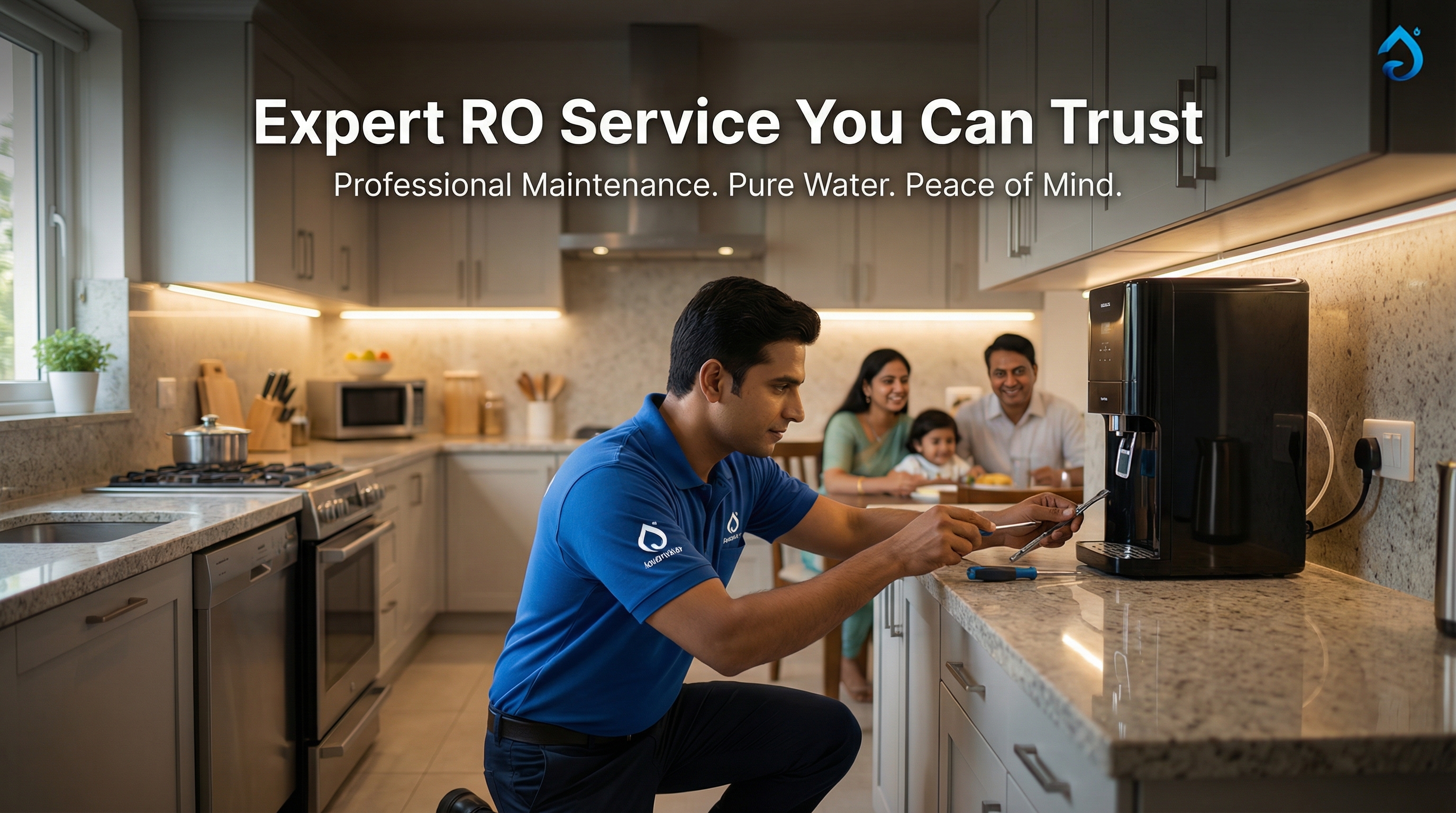
Access to Clean Drinking Water in Modern India
Access to clean drinking water remains a fundamental necessity for every household in India. With increasing awareness about waterborne diseases and contamination, reverse osmosis water purification systems have become an integral part of modern Indian homes. These sophisticated devices ensure that families consume safe, purified water free from harmful contaminants, dissolved solids, and microorganisms. However, many homeowners overlook a crucial aspect of owning these purification systems: the ongoing expenses associated with their upkeep and professional servicing.
The financial commitment extends far beyond the initial purchase price of these water treatment appliances. Regular professional attention, component replacements, and periodic inspections form an essential part of responsible ownership. Without proper maintenance, even the most advanced purification systems can lose efficiency, produce poor quality water, or fail completely. Understanding these recurring expenses helps households budget appropriately and avoid unexpected financial burdens while ensuring continuous access to safe drinking water.
The expenses associated with maintaining these sophisticated water treatment systems vary significantly based on numerous factors. Geographic location, brand reputation, system capacity, existing warranty coverage, and the specific nature of required interventions all influence the final amount homeowners must invest. Some regions command higher service charges due to limited technician availability, while metropolitan areas often offer competitive pricing due to abundant service providers. The complexity of modern purification technology means that professional expertise becomes indispensable for proper upkeep.
This comprehensive exploration examines every financial aspect related to maintaining reverse osmosis water purification systems across India. From understanding standard service visit charges to component replacement expenses, annual maintenance contracts to emergency repair costs, this guide provides detailed insights that empower homeowners to make informed decisions about their water purification investments and ongoing maintenance strategies.
Breaking Down Standard Service Visit Charges
Professional service visits typically represent the most frequent maintenance expense for water purification system owners. A standard service call generally includes comprehensive system inspection, cleaning of essential components, filter condition assessment, membrane examination, and minor adjustments to optimize performance. Across India, the cost for basic service visits ranges between 300 to 800 rupees depending on location and service provider reputation. Metropolitan cities like Mumbai, Delhi, and Bangalore tend toward the higher end of this spectrum, while smaller towns and rural areas often feature more affordable pricing structures.
The frequency of these professional visits significantly impacts annual expenses. Most manufacturers recommend quarterly servicing for optimal performance, translating to four service calls annually. However, water quality in your area plays a crucial role in determining actual servicing needs. Regions with extremely hard water or high total dissolved solids may require more frequent attention, while areas with relatively cleaner municipal water supply might extend intervals between professional visits. Homeowners should balance manufacturer recommendations with local water conditions when planning their maintenance schedule.
Authorized service centers typically charge premium rates compared to independent technicians, but this premium often includes genuine replacement parts, trained personnel, and warranty protection. Authorized service providers usually charge between 500 to 800 rupees per visit, while independent technicians might offer services starting from 300 rupees. The choice between authorized and independent servicing involves weighing cost savings against quality assurance, warranty implications, and long term system reliability. Many homeowners prefer authorized services during warranty periods and consider independent options afterward.
Emergency service calls command substantially higher charges than scheduled maintenance visits. When purification systems fail unexpectedly or produce contaminated water, homeowners often require immediate professional intervention. Emergency service charges can range from 800 to 1500 rupees, with additional costs for after hours or holiday services. Some service providers implement tiered pricing structures where immediate response within two hours costs more than same day service with flexible timing. Understanding these pricing variations helps homeowners decide when emergency intervention truly becomes necessary versus scheduling regular service appointments.
Component Replacement and Associated Expenses
Filter cartridges represent the most frequently replaced components in reverse osmosis purification systems. These essential elements remove sediment, chlorine, organic compounds, and other contaminants before water reaches the delicate membrane. Pre filters typically require replacement every six to twelve months, while post filters last between twelve to eighteen months under normal usage conditions. Individual filter cartridges range from 200 to 800 rupees depending on type and brand, with sediment filters being most affordable and activated carbon filters commanding higher prices. Complete filter sets including multiple stages often cost between 1500 to 3500 rupees.
The reverse osmosis membrane constitutes the heart of the purification system and represents the most significant component replacement expense. This semi permeable membrane performs the critical function of removing dissolved solids, heavy metals, and microscopic contaminants. Quality membranes typically last between two to three years with proper maintenance, though lifespan varies based on input water quality and daily usage volume. Membrane replacement costs range dramatically from 1500 rupees for standard capacity membranes to 4000 rupees or more for high efficiency or higher capacity variants. Premium membranes from reputable manufacturers justify their higher cost through superior performance and extended operational life.
Storage tanks occasionally require replacement due to physical damage, internal bladder failure, or persistent contamination issues. While these replacements occur less frequently than filters or membranes, the associated expenses deserve consideration in long term budgeting. Storage tank prices vary based on capacity, ranging from 1200 rupees for compact models to 3500 rupees for larger capacity variants. Some systems use specialized tanks with built in sterilization features or food grade materials that command premium pricing. Tank replacement also involves labor charges as installation requires proper connections and pressure testing.
Additional components like faucets, flow restrictors, check valves, and pressure regulators occasionally need replacement due to wear, corrosion, or mechanical failure. Individual small components typically cost between 100 to 500 rupees, while complete faucet assemblies range from 400 to 1200 rupees depending on material quality and design complexity. Ultraviolet lamps in systems equipped with UV sterilization require annual replacement at costs between 800 to 2000 rupees. Accumulating these various component expenses over a typical five year ownership period reveals the substantial ongoing investment required for maintaining optimal purification system performance.
Annual Maintenance Contract Options and Value Proposition
Comprehensive annual maintenance contracts provide an alternative to pay per visit service models. These agreements typically include scheduled service visits, basic component replacements, priority response times, and discounted rates for major repairs or parts not covered under the standard package. Contract pricing varies significantly based on inclusions, with basic packages starting around 2000 rupees annually and comprehensive plans reaching 6000 rupees or more. The value proposition depends heavily on actual usage, water quality conditions, and historical maintenance requirements for your specific system.
Basic annual contracts usually include three to four scheduled service visits, covering routine cleaning, minor adjustments, and performance testing. These entry level packages typically exclude filter replacements, membrane changes, or component repairs, requiring additional payment when such services become necessary. Mid tier contracts often incorporate one complete filter set replacement annually, representing better value for households requiring regular filter changes. Premium contracts may include all consumables, unlimited service visits, and comprehensive parts coverage, essentially converting unpredictable maintenance expenses into fixed annual costs.
Evaluating contract value requires comparing total included services against individual service pricing. For households requiring quarterly servicing at 600 rupees per visit plus one annual filter set at 2500 rupees, the total independent cost reaches 4900 rupees. A comprehensive contract priced at 5500 rupees that includes these services plus priority support and additional benefits might represent reasonable value. However, households with excellent local water quality requiring minimal intervention might find contracts less economical than pay as needed servicing. Careful assessment of your specific situation determines whether contracts provide genuine savings or unnecessary expense.
Contract terms warrant careful examination before commitment. Some agreements include automatic renewal clauses, penalty charges for early termination, or restrictions on service provider choice if system relocation becomes necessary. Understanding whether contracts transfer to new owners if you relocate, what constitutes legitimate service call reasons, and how quickly providers respond to service requests helps avoid future disappointments. Reading fine print regarding what components qualify for coverage and any maximum claim limits prevents misunderstandings when significant repairs become necessary. Transparent contracts from reputable providers clearly outline all inclusions, exclusions, and terms without ambiguous language.
Regional Cost Variations Across India
Geographic location substantially influences service expenses due to technician availability, transportation costs, local competition levels, and regional economic conditions. Metropolitan areas including Mumbai, Delhi, Bangalore, Hyderabad, Chennai, and Pune generally feature higher service charges reflecting elevated living costs and operating expenses for service businesses. In these cities, standard service visits typically range from 500 to 800 rupees, with premium brands commanding even higher rates. However, metropolitan areas also offer abundant technician choices, creating competitive pressure that can moderate prices compared to monopolistic rural markets.
Tier two cities like Ahmedabad, Jaipur, Lucknow, Chandigarh, and Kochi demonstrate moderate pricing structures balancing affordability with quality service availability. These markets typically see service charges between 400 to 600 rupees per visit, with component costs roughly parallel to metropolitan pricing due to standardized wholesale distribution networks. Service provider density in these cities offers reasonable choices without overwhelming options, and response times generally match metropolitan standards. Many homeowners in these markets find optimal balance between cost efficiency and service quality.
Smaller towns and rural areas present mixed scenarios regarding maintenance expenses. Some regions enjoy lower service charges starting from 300 rupees due to reduced overhead costs and lower wage expectations. However, limited technician availability often means longer wait times, less technical expertise, and potential challenges securing genuine replacement components. Transportation charges may apply when technicians must travel significant distances, partially offsetting base rate advantages. Some rural areas lack authorized service centers entirely, forcing residents to rely on independent technicians of varying skill levels or arrange service during urban visits.
Remote and hilly regions face unique challenges with elevated service costs despite lower base economic conditions. Technicians serving areas like Uttarakhand hill stations, Northeastern states, or remote island territories charge premium rates reflecting travel difficulties, limited service frequency, and small customer bases. Service charges in these regions can exceed metropolitan rates despite lower general cost of living. Residents in such areas benefit from learning basic maintenance procedures, stocking essential spare parts, and maximizing value from each technician visit through comprehensive service and component replacement during single appointments.
Types of Service Packages Available
On demand service represents the most flexible option where homeowners contact service providers only when problems arise or periodic maintenance becomes due. This pay as you go approach avoids upfront commitments and allows comparison shopping for each service instance. Charges apply per visit, typically ranging from 300 to 800 rupees for standard calls, with component costs and labor for installations added separately. This model suits households with reliable systems requiring minimal intervention or those comfortable managing their own basic maintenance with professional help only for complex issues.
Scheduled maintenance packages provide predetermined service visits at regular intervals without comprehensive contract commitments. Providers offer discounted rates for purchasing multiple services upfront, with packages of four visits annually typically costing 1800 to 2800 rupees compared to 2400 to 3200 rupees if purchased individually. These packages ensure regular professional attention without the broader coverage of annual maintenance contracts. They work well for households wanting disciplined maintenance routines without paying for additional features they may not utilize, though component replacements and repairs remain separate expenses.
Comprehensive care contracts bundle scheduled visits, component replacements, parts coverage, and priority service into single annual fees. Premium providers offer these all inclusive packages ranging from 4500 to 8000 rupees annually depending on system type and coverage extent. These contracts appeal to households preferring budget certainty, those lacking time for maintenance management, or homeowners wanting maximum protection against unexpected expenses. The convenience and peace of mind often justify premium pricing for busy professionals or elderly homeowners uncomfortable with service provider negotiations.
Extended warranty programs offered at the time of purchase extend manufacturer coverage beyond standard periods, sometimes reaching five or seven years total coverage. These programs differ from annual maintenance contracts by focusing on component failure coverage rather than routine maintenance, though some include scheduled servicing. Costs vary dramatically based on system price and coverage extent, typically ranging from 2000 to 6000 rupees for extended coverage periods. Evaluating these programs requires assessing system reliability, manufacturer reputation, and whether included benefits exceed potential independent service costs over the coverage period.
Popular Service Providers in the Indian Market
Doctor Fresh has established significant presence in the water purification service sector, offering maintenance solutions for multiple purification system brands. Their service network spans numerous Indian cities, providing both emergency and scheduled maintenance options. The company emphasizes trained technician deployment and genuine component usage, positioning themselves as quality focused service providers. Their pricing structures remain competitive within regional markets while maintaining service standards that build customer loyalty.
RO Care India operates as a multi brand service specialist, offering maintenance and repair services regardless of original purchase source. This brand agnostic approach appeals to homeowners seeking independent service options outside manufacturer authorized channels. Their service offerings include component sourcing, installation support, and troubleshooting assistance at competitive pricing. The company has developed recognition for accessibility and responsive customer support across various Indian markets.
Mannubhai Service Expert has carved a niche in the service sector through personalized attention and technical expertise. Operating across select markets, they focus on building long term customer relationships through consistent service quality. Their approach emphasizes thorough diagnostics, transparent pricing, and educating customers about proper system usage to minimize future problems. This customer centric philosophy has generated strong word of mouth reputation in their operating regions.
Major purification system manufacturers including Kent, Aquaguard, Aquafresh, Pureit, Blue Star, and LG maintain authorized service networks supporting their products nationwide. These manufacturer backed services offer advantages like guaranteed genuine parts, warranty protection, and brand trained technicians. However, they typically command premium pricing compared to independent alternatives. Homeowners must balance these advantages against cost considerations when selecting service providers, with many preferring authorized services during warranty periods and exploring independent options for older systems.
Hidden Costs and Unexpected Expenses
Transportation or visit charges occasionally appear as separate line items beyond base service fees, particularly in areas where technicians travel significant distances. These charges typically range from 50 to 200 rupees depending on distance and local market norms. Some service providers bundle transportation into standard service charges while others itemize separately, making direct price comparisons challenging without clarifying what base quotes include. Urban customers rarely encounter these charges, but suburban and rural homeowners should confirm total costs before scheduling services.
Diagnostic charges apply when technicians investigate complex problems requiring extensive testing or troubleshooting beyond routine service scope. While basic service calls include performance assessment, sophisticated diagnostics for intermittent problems, water quality testing, or electronic control troubleshooting might incur separate fees ranging from 200 to 500 rupees. Some providers waive diagnostic charges if customers proceed with recommended repairs, while others assess these fees regardless of subsequent decisions. Clarifying diagnostic charge policies helps avoid surprise expenses when complex problems require professional assessment.
Installation charges for replacement components sometimes exceed component costs themselves, particularly for major elements like membranes or storage tanks. While simple filter replacements might include installation within component pricing, membrane installation typically adds 300 to 600 rupees in labor charges. Complete system overhauls or modifications to accommodate upgraded components might cost 1000 rupees or more in labor fees. Understanding that component replacement often involves separate labor charges helps homeowners budget accurately for maintenance projects.
Water quality testing charges apply when comprehensive input or output water analysis becomes necessary for diagnosing purification problems or verifying system performance. Basic TDS testing usually occurs free during service visits, but comprehensive testing for specific contaminants, bacterial presence, or detailed mineral analysis requires laboratory facilities. Testing costs range from 500 to 3000 rupees depending on parameters analyzed. While not routine expenses, these tests become valuable when water quality concerns arise or when verifying that purification systems achieve intended performance standards.
Cost Saving Strategies for Homeowners
Regular preventive maintenance represents the most effective cost saving strategy for purification system ownership. Scheduled cleaning, timely filter replacements, and addressing minor issues before they escalate prevents expensive emergency repairs and premature component failure. Systems receiving consistent attention typically achieve longer membrane life, reduced overall component wear, and fewer emergency service calls. The modest investment in regular maintenance delivers substantial savings compared to neglect followed by major repairs or premature system replacement.
Learning basic maintenance procedures reduces reliance on professional services for simple tasks. Homeowners can master filter cartridge replacement, system sanitization, storage tank cleaning, and basic troubleshooting through manufacturer manuals or online resources. Filter replacement typically requires only basic tools and twenty minutes, saving 300 to 500 rupees per service call when performed independently. However, complex procedures involving membrane replacement, plumbing modifications, or electronic components warrant professional expertise to avoid causing additional problems through improper execution.
Purchasing components through authorized dealers or reputable online sources rather than exclusively through service providers creates significant savings opportunities. Service providers often mark up components substantially over retail pricing, with filters priced 30 to 50 percent higher than direct purchase options. However, homeowners must verify component compatibility, ensure genuine rather than counterfeit parts, and feel comfortable with self installation or finding technicians willing to install customer supplied components. This approach works particularly well for straightforward components like filter cartridges while sophisticated elements like membranes might benefit from professional sourcing and installation.
Comparing multiple service providers before committing to maintenance contracts or major repairs ensures competitive pricing and appropriate service scope. Requesting detailed quotes from three or more providers, clarifying exactly what services and components each quote includes, and checking provider reputation through customer reviews creates informed decision making. Some homeowners successfully negotiate pricing, particularly for annual contracts or bundled services, by demonstrating awareness of competitive market rates. However, focusing exclusively on lowest cost without considering service quality, technician expertise, and component authenticity may generate false economy through poor outcomes.
Bringing It All Together
The ongoing expenses associated with maintaining reverse osmosis water purification systems represent substantial long term investment beyond initial purchase costs. Understanding these expenses empowers homeowners to budget appropriately, make informed decisions about service providers, and implement strategies that optimize value while maintaining system performance. Standard service visits, component replacements, emergency repairs, and optional maintenance contracts all contribute to total ownership costs that vary significantly based on water quality, usage patterns, system quality, and geographic location.
Professional servicing remains essential for most households despite costs, as these sophisticated systems require expertise beyond typical homeowner capabilities. The investment in proper maintenance protects family health through consistent access to purified water, extends system lifespan to delay replacement expenses, and prevents small problems from escalating into costly emergency repairs. Whether choosing pay per visit services, scheduled maintenance packages, or comprehensive annual contracts, matching service approach to your specific situation optimizes value and ensures reliable purification system performance.
Regional variations, provider choices, and individual system characteristics create wide ranging expense scenarios across Indian households. Metropolitan residents might spend 5000 to 8000 rupees annually maintaining systems with comprehensive servicing and regular component replacement, while rural households with excellent water quality might manage with 2000 to 3000 rupees through less frequent interventions. Evaluating your specific water conditions, usage requirements, and system type guides appropriate maintenance investment levels that balance cost efficiency with performance assurance.
Ultimately, viewing maintenance expenses as essential investments rather than optional costs ensures that water purification systems deliver their intended benefits throughout extended service lives. Clean drinking water remains invaluable for family health and well being, making proper system maintenance a worthwhile priority. By understanding cost components, comparing provider options, implementing preventive maintenance practices, and budgeting appropriately for ongoing expenses, homeowners can enjoy the benefits of purified water without financial surprises or compromised system performance. Smart maintenance planning transforms these recurring expenses into predictable investments that protect both family health and household budgets over years of reliable purification system operation.
Frequently Asked Questions
Q - How often should I service my water purification system to maintain optimal performance?
A - Most manufacturers recommend quarterly servicing (four times annually) for optimal performance. However, the actual frequency depends on your local water quality and daily usage volume. Areas with extremely hard water or high TDS may require more frequent professional attention, while regions with relatively cleaner municipal water supply might extend intervals between services. Balancing manufacturer recommendations with your specific water conditions helps determine the ideal maintenance schedule for your household.
Q - What is the typical lifespan of major components, and how much should I budget for replacements?
A - Pre-filters typically require replacement every 6-12 months (costing 200-800 rupees each), while post-filters last 12-18 months. The membrane, which is the most critical and expensive component, generally lasts 2-3 years with proper maintenance and costs between 1,500-4,000 rupees to replace. For comprehensive budgeting, homeowners should anticipate spending approximately 3,000-6,000 rupees annually on component replacements, though this varies significantly based on water quality, usage patterns, and system type.
Q - Are annual maintenance contracts worth the investment compared to pay-per-visit services?
A - The value of annual maintenance contracts depends on your specific usage patterns and water quality conditions. Basic contracts start around 2,000 rupees annually, while comprehensive plans reach 6,000 rupees or more. If you require quarterly servicing at 600 rupees per visit plus annual filter replacements costing 2,500 rupees, independent costs total approximately 4,900 rupees. Contracts priced competitively against this calculation offer good value, especially when they include priority support and additional benefits. However, households with excellent water quality requiring minimal intervention might find pay-as-needed servicing more economical.
Call to Action
Maintaining your water purification system doesn't have to be overwhelming. Stay informed about the latest maintenance tips, cost-saving strategies, and industry updates that help you make smarter decisions for your home. Explore our comprehensive resources to learn more about optimizing your water purifier's performance while managing expenses effectively throughout its lifespan.