

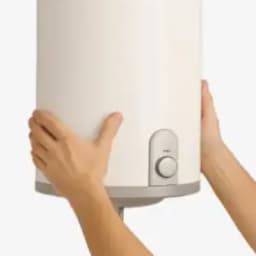
Morena Winters Are Short but Bitter, and the Water Is Hard All Year
Morena is a town of extremes. Summers in the Chambal belt are among the hottest in central India, but winters bite too. From mid-December to late January, nights in this region regularly fall to the low single digits, cold waves sweep down from the north, and dense fog can hang over the town until late morning. That is when every geyser in Morena switches on at the same hour. For the rest of the year, most geysers sit idle or run only briefly. Meanwhile, the groundwater that feeds many homes through borewells and tankers is hard and mineral-heavy, and it keeps working on the heating element and tank whether the geyser is on or off.
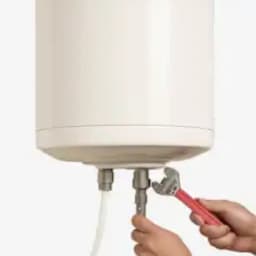
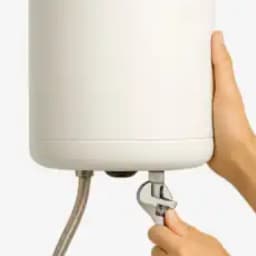
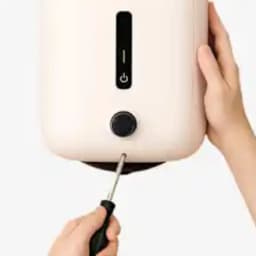
So geyser care in Morena is really a year-round job with a winter deadline. This page walks through each season, what goes wrong with a water heater at that time, and what a geyser repair in Morena from AC Care India covers.
October and November: The Check-Up Before the Cold
This is the most useful time of year to get a geyser serviced. The unit has been sitting for six or seven months. Hard water has been resting in the tank, the anode rod has been dissolving, and scale has settled on the element. Thermostat contacts may have pitted in the heat.
- Drain the tank and flush out sediment.
- Remove and inspect the anode rod; replace it if it is reduced to a thin wire.
- Descale or replace the heating element.
- Test the thermostat and thermal cut-out against an actual water temperature.
- Check that the pressure release valve opens and closes cleanly.
Book in this window and you will avoid the December queue.
Diwali cleaning is the right moment
Most Morena households do a thorough clean and whitewash before Diwali. Since the bathroom is being scrubbed and painted anyway, it is the ideal time to have the geyser taken down, flushed and checked. Paint fumes and wet walls also tell you quickly whether the mounting bolts and wall plugs are still sound.
December and January: Peak Load and Morning Breakdowns
When a cold wave hits, every household wants hot water between 6 and 9 am. Evening voltage dips in parts of the town carry over into early mornings too, and old wiring in houses near the bazaar areas heats up under the load. The most common winter calls are:
- No hot water at all: burnt element, tripped thermal cut-out, or a failed thermostat.
- Geyser trips the MCB: element with a cracked sheath leaking to earth, damp wiring, or an undersized breaker.
- Water only lukewarm: scaled element or thermostat drifted out of calibration.
- Tingling shock from the tap: poor earthing combined with an element fault. Switch off immediately and call a technician.
- Instant geyser giving only a trickle of warm water: scaled element or a pressure problem at the inlet.
A house full of wedding guests
The cold weeks overlap with Morena's busiest wedding season. When relatives stay over, a 15-litre geyser built for a family of four is suddenly serving ten baths a morning. It is switched on at 5 am and left on until noon, the thermostat cycles constantly, and any weakness in the element or wiring shows up on the second or third day. If a function is coming up, get the geyser checked a week before, and stagger baths so the tank has time to recover between them.
Immersion rods and the bucket habit
Many homes here still heat water with an immersion rod in a plastic or steel bucket, especially in rooms without a geyser. Rods have no thermostat, no cut-out and often no earth. Never touch the water or the bucket while the rod is plugged in, never leave it unattended, and replace any rod whose coating has scaled or cracked. If you are depending on a rod because the geyser has failed, that is a good reason to get the geyser repaired rather than make do.
February and March: Easing Off, Watching for Leaks
As mornings warm, usage falls. This is a good time to notice slow problems that winter hid: a constant drip from the pressure valve, a damp patch on the wall behind the geyser, or rusty water in the first bucket of the day. Rust-coloured water usually means the anode rod has been used up and the tank lining is now corroding. Fix that before summer, and the tank will last years longer.
It is also worth looking at the electricity bill from the winter months. If the geyser ran the same hours as last year but the bill for those months jumped noticeably, the element is likely buried under scale and taking far longer to heat each tank. Descaling it now, while demand is low and technicians are free, costs you less time than waiting for it to burn out next December. Ask for the old element to be shown to you; the white crust on it tells its own story about Morena's water.
April to June: The Idle Months in Extreme Heat
Morena's summer is brutal, with loo winds and afternoons in the mid-forties. Nobody needs a geyser, but leaving it full of hard water in a hot bathroom for three months is not ideal either. Water slowly evaporates through valves and fittings, leaving crusty deposits, and the element and anode keep reacting with the minerals. Either drain the geyser and switch it off at the MCB, or run it for a few minutes every couple of weeks. Bathrooms on top floors and under flat roofs get especially hot, which dries out valve seals and wiring insulation.
July to September: Monsoon Damp and Electrical Safety
The rains bring humidity into bathrooms, which already have little ventilation in many Morena homes. Moisture creeps into the geyser's electrical compartment and switch box, terminals corrode, and earth leakage increases. Thunderstorms also bring surges. If your geyser trips the MCB only during the rainy months, damp wiring is the likely cause. This is also the season to check that the geyser's earth wire is actually connected; a surprising number are not.
Geyser Faults and Their Causes at a Glance
| Fault | Most Likely Cause in Morena | Typical Fix |
|---|---|---|
| No heating | Burnt element from scale, open thermal cut-out | Element or cut-out replacement |
| Overheating, valve releasing steam | Stuck thermostat | Thermostat replacement |
| MCB trips on switching on | Earth leakage from element, damp terminals | Element change, terminal cleaning, insulation test |
| Rusty or smelly hot water | Exhausted anode rod, sediment in tank | Anode replacement, tank flush |
| Popping or rumbling sounds | Scale layer at tank bottom | Descaling and draining |
| Water leaking from body | Loose inlet or outlet joint, failed tank | Joint repair or tank assessment |
| Indicator light not glowing but water heats | Failed neon lamp or loose connection | Lamp replacement |
Our Ten-Step Geyser Service Checklist
- Isolate power and confirm the earth connection with a tester.
- Measure insulation resistance of the element to find leakage.
- Check supply voltage and the rating of the MCB feeding the geyser.
- Drain the tank and inspect the sediment that comes out.
- Remove and check the anode rod.
- Descale or replace the heating element.
- Test the thermostat and thermal cut-out.
- Test the pressure release and non-return valves.
- Inspect wall mounting, bolts and pipe joints.
- Refill, power up, verify water temperature and explain findings.
Things We Will Not Do
- We will not bypass a thermal cut-out to "get the geyser working." That removes its main safety device.
- We will not reconnect a geyser that has no earth until the earthing is fixed.
- We will not attempt to weld a leaking inner tank; it is unsafe and short-lived.
- We will not install a gas geyser inside a closed bathroom without ventilation, because of carbon monoxide risk.
Where We Work in Morena
Ganeshpura, Ramnagar, Jiwaji Ganj, Subhash Nagar, Housing Board Colony, Krishi Colony, Gopalpura, Shiksha Nagar, Vikram Nagar, Sadar Bazar, Sanjay Colony, Islampura, Uttampura Road, Ambah Road, Sumawali Road, Jaura Road, Galetha, Maharajpur, Choti Bazaria and Banmore.
Geyser Brands We Repair
Storage and instant geysers from Racold, Bajaj, Havells, AO Smith, Crompton, V-Guard, Haier, Orient and Venus, plus many locally made models sold in Morena markets.
Get Your Geyser Fixed Before the Next Cold Wave
Our technicians are verified and trained on water heater electrics. You receive the price before work begins, a warranty on the repair and the parts used, and genuine or tested compatible spares. Most of Morena gets a same-day or next-day visit, and if the tank is beyond saving, we say so honestly. AC Care India is an independent, multi-brand appliance repair company and not the authorised service centre of any geyser brand; brand names here only describe products we work on. For geysers still under warranty, contact the manufacturer first. Call or WhatsApp 9266608882, or book online through this page.
