

Iron in the Water, Damp in the Air: The Darbhanga Reality for Washing Machines
Darbhanga is a humid, low-lying city where most homes still depend in part on borewells and handpump-fed tanks, and that groundwater carries a heavy load of dissolved iron. Put those two facts together and you have the main story of washing machine repair here. The iron stains white clothes a dull yellow, coats inlet filters and drums with a rusty film, and builds up on front-loader heaters. The humidity, which stays high for much of the year and peaks during the long monsoon, attacks steel frames, motor terminals and circuit boards. Add evening voltage dips and the occasional flooding of ground-floor bathrooms, and a washing machine in Darbhanga lives a harder life than the same model in a drier city.
To see where the damage happens, it helps to look inside the machine. Below, we go through a washing machine part by part, explain how each one fails under Darbhanga's conditions, and describe the diagnostics and services that make up our washing machine repair service in Darbhanga.
Inside the Machine: Each Part and How Darbhanga Wears It Down
Inlet valve and filter mesh
Water enters through a solenoid valve with a small mesh screen at the hose connection. In Darbhanga, iron oxide and fine silt from borewell water collect on that mesh and inside the valve. Flow slows, the machine takes ages to fill, and eventually the valve coil burns out from working against the restriction.
Pressure switch or water level sensor
This tells the control board how much water is in the drum. A thin tube connects it to the tub, and iron sludge can block that tube, so the machine overfills, underfills or shows an error.
Drum, tub and paddles
Stainless drums do not rust, but the outer tub and the gap between drum and tub collect a slimy layer of detergent residue, lint and iron deposits. This is what causes the musty smell and brown flecks on clean clothes.
Heater (front-loaders and some top-loaders)
The heater sits under the drum. Hard, iron-rich water forms scale on it, which makes it overheat and fail, and sometimes leak current to earth, tripping the MCB.
Motor and drive system
Older top-loaders and semi-automatics use a motor with a belt and pulley; newer machines use a direct-drive inverter motor. Belts harden and crack; motors suffer when voltage sags. In humid weather, motor terminals and capacitors corrode.
Bearings and seals
Front-loaders and some top-loaders have drum bearings protected by a rubber seal. When the seal wears, water reaches the bearing and it starts to grind and roar, particularly during spin.
Shock absorbers, springs and suspension rods
These keep the drum steady during spin. Overloading with heavy cotton sarees, bedsheets and winter blankets wears them out early, and the machine starts to bang and walk.
Drain pump and hose
The pump pushes water out at the end of each cycle. Coins, hairpins, threads from dhotis and lint jam it, and iron sediment settles in the pump housing.
Control board and display
The PCB runs everything. Moisture, condensation and surges are its enemies, and in Darbhanga's monsoon a board in a damp bathroom can develop corrosion on its connectors within a season.
Door lock and gasket
Front-loader door locks fail with use, and the rubber gasket grows mould in humid months if the door is kept shut after washing.
Yellowed Whites and Monsoon Spin Cycles: Two Very Darbhanga Complaints
When white kurtas and school shirts turn yellow
Families often assume the detergent or the machine is to blame when whites come out dull or yellowish. In Darbhanga, the usual culprit is iron in the water. Dissolved iron reacts with oxygen and with bleaching agents in some detergents, and deposits a rusty tint in the fibres. Washing on hot programmes can make it worse. The fixes are practical: filter the water before it reaches the machine, avoid chlorine bleach on iron-rich water, run periodic descaling cycles to clear the drum and tub, and for very stained whites, use an oxalic or citric acid-based rust remover rather than more detergent. A machine that has been running on iron-heavy water for years often has a thick rust-coloured layer between drum and tub, which we can clean during a service.
Clothes that never dry during the rains
From July to September, Darbhanga's washing lines are full and nothing dries. People respond by running extra-long spin cycles at the maximum speed, sometimes twice. That is hard on bearings, shock absorbers and the motor, especially with heavy cotton loads. A single high-speed spin with a balanced, not overloaded, drum is far gentler on the machine. If your machine has a dryer function, use it for small loads, and clean the lint path regularly.
How We Diagnose a Washing Machine Fault
- Check the socket voltage, plug and earth connection.
- Read any error code and the machine's fault history where the model stores one.
- Run a test programme to observe filling, washing, draining and spinning.
- Inspect the inlet hose, mesh and valve for iron and sediment.
- Test the pressure switch and clear its tube.
- Measure motor resistance and check the capacitor or inverter drive.
- Spin the drum by hand to feel for bearing roughness and check the seal.
- Check shock absorbers and springs for wear.
- Open and clean the drain pump filter, then test the pump.
- Inspect the heater for scale and insulation leakage, and the PCB for corrosion.
Only after this do we give you a diagnosis and a quote, and we show you the clogged mesh, worn belt or damaged part so you can see the reason for yourself.
Part Life and Early Warning Signs
| Part | Typical life in Darbhanga conditions | Early warning sign |
|---|---|---|
| Inlet valve and mesh | Mesh needs cleaning every few months on borewell water; valve lasts several years | Slow filling, "no water" error |
| Drain pump | Several years if the filter is cleaned | Water left in drum, humming at drain step |
| Drive belt | A few years | Drum turns slowly or squeals |
| Drum bearings and seal | Many years; shorter with overloading | Grinding or roaring during spin |
| Shock absorbers | Several years; shorter with heavy loads | Banging, machine moving across floor |
| Heater | Shortened by iron and scale | Clothes washed cold, MCB tripping |
| Control board | Long, unless hit by moisture or surges | Random stops, unresponsive buttons |
| Door gasket | Several years with care | Black mould, tears, leaks at the door |
Small Changes That Protect a Machine in Darbhanga
- Fit an external sediment or iron filter on the line feeding the machine if you use borewell water.
- Clean the inlet mesh and the drain pump filter every two to three months.
- Run a hot empty cycle with a descaler or citric acid once every couple of months to remove iron and scale.
- Use less detergent than you think; too much leaves residue that traps iron and lint.
- Keep the machine on a raised stand in bathrooms that get wet or flood.
- Leave the door or lid open after every wash to let the drum dry.
- Use a stabiliser or surge protector and an earthed socket.
Installation, Shifting and Maintenance Plans
We install new washing machines, including fitting inlet and drain hoses, levelling the machine, removing transit bolts on front-loaders and checking the socket and earth. When you shift house within Darbhanga or to a nearby town, we uninstall the machine, lock the drum properly for transport and reinstall it at the new address. Hostels, PG accommodations, hospitals and laundries that run machines all day can ask for a scheduled maintenance plan with regular cleaning, part checks and priority repairs.
Washing Machine Brands We Service
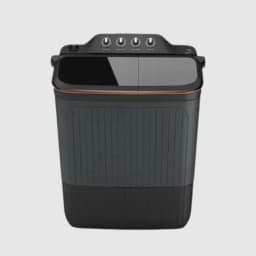
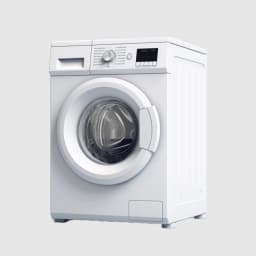
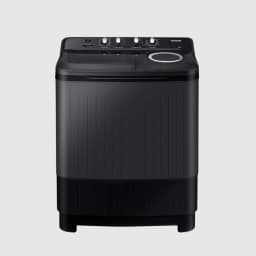
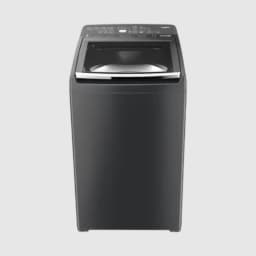
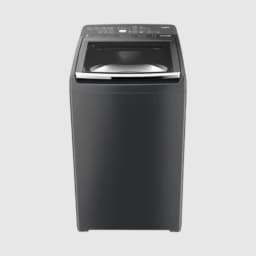
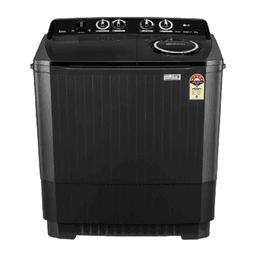
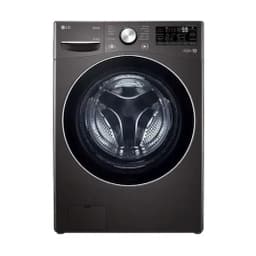
We repair semi-automatic, top-load and front-load machines from Samsung and Whirlpool, and from IFB, Bosch, Godrej, Haier, Panasonic and Voltas Beko, including inverter direct-drive models.
Neighbourhoods We Reach
Our technicians work across Donar, Laheriasarai, Benta, Allalpatti, Lalbagh, Kadirabad, Shubhankarpur, Bela, Mirzapur, Gangwara, Bahadurpur, Chunabhatti, Bhatiyari Sarai, Mabbi, Kathalbari, Urdu Bazaar, Saidnagar, Tower Chowk and Delhi Mor, and can arrange visits further afield on request.
Book Washing Machine Repair in Darbhanga
AC Care India sends verified technicians who explain the fault and the cost before they start, use genuine or carefully matched spares, and give you a warranty on both the repair and the parts. Same-day or next-day visits are available in most parts of the city, and we will tell you honestly if your machine is not worth repairing.
Call 9266608882 or book online through this page.
AC Care India is an independent multi-brand repair service and not the authorised service centre of any washing machine maker. Brand names here only identify the machines we work on. If your machine is still under the manufacturer's warranty, contact the brand first.
