


Gaya Households Think a Washing Machine Fails Because It Is Old. Usually It Fails Because of the Water.
Ask around Chandauti or AP Colony and you will hear that the machine "lasted its time." In our experience, machines in Gaya die young, and the water does most of the killing. Groundwater from the city's borings is hard, with high dissolved solids, and it is what most homes still use for washing even where Ganga supply has arrived for drinking. Scale builds on the heater, the drum perforations and the inlet valve, detergent stops dissolving properly, and clothes come out grey. Add a summer that pushes the laundry room past 40°C, a monsoon that rusts anything steel and a power supply that sags every evening, and age is the least of the machine's problems. This page takes a washing machine apart, part by part, and explains what Gaya does to each, what we test, how long parts last here, and what a washing machine repair service in Gaya from AC Care India includes.
Inlet Valve and Filter
A solenoid valve opens to let water in through a small mesh screen. In Gaya the screen catches the sand and iron flakes that come up from the boring, and it chokes. The machine then fills slowly or shows an inlet error. Scale also jams the valve plunger so it either sticks shut or, worse, weeps water into the drum all night. On upper floors where the overhead tank runs low by evening, pressure drops below the valve's minimum and the machine simply waits. We clean or replace the screen, test the solenoid coil and, if pressure is the issue, suggest washing in the morning or fitting a small booster.
Drum, Spider and Bearings
The inner drum sits on a spider casting driven by a shaft running through two bearings and a seal. Hard water and detergent residue corrode the aluminium spider; scale builds in the drum's holes; an unbalanced load of heavy bedsheets hammers the bearings. A rumbling spin that grows louder each month is the bearing; a drum that moves when you push it is the spider or bearing seat. Replacing the bearings and seal is a workshop-grade job, and we do it properly rather than packing grease in and hoping.
Heater element
Front-loaders and many top-loaders heat the wash water. On Gaya's hard borewell water the element scales within a couple of years, heats slower, draws more current and finally cracks, which trips the ELCB. A descaling run every three months extends its life sharply. When it fails, we replace it and clean the scale from the tub it was sitting in.
Drain Pump and Hose
A small impeller pump pushes water out. Coins, hairpins, sacred threads and the grit that came in with the water collect in its filter and jam the impeller. A machine that washes but will not drain, or a front-loader whose door will not unlock because water is still inside, is almost always a pump filter issue. We clear it, check the impeller for broken vanes and look at the hose route for kinks and for the common Gaya mistake of a drain hose pushed too far into a floor trap, which siphons water back.
Motor, Belt and Capacitor
Older machines use a belt from a motor to the drum pulley; newer ones use a direct-drive inverter motor. Belts glaze and slip in the heat; capacitors on belt-drive motors weaken with every low-voltage start in the summer evenings; direct-drive motors are robust but their hall sensors fail after moisture gets in during the monsoon. A burning smell or a drum that turns slowly under load points here.
Control Board and Door Lock
The PCB runs everything and it is the part Gaya's grid attacks most. Voltage dips reset it mid-cycle; surges from July thunderstorms burn its relays and the small transformer that powers it. Humidity creeps under the conformal coating and corrodes tracks. The door lock, a solenoid or a thermal latch, fails from the same moisture and from being yanked before the cycle ends. We repair boards at component level where that is sound and replace them where it is not, and we fit a voltage protector with a restart delay to stop the next one.
Shock absorbers and suspension
Front-loaders use dampers; top-loaders use suspension rods. Both wear, and on the uneven floors of older houses in the lanes near Vishnupad or in a rented room on a rough tile, they give up early. The sign is a machine that walks across the floor on spin or bangs the cabinet. Replacement is straightforward and cheap compared to the drum damage a worn damper causes.
Door gasket and detergent drawer
The rubber bellows on a front-loader holds the water in and the door shut. In Gaya's monsoon it grows black mould in its folds if the door is kept closed between washes, and hard-water scale makes the rubber stiff so it leaks at the front. The detergent drawer clogs with undissolved powder, since detergent does not dissolve well in cold, hard water, and the clog diverts water down the back of the machine. Both are quick to fix and both are worth a monthly wipe.
Semi-Automatic, Top-Load or Front-Load: Which Suits Gaya?
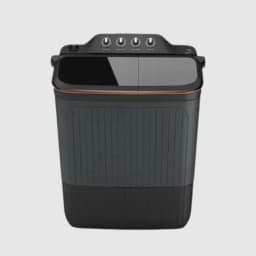
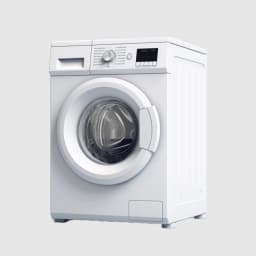
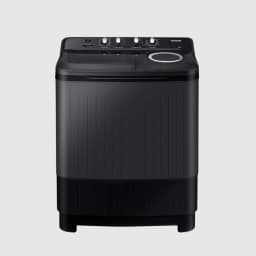
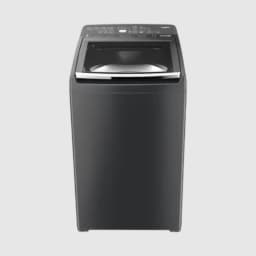
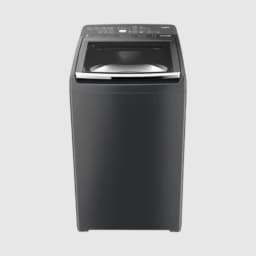
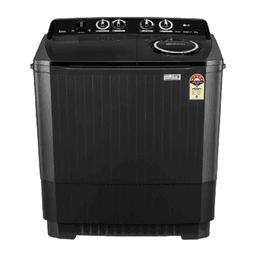
A semi-automatic copes with a bucket-filled tub, low pressure and rough power, which is why it still sells well in the older parts of the city and in rented rooms. A fully automatic top-loader is simpler to repair than a front-loader and tolerates hard water a little better, but it uses more water, which matters in a city where boring levels drop every May. A front-loader washes best and heats its own water, which helps in a cold Gaya winter, but it needs stable voltage and decent inlet pressure, and its heater scales fastest on boring water. If you are buying, tell us your water and power situation and we will say which type will last; if you are repairing, the table below shows roughly how long each part survives here.
Diagnostics We Run in Gaya
- Supply voltage, earthing and the condition of the socket, before the machine is powered.
- Inlet pressure at the tap and inlet screen inspection.
- Heater resistance and insulation test for scale and cracks.
- Drum spun by hand for bearing noise; spider checked for play.
- Drain pump filter opened, impeller checked, hose route traced.
- Motor current under load; belt tension and capacitor value on belt-drive machines.
- PCB inspected for burnt tracks and corrosion; error log read on models that keep one.
- Door lock, gasket and hinge checked; dampers or suspension rods tested.
- Full test cycle, with findings and quote explained before any part is fitted.
Part Life and Warning Signs on Gaya Water
| Part | Typical Life Here | Early Warning |
|---|---|---|
| Inlet valve and screen | Screen needs cleaning every 2 to 3 months; valve 5 to 8 years | Slow fill, inlet error, drum fills when off |
| Heater element | 2 to 4 years without descaling; 6 or more with it | Long cycles, ELCB trips on hot wash |
| Drum bearings and seal | 5 to 8 years | Rumble on spin, grey grease marks on clothes |
| Drain pump | 5 to 7 years | Slow or no drain, humming at end of cycle |
| Belt | 3 to 5 years | Squeal, drum slipping under load |
| Motor capacitor | 3 to 5 years with evening low voltage | Motor hums, slow start |
| Control board | 6 to 10 years; less without surge protection | Random stops, dead display after storms |
| Dampers or suspension rods | 4 to 7 years | Machine walks or bangs on spin |
| Door gasket | 5 to 8 years | Mould, leaks at the front |
Installation, Shifting and Annual Contracts
We install new machines with a correctly routed drain, a level base and a check that the socket and earth can carry the load, which in older Gaya houses they often cannot. We uninstall and reinstall machines for families moving within the city, with transit bolts fitted so the drum does not damage itself on the road. Hotels and guest houses in Bodh Gaya, hostels along Ramna Road and laundries can take an annual maintenance plan with scheduled descaling and priority visits in the Pitru Paksha and tourist seasons.
Machines and Brands We Work On
Front-load, top-load and semi-automatic machines, belt-drive and direct-drive, from IFB, Samsung, Whirlpool, Bosch, Godrej, Haier, Panasonic and Voltas Beko. We carry inlet valves, pumps, belts, capacitors, heaters, door locks and bearing kits for the common models.
Neighbourhoods of Gaya We Cover
Chandauti, AP Colony, Vishnupad, Ramna Road, Katari Hill Road, Civil Lines, Magadh Colony, Shastri Nagar, Manpur, Delha, Murarpur, Swarajpuri Road, Gole Bigha, Gewal Bigha, Buniyadganj, Khajanchi Mohalla, Chandchaura, Raniganj, GB Road, Kedarnath Market, Tekari Road, Rampur and Bodh Gaya, with Sherghati, Tekari and Wazirganj on route days.
Booking AC Care India gets you a verified technician, a written quote before parts are fitted, a warranty on labour and spares, genuine or properly matched parts, a same-day or next-day visit across most of Gaya, and an honest opinion if the machine should be retired. We are an independent service company covering many brands and are not the authorised service centre of any washing machine manufacturer; brand names appear only to identify what we repair, and an in-warranty machine should be taken to its maker first.
Book Washing Machine Repair in Gaya
Call or WhatsApp 9266608882, or book online through this page. Tell us the brand and type, your locality, whether you wash with boring water or piped supply, and what the machine is doing, and we will bring the parts most likely to be needed.
