

Mau's Water Is Iron-Heavy and Its Power Unsteady, and Washing Machines Feel Both
Most homes in Mau draw their water from the ground, through municipal tubewells, private borings and submersible pumps. That alluvial groundwater commonly carries dissolved iron and a fair amount of hardness. Electricity, meanwhile, is shared with a town full of powerlooms, and voltage rises and falls through the day, with long cuts in peak summer. Add a climate that goes from 42°C dry heat in May to soaking monsoon humidity and then foggy winter mornings, and a washing machine here has a demanding life.
Those conditions do not hit all at once. They arrive season by season, and so do the breakdowns. This page follows a Mau year and explains what goes wrong with washing machines in each phase, and how washing machine repair in Mau should handle it.
March and April: The Pre-Summer Check Window
This is the calm before the heat. Water supply is still reasonable, power is steadier than it will be in May, and laundry loads are moderate. It is the best time to fix small problems that will become big ones in the coming months.
What we typically find in these weeks:
- Inlet filter meshes half-blocked with orange iron sludge and fine sand from the winter.
- Drain pump filters holding coins, hairclips and lint.
- Rubber hoses that have hardened and cracked near the clamps.
- Machines standing on uneven floors, shaking more than they should.
A spring service catches all of these before they turn into a flooded bathroom.
May and June: Heat, Cuts and Low Water Pressure
Peak summer is hard on washing machines in Mau for three reasons. First, power cuts in the middle of a cycle. When supply drops and returns, the control board restarts, sometimes cleanly, sometimes not. Surges on restoration are a leading cause of board and door-lock failures.
Second, water. When the water table falls and many pumps run at once, overhead tanks fill slowly and inlet pressure at a first- or second-floor machine drops. Fully automatic machines throw water-supply error codes, or take so long to fill that the cycle times out.
Third, heat. Bathrooms and balconies where machines stand can get very hot. Plastic parts, rubber door gaskets and hoses age faster, and motors run warmer.
Some habits help a lot in these weeks:
- Run the machine early in the morning or late at night, when voltage is usually steadier and the tank has refilled.
- Plug it in through a surge protector or a stabiliser, not a loose extension board shared with a cooler.
- If the power goes mid-cycle, switch the machine off at the wall and wait a few minutes after supply returns before restarting.
- Where pressure is chronically low, a small booster pump on the machine's line, or raising the tank, solves fill errors better than repeated repairs.
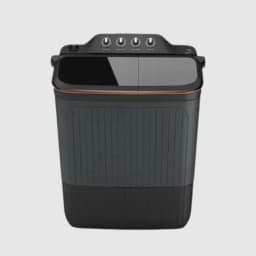
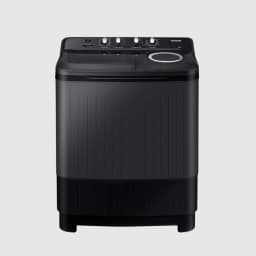
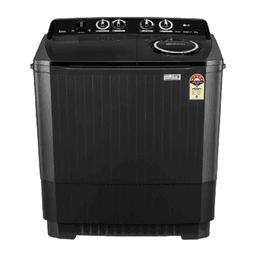
- Semi-automatic owners can fill the wash tub by bucket during water shortages, which is one reason these machines remain popular in Mau.
July to September: Monsoon Loads and Damp Electronics
When the rain comes, laundry piles up. Clothes do not dry on the roof, so families wash more often and spin longer to get the water out. Heavy bedsheets, towels and school uniforms go in daily. That puts extra strain on drum bearings, shock absorbers and belts.
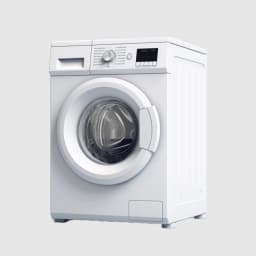
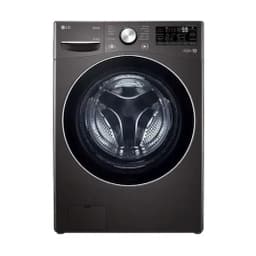
Humidity is the other monsoon problem. Front-loader door gaskets grow black mould if the door is kept shut between washes. Control panels in poorly ventilated bathrooms get damp, and touch keys start misbehaving. Steel cabinets begin to rust at the base, especially when the machine stands on a wet floor.
Thunderstorms add surges. A machine plugged directly into the wall without protection is at real risk during this season.
Leave the front-loader door and detergent drawer open after the last wash of the day, wipe the gasket fold dry, and keep the machine on a raised plastic stand if the floor stays wet.
October and November: Festivals, Weddings and Heavy Washing
Diwali cleaning means curtains, sofa covers and bed linen all go through the machine within a week. Chhath and the wedding season that follows bring more guests, more clothes and more heavy fabrics. In a weaving town, many families also wash fabric and finished pieces from home looms.
This is when overloaded drums show up: bearings that start to roar, belts that slip on semi-automatics, and spin motors that overheat. Running a 6 kg machine with an 8 kg load of wet curtains is the single most common cause of the faults we see in these weeks. Splitting big loads into two, and choosing the heavy or bedding programme, costs a little time and saves a bearing.
December to February: Cold Water, Woollens and Slow Detergent
Winter mornings in Mau are foggy and cold, with January minimums around 9°C on average and lower on cold-wave nights. Cold water dissolves detergent poorly, especially powders. Undissolved detergent combines with hard water to leave white streaks on dark clothes and a sticky residue in the drawer and the tub.
Many people start using the heater on front-loaders now. On iron-rich, hard water, the heater element scales quickly, and a heavily scaled heater trips the machine or stops heating altogether.
Woollens and quilts are heavy when wet. Washing them on the wrong programme unbalances the drum and strains the suspension.
Switching to liquid detergent in winter, or dissolving powder in a mug of warm water before adding it, reduces residue noticeably. Use the wool or delicate cycle for sweaters and shawls, and wash a single heavy quilt on its own rather than with other clothes. If your water leaves an orange tint on white clothes, a simple iron-removal pre-filter on the house line, or at least on the machine's inlet, protects both the laundry and the inlet valve.
Faults and Their Causes at a Glance
| Fault | Cause | Season It Peaks |
|---|---|---|
| Slow fill or water-supply error | Low tank pressure, iron-clogged inlet mesh, weak inlet valve | Summer |
| Machine dead after a cut | Board, fuse or door-lock surge damage | Summer and monsoon |
| Loud roar on spin | Worn drum bearings | Monsoon and festival season |
| Heavy shaking, walking across floor | Failed shock absorbers, overload, uneven floor | Festival season |
| White residue on clothes | Cold water, hard water, too much powder | Winter |
| Not heating water | Scaled or burnt heater element | Winter |
| Bad smell from drum | Mould in gasket and detergent drawer | Monsoon |
| Water not draining | Blocked pump filter or hose | Any time |
Our 10-Step Washing Machine Service
- Note the model, the fault and when it happens in the cycle.
- Check socket voltage, earthing and any stabiliser or surge protector.
- Run a short test cycle to observe the fault directly.
- Clean the inlet filter mesh and check the inlet valve coils.
- Clear the drain pump filter and test pump flow.
- Inspect drum bearings, spider arm, belt and motor.
- Test shock absorbers and suspension springs, and level the machine.
- Descale the heater and drum where water hardness has built up.
- Clean the door gasket and detergent drawer, and check for mould.
- Run a full wash and spin and check for leaks before handing over.
Before any part is replaced, you get the diagnosis and a written quote.
What We Will Not Do
- We will not bypass a door lock or pressure switch to keep a machine running.
- We will not reuse a cracked hose or a perished door gasket.
- We will not recommend a board replacement without first checking the supply and wiring.
- We will not keep repairing a machine with a cracked outer tub or rusted-through frame. We will tell you it is time for a new one.
- We will not take your machine away without your consent and a written receipt.
Why AC Care India
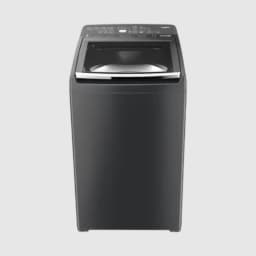
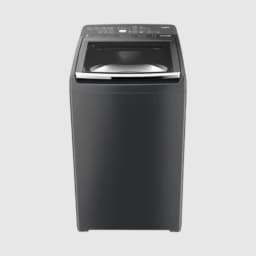
Our technicians are verified and trained on front-load, top-load and semi-automatic machines. You see the price before work begins. Parts and labour are under warranty, and we use genuine or tested compatible spares. Most Mau localities get a same-day or next-day visit, and we give honest advice when replacing is better than repairing.
Areas of Mau We Cover
Dakshin Tola, Mirzahadipura, Sahadatpura, Gazipur Tiraha, Bhiti, Chowk, Azamgarh More, Balnirmal, Nizamuddinpura, Qasimpura, Shahi Katra, Malik Tahirpura, Aurangabad, Imliya, Musadpura and Tajopur. Kopaganj, Ghosi and Madhuban by arrangement.
Washing Machine Brands We Repair
Samsung, IFB, Whirlpool, Bosch, Haier, Godrej, Panasonic and Voltas Beko. AC Care India is an independent repair service, not the authorised service centre of any manufacturer; brand names appear only to show which machines we work on. If yours is still under the brand's warranty, contact the company first.
Book Washing Machine Repair in Mau
Book washing machine repair in Mau online through this page, or call 9266608882. Tell us the brand, type and the problem, and we will arrange a convenient visit.
