

Understanding Professional Cold Storage Appliance Maintenance Services in Chennai Metropolitan Area
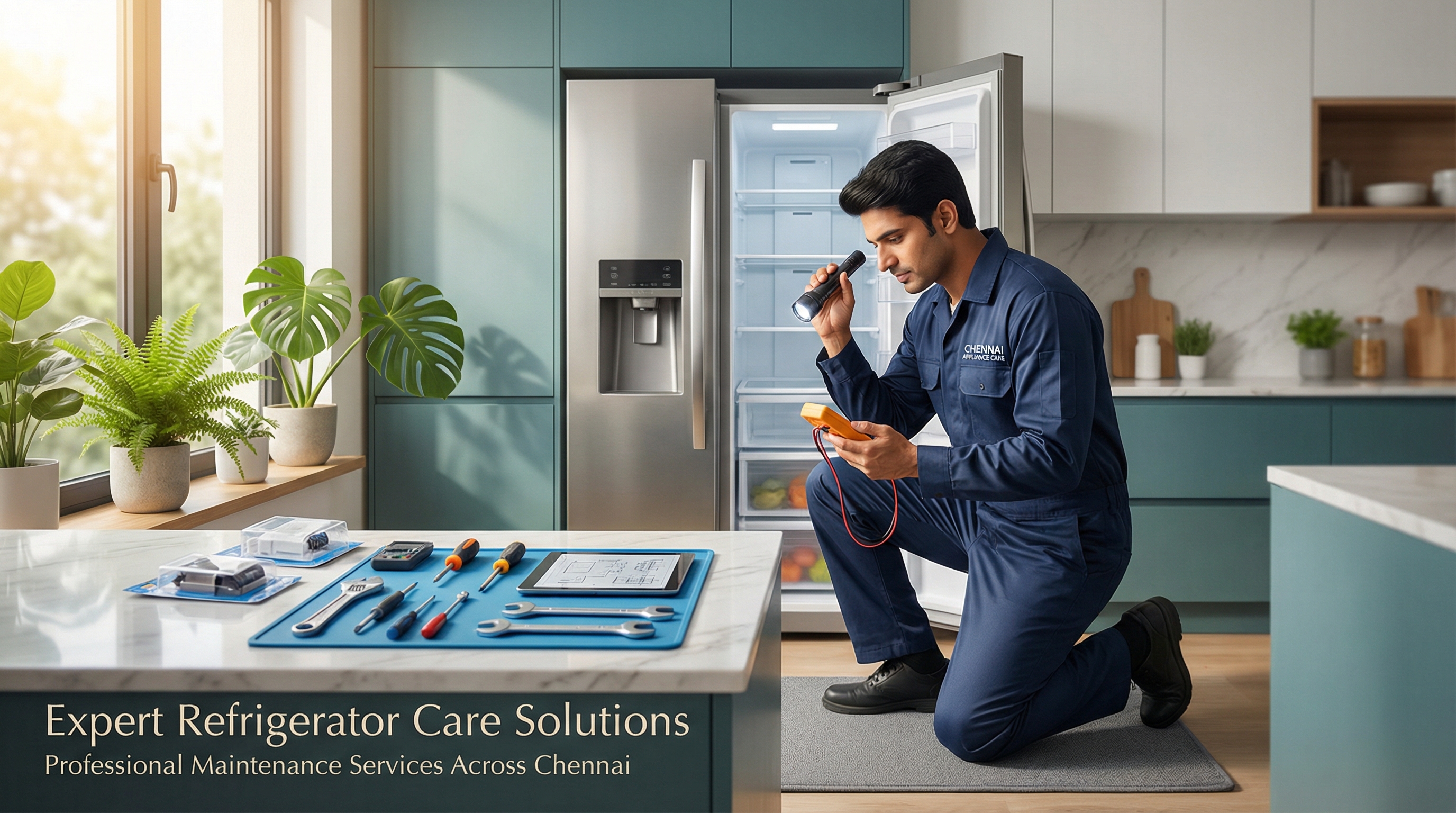
Comprehensive Guide to Refrigerator Maintenance Costs and Solutions in Chennai
Understanding refrigeration maintenance expenses, common cooling problems, and qualified technician selection for Chennai households
When your refrigerator suddenly stops cooling, makes unusual noises, or develops water leakage, finding the right technical assistance becomes a pressing concern for homeowners across Chennai. The tropical climate of this coastal city makes refrigeration units indispensable for food preservation, medication storage, and maintaining household comfort. A malfunctioning cooling appliance not only disrupts daily routines but can also lead to food spoilage, increased electricity bills, and potential health concerns if not addressed promptly.
The refrigeration maintenance industry in Chennai has evolved significantly over the past decade, with numerous service providers offering specialized solutions for various cooling appliance problems. From traditional single-door models to modern French-door configurations with smart technology, the range of equipment requiring professional attention has expanded considerably. Understanding what constitutes quality service, reasonable pricing, and reliable technical expertise helps consumers make informed decisions when their appliances need attention.
Many households face the dilemma of whether to attempt DIY fixes, call authorized brand centers, or hire independent technicians when refrigeration equipment malfunctions. Each approach has distinct advantages and limitations that depend on factors like warranty status, problem complexity, urgency, and budget constraints. The availability of multiple service channels in Chennai provides flexibility but also creates confusion about which option delivers the best value and results.
This comprehensive guide explores the technical aspects of cold storage appliance maintenance, typical problems encountered by Chennai residents, pricing structures across different service models, and practical strategies for identifying competent technicians. Whether you own a compact mini-fridge or a large side-by-side unit, understanding the maintenance ecosystem helps ensure your equipment receives appropriate care that extends its lifespan while maintaining optimal performance.
Common Refrigeration Problems Encountered in Chennai Households
Temperature regulation failures represent the most frequent issue requiring professional intervention. When the cooling compartment fails to maintain appropriate cold levels, several underlying causes might be responsible. Compressor malfunctions, refrigerant leaks, faulty thermostats, or blocked condenser coils can all produce similar symptoms. The humid climate in Chennai accelerates dust accumulation on external coils, which significantly impairs heat dissipation and cooling efficiency. Regular cleaning prevents many temperature-related problems, but once components fail, specialized diagnostic equipment and technical knowledge become necessary.
Water leakage issues plague many refrigeration units, particularly those over five years old. Drain tube blockages caused by food particles or ice formation often create pooling water inside the fresh food section or beneath the appliance. Damaged door seals allow warm, humid air to enter the cabinet, producing excessive condensation that overwhelms drainage systems. In some cases, defrost cycle malfunctions lead to ice buildup that eventually melts and floods internal compartments. Chennai's high humidity levels exacerbate these moisture-related problems, making proper seal maintenance especially important in this region.
Unusual operational sounds indicate mechanical problems that require prompt attention. Grinding noises typically suggest compressor bearing wear, while clicking sounds may point to relay switch failures. Buzzing or humming sounds that vary in intensity often relate to fan motor issues or vibrating components. Ignoring these auditory warnings allows minor problems to escalate into major failures that cost significantly more to remedy. The ambient noise levels in Chennai apartments sometimes mask early warning sounds, causing residents to notice problems only after substantial damage occurs.
Electrical complications including frequent circuit breaker trips, burnt odors, or complete power failure demand immediate professional assessment. Overheated wiring, capacitor failures, or short circuits pose fire hazards that extend beyond simple appliance malfunction. The voltage fluctuations common in certain Chennai neighborhoods stress electrical components, accelerating wear and increasing failure probability. Proper electrical diagnosis requires multimeter testing and component-level troubleshooting that most homeowners cannot safely perform without proper training and equipment.
Factors Influencing Maintenance Expenses in Chennai
Equipment brand and model significantly impact service pricing structures. Premium international brands often require specialized tools, proprietary components, and certified technician training that increases labor charges. Domestic brands typically offer more affordable maintenance costs due to wider parts availability and simpler diagnostic requirements. The age of the appliance also affects expenses, as older units may need discontinued components that require creative sourcing or aftermarket alternatives. Single-door direct cool models generally cost less to service than multi-door frost-free configurations with electronic controls and automated features.
Problem complexity directly correlates with final billing amounts. Simple issues like thermostat replacement or door seal installation typically range from five hundred to one thousand rupees for parts and labor combined. Moderate problems such as fan motor replacement or drain line clearing fall in the one thousand to two thousand five hundred rupee range. Major complications including compressor replacement, complete refrigerant recharging, or control board substitution can exceed five thousand rupees depending on component quality and brand requirements. Gas refilling procedures vary in cost based on refrigerant type, with older R134a systems generally costing less than modern R600a configurations.
Service provider selection presents another cost variable. Authorized brand centers typically charge premium rates but offer genuine components and warranty protection on completed work. Independent technicians provide competitive pricing with variable quality standards depending on individual expertise and business ethics. Some service providers charge flat diagnostic fees between two hundred and five hundred rupees regardless of whether repairs proceed, while others waive inspection costs when customers approve recommended work. Travel charges for home visits add fifty to two hundred rupees depending on distance from the technician's base location.
Replacement parts sourcing choices create significant price differences. Genuine manufacturer components ensure compatibility and longevity but carry higher price tags due to brand premiums and authorized distribution markups. Compatible aftermarket parts offer cost savings of thirty to fifty percent while delivering acceptable performance for most applications. Salvaged components from recycled appliances provide the most economical option but come with uncertain reliability and no warranty protection. Chennai's Ritchie Street and Mint Street electronics markets offer extensive parts availability across all three categories, allowing consumers to balance budget constraints against quality expectations.
Types of Cooling Appliance Configurations Requiring Specialized Attention
Single-door direct cool models represent the most basic and economical refrigeration category. These units rely on natural convection for air circulation and require manual defrosting to remove ice accumulation from freezer compartments. Their mechanical simplicity makes diagnosis and maintenance relatively straightforward for experienced technicians. Common problems include thermostat failures, cooling gas depletion, and door seal deterioration. The compact size and lighter weight facilitate workshop repairs when necessary, potentially reducing service costs compared to larger configurations requiring on-site attention.
Double-door frost-free configurations dominate the middle market segment in Chennai households. These appliances use automated defrost cycles, forced air circulation systems, and separate temperature controls for freezer and refrigerator sections. The increased mechanical complexity introduces additional failure points including defrost timers, evaporator fans, damper controls, and multiple temperature sensors. Technicians servicing these units require broader knowledge of electromechanical systems and diagnostic skills beyond basic refrigeration principles. The larger cabinet size typically necessitates on-site maintenance, which may increase service costs compared to workshop-based approaches.
Side-by-side and French-door premium models incorporate advanced features like digital temperature displays, water dispensers, ice makers, and smart connectivity options. These sophisticated appliances demand specialized technical knowledge for proper diagnosis and maintenance. Water filtration system problems, ice maker malfunctions, and electronic control board failures represent common issues beyond standard refrigeration concerns. Component costs for premium configurations significantly exceed those for basic models, and the limited number of technicians qualified to service advanced features restricts competitive pricing. Some problems require authorized service center intervention due to proprietary diagnostic software or specialized calibration equipment.
Commercial refrigeration equipment found in restaurants, medical facilities, and retail establishments operates under different performance standards and maintenance requirements than residential units. These industrial-grade appliances run continuously under heavy loads, requiring more frequent preventive maintenance and component replacement. Walk-in coolers, display refrigerators, and blast freezers demand specialized expertise in commercial refrigeration principles, larger capacity compressors, and three-phase electrical systems. Chennai's commercial districts house numerous businesses relying on refrigeration equipment where downtime directly impacts revenue, creating demand for rapid-response specialized service providers.
Preventive Maintenance Strategies to Minimize Service Requirements
Regular external condenser coil cleaning stands as the most effective preventive measure for maintaining cooling efficiency and extending component lifespan. The dust, cooking oil vapors, and humidity characteristic of Chennai environments create stubborn buildup on coil surfaces that insulates against proper heat transfer. Quarterly cleaning using vacuum attachments or soft brushes removes accumulated debris before it significantly impacts performance. For households near construction zones or high-traffic roads, monthly attention to coil cleanliness prevents accelerated efficiency degradation. This simple maintenance task reduces compressor strain, lowers electricity consumption, and delays the need for professional intervention.
Door seal inspection and cleaning prevents air leakage that forces cooling systems to work harder while allowing moisture infiltration. Checking seal integrity involves closing a paper sheet in the door and attempting to pull it out; excessive ease indicates compression loss requiring seal replacement. Cleaning seals monthly with mild detergent solution removes food residues and mold growth that degrade rubber compounds. Applying a thin layer of petroleum jelly to clean seals maintains flexibility and improves compression characteristics. This inexpensive maintenance practice extends seal lifespan from three to seven years while maintaining optimal cabinet temperature stability.
Temperature setting optimization balances food preservation requirements against energy efficiency and component stress. Many Chennai households unnecessarily set refrigerators to maximum cooling, forcing compressors to run excessively while freezing items in the fresh food section. The optimal refrigerator compartment temperature ranges between two and four degrees Celsius, while freezer sections should maintain minus eighteen degrees. Using inexpensive refrigerator thermometers helps verify actual internal temperatures rather than relying on arbitrary dial settings. Proper temperature management reduces runtime by up to thirty percent, lowering electricity costs while decreasing wear on mechanical components.
Proper food storage practices and load management impact refrigeration system performance more than most users realize. Overloading compartments restricts air circulation, creating warm spots and forcing longer compressor cycles. Blocking air vents with improperly positioned containers prevents cold air distribution to all cabinet areas. Storing hot foods without pre-cooling introduces excessive heat loads that stress cooling systems. Maintaining adequate spacing between stored items, covering liquids to reduce moisture evaporation, and organizing contents for efficient cold air flow enhance performance while reducing maintenance frequency.
Professional Service Networks Across Chennai Metropolitan Region
The Mannubhai Service Expert network provides comprehensive appliance maintenance solutions across Chennai neighborhoods, offering trained technicians familiar with various equipment brands and configurations. Their service model emphasizes transparent pricing, genuine component sourcing, and customer education about proper appliance care. The organization maintains regional service centers in key areas like T Nagar, Adyar, and Anna Nagar, enabling prompt response to service requests. Their technicians carry common replacement parts, reducing the need for multiple visits while ensuring faster problem resolution.
Doctor Fresh has established a reputation for specialized cooling appliance attention, focusing exclusively on refrigeration and air conditioning equipment. Their technician training programs emphasize diagnostic accuracy and first-time fix rates, minimizing customer inconvenience. The service provider maintains an online booking system that allows appointment scheduling, price estimates for common problems, and service history tracking. Their warranty programs on completed work provide customers with confidence in service quality and component reliability.
RO Care India extends beyond water purification services to include comprehensive kitchen appliance maintenance, recognizing that refrigeration equipment often shares space with water filtration systems. Their integrated service approach appeals to customers preferring single-vendor relationships for multiple appliance types. The organization offers annual maintenance contracts that include preventive inspections, priority service response, and discounted component pricing. Their Chennai operations cover both residential and small commercial refrigeration equipment.
Authorized brand service centers for manufacturers like Kent, Aquaguard, Aquafresh, Pureit, Blue Star, and LG provide factory-trained technicians and genuine components for their respective product lines. These centers offer warranty service for new equipment and maintain detailed service records accessible across their network locations. While typically more expensive than independent technicians, authorized centers provide assurance of brand-specific expertise and access to technical support resources unavailable to independent operators. Their Chennai facilities concentrate in commercial zones like Nungambakkam, Velachery, and OMR corridor, serving both walk-in customers and home service requests.
Independent qualified technicians operating as sole proprietors or small partnerships fill an important niche in Chennai's appliance maintenance ecosystem. These professionals often provide personalized service, flexible scheduling, and competitive pricing compared to larger organizations. Many develop expertise with specific brands or equipment types through years of focused experience. Finding reputable independent technicians typically requires referrals from satisfied customers or verification through local community groups. While lacking the infrastructure of larger service networks, skilled independents often deliver equivalent technical results at lower costs.
Identifying Quality Service Providers in Your Locality
Technical certification verification provides the first screening criterion when evaluating potential service providers. Legitimate refrigeration technicians should possess vocational training certificates, safety handling licenses for refrigerant gases, and ideally manufacturer-specific training documentation. Asking to see credentials before authorizing work helps eliminate unqualified individuals who lack proper knowledge and may cause additional damage. Organizations affiliated with trade associations or holding ISO certifications demonstrate commitment to professional standards and ongoing skill development.
Customer reviews and testimonials offer valuable insights into service quality, pricing fairness, and reliability. Online platforms, neighborhood social media groups, and apartment association forums contain user experiences that reveal patterns of performance across multiple interactions. Consistently positive feedback regarding punctuality, diagnostic accuracy, transparent pricing, and courteous behavior indicates reputable service providers. Conversely, patterns of overcharging complaints, repeat visits for the same problem, or unprofessional conduct suggest providers to avoid despite attractive initial pricing.
Service warranties on completed work separate confident professionals from questionable operators. Reputable technicians typically offer thirty to ninety day guarantees on labor and replaced components, demonstrating confidence in their diagnostic accuracy and component quality. Warranty terms should be documented in writing with clear conditions and contact information for claim processing. Providers refusing to warrant their work often lack confidence in their abilities or use substandard components, creating higher risks of repeat failures and additional expenses.
Transparent pricing disclosure before beginning work prevents disputes and ensures informed decision-making. Quality service providers willingly explain diagnostic findings, itemize required repairs with individual component and labor costs, and discuss alternatives when multiple solution approaches exist. Providers who give vague estimates, refuse to explain their diagnosis, or pressure immediate decisions without allowing time for consideration often engage in exploitative practices. Requesting written estimates for non-emergency problems allows comparison shopping across multiple providers to identify fair market rates.
Diagnostic Procedures Used by Qualified Technicians
Visual inspection forms the foundation of professional refrigeration diagnostics. Experienced technicians examine external coil conditions, check for refrigerant oil leaks around compressor and line connections, assess door seal integrity, and identify obvious mechanical damage or wear. They verify proper door closure and alignment, ensuring cabinet gaskets compress evenly around the entire perimeter. Inspection of internal components includes fan operation verification, ice buildup patterns, drain tube conditions, and unusual frost formations that indicate specific failure modes.
Temperature measurement using calibrated thermometers establishes actual performance versus expected specifications. Technicians measure compartment temperatures at multiple locations, comparing readings against manufacturer standards for specific models. Significant temperature variations between locations suggest air circulation problems, while uniformly warm readings indicate fundamental cooling system failures. Compressor surface temperature assessment helps identify overheating conditions, refrigerant charge levels, and operational efficiency. Proper diagnosis requires temperature stabilization time, so qualified technicians avoid rushing measurements immediately after appliance startup.
Electrical testing using multimeters identifies component failures and circuit continuity problems. Technicians measure compressor winding resistance, verify relay and overload protector functionality, test thermostat switching behavior, and check fan motor operation. Voltage measurements at various circuit points help identify wiring problems, loose connections, or control board failures. Capacitor testing verifies proper start and run capacitor values, as degraded capacitors produce inadequate compressor starting torque or reduced running efficiency. These electrical diagnostics require proper safety procedures including disconnecting power and discharging capacitors before resistance measurements.
Refrigerant system evaluation determines gas charge adequacy, identifies leaks, and assesses compressor pumping capability. Pressure gauge connections allow measurement of suction and discharge pressures under operating conditions, which technicians compare against expected values for specific refrigerant types and ambient temperatures. Significant deviations indicate refrigerant loss, restriction problems, or compressor wear. Electronic leak detectors help pinpoint small refrigerant escape routes not visible to naked eyes. When refrigerant addition becomes necessary, proper procedures include evacuation to remove moisture and air, followed by precise charging to manufacturer specifications using scales or sight glasses.
Emergency Versus Scheduled Service Considerations
True refrigeration emergencies requiring immediate professional response remain relatively rare in residential settings. Complete cooling failure during Chennai's hot season with perishable food at risk, refrigerant leaks producing chemical odors, or electrical problems generating burning smells justify emergency service calls despite premium charges. Most providers add surcharges of two hundred to five hundred rupees for after-hours, weekend, or holiday emergency responses. Determining whether a situation truly requires emergency intervention versus next-business-day attention helps avoid unnecessary premium fees while ensuring genuine urgent problems receive appropriate priority.
Scheduled maintenance appointments during normal business hours provide multiple advantages including standard pricing, unhurried diagnostic time, and better parts availability. Non-emergency problems like gradually declining cooling performance, minor water leakage, or intermittent unusual sounds can wait for convenient appointment times without risking additional damage. Scheduling flexibility allows comparing multiple service provider estimates, verifying technician credentials, and preparing questions about appliance care. Many service organizations offer appointment discounts or waive travel charges for scheduled calls compared to same-day requests.
Seasonal considerations affect service demand and pricing in Chennai's climate. The summer months from March through June see peak demand for refrigeration services as equipment works hardest under maximum ambient temperatures and high usage. Service providers during this period often face scheduling backlogs extending several days for non-emergency calls. The relatively cooler months from November through February offer better appointment availability and sometimes promotional pricing as businesses seek to maintain revenue during slower periods. Planning preventive maintenance or addressing minor issues during off-peak seasons provides better service experiences and potential cost savings.
Annual maintenance contracts offer an alternative to incident-based service calls for households with multiple appliances or aging equipment. These agreements typically include scheduled preventive inspections, priority service response, discounted or waived travel charges, and reduced component pricing. Contract costs usually range from fifteen hundred to three thousand rupees annually depending on appliance quantity and coverage terms. For equipment over five years old or households valuing predictable maintenance budgets, contracts provide peace of mind despite higher upfront costs compared to paying for service only when problems occur.
Understanding Refrigerant Types and Environmental Regulations
Modern refrigeration equipment uses environmentally friendlier refrigerant gases compared to older harmful compounds. R600a, an isobutane hydrocarbon refrigerant, has become standard in new residential appliances due to zero ozone depletion potential and minimal global warming impact. This gas requires smaller charge quantities and operates at lower pressures than previous refrigerants, improving energy efficiency while reducing environmental harm. However, its flammability demands proper handling procedures and technician training to prevent safety incidents during service work. Chennai's transition to R600a equipment creates training challenges for technicians accustomed to older refrigerant types.
R134a tetrafluoroethane remains common in equipment manufactured before 2015 and some current commercial applications. While non-flammable and relatively stable, this hydrofluorocarbon contributes to global warming, prompting its gradual phase-out under international environmental agreements. Existing equipment using R134a continues operating legally, but service procedures emphasize refrigerant recovery and recycling rather than venting to atmosphere. Replacement costs for R134a have increased as production decreases, making leak prevention and proper charging procedures economically important beyond environmental considerations.
Older refrigeration units may still contain R12 dichlorodifluoromethane, a chlorofluorocarbon banned from new production since 1994 due to severe ozone layer damage. Servicing these legacy appliances presents challenges as R12 supplies exist only through recycling of previously captured gas. Retrofit conversions to compatible alternative refrigerants provide options for keeping older equipment operational, though performance characteristics may change slightly. Most Chennai service technicians recommend replacing appliances over fifteen years old rather than investing in major maintenance for obsolete refrigerant systems.
Environmental regulations require certified technicians to use proper refrigerant recovery equipment before opening sealed systems, preventing atmospheric release of greenhouse gases. Captured refrigerant undergoes recycling processes that remove contaminants, enabling reuse in other equipment. These regulations apply to both authorized service centers and independent technicians, though enforcement varies. Responsible service providers maintain recovery equipment and documentation demonstrating environmental compliance. Customers should inquire about refrigerant handling practices, as improper procedures indicate overall service quality concerns beyond environmental impacts.
Warranty Considerations When Seeking Service Assistance
New appliance warranty terms typically cover manufacturing defects and component failures for one to five years depending on brand and model. Comprehensive warranties include parts, labor, and home service charges, while basic coverage might provide only component replacement with customers paying labor and travel costs. Understanding exact coverage terms prevents surprises when filing warranty claims for malfunctioning equipment. Most manufacturers require warranty service through authorized centers to maintain coverage validity, though some allow independent technician work if using genuine components and following specified procedures.
Warranty exclusions commonly include problems resulting from improper installation, voltage fluctuations, physical damage, unauthorized modifications, or inadequate maintenance. Service technicians assessing warranty equipment document conditions carefully, photographing evidence that supports or contradicts warranty coverage. Disputes sometimes arise when providers attribute failures to exclusionary causes while customers maintain manufacturing defects exist. Thorough documentation during initial installation and periodic condition photography helps protect consumer rights when coverage questions emerge.
Extended warranty programs offered at equipment purchase or shortly thereafter provide protection beyond standard manufacturer coverage. These plans typically add ten to twenty percent to appliance purchase price while extending comprehensive coverage for additional three to five years. Evaluating extended warranty value requires considering equipment reliability history, typical maintenance costs, and likelihood of usage patterns causing accelerated wear. For premium equipment with expensive components or households heavily dependent on refrigeration, extended coverage often proves worthwhile despite upfront costs.
Out-of-warranty equipment service provides opportunities for cost-conscious repairs using compatible aftermarket components or refurbished parts. Without warranty constraints, customers can authorize independent technicians, choose component quality levels matching budget priorities, and decide between repair and replacement based purely on economic factors. Some problems costing more than half the replacement value of aging equipment make repair economically questionable regardless of technical feasibility. Qualified technicians provide honest assessments of repair value, helping customers make informed decisions rather than pursuing marginally beneficial fixes.
Seasonal Performance Optimization in Chennai Climate
Chennai's tropical climate creates unique refrigeration challenges compared to temperate regions. Average temperatures exceeding thirty degrees Celsius for much of the year force cooling systems to work continuously against substantial thermal loads. The seasonal southwest monsoon from June through September introduces extreme humidity that increases condensation loads and accelerates corrosion of metal components. Equipment designed for moderate climates often underperforms in Chennai conditions, requiring capacity upgrades or supplementary cooling assistance through proper placement and ventilation.
Appliance location within homes significantly affects performance and longevity. Refrigerators placed near cooking ranges, windows receiving direct sunlight, or poorly ventilated corners struggle against excessive ambient heat. Manufacturers specify minimum clearances around equipment to ensure adequate air circulation for heat dissipation, yet many Chennai homes compromise these requirements due to space constraints. Creating microclimate improvements through shade provision, exhaust fan installation, or simply repositioning away from heat sources can reduce running costs by fifteen to twenty-five percent while extending component life.
Voltage stabilizer installation protects refrigeration equipment from Chennai's sometimes erratic electrical supply. Frequent voltage fluctuations stress compressor starting circuits, degrade electronic control components, and reduce overall equipment lifespan. Quality stabilizers costing between two thousand and five thousand rupees prevent damage that might otherwise require expensive component replacement. For areas experiencing regular power quality problems, stabilizer investment proves economical through reduced maintenance needs and extended appliance longevity. Some premium refrigerator models include built-in voltage protection, eliminating separate stabilizer requirements.
Power backup planning ensures food preservation during Chennai's occasional extended outages. Refrigerators typically maintain safe temperatures for four to six hours during power interruptions if doors remain closed. Longer outages exceeding this duration risk food spoilage and health hazards. Inverter systems sized appropriately for refrigerator loads provide backup operation, though continuous compressor operation drains battery capacity relatively quickly. Understanding your specific equipment power requirements helps determine whether backup systems make economic sense compared to alternative strategies like cooler boxes with ice packs during outages.
Conclusion
Professional maintenance for household refrigeration equipment in Chennai requires understanding technical principles, service provider options, pricing factors, and preventive strategies that optimize performance while minimizing costs. The city's tropical climate and voltage variations create operating conditions that accelerate wear compared to temperate regions, making informed appliance care especially important for Chennai households. Selecting qualified technicians involves verifying credentials, reviewing customer feedback, confirming warranty offerings, and ensuring transparent pricing practices that protect consumers from exploitative service experiences.
Cost considerations for refrigeration maintenance span wide ranges depending on problem complexity, equipment type, component quality choices, and service provider selection. Simple issues often resolve for under one thousand rupees, while major component failures may exceed five thousand rupees, creating situations where replacement consideration becomes economically rational. Understanding typical pricing structures helps consumers identify fair market rates while recognizing unreasonably low quotes that suggest substandard work or component quality. Balancing immediate cost concerns against long-term reliability ensures repair decisions serve household interests rather than creating recurring problems.
Preventive maintenance practices including regular coil cleaning, door seal care, proper temperature settings, and appropriate food storage habits significantly reduce professional service requirements. These simple tasks require minimal time investment while delivering substantial benefits through improved efficiency, lower electricity costs, and extended equipment lifespan. Chennai households implementing consistent preventive routines typically require professional intervention only for genuine component failures rather than performance degradation from accumulated neglect.
The availability of diverse service channels from authorized brand centers to qualified independent technicians provides Chennai residents with options matching their specific needs, warranty situations, and budget constraints. Understanding the advantages and limitations of each service model enables informed choices that balance quality, cost, and convenience factors. Whether addressing emergency failures requiring immediate attention or scheduling routine maintenance during convenient times, proper preparation and provider selection ensure household refrigeration equipment receives appropriate care that maintains food safety while protecting appliance investments.
Frequently Asked Questions
Q - How often should I clean my refrigerator's condenser coils in Chennai's climate?
A - In Chennai's dusty and humid environment, condenser coils should be cleaned every three months to maintain optimal cooling efficiency. Households located near construction sites or high-traffic areas may benefit from monthly cleaning. This simple maintenance task prevents dust and oil vapor buildup that insulates coils and reduces heat dissipation, ultimately lowering electricity consumption by up to 25% while extending compressor lifespan.
Q - What is the average cost range for common refrigeration problems in Chennai?
A - Simple issues like thermostat replacement or door seal installation typically cost between ₹500-₹1,000, including parts and labor. Moderate problems such as fan motor replacement or drain line clearing range from ₹1,000-₹2,500. Major complications like compressor replacement or refrigerant recharging can exceed ₹5,000 depending on the component quality and equipment type. Prices vary based on the service provider, with authorized centers charging premium rates compared to independent technicians.
Q - Should I use an authorized service center or an independent technician for repairs?
A - The choice depends on your warranty status, budget, and problem complexity. Authorized centers provide genuine components, factory-trained technicians, and warranty protection on completed work, but at higher costs. Independent qualified technicians offer competitive pricing and personalized service, though quality varies by individual expertise. For equipment under warranty, authorized service is typically required to maintain coverage validity. For out-of-warranty equipment with straightforward issues, reputable independent technicians often provide excellent value.
Q - How can I tell if my refrigerator problem requires emergency service or can wait for a scheduled appointment?
A - True emergencies include complete cooling failure with perishable food at risk, refrigerant leaks producing chemical odors, or electrical problems generating burning smells. These situations justify immediate professional response despite premium charges. Gradually declining cooling performance, minor water leakage, or intermittent unusual sounds can typically wait for next-business-day appointments without risking additional damage. Scheduling non-emergency service during normal business hours saves money and provides better diagnostic attention.
Related Blogs
- Comprehensive Guide to Maintaining and Troubleshooting Your Home Cooling Appliances
- Your Complete Resource for Professional Refrigerator Servicing in Bangalore
- Understanding Professional Refrigerator Maintenance Services in Mumbai
- Find the Best Local Refrigerator Installers Today
- Understanding and Resolving Temperature Problems in Double Door Cooling Appliances