

The Ultimate Timeline for Air Conditioner Servicing: When and Why Your Unit Needs Attention
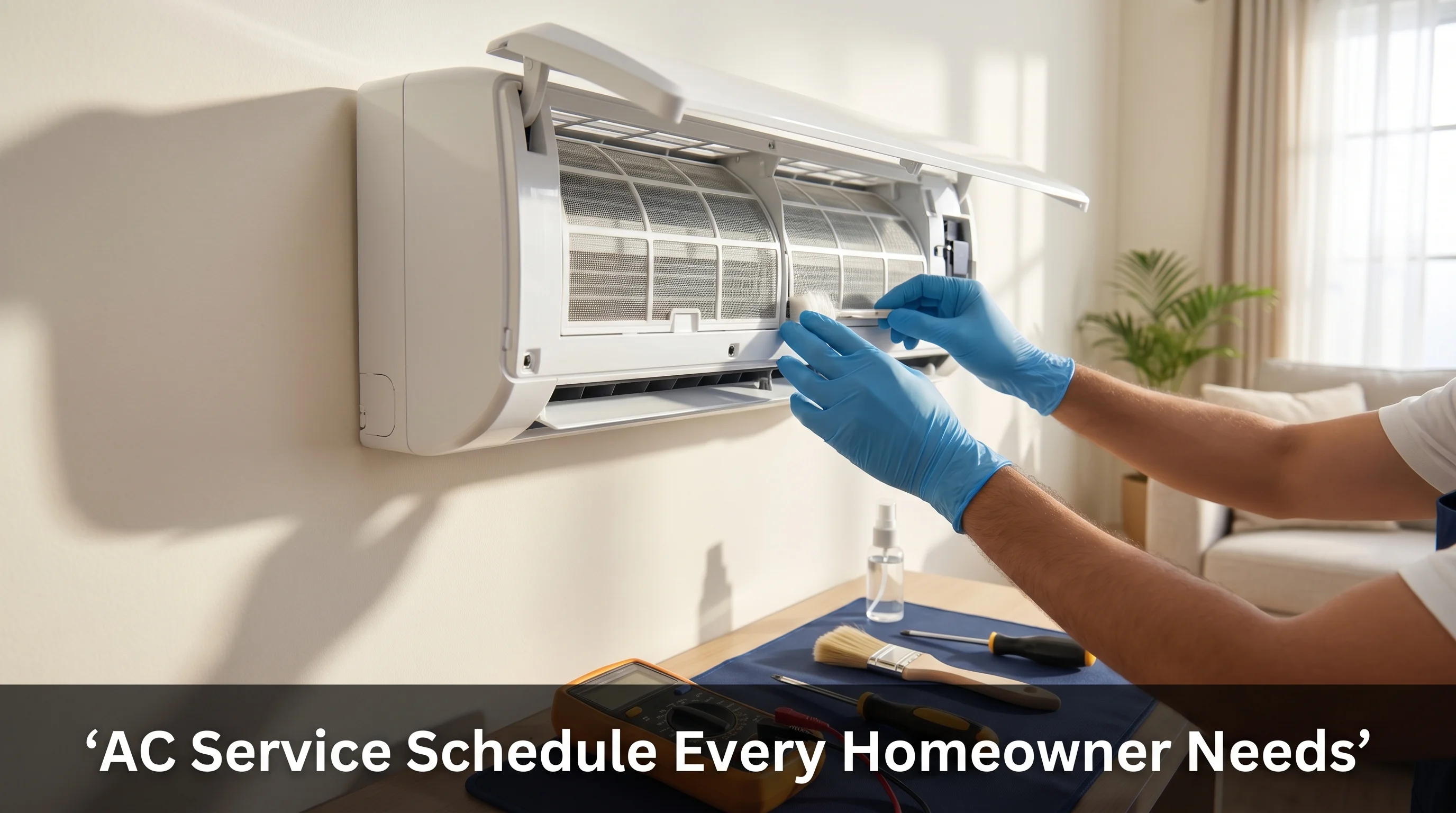
The Ultimate Timeline for Air Conditioner Servicing: When and Why Your Unit Needs Attention
Keeping your cooling system running smoothly requires more than just switching it on during summer months. Understanding the correct servicing schedule can save thousands of rupees in repair costs while ensuring your family breathes clean, filtered air throughout the year. Many homeowners across India continue asking the same crucial question about their cooling appliances, uncertain whether they are maintaining their investment correctly or setting themselves up for expensive breakdowns during peak heat waves.
The answer to maintenance frequency depends on multiple factors including usage patterns, environmental conditions, unit age, and installation quality. A properly maintained air conditioning system operates up to 25 percent more efficiently than neglected units according to industry studies. This efficiency translates directly to lower electricity bills, something particularly important in metropolitan areas where summer cooling costs can exceed monthly grocery budgets. Regular maintenance also extends equipment lifespan significantly, often adding five to seven years beyond the manufacturer's baseline expectation.
Climate conditions in different regions dramatically affect servicing requirements. Coastal cities experience higher humidity levels that promote mold growth inside units, while dusty environments require more frequent filter replacements. Temperature extremes force compressors to work harder, accelerating wear on critical components. These regional variations mean standardized maintenance schedules rarely provide optimal results without customization based on local conditions and individual usage patterns.
The financial implications of proper servicing extend beyond preventing major failures. Small problems caught early during routine maintenance rarely cost more than a few hundred rupees to address. Those same issues left unattended often cascade into complete system failures requiring component replacements costing fifteen to twenty thousand rupees or more. Insurance companies increasingly recognize this reality, with several providers now offering premium discounts for homeowners who maintain documented service records proving regular professional maintenance.
Modern air conditioning technology has introduced additional complexity requiring specialized knowledge and equipment. Inverter systems, smart controls, air purification modules, and variable speed compressors all demand specific maintenance procedures beyond basic cleaning. Attempting DIY repairs on these sophisticated systems frequently voids warranties while potentially causing damage far exceeding the cost of professional service. Understanding when to call experts versus handling simple maintenance tasks yourself represents crucial knowledge for responsible appliance ownership.
Understanding the Basic Servicing Schedule for Residential Cooling Systems
Professional technicians recommend comprehensive servicing at minimum twice annually for residential installations operating in typical Indian conditions. The ideal timing places one service session before summer peak season begins around March or early April, with the second session occurring after monsoon ends in October or November. This pre-season and post-season approach ensures equipment functions optimally when needed most while addressing problems that develop during periods of heavy use or seasonal weather challenges.
However, this baseline recommendation requires adjustment based on actual usage intensity. Households running their systems continuously throughout summer months benefit from quarterly servicing, particularly if located in regions experiencing six months or more of hot weather annually. Commercial establishments and homes with multiple units operating simultaneously should consider monthly inspection schedules to prevent downtime affecting business operations or residential comfort during critical periods.
Filter maintenance requires attention far more frequently than comprehensive system servicing. Standard mesh filters need cleaning every two weeks during active use periods, while more advanced HEPA or electrostatic filters typically require monthly attention. Households with pets, smokers, or residents suffering from respiratory conditions should clean filters weekly to maintain adequate indoor air quality. Clogged filters force systems to work substantially harder, increasing electricity consumption by fifteen to thirty percent while reducing cooling effectiveness and circulating contaminated air throughout living spaces.
The distinction between basic maintenance and comprehensive servicing often confuses homeowners. Basic maintenance includes filter cleaning, exterior wipe-downs, drain clearing, and visual inspections that capable homeowners can perform independently. Comprehensive servicing involves refrigerant level checks, electrical connection testing, compressor performance evaluation, thermostat calibration, and internal component cleaning requiring professional equipment and technical expertise. Most households should perform basic maintenance monthly while scheduling professional comprehensive servicing according to the twice-yearly minimum standard.
Specific service needs also correlate with unit age and operational history. Brand new installations typically require only basic maintenance during their first two years, with comprehensive servicing scheduled before warranty expiration to document proper maintenance for coverage purposes. Units between three and seven years old enter their prime maintenance period requiring strict adherence to recommended schedules. Systems exceeding ten years often need quarterly professional evaluations as aging components become increasingly prone to failure, though well-maintained older units frequently outperform neglected newer models.
Warning Signs Indicating Your System Needs Immediate Service Attention
Recognizing symptoms of developing problems allows homeowners to address issues before complete system failure occurs. Unusual noises represent the most obvious warning signal, with grinding sounds indicating bearing problems, rattling suggesting loose components, and squealing pointing toward belt or motor issues. Any significant noise change from normal operation warrants immediate professional evaluation, as these symptoms rapidly progress from minor annoyances to complete breakdowns requiring expensive emergency repairs.
Temperature inconsistencies throughout your living space signal airflow or refrigerant problems requiring professional diagnosis. Properly functioning systems maintain temperature within two degrees of thermostat settings throughout served areas. Rooms significantly warmer than others, frequent temperature fluctuations, or inability to reach desired settings all indicate developing problems. These issues often stem from refrigerant leaks, compressor wear, blocked ducts, or failing thermostats, all requiring different repair approaches best identified through professional evaluation.
Moisture accumulation or water leakage around indoor units demands immediate attention regardless of other symptoms. Condensate drain blockages cause water to back up into living spaces, potentially damaging walls, flooring, and creating mold growth hazards. Refrigerant leaks sometimes present as ice formation on refrigerant lines or evaporator coils, requiring specialized equipment to locate and repair. Never ignore moisture problems, as water damage repair costs frequently exceed cooling system repair expenses by substantial margins.
Unusual odors emanating from vents provide crucial diagnostic information about system condition. Musty smells indicate mold growth inside ductwork or evaporator assemblies requiring professional cleaning and possibly antimicrobial treatment. Burning odors suggest electrical problems or overheating components demanding immediate system shutdown and professional evaluation before fire hazards develop. Chemical smells might indicate refrigerant leaks requiring specialized repair procedures. Any persistent unusual odor justifies professional inspection regardless of whether other symptoms appear.
Unexplained electricity bill increases often signal declining system efficiency before other symptoms become noticeable. Cooling costs typically increase gradually as systems age, but sudden jumps of twenty percent or more indicate developing problems. Comparing current bills against previous years at similar temperatures helps identify abnormal consumption patterns. Systems consuming substantially more electricity while providing less cooling need professional evaluation to identify whether repairs can restore efficiency or replacement offers better long-term value.
Regional Considerations for AC Maintenance Scheduling Across India
Geographic location profoundly influences appropriate maintenance schedules and specific service priorities. For homeowners seeking AC Service Kolkata professionals understand that high humidity levels in eastern India accelerate mold growth and corrosion requiring enhanced attention to drainage systems and anti-corrosion treatments. Coastal environments expose units to salt-laden air causing faster deterioration of metal components, particularly outdoor condenser units facing ocean breezes. Technicians in these regions recommend quarterly comprehensive servicing during extended summer seasons from March through October.
Northern regions experiencing extreme seasonal temperature variations require different maintenance approaches. Systems sitting idle during winter months need pre-season comprehensive servicing ensuring proper startup after extended dormancy. Cold weather can cause refrigerant contraction, seal deterioration, and lubricant thickening requiring specific attention before summer operations resume. When seeking AC Service Kanpur or similar northern locations, homeowners benefit from technicians familiar with thermal cycling effects on system components and appropriate preventive measures.
Industrial areas and cities with high pollution levels demand more aggressive filter maintenance and internal cleaning schedules. Airborne particulates accumulate rapidly on heat exchanger fins reducing efficiency while filters clog substantially faster than in cleaner environments. For residents requiring AC Service Kharagpur or other industrial regions, monthly professional cleaning often proves necessary during peak pollution seasons. Electrostatic or HEPA filtration upgrades provide significant benefits in these challenging environments, though requiring more specialized maintenance procedures.
Monsoon season introduces unique challenges affecting service requirements across India. High humidity promotes mold growth while temperature variations cause frequent system cycling increasing component wear. Drainage systems face maximum demand during these months with condensate production reaching peak levels. Preventive maintenance before monsoon begins helps prevent mid-season failures when high humidity makes living without air conditioning particularly uncomfortable. Those arranging AC Service Patna or similar regions with intense monsoon activity should prioritize drain clearing and mold prevention treatments.
Smaller cities and towns often face service accessibility challenges affecting optimal maintenance schedules. Limited availability of qualified technicians and genuine replacement parts sometimes necessitates more conservative maintenance approaches emphasizing prevention over reactive repairs. Homeowners in locations like those seeking Best AC Service Karad should consider establishing relationships with reliable service providers well before peak season when technician availability becomes scarce. Building service history with trusted providers often results in priority scheduling during emergency situations.
Different Types of AC Systems and Their Specific Maintenance Requirements
Split system air conditioners dominate residential installations across India requiring specific maintenance attention to both indoor and outdoor components. Indoor evaporator units need monthly filter cleaning, quarterly drain inspections, and annual deep cleaning of blower assemblies and heat exchangers. Outdoor condenser units require debris removal from surrounding areas, fin cleaning to maintain airflow, and annual compressor performance checks. The refrigerant lines connecting these components need leak inspections particularly at connection points where vibration causes most failures.
Window and portable units combine all components in single assemblies simplifying some maintenance while complicating other aspects. These systems require weekly filter cleaning during heavy use periods as their compact design provides less tolerance for restricted airflow. Annual removal from windows or storage locations allows thorough cleaning of all surfaces including often-neglected rear condensers facing outdoor environments. Portable units with exhaust hoses need particular attention to ensure proper sealing preventing hot air recirculation defeating cooling purposes.
Central air conditioning systems serving entire homes or large spaces demand more complex maintenance schedules involving ductwork inspection and cleaning beyond basic unit servicing. Duct leaks waste substantial energy while distributing conditioned air into walls or attics rather than living spaces. Professional duct sealing often recovers fifteen to twenty percent of system capacity without equipment modifications. Supply and return registers throughout served spaces need regular cleaning preventing dust accumulation from circulating throughout homes. Central systems benefit from annual comprehensive professional servicing given their complexity and higher repair costs compared to individual room units.
Inverter technology systems require specialized knowledge for proper servicing as their variable speed operation differs fundamentally from traditional fixed speed units. These systems demand particular attention to electronic controls, variable frequency drives, and communication systems coordinating component operation. Filter cleaning requirements remain similar to conventional units, but refrigerant servicing requires specialized equipment capable of working with inverter compressor systems. Inverter units typically consume thirty to fifty percent less electricity than conventional systems when properly maintained, making regular professional servicing highly cost-effective.
Cassette and ducted ceiling units popular in modern constructions present unique maintenance challenges related to accessibility. These systems often require ladder access or ceiling panel removal to reach filters and serviceable components. Professional servicing becomes particularly important for these installations as improper handling risks ceiling damage or personal injury. The concealed nature of these systems sometimes allows problems to progress further before detection compared to visible wall-mounted units, making adherence to scheduled maintenance even more critical.
Cost Considerations and Financial Benefits of Regular Maintenance
Professional servicing costs vary substantially based on system type, service scope, and regional labor rates. Basic maintenance visits including filter cleaning, visual inspection, and minor adjustments typically range from five hundred to fifteen hundred rupees depending on system size and location. Comprehensive servicing involving refrigerant checks, chemical cleaning, and detailed component inspection generally costs between two thousand and five thousand rupees for residential systems. These figures represent reasonable investments considering typical repair costs for neglected systems frequently exceed twenty thousand rupees for major component replacements.
Annual maintenance contracts offer significant value for homeowners committed to proper system care. These packages typically provide two to four service visits yearly at twenty to thirty percent discounts compared to individual service call pricing. Contract customers often receive priority scheduling during peak season when non-contract clients face longer wait times. Many service providers include free minor repairs or discounted parts as contract benefits, though major component replacements usually involve additional charges. Evaluating contract terms carefully ensures alignment between provided services and actual household needs.
Energy savings from properly maintained systems provide tangible returns exceeding maintenance costs within single cooling seasons. Systems operating at peak efficiency consume fifteen to thirty percent less electricity than neglected units experiencing degraded performance. For households spending ten thousand rupees monthly on summer cooling, proper maintenance recovering twenty percent efficiency saves two thousand rupees monthly or twelve thousand rupees during typical six-month cooling seasons. This single benefit alone exceeds typical annual maintenance costs while providing additional advantages through extended equipment life and improved air quality.
Extended equipment lifespan represents another significant financial benefit of regular maintenance. Properly serviced systems routinely operate fifteen to twenty years compared to eight to twelve years for neglected units. Considering quality residential systems cost between thirty thousand and seventy thousand rupees installed, maintenance programs adding five years of useful life defer these major expenditures substantially. The time value of money and investment returns on deferred replacement costs often exceed ten times the cost of maintenance programs over equipment lifetimes.
Warranty compliance requirements frequently mandate documented regular maintenance as conditions for coverage. Most manufacturers void warranties if service records cannot demonstrate adherence to specified maintenance schedules. This requirement means skipping scheduled maintenance may cost the full replacement price of failed components that would otherwise receive warranty coverage. Maintaining detailed service records including dates, procedures performed, and technician signatures protects warranty claims while providing valuable information for diagnosing recurring problems or supporting insurance claims after damage events.
Seasonal Preparation and Post-Season Storage Procedures
Pre-summer preparation represents the most critical maintenance timing for ensuring reliable operation during peak demand periods. This service should occur in March or early April before temperatures rise substantially, allowing time to complete any necessary repairs before cooling becomes essential. Pre-season servicing includes comprehensive cleaning, refrigerant level verification, electrical connection inspection, thermostat calibration, and test operation under load conditions. Addressing problems discovered during this evaluation prevents mid-summer breakdowns when repair costs increase and technician availability decreases.
The pre-season inspection should specifically evaluate components most stressed by winter dormancy including compressor start capacitors, fan motors, and refrigerant seals. Extended non-operation allows lubricants to settle and seals to dry potentially causing startup difficulties or immediate failures when systems resume operation. Professional technicians perform specific tests identifying these vulnerabilities before they cause problems. Homeowners can assist this process by running systems for fifteen to twenty minutes monthly during off-season preventing complete dormancy while maintaining component lubrication.
Post-monsoon servicing in October or November addresses damage and deterioration occurring during high humidity months while preparing systems for winter storage in regions with cold seasons. This service emphasizes mold remediation, drainage system verification, and component drying to prevent corrosion during storage periods. Covering outdoor units with breathable protective covers prevents debris accumulation while allowing moisture escape avoiding condensation problems. Never use plastic or waterproof covers as trapped moisture accelerates corrosion substantially compared to leaving units uncovered.
End-of-season servicing also provides optimal timing for addressing non-urgent repairs discovered during summer operation. Problems that did not cause immediate failures but indicate developing issues can be repaired during off-season when parts availability improves and labor rates sometimes decrease due to lower demand. This strategic timing often saves twenty to thirty percent compared to emergency repairs during peak season. Scheduling these repairs immediately after season ends ensures completion before technician calendars fill with pre-season appointments.
Winter storage procedures for portable and window units significantly impact their condition for next season. Thoroughly cleaning and drying all components before storage prevents mold growth and corrosion during dormancy. Storing units in climate-controlled environments rather than sheds or garages exposed to temperature extremes extends component life. Covering stored units with breathable fabrics prevents dust accumulation while allowing air circulation. Keeping original packaging or investing in proper storage containers protects units from physical damage during handling and storage.
FAQ
Q: How often should I get my air conditioner professionally serviced?
A: For most residential cooling systems, professional servicing should be scheduled at least twice annually—ideally before summer begins and once during the monsoon season. However, this frequency may increase based on your specific circumstances such as location, usage patterns, and environmental factors. Homes in dusty or coastal areas may require more frequent attention due to faster filter clogging and humidity-related issues. Regular professional maintenance helps identify small problems early, preventing costly breakdowns during peak summer months when you need your system most.
Q: Does regular AC servicing actually reduce electricity bills?
A: Yes, properly maintained air conditioning systems operate significantly more efficiently than neglected units, with studies showing up to 25 percent improvement in energy efficiency. When filters are clean, coils are maintained, and refrigerant levels are optimal, your system doesn't have to work as hard to cool your home. This reduced workload translates directly to lower power consumption and smaller electricity bills. Over a cooling season, the savings from improved efficiency often exceed the cost of regular maintenance services.
Q: Can I service my AC myself or should I always hire a professional?
A: While homeowners can handle basic maintenance tasks like cleaning or replacing filters and keeping the outdoor unit free from debris, comprehensive servicing requires professional expertise. Modern air conditioning systems, especially inverter models and units with smart controls, contain complex components that need specialized knowledge and equipment to service properly. Attempting DIY repairs on sophisticated components can void warranties and potentially cause expensive damage. The best approach is handling simple cleaning tasks yourself while scheduling professional servicing for technical inspections and repairs.
Q: What happens if I skip regular AC maintenance?
A: Neglecting regular maintenance leads to progressively worsening problems that eventually result in costly failures. Small issues that could be fixed inexpensively during routine servicing—costing just a few hundred rupees—often escalate into major component failures requiring repairs of fifteen to twenty thousand rupees or more. Additionally, unmaintained systems lose efficiency, increasing your electricity costs throughout the year. Skipped maintenance also shortens your system's lifespan, potentially reducing it by five to seven years, forcing you to replace the entire unit much sooner than necessary.
Regular air conditioning servicing should happen twice yearly—once before summer and once during the monsoon season. Professional maintenance includes filter cleaning, refrigerant level checks, and component inspections that prevent 80% of common breakdowns. Learn more about seasonal maintenance schedules, warning signs that demand immediate attention, and simple DIY tasks you can perform monthly to extend your AC's lifespan while maintaining optimal cooling efficiency and indoor air quality.