
# Complete Guide to Air Conditioning Setup and Service Solutions in Mumbai
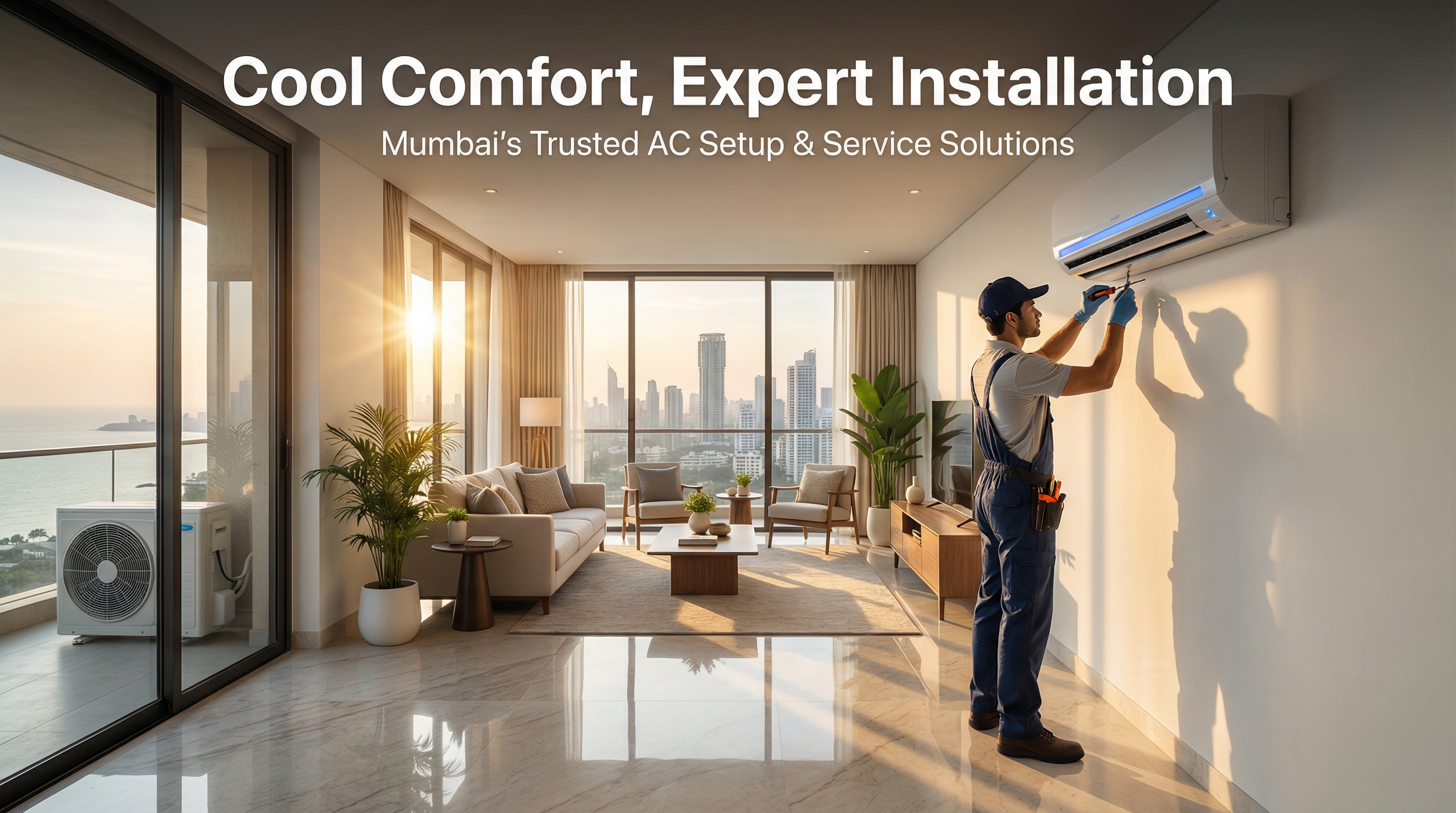
Mumbai's tropical climate creates a constant demand for effective cooling solutions throughout the year.
Mumbai's tropical climate creates a constant demand for effective cooling solutions throughout the year. The city's high humidity levels combined with soaring temperatures make air conditioning an essential requirement rather than a luxury. Residents and business owners frequently find themselves seeking reliable cooling installation experts who can deliver quality services that stand the test of time in this challenging environment.
The process of setting up a cooling system involves much more than simply mounting a unit on the wall. It requires careful planning, technical expertise, and understanding of local conditions that affect performance and efficiency. Many property owners underestimate the complexity involved in proper installation and later face recurring problems that could have been avoided with professional assistance from the start.
Finding the right service provider in a bustling metropolis like Mumbai presents its own challenges. The market is flooded with options ranging from individual technicians to established companies, making it difficult to identify genuinely skilled professionals. Quality installation directly impacts energy consumption, equipment lifespan, and overall cooling effectiveness, making this decision crucial for long-term satisfaction.
Understanding the financial aspects, common challenges, and available solutions helps property owners make informed decisions about their cooling needs. This comprehensive overview covers everything from budget considerations to technical troubleshooting, providing valuable insights for anyone planning to install or upgrade their air conditioning system in Mumbai's unique environment.
Understanding the Installation Process and Requirements
The setup procedure begins with a thorough assessment of the space where the cooling unit will be installed. Technicians evaluate factors such as room size, ceiling height, sunlight exposure, number of occupants, and heat-generating appliances. This evaluation determines the appropriate cooling capacity measured in tons or BTUs required to maintain comfortable temperatures efficiently.
Proper location selection for both indoor and outdoor units significantly influences performance. The indoor unit should be positioned away from direct sunlight and heat sources while ensuring unobstructed airflow throughout the room. The outdoor compressor requires adequate ventilation space, protection from extreme weather elements, and accessibility for maintenance purposes. Wall strength must support the weight of the unit, and electrical infrastructure should handle the power requirements safely.
The physical mounting process involves drilling holes for refrigerant pipes, drainage lines, and electrical cables. These connections must be executed precisely to prevent refrigerant leaks, water seepage, and electrical hazards. The refrigerant piping should be as short and straight as possible to maximize efficiency. Proper insulation of these pipes prevents condensation and energy loss, especially important in Mumbai's humid climate.
After physical installation, the system undergoes testing and commissioning. Technicians check refrigerant levels, verify electrical connections, test drainage systems, and ensure all controls function correctly. They also demonstrate operation to the owner and provide maintenance guidelines. This final stage is crucial for identifying and resolving potential issues before they develop into major problems.
Financial Considerations for Cooling System Setup
The financial outlay for establishing a cooling system in Mumbai varies based on several interconnected factors. Unit capacity represents the primary cost driver, with larger tonnage units commanding higher prices. A one-ton unit suitable for a small bedroom costs significantly less than a two-ton unit needed for a spacious living area. The technology type also influences pricing, with inverter models carrying premium price tags compared to conventional fixed-speed units.
Installation charges typically range between fifteen hundred to five thousand rupees depending on complexity and unit type. Split systems require more extensive work than window units, affecting labor costs. Additional expenses arise when structural modifications become necessary, such as reinforcing walls, creating new electrical circuits, or extending drainage lines beyond standard lengths. High-rise installations often incur extra charges due to safety equipment requirements and increased labor difficulty.
Material costs for copper piping, electrical cables, mounting brackets, and drainage components add to the overall expenditure. Quality materials ensure longevity but increase initial investment. Some service providers include these materials in their quoted price, while others charge separately, making cost comparisons challenging. Property owners should clarify what the quoted price includes to avoid unexpected expenses during the project.
Hidden costs sometimes emerge after installation begins. Electrical panel upgrades might be necessary if existing infrastructure cannot support the additional load. Older buildings may require extensive ductwork modifications or structural reinforcements. Obtaining necessary permissions from housing societies or municipal authorities might involve fees. Factoring these potential additional expenses into the budget prevents financial surprises and project delays.
Common Challenges During Setup and Their Solutions
Inadequate electrical supply represents one of the most frequent obstacles encountered during installation. Many Mumbai residences have electrical systems designed decades ago when air conditioning was uncommon. The existing wiring gauge and circuit breaker capacity may prove insufficient for modern cooling units. This situation necessitates electrical upgrades, including dedicated circuits with appropriate wire thickness and breaker ratings to handle the load safely without tripping or causing voltage drops.
Structural limitations pose another significant challenge, particularly in older buildings. Walls may lack the strength to support heavy units, or suitable mounting locations might be scarce due to architectural constraints. External walls might face public roads where municipal regulations restrict external unit placement. Creative solutions include floor-standing units, ceiling cassettes, or ductless mini-split systems that offer flexible installation options without compromising structural integrity or violating regulations.
Drainage problems frequently emerge post-installation, especially in multi-story buildings. Condensate water must flow smoothly to designated drain points without causing leakage or water damage. Improper drainage slope, clogged pipes, or inadequate drain points lead to water backup and indoor leakage. Professional installers design drainage systems with appropriate slopes, install condensate pumps where gravity drainage proves impossible, and ensure proper connection to building drainage infrastructure.
Space constraints in compact Mumbai apartments create placement difficulties for outdoor compressor units. Balconies may be too small, external walls inaccessible, or neighboring units too close. Noise concerns also influence compressor placement to avoid disturbing neighbors or violating noise pollution norms. Solutions include sound-dampening pads, strategic positioning away from bedroom windows, or exploring alternative system types like portable units when conventional installation proves impractical.
Types of Cooling Systems Available
Split air conditioners dominate the Mumbai market due to their quiet operation, aesthetic appeal, and energy efficiency. These systems feature separate indoor and outdoor units connected by refrigerant pipes. The indoor unit mounts on walls and delivers cooled air, while the noisy compressor stays outside. This configuration suits residential and commercial spaces where noise reduction matters. Modern split systems offer features like air purification, humidity control, and smart connectivity for enhanced comfort and convenience.
Window air conditioners provide economical cooling for smaller spaces. These self-contained units fit into window openings or specially created wall apertures. Installation proves simpler and less expensive than split systems, making them attractive for budget-conscious buyers or temporary arrangements. However, they generate more noise and consume more energy than split units. Window models suit single rooms, small offices, or rental properties where permanent installation is not desired.
Inverter technology represents a significant advancement in cooling efficiency. Unlike conventional units that operate at fixed speeds, inverter systems adjust compressor speed according to cooling demand. This variable operation reduces energy consumption by up to forty percent compared to non-inverter models. The initial investment is higher, but reduced electricity bills provide long-term savings. Inverter units also maintain more consistent temperatures and operate quieter than traditional systems.
Cassette and ducted systems cater to larger spaces requiring uniform cooling. Ceiling cassettes mount flush with false ceilings, distributing air in multiple directions for even temperature distribution. Ducted systems hide completely within ceilings, delivering conditioned air through strategically placed vents. These commercial-grade options suit offices, showrooms, restaurants, and large residences. They require professional design and installation but offer superior aesthetics and performance for extensive areas.
Brand Landscape and Service Providers
The Mumbai market offers numerous cooling system brands catering to different budgets and preferences. Doctor Fresh has established a reputation for reliable service and maintenance solutions across the city. Their technicians understand local conditions and provide customized recommendations based on specific requirements. The company emphasizes quality workmanship and customer satisfaction in all installations.
RO Care India extends beyond water purification to offer comprehensive home appliance services including cooling system installation and maintenance. Their multi-service approach provides convenience for customers seeking a single provider for various home needs. Mannubhai Service Expert brings decades of experience in home appliance servicing to the air conditioning sector, offering trusted expertise in installation and repair work.
Kent, traditionally known for water purifiers, now offers cooling solutions backed by their established service network. Aquaguard and Aquafresh similarly leverage their extensive service infrastructure to support air conditioning installations. These brands benefit from widespread recognition and existing customer relationships built through their primary product lines.
Blue Star stands as a prominent Indian brand specializing in cooling and commercial refrigeration. Their products suit both residential and commercial applications with various capacity options. LG brings international expertise with feature-rich models incorporating the latest technology. Pureit focuses on creating healthy indoor environments through air purification integrated with cooling systems. Each brand offers distinct advantages, and choosing depends on specific needs, budget considerations, and desired features.
Maintenance Considerations for Optimal Performance
Regular maintenance proves essential for sustaining cooling efficiency and preventing costly repairs. Filters require cleaning or replacement every two to four weeks depending on usage intensity and environmental dust levels. Mumbai's pollution and construction dust clog filters quickly, reducing airflow and forcing the system to work harder. Clean filters improve air quality, reduce energy consumption, and extend equipment lifespan.
Annual professional servicing should include comprehensive checks of refrigerant levels, electrical connections, drainage systems, and all mechanical components. Technicians clean coils, check compressor operation, verify thermostat accuracy, and identify potential problems before they cause breakdowns. This preventive approach costs less than emergency repairs and ensures reliable operation during peak summer months when cooling needs are most critical.
Outdoor unit cleaning often gets neglected but significantly impacts performance. The external condenser coil accumulates dirt, leaves, and pollution that restrict airflow and reduce heat dissipation efficiency. Regular cleaning with appropriate methods prevents overheating and compressor damage. Ensuring adequate clearance around the outdoor unit facilitates proper ventilation and simplifies maintenance access.
Monitoring energy consumption provides early warning of developing problems. Sudden increases in electricity bills without corresponding usage changes indicate declining efficiency. Strange noises, water leakage, inadequate cooling, or frequent on-off cycling signal issues requiring professional attention. Addressing these symptoms promptly prevents minor problems from escalating into major failures requiring expensive component replacements.
Selecting the Right Service Provider
Choosing qualified installation professionals significantly impacts system performance and longevity. Experience with various brands and system types indicates technical competence. Providers should demonstrate knowledge of local building codes, municipal regulations, and society norms governing installations. Checking credentials, certifications, and training from recognized bodies helps verify technical expertise.
Customer reviews and testimonials provide insights into service quality and reliability. Satisfied customers indicate consistent performance, while recurring complaints suggest problems to avoid. Recommendations from neighbors or colleagues who recently completed installations offer valuable firsthand information. Visiting completed projects allows assessment of work quality and attention to detail.
Transparent pricing without hidden charges demonstrates professional integrity. Detailed written quotations specifying equipment, materials, labor, and warranty terms prevent disputes later. Comparing multiple quotes helps identify reasonable pricing while avoiding suspiciously low bids that may compromise quality. Understanding what the quoted price includes ensures accurate cost comparisons across providers.
After-sales support and warranty terms merit careful consideration. Reliable providers offer comprehensive warranties covering parts and labor for specified periods. They maintain adequate inventory of spare parts and respond promptly to service requests. Some companies provide annual maintenance contracts that ensure regular servicing and priority attention to breakdowns. Strong after-sales support protects your investment and ensures long-term satisfaction.
Conclusion
Establishing an effective cooling system in Mumbai requires careful planning, appropriate equipment selection, and professional installation expertise. The city's challenging climate demands systems designed and installed to withstand high temperatures and humidity while delivering efficient performance. Understanding the various factors influencing costs helps property owners budget appropriately and avoid financial surprises during the project.
Common installation challenges ranging from electrical limitations to structural constraints require experienced professionals who can identify solutions rather than simply walking away from difficult situations. The variety of cooling system types available means options exist for virtually any space configuration and budget level. Selecting equipment that matches specific needs rather than simply choosing the cheapest option ensures satisfaction and value over the system's lifespan.
The presence of multiple established brands and service providers in Mumbai creates healthy competition but also requires diligent evaluation to identify genuinely qualified professionals. Credentials, experience, customer feedback, and transparent business practices distinguish reputable providers from those cutting corners. The initial installation quality directly determines long-term performance, energy efficiency, and maintenance requirements.
Regular maintenance cannot be overstated as a factor in maximizing return on investment. Even perfectly installed systems deteriorate without proper care, while well-maintained units deliver years of reliable service. Partnering with responsive service providers who offer comprehensive maintenance support ensures optimal performance throughout the equipment's life. By considering all these factors, property owners can achieve comfortable, efficient cooling that enhances quality of life in Mumbai's demanding climate.
Q - What factors determine the total cost of installing a cooling system in Mumbai?
A - The total cost depends on multiple factors including unit capacity (tonnage), technology type (inverter vs. non-inverter), and installation complexity. Split systems require more extensive installation work than window units, affecting labor charges which typically range from fifteen hundred to five thousand rupees. Additional costs arise from structural modifications, electrical upgrades, high-quality copper piping, drainage components, and building-specific requirements like high-rise safety equipment. Hidden expenses may include electrical panel upgrades for older buildings and necessary permissions from housing societies.
Q - What are the most common installation challenges in Mumbai properties?
A - The most frequent challenges include inadequate electrical infrastructure in older buildings that cannot support modern cooling loads, requiring dedicated circuits and wiring upgrades. Structural limitations such as weak walls unable to support heavy units or architectural constraints limiting mounting locations present significant obstacles. Drainage problems occur frequently in multi-story buildings where condensate water flow requires proper slope design or condensate pumps. Space constraints in compact apartments make it difficult to position outdoor compressor units while maintaining noise compliance and neighbor relations.
Q - How often should cooling systems be maintained for optimal performance?
A - Filters require cleaning or replacement every two to four weeks depending on usage intensity and Mumbai's dust levels, as pollution and construction dust quickly clog filters and reduce efficiency. Annual professional servicing should include comprehensive checks of refrigerant levels, electrical connections, drainage systems, coil cleaning, and component inspections. The outdoor condenser unit needs regular cleaning to remove accumulated dirt and pollution that restrict airflow. Monitoring energy consumption and addressing unusual noises, water leakage, or inadequate cooling promptly prevents minor issues from becoming expensive major repairs.
Q - What should property owners look for when selecting an installation service provider?
A - Property owners should verify technical expertise through credentials, certifications, and experience with various brands and system types, along with knowledge of local building codes and regulations. Customer reviews, testimonials, and recommendations from recent installations provide insights into service quality and reliability. Transparent pricing with detailed written quotations specifying all equipment, materials, labor, and warranty terms prevents disputes and enables accurate comparisons. Strong after-sales support including comprehensive warranties, adequate spare parts inventory, prompt service response, and maintenance contracts ensures long-term satisfaction and protects the investment.
Take Control of Your Indoor Comfort
Understanding the complexities of air conditioning setup empowers you to make decisions that enhance comfort while optimizing energy usage. Learn more about selecting the right cooling capacity for your specific space requirements, explore advanced inverter technology benefits, and discover maintenance practices that extend equipment lifespan while reducing operational costs.
Related Blogs
- Expert Guide to Air Conditioning Maintenance and Professional Solutions in Delhi
- Professional Air Conditioning Installation Services: Your Complete Guide to Reliable Cooling Solutions
- Best AC Service in India – Affordable AC Repair & Maintenance at Home
- Essential Reasons to Service Your Air Conditioner During Cold Months
- Prevent AC Breakdowns with Routine Professional Care