

AC Maintenance Tips for Summer: Keep Your Air Conditioner Running Efficiently
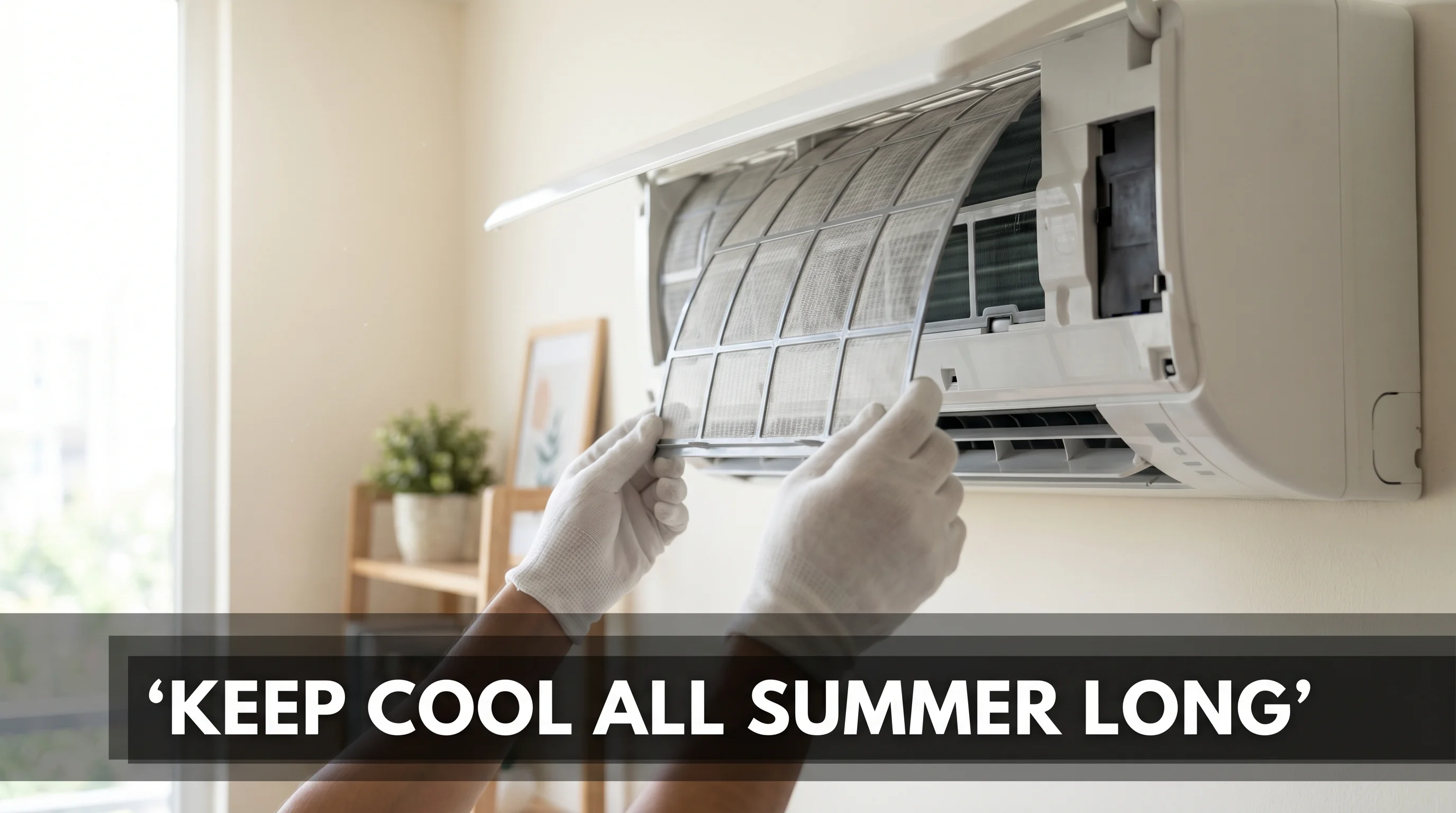
Complete AC Maintenance Guide for Summer: Keep Your Cooling System Running Efficiently
Summer in India brings scorching temperatures that can make life unbearable without a properly functioning air conditioner. Whether you live in the humid regions of eastern India or the dry heat of northern states, your AC becomes your best friend during these sweltering months. However, many homeowners overlook the importance of regular maintenance until their cooling system breaks down on the hottest day of the year. Understanding essential AC maintenance practices not only extends the lifespan of your unit but also ensures optimal performance, reduces electricity bills, and maintains healthy indoor air quality throughout the summer season.
The intense summer heat in cities like Kanpur can push air conditioning units to their limits. When temperatures soar above 45 degrees Celsius, your AC works overtime to maintain comfortable indoor temperatures. This constant operation puts tremendous stress on various components, from the compressor to the condenser coils. Without proper care and timely intervention, even the most expensive units can fail prematurely. Regular AC Service Kanpur and other major cities has become essential rather than optional for homeowners who want uninterrupted cooling during peak summer months.
Many people make the mistake of switching on their air conditioner after months of winter storage without any preliminary checks. This approach often leads to reduced cooling efficiency, strange noises, water leakage, or complete system failure. Professional technicians report that majority of summer AC breakdowns could have been prevented with basic pre-summer maintenance. Simple tasks like cleaning filters, checking refrigerant levels, and inspecting electrical connections can make the difference between a smoothly running unit and an expensive repair bill.
The cost of neglecting AC maintenance goes beyond repair expenses. A poorly maintained air conditioner consumes significantly more electricity, sometimes up to 30-40 percent more than a well-maintained unit. In a country where electricity costs continue to rise, this additional consumption translates into thousands of rupees in wasted money each summer. Additionally, dirty filters and clogged coils can circulate dust, allergens, and bacteria throughout your home, potentially causing respiratory issues and allergies among family members.
This comprehensive guide covers everything you need to know about preparing your air conditioner for summer, maintaining it throughout the hot season, and recognizing when professional help becomes necessary. From DIY maintenance tasks that any homeowner can perform to understanding when to call for expert AC Service Agra providers, these tips will help you enjoy consistent cooling while saving money on energy bills and repair costs throughout the summer months.
Pre-Summer AC Preparation Checklist
Before the summer heat arrives in full force, conducting a thorough inspection and maintenance session sets the foundation for trouble-free cooling. Start this process at least two to three weeks before temperatures begin rising, giving yourself adequate time to address any issues discovered during inspection. Begin by turning on your AC unit and observing its performance for at least 30 minutes. Listen carefully for unusual sounds like grinding, squealing, or rattling that might indicate mechanical problems. Check whether the unit reaches the set temperature within a reasonable timeframe and whether airflow from vents feels strong and consistent.
Examine the outdoor condenser unit carefully for any visible damage or obstruction. During winter and spring, leaves, debris, bird nests, or dust might have accumulated around or inside the unit. Clear at least two feet of space around the condenser to ensure proper airflow and heat dissipation. Inspect the protective grille for damage and ensure no bent fins are blocking air circulation. Gently straighten any bent fins using a fin comb, which you can purchase from hardware stores for around 200-300 rupees. Remove any vegetation growing near the unit, as plants too close to the condenser reduce efficiency and can harbor insects.
Testing your thermostat accuracy represents another crucial pre-summer step. Place a separate thermometer near the thermostat and compare readings after running the AC for an hour. If discrepancies exceed two degrees, the thermostat might need recalibration or replacement. Modern programmable thermostats offer significant energy savings during summer, potentially reducing cooling costs by 15-20 percent through optimized temperature scheduling. If you still use an older manual thermostat, consider upgrading to a digital or smart model that allows precise temperature control and automated adjustments based on occupancy patterns.
Electrical connections and circuit breakers deserve careful attention during pre-summer preparation. Turn off power to the AC unit at the circuit breaker before inspecting any electrical components. Look for loose connections, frayed wires, or signs of overheating like discoloration around terminals. Tighten any loose connections and consider having an electrician inspect the entire electrical system if you notice anything concerning. Check the circuit breaker rating matches your AC requirements and ensure it has not tripped repeatedly during previous seasons, which might indicate underlying electrical issues requiring professional attention.
The condensate drain line often gets overlooked but plays a vital role in preventing water damage and maintaining efficiency. Locate the drain line, typically a PVC pipe near the indoor unit, and pour a mixture of one cup bleach to one gallon of water through it to kill algae and prevent clogs. If the drain line appears clogged, use a wet-dry vacuum to clear blockages or call for professional AC Service Patna technicians who have specialized equipment for thorough drain cleaning. A clogged drain line can cause water overflow, damage ceilings or walls, and even trigger automatic shutdowns in modern AC units equipped with overflow protection sensors.
Filter Cleaning and Replacement Guidelines
Air filters represent the first line of defense against dust, pollen, and airborne contaminants entering your cooling system and home. Understanding proper filter maintenance dramatically impacts both air quality and AC efficiency throughout summer. Most residential air conditioners use either washable filters or disposable filters that require replacement every one to three months depending on usage intensity and environmental conditions. Homes in dusty areas or those with pets typically need more frequent filter attention compared to apartments in relatively cleaner environments.
Washable filters offer long-term cost savings and environmental benefits compared to disposable alternatives. To clean a washable filter properly, first turn off the AC and remove the filter according to manufacturer instructions. Take the filter outdoors and use a garden hose or bathroom shower to rinse away accumulated dust and debris. Spray from the clean side toward the dirty side to avoid pushing particles deeper into the filter material. For heavily soiled filters, prepare a solution of warm water and mild detergent, soak the filter for 15-20 minutes, then rinse thoroughly until water runs clear. Allow the filter to dry completely in shade before reinstalling, as moisture can promote mold growth inside the AC unit.
Disposable filters come in various efficiency ratings measured by MERV (Minimum Efficiency Reporting Value) scales. Higher MERV ratings capture smaller particles but also restrict airflow more, potentially forcing your AC to work harder. For typical Indian homes, MERV ratings between 8 and 11 provide excellent balance between filtration efficiency and airflow. Replace disposable filters when they appear visibly dirty or every month during peak summer usage. Mark filter replacement dates on your calendar or set smartphone reminders to maintain consistent maintenance schedules throughout the cooling season.
The impact of clean filters on AC performance cannot be overstated. A dirty filter restricts airflow, forcing the blower motor to work harder and consume more electricity while delivering less cooling. This restriction also causes the evaporator coil to freeze as reduced airflow prevents proper heat exchange, leading to water leakage and potential compressor damage. Studies indicate that replacing a dirty filter with a clean one can reduce AC energy consumption by 5-15 percent, translating to monthly savings of several hundred rupees depending on unit size and usage patterns.
Some modern air conditioners feature multi-stage filtration systems including pre-filters, HEPA filters, and activated carbon filters for odor removal. Each filter type serves specific purposes and requires different maintenance schedules. Pre-filters catch larger particles and need weekly cleaning during summer, while HEPA filters typically last three to six months. Activated carbon filters lose effectiveness over time regardless of visible cleanliness and should be replaced according to manufacturer recommendations. Maintaining all filter stages ensures your AC provides not just cooling but also healthy, clean air throughout the summer months when windows typically remain closed and indoor air circulation decreases.
Coil Maintenance and Cleaning Techniques
The evaporator and condenser coils form the heart of your air conditioning system, facilitating the critical heat exchange process that produces cool air. Over time, these coils accumulate dirt, dust, and grime that acts as insulation, reducing their ability to absorb and release heat efficiently. Regular coil cleaning represents one of the most impactful maintenance tasks you can perform to maintain AC efficiency and prevent premature system failure during demanding summer months.
The evaporator coil, located inside the indoor unit behind the filter, removes heat and humidity from indoor air. Even with clean filters, some dust inevitably reaches the evaporator coil over time, especially in dusty Indian cities. Annual evaporator coil cleaning before summer prevents efficiency loss and maintains optimal cooling capacity. While homeowners can perform basic evaporator coil cleaning, this task requires caution to avoid damaging delicate aluminum fins. Turn off power completely, remove the access panel, and use a soft brush attachment on a vacuum cleaner to remove loose dust. For deeper cleaning, specialized coil cleaning solutions are available at prices ranging from 300-600 rupees. Spray the solution on the coil, wait for the recommended time, and let the condensate drain wash away dissolved dirt.
The condenser coil in the outdoor unit faces even harsher conditions, exposed to weather, pollution, and environmental debris. Inspect condenser coils at the start of summer and monthly during the cooling season. External coils are more accessible and can be cleaned with a garden hose, spraying from inside outward to push dirt away from the coil core. Avoid using high-pressure washers, which can bend fragile fins and reduce airflow. For heavily soiled condenser coils, commercial coil cleaners designed for outdoor units work effectively, though professional AC Service Kolkata providers offer thorough cleaning using specialized equipment that homeowners typically cannot access.
Bent or damaged coil fins significantly reduce airflow and cooling efficiency, sometimes by 30 percent or more. A fin comb, an inexpensive tool available at hardware stores, allows you to straighten bent fins carefully. Work slowly and methodically, matching the fin comb teeth to the fin spacing (measured in fins per inch). Insert the comb at the bottom of the bent section and pull upward gently to realign fins. This simple task can restore lost cooling capacity without any professional intervention, though patience and a steady hand are required to avoid causing additional damage.
Professional coil cleaning services typically cost between 800-1500 rupees depending on AC tonnage and accessibility. These services use specialized chemical cleaners, high-volume low-pressure washing systems, and have experience handling various coil types without causing damage. Most technicians recommend professional coil cleaning every two years for typical residential installations, though homes in industrial areas or near construction sites might benefit from annual professional cleaning. Some comprehensive AC Service Nagpur packages include coil cleaning as part of annual maintenance contracts, offering better value than individual service calls.
Refrigerant Level Checks and Leak Detection
Refrigerant, commonly called gas in Indian service contexts, enables your air conditioner to produce cool air by absorbing heat from indoor air and releasing it outdoors. Proper refrigerant levels are crucial for efficient cooling, and contrary to popular belief, refrigerant does not get consumed during normal operation. If refrigerant levels drop, a leak exists somewhere in the system, requiring professional attention to identify and repair before recharging the system.
Several signs indicate potential refrigerant issues that require immediate attention. Insufficient cooling despite the AC running continuously suggests low refrigerant levels among other possible causes. Ice formation on the refrigerant lines or evaporator coil often indicates refrigerant problems, as does hissing or bubbling sounds near the indoor or outdoor unit. Higher than normal electricity bills without increased usage can also signal refrigerant leaks, as the system works harder to compensate for reduced cooling capacity. If you notice any of these symptoms, contact qualified technicians for proper diagnosis rather than simply adding refrigerant without addressing underlying leaks.
Refrigerant handling requires specialized training, equipment, and certification due to environmental and safety concerns. Unlike simple maintenance tasks like filter cleaning, refrigerant work falls strictly within professional service territory. Attempting DIY refrigerant recharging risks damaging the AC system, violating environmental regulations, and potential injury from handling pressurized refrigerant. Professional technicians use manifold gauges to measure refrigerant pressure accurately, electronic leak detectors to identify leak locations, and proper recovery equipment to prevent refrigerant release into the atmosphere.
Different air conditioner models use various refrigerant types including R-22, R-410A, and newer environmentally friendly alternatives. R-22 refrigerant, once common in older AC units, is being phased out globally due to ozone depletion concerns, making it increasingly expensive and difficult to obtain. If your AC uses R-22 and requires frequent refrigerant additions due to leaks, consider the long-term economics of continued repairs versus replacement with a modern unit using R-410A or R-32 refrigerant. New refrigerants offer better efficiency and environmental performance while ensuring long-term serviceability as R-22 becomes unavailable.
Refrigerant recharging costs in India vary significantly based on refrigerant type, quantity needed, and service provider. R-22 recharging can cost 2500-4000 rupees per kilogram, while R-410A typically ranges from 1500-2500 rupees per kilogram. However, simply adding refrigerant without fixing leaks wastes money, as the refrigerant will leak out again, requiring repeated recharging. Reputable AC service providers always locate and repair leaks before recharging, which might increase immediate costs but provides proper long-term solutions. Some service providers offer leak repair packages that include leak detection, repair, pressure testing, and refrigerant recharging at comprehensive prices ranging from 3000-6000 rupees depending on leak severity and location.
Professional Maintenance vs DIY Care
Understanding which maintenance tasks you can safely perform yourself versus those requiring professional expertise helps balance cost savings with proper AC care. Many basic maintenance activities require no technical expertise beyond following simple instructions, while others involve specialized tools, safety considerations, or technical knowledge that justify professional service costs.
Homeowners can confidently handle several routine maintenance tasks throughout summer. Regular filter cleaning or replacement tops this list, requiring only 10-15 minutes every few weeks. Keeping the area around outdoor units clear of debris, plants, and obstructions represents another simple task with significant impact on AC performance. Cleaning exterior cabinet surfaces, checking for unusual noises during operation, monitoring cooling performance, and ensuring proper thermostat operation all fall within typical homeowner capabilities. These tasks collectively maintain AC efficiency between professional service visits and help identify developing problems before they cause complete system failure.
Professional AC service becomes necessary for tasks involving refrigerant, electrical components, mechanical repairs, or internal component access. Annual professional maintenance typically includes comprehensive system inspection, refrigerant pressure checks, electrical connection testing, motor lubrication, thermostat calibration, condensate drain cleaning, and performance testing. Qualified technicians have training to identify potential problems that untrained eyes might miss, such as early signs of compressor failure, refrigerant leaks, or electrical issues that could lead to safety hazards. They also carry specialized diagnostic tools like manifold gauges, multimeters, and leak detectors that provide accurate system assessments impossible with visual inspection alone.
Comprehensive annual maintenance contracts offered by many service providers range from 1500-3000 rupees for standard split AC units, covering two to four service visits per year plus discounts on parts and repairs if needed. These contracts ensure regular professional attention regardless of whether you remember to schedule service, potentially preventing expensive emergency repairs during peak summer when service demand peaks and wait times increase significantly.
Learn more about protecting your cooling investment this summer season. Regular AC maintenance ensures optimal performance during Kanpur's intense heat while reducing energy costs and preventing unexpected breakdowns. Discover how simple preventive care steps can extend your unit's lifespan and maintain consistent comfort throughout the hottest months.