

What are the signs that my Washing Machine needs servicing?
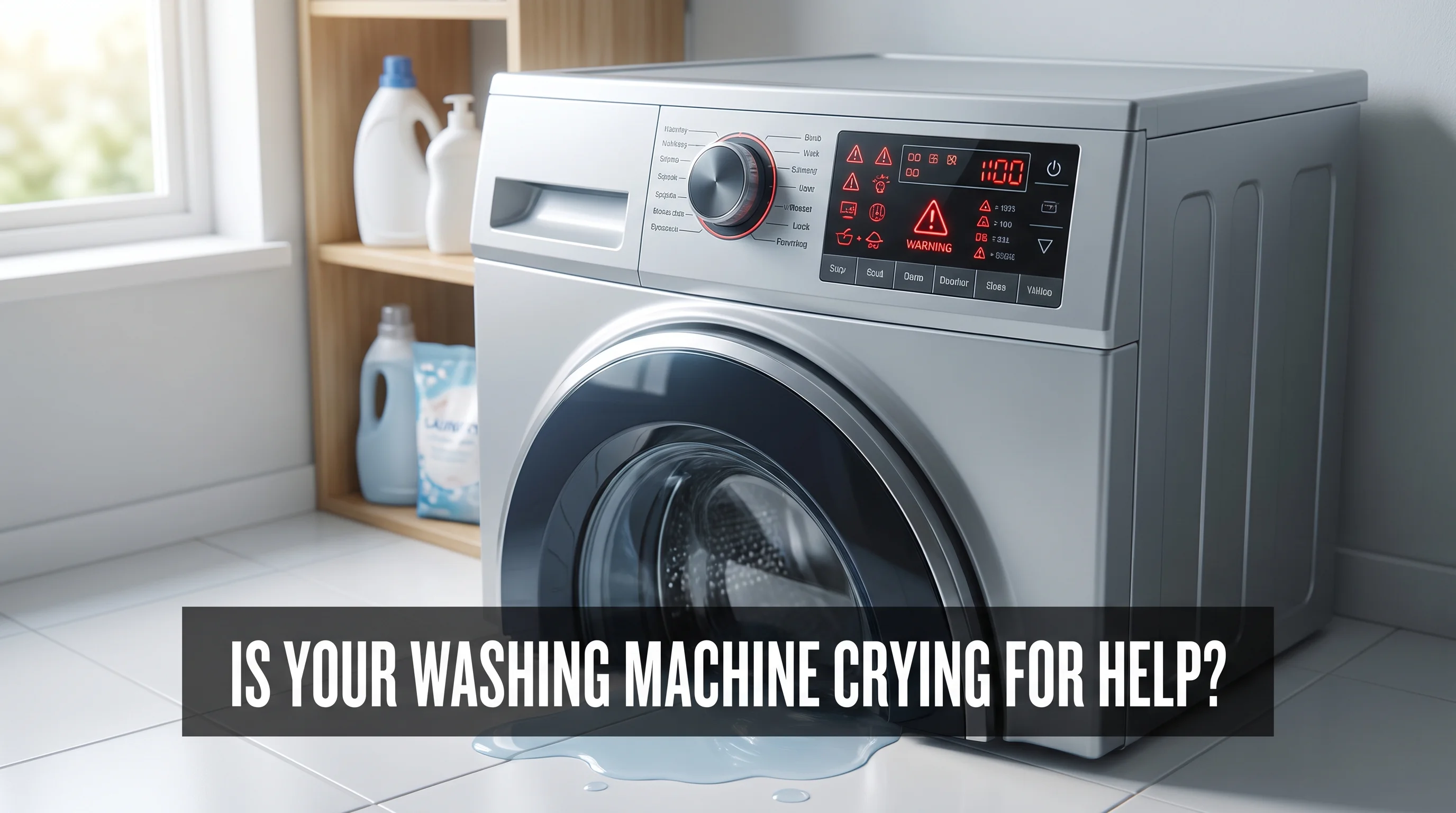
What are the signs that my Washing Machine needs servicing?
Your washing machine is one of the hardest-working appliances in your home, handling load after load of dirty laundry week after week. However, like any mechanical device, it requires regular maintenance and occasional repairs to keep functioning optimally. Many homeowners ignore the early warning signs that their washing machine needs professional attention, which often leads to more expensive repairs or even complete appliance failure. Recognizing these signs early and contacting a reliable Washing Machine Repair Service in Agra can save you significant money and prevent the inconvenience of a broken appliance. Understanding when your washing machine is crying out for help is essential for maintaining its longevity and ensuring your clothes get the thorough cleaning they deserve.
Modern washing machines, whether fully automatic or semi-automatic, contain numerous components that work together harmoniously. When even one part begins to malfunction, it can affect the entire system's performance. Indian households depend heavily on their washing machines, especially in cities where manual washing is impractical due to time constraints and lifestyle demands. This comprehensive guide will walk you through the most common signs that indicate your washing machine requires professional servicing, helping you make informed decisions about maintenance and repairs. By staying alert to these warning signals, you can address issues promptly and extend your appliance's lifespan considerably.
Unusual Noises During Operation
One of the most obvious signs that your washing machine needs servicing is the emergence of strange sounds during its wash cycle. A healthy washing machine operates with a consistent, relatively quiet hum punctuated only by the normal sounds of water filling, draining, and the drum spinning. When you start hearing grinding, squealing, banging, or thumping noises, something is definitely wrong internally.
Grinding sounds typically indicate worn bearings or a failing motor. The drum bearings support the inner tub and allow it to spin smoothly. Over time, these bearings wear down, especially if you frequently overload the machine or wash heavy items like blankets and rugs. When bearings deteriorate, they create a grinding or rumbling sound that becomes progressively louder. If left unaddressed, damaged bearings can cause the drum to become misaligned, potentially damaging other components and requiring more extensive repairs.
Loud banging or thumping during the spin cycle often suggests an unbalanced load or a more serious mechanical issue. While load imbalance is easily corrected by redistributing clothes, persistent banging despite proper loading indicates problems with the suspension system, shock absorbers, or stabilizing components. These parts keep the drum centered and absorb vibrations during high-speed spinning. When they fail, the drum moves excessively, hitting the machine's sides and creating loud impacts that can damage both the appliance and surrounding cabinets or walls.
Squealing or screeching sounds usually point to worn drive belts or pulley problems. The drive belt connects the motor to the drum, and when it becomes loose, cracked, or misaligned, it produces high-pitched noises during operation. Similarly, a faulty pump or a foreign object trapped between the drum and tub can create clicking or scraping sounds. Any of these acoustic warnings should prompt you to contact a Washing Machine Repair Service in Ahmedabad before minor issues escalate into major failures.
Water Leakage Problems
Water pooling around your washing machine is never normal and represents one of the clearest signs that professional servicing is urgently needed. Even small amounts of water seeping from your appliance indicate seal failures, hose problems, or internal component damage that will only worsen with continued use.
The most common source of leaks is damaged or worn door seals in front-loading machines. These rubber gaskets create a watertight seal when the door closes, but they deteriorate over time due to exposure to detergents, fabric softeners, and constant flexing. Cracks, tears, or mold growth on the seal compromise its effectiveness, allowing water to escape during wash cycles. Regular inspection and cleaning of door seals can prevent some problems, but once damage occurs, replacement by a qualified technician is necessary.
Hose connections represent another frequent leak location. Washing machines use multiple hoses for water inlet and drainage, and these connections can loosen over time due to vibrations during operation. The rubber washers inside hose fittings also harden and crack with age, creating gaps where water escapes. Checking hose connections periodically and tightening them can temporarily stop minor leaks, but persistent seepage indicates that hoses or fittings need replacement.
Internal leaks are more serious and harder to diagnose without professional expertise. A cracked tub, damaged pump, or faulty water inlet valve can cause water to leak inside the machine's cabinet, where it may not be immediately visible. You might notice rust forming on the machine's exterior, damp spots on nearby walls, or a musty smell indicating hidden moisture. These internal leaks can damage electrical components and create safety hazards, making prompt professional servicing essential.
Poor Cleaning Performance
When your clothes come out of the wash cycle still dirty, stained, or smelling unpleasant, your washing machine is clearly not performing its primary function effectively. Poor cleaning performance has multiple potential causes, many requiring professional diagnosis and repair.
Insufficient water filling is a common culprit behind poor cleaning results. If the water inlet valve malfunctions or becomes clogged with sediment, the machine may not receive enough water to properly agitate and rinse clothes. Indian water supplies often contain high mineral content, which can build up in valves and filters over time. Similarly, low water pressure in your home can prevent adequate filling, though this is more of a plumbing issue than a machine problem.
A malfunctioning agitator or drum in top-loading and front-loading machines respectively can also compromise cleaning performance. The agitator should move freely and vigorously to work detergent through fabrics and dislodge dirt. If it becomes loose, damaged, or its fins break off, clothes simply soak in soapy water without receiving proper mechanical action. In front-loaders, if the drum doesn't rotate properly due to motor or belt issues, clothes won't tumble effectively through the wash solution.
Detergent residue buildup inside the machine creates another performance problem. While not strictly a mechanical failure, excessive detergent use or using the wrong detergent type causes soap scum to accumulate in the drum, detergent dispenser, and internal passages. This buildup harbors bacteria and mold, creates unpleasant odors, and can actually make clothes dirtier. Professional servicing includes thorough cleaning of internal components to restore optimal performance, something that goes beyond routine user maintenance.
Excessive Vibration and Movement
While some vibration during the spin cycle is normal, excessive shaking that causes the machine to walk across the floor or violently rock back and forth signals serious problems requiring immediate attention from a Washing Machine Repair Service in Khordha.
Worn shock absorbers and suspension springs are primary causes of excessive vibration. These components dampen the natural movement of the spinning drum, keeping the machine stable even at high speeds. In Indian washing machines that handle frequent, heavy loads in hard water conditions, these parts wear faster than in lighter-use scenarios. When shock absorbers fail, the drum's movements aren't properly controlled, causing the entire machine to shake violently and potentially damaging other components through repeated impacts.
An unbalanced drum due to broken counterweights or mounting issues also creates severe vibration problems. Manufacturers install concrete counterweights to balance the drum assembly, but these can crack or become loose over time. Similarly, if the drum mounting brackets or stabilizing components fail, the drum itself becomes unbalanced regardless of load distribution. These issues require professional repair, as attempting DIY fixes can be dangerous and may void warranties.
Leveling problems might seem simple but can contribute significantly to vibration issues. Washing machines must sit perfectly level on stable flooring to operate correctly. If your floor is uneven or the machine's adjustable feet aren't properly set, even a mechanically sound appliance will vibrate excessively. However, if the machine previously operated smoothly in the same location but now shakes violently, internal mechanical problems rather than leveling are likely responsible. Professional technicians can accurately diagnose whether leveling adjustments or component replacement is needed.
Drainage and Spinning Issues
A washing machine that won't drain completely or fails to spin clothes properly leaves you with waterlogged laundry that takes forever to dry, indicating serious functional problems that demand professional servicing.
Clogged drain pumps and hoses are the most common causes of drainage problems. Over time, lint, coins, buttons, and other debris accumulate in the pump filter and drainage system, restricting water flow. While some machines have user-accessible filters that can be cleaned, complete pump failure requires replacement by a qualified technician. Indian households often wash heavily soiled work clothes and children's play clothes, increasing the likelihood of debris accumulation. A qualified repair service in any major city can quickly diagnose and resolve pump-related issues.
If the machine drains but doesn't spin, or spins weakly without extracting much water, motor or transmission problems may be responsible. The motor drives both the wash agitation and the high-speed spin cycle. If the motor is failing, it may still have enough power for the gentle wash cycle but cannot reach the high RPMs necessary for effective spinning. Similarly, transmission problems in top-loading machines prevent proper power transfer from the motor to the drum. These are complex repairs requiring specialized knowledge and replacement parts.
Lid switch or door lock failures in top-loading and front-loading machines respectively can prevent the spin cycle from engaging as a safety feature. These switches ensure the lid or door is properly closed before allowing high-speed spinning. If the switch malfunctions, the machine's control board doesn't receive the signal that it's safe to spin, leaving clothes soaking wet. While seemingly minor, these electrical components require proper diagnosis and replacement to restore full functionality.
Electrical and Control Panel Malfunctions
Modern washing machines rely heavily on electronic control systems to manage wash cycles, water temperature, spin speeds, and timing. When these systems malfunction, you may experience various symptoms indicating the need for professional intervention from a Washing Machine Repair Service in Udaipur or your local area.
Digital display errors or complete panel failures are obvious signs of electrical problems. If the control panel lights up but doesn't respond to button presses, displays error codes continuously, or powers off unexpectedly during cycles, the control board or user interface may be damaged. Power surges are common in many Indian cities, and without proper surge protection, these electrical spikes can damage sensitive electronic components. Water damage from leaks or high humidity can also corrode circuit boards and connections.
The machine not starting at all despite having power suggests issues with the main control board, door lock mechanism, or power supply components. Before calling for service, verify that the machine is properly plugged in, the circuit breaker hasn't tripped, and the door or lid is fully closed. If these basics check out but the machine remains unresponsive, internal electrical failures are likely. Attempting to repair electrical components yourself poses serious safety risks, making professional servicing essential.
Cycles not completing properly or the timer not advancing indicate control system problems. If the machine fills with water but never progresses to wash, or gets stuck in one cycle indefinitely, the timer motor or control board isn't functioning correctly. These issues might be intermittent at first but typically worsen over time. Modern machines use electronic control modules that require specialized diagnostic equipment to troubleshoot accurately. Professional services employ technicians trained in diagnosing and repairing these sophisticated electronic systems.
Signs Requiring Immediate Professional Attention
| Warning Sign | Severity Level | Typical Cause | Risk of Delay |
|---|---|---|---|
| Water leaking during operation | High | Seal failure, hose damage | Water damage to floors, electrical hazards |
| Burning smell | Critical | Motor overheating, electrical short | Fire hazard, complete appliance failure |
| Machine not turning on | Medium-High | Control board failure, power issues | Complete loss of function |
| Loud banging sounds | High | Drum imbalance, bearing failure | Damage to drum and cabinet |
| Won't drain water | Medium | Clogged pump, drain hose blockage | Mold growth, standing water issues |
| Excessive vibration | Medium-High | Shock absorber failure | Damage to surrounding structures |
| Error codes displayed | Variable | Multiple possible causes | Depends on specific error code |
| Clothes still wet after spin | Medium | Drain problems, motor issues | Mold on clothes, extended drying time |
Certain warning signs demand immediate professional attention rather than waiting for a convenient service appointment. A burning smell emanating from your washing machine indicates serious electrical problems or motor overheating that could lead to fire. Immediately unplug the machine and contact emergency repair services. Similarly, any signs of electrical sparking, smoke, or tripped circuit breakers when operating the machine represent critical safety hazards requiring urgent professional intervention.
If your machine suddenly stops mid-cycle and won't restart, especially accompanied by unusual sounds or smells, don't attempt multiple restart attempts. Repeatedly trying to operate a malfunctioning machine can worsen the damage and increase repair costs. Instead, disconnect power and water supplies, then contact a qualified technician to diagnose the problem. Services offering Washing Machine Repair Service in Mumbai and other metro areas often provide same-day emergency repairs for critical situations.
Water continuously filling or overflowing from the machine even when turned off indicates a stuck water inlet valve requiring immediate attention. This not only wastes water and increases your utility bills but can cause significant water damage to your home. Turn off the water supply valves behind the machine immediately and call for professional repair. The valve needs replacement, which is a straightforward job for experienced technicians but can be challenging for homeowners without proper tools and knowledge.
Preventive Maintenance and Regular Servicing
Understanding when your washing machine needs servicing is important, but preventing problems through regular maintenance is even better. Establishing a routine maintenance schedule can significantly extend your appliance's lifespan and reduce the likelihood of unexpected breakdowns.
Professional annual servicing should be part of every homeowner's appliance maintenance plan. Even if your machine appears to be functioning normally, annual inspections by qualified technicians can identify wear on components before they fail completely. Technicians can lubricate moving parts, check electrical connections, inspect hoses for deterioration, clean internal buildup, and test all functions to ensure optimal performance. This preventive approach typically costs less than emergency repairs and helps you budget for maintenance expenses.
Between professional services, homeowners can perform basic maintenance tasks to keep their machines running smoothly. After each wash, leave the door or lid open for a few hours to allow moisture to evaporate, preventing mold and mildew growth. Monthly cleaning of detergent dispensers, door seals, and lint filters removes buildup that can affect performance. Running an empty hot water cycle with vinegar or a commercial washing machine cleaner quarterly helps dissolve mineral deposits and eliminate odors. These simple practices complement professional servicing and maintain your machine's condition.
Using your washing machine correctly also prevents many common problems. Avoid overloading, which strains motors, belts, and suspension components. Use the appropriate amount of high-quality detergent for your water hardness and machine type. Check pockets before washing to prevent coins, keys, and other objects from damaging the drum or clogging the pump. Wash extremely dirty items separately or pre-rinse them to reduce debris entering the machine. Following manufacturer guidelines for load sizes, detergent amounts, and cycle selection helps your machine operate within its design parameters, reducing wear and extending its service life.
Conclusion
Discover how to protect your washing machine investment by learning to identify early warning signs of mechanical issues. Explore further into common symptoms like unusual noises, excessive vibration, drainage problems, and water leaks that indicate your appliance needs professional attention. Stay informed about preventive maintenance practices that can extend your machine's lifespan and help you avoid costly emergency repairs down the line.
Related Blogs
- How to Get the Best deal for the Air Conditioner
- Professional Water Purification Setup Services and Expert Solutions in Delhi NCR
- Complete Guide to Air Conditioning Maintenance and Repair Solutions in Mumbai
- Complete Guide to Air Conditioning Setup and Service Solutions in Mumbai
- Understanding Professional Refrigerator Maintenance Services in Mumbai: A Complete Guide