

What Are the Signs Your Microwave Oven Needs Repair? Expert Troubleshooting & Service Guide
What Are the Signs Your Microwave Oven Needs Repair? Expert Troubleshooting & Service Guide
Your microwave oven is likely one of the most frequently used appliances in your kitchen, quietly reheating meals, defrosting frozen foods, and cooking quick snacks throughout the day. However, like any hardworking appliance, microwaves can develop problems over time that require professional attention. Recognizing the warning signs early can prevent complete breakdowns, save you money on costly replacements, and ensure your kitchen remains functional. Whether you notice unusual sounds, sparking, or food heating unevenly, understanding when to seek Microwave Oven repair service in Mumbai or your local area can extend your appliance's lifespan significantly.
Many homeowners ignore minor microwave issues, assuming they will resolve themselves or that the appliance will continue functioning despite clear warning signs. This approach often leads to more serious damage that could have been prevented with timely intervention. The good news is that most microwave problems present observable symptoms before complete failure occurs. From strange noises and burning smells to control panel malfunctions and heating inconsistencies, your microwave oven communicates its distress in multiple ways. Learning to identify these signals empowers you to take action before a minor repair escalates into an expensive replacement.
In India, where microwaves have become essential kitchen companions in millions of households, understanding maintenance and repair needs is particularly important. The humid climate in coastal cities, voltage fluctuations in many regions, and heavy daily usage patterns all contribute to wear and tear on these appliances. Professional microwave repair services in Mumbai and other metropolitan areas has grown significantly as consumers recognize the value of expert repairs over premature replacement. These services offer convenient, cost-effective solutions that restore your appliance to optimal working condition.
This comprehensive guide explores the most common signs indicating your microwave needs professional attention, expert troubleshooting tips you can try at home, and guidance on when to contact qualified repair technicians. Whether you live in a bustling metropolis or a smaller city, understanding these warning signs will help you make informed decisions about microwave maintenance, repair, and eventual replacement. With proper care and timely repairs, your microwave oven can serve your household reliably for many years beyond its expected lifespan.
Unusual Noises During Operation
One of the earliest and most noticeable signs that your microwave needs repair is the emergence of strange or loud noises during operation. While microwaves naturally produce a gentle humming sound from the magnetron and fan, grinding, rattling, buzzing, or clicking noises indicate underlying mechanical issues that require attention. These sounds often point to problems with the turntable motor, cooling fan, magnetron, or drive coupler that has become worn or misaligned over time.
A grinding or scraping noise typically suggests the turntable roller guide has become damaged or debris has accumulated underneath the turntable tray. This relatively minor issue can often be resolved by cleaning the turntable assembly and ensuring proper alignment. However, if grinding persists after cleaning, the turntable motor itself may require replacement by a professional technician. Buzzing or humming sounds that seem louder than normal often indicate magnetron issues, the component responsible for generating microwaves. Magnetron problems require immediate professional attention as they affect heating efficiency and safety.
Rattling sounds usually stem from loose internal components, including mounting brackets, screws, or panels that have vibrated loose over time. While this may seem minor, loose components can interfere with proper operation and potentially cause additional damage if left unaddressed. Clicking noises during operation could indicate relay switch problems or issues with the high-voltage diode. These electrical components regulate power flow and require professional diagnosis and replacement. If you notice any persistent unusual noises, contacting qualified repair technicians should be your next step to prevent further damage.
Sparking and Arcing Inside the Cavity
Seeing sparks or flashes of light inside your microwave cavity during operation is a serious warning sign that demands immediate attention. While occasional small sparks from food particles or metal accidentally left on dishes are relatively common, consistent arcing indicates potentially dangerous problems with the waveguide cover, internal wiring, or cavity paint deterioration. Continuing to operate a sparking microwave poses fire hazards and can cause irreparable damage to internal components.
The waveguide cover, a rectangular piece of mica or plastic located inside the cavity, protects the magnetron opening from food splatter and grease buildup. When this cover becomes burned, cracked, or grease-coated, it can cause sparking and should be replaced promptly. This is a common issue in households that use their microwaves heavily for cooking oily or greasy foods. Similarly, if the interior cavity paint has chipped or peeled away, exposing bare metal underneath, this can cause arcing. Damaged cavity paint needs proper repair to prevent rust and continued sparking.
Internal wiring problems represent a more serious concern that requires professional evaluation. Frayed wires, loose connections, or damaged insulation can cause dangerous arcing that may lead to electrical fires. If you notice persistent sparking accompanied by burning smells or smoke, immediately stop using the appliance and disconnect it from power. Schedule an inspection with qualified technicians offering Microwave Oven repair service in Agra, Ahmedabad, or wherever you are located. Never attempt to repair internal electrical issues yourself, as microwaves contain high-voltage components that remain charged even when unplugged.
Uneven or Inadequate Heating Performance
Perhaps the most frustrating microwave problem is when food comes out partially cold despite running a full heating cycle. Uneven heating where some portions remain frozen while others are scalding hot, or complete inability to heat food properly, signals underlying technical issues that require diagnosis. These heating problems typically stem from magnetron failure, faulty high-voltage diode, defective door switches, or turntable motor malfunction.
The magnetron is the heart of your microwave, converting electrical energy into microwave radiation that heats food. When magnetrons begin failing, they lose efficiency gradually, resulting in longer heating times initially before eventually failing completely. If you notice your microwave takes significantly longer to heat food than it used to, or foods never quite reach the desired temperature regardless of cooking time, magnetron replacement may be necessary. This repair requires specialized knowledge and equipment available through professional Microwave Oven repair service in Khordha and other cities across India.
Uneven heating specifically often relates to turntable problems. If the turntable stops rotating, food positioned in certain spots receives direct microwave energy while other areas remain untouched. Check whether your turntable rotates smoothly during operation. If it stops, stutters, or makes grinding noises, the turntable motor or roller guide needs attention. Additionally, door switch failures can cause heating issues since these safety switches must engage properly for the magnetron to operate. If your microwave runs but produces no heat at all, door switches are a likely culprit requiring professional replacement.
The high-voltage diode works with the capacitor to double the voltage supplied to the magnetron. When this component fails, the magnetron cannot generate sufficient microwave energy, resulting in weak or no heating. Diagnosing which specific component causes heating issues requires testing equipment and expertise that professional repair services provide. Rather than guessing and potentially purchasing unnecessary replacement parts, consulting with Microwave Oven repair service in Lucknow or your nearest service center ensures accurate diagnosis and effective repair.
Control Panel and Display Problems
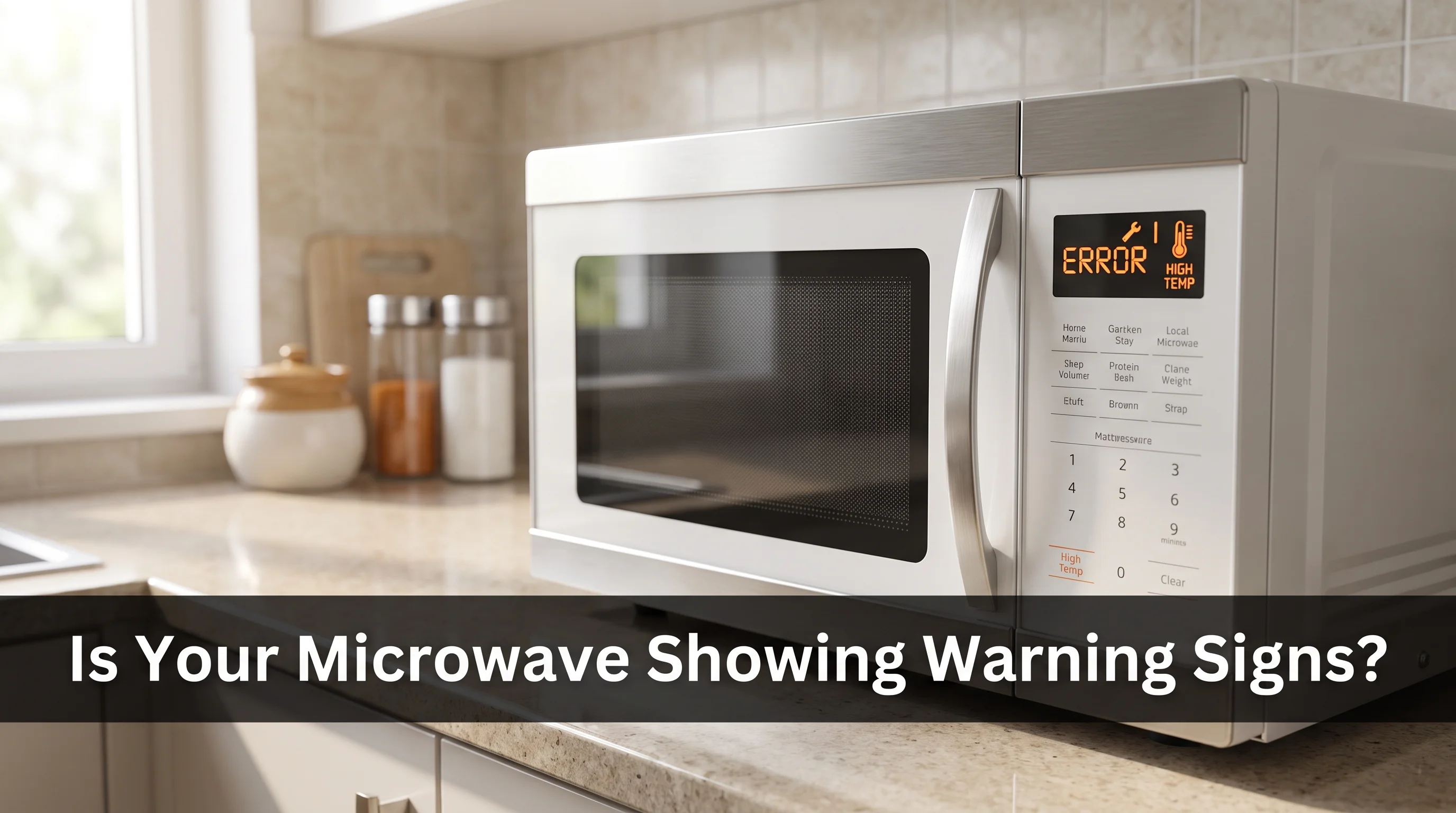
Modern microwaves feature digital control panels and displays that occasionally develop faults affecting usability. Unresponsive buttons, display panels that flicker or go blank, control settings that don't respond as expected, or error codes appearing on the display all indicate electrical or control board issues requiring professional attention. These problems can stem from moisture damage, power surges, control membrane failure, or circuit board deterioration over time.
Touchpad or button unresponsiveness is among the most common control panel issues. If you must press buttons multiple times before they register, or certain buttons never respond at all, the control membrane beneath the touchpad has likely worn out. This thin flexible circuit responds to pressure when you touch buttons, and over years of use, it can develop dead spots. Moisture infiltration from steam during cooking accelerates this degradation. Control membrane replacement is a straightforward repair for experienced technicians offering microwave oven repair service near me.
Display problems ranging from dim, flickering, or completely blank screens indicate issues with the display board or its connections. Sometimes these issues result from loose ribbon cable connections between the display and main control board that simply need reseating. Other times, the display board itself has failed and requires replacement. If your microwave operates normally but the display shows nothing, the appliance remains functional though inconvenient to use. However, if both the display and controls are unresponsive, the main control board may have failed.
Power surge damage represents a common cause of control panel failures in India, where voltage fluctuations remain prevalent in many areas. Using a quality surge protector can prevent such damage, but once it occurs, the control board typically needs replacement. Error codes appearing on the display provide diagnostic information about specific problems the microwave has detected. Consulting your user manual or contacting professional repair services helps interpret these codes and determine appropriate repairs.
Door Issues and Safety Concerns
Your microwave door plays a crucial safety role, containing microwave radiation within the cavity and triggering safety switches that prevent operation when the door opens. Any problems with the door, including difficulty closing, damaged seals, broken latches, or a door that opens during operation, require immediate attention. Operating a microwave with a compromised door seal or faulty safety switches poses serious health risks from microwave radiation exposure.
A door that won't close properly or requires extra pressure to latch often indicates worn or broken door latches, springs, or hinges. These mechanical components endure constant stress with every use and eventually wear out. If your door feels loose, doesn't close firmly, or makes unusual sounds when opening and closing, have the latch mechanism inspected and replaced if necessary. This is a relatively simple repair that significantly improves safety and usability.
The door seal, a rubber gasket running around the door perimeter, prevents microwave radiation from escaping during operation. Over time, this seal can become brittle, cracked, torn, or compressed, compromising its effectiveness. Visually inspect your door seal regularly for any damage or deterioration. If you notice light leaking from around the door during operation, or can feel unusual warmth near the door seams, the seal may be failing. Replacing a damaged door seal should be prioritized to prevent potential radiation exposure.
Door switches are safety mechanisms that cut power to the magnetron when the door opens. Faulty door switches can cause several problems including the microwave running with the door open, not starting when the door is closed, or stopping mid-cycle. Testing door switches requires proper equipment and should be handled by professionals offering Microwave Oven repair service in Ahmedabad or other service areas. Never bypass or disable door safety switches, as this creates serious hazards. If your door shows any signs of warping, damage, or misalignment, have it evaluated promptly by qualified technicians.
Burning Smells and Smoke Production
Detecting burning smells or seeing smoke emanating from your microwave during operation is an emergency situation requiring immediate action. These symptoms indicate serious problems ranging from food residue burning on internal components to electrical issues or component failure. Stop using the microwave immediately, unplug it, and do not operate it again until a professional has inspected and repaired the problem.
Burning smells often result from accumulated grease and food particles on the waveguide cover, cavity walls, or ventilation areas. When these residues heat up during operation, they produce unpleasant odors and potentially smoke. Regular cleaning prevents this buildup, but once burning occurs, thorough cleaning and potential component replacement may be necessary. If the waveguide cover shows burn marks or has melted areas, it must be replaced before the microwave can be safely used again.
Electrical burning smells distinctly different from food odors suggest wiring problems, capacitor failure, or other electrical component issues. These smells often accompany sparking, unusual noises, or performance problems. Electrical burning odors should never be ignored as they indicate potential fire hazards. Contact emergency repair services immediately and do not attempt to use the appliance until it has been professionally repaired and declared safe.
Smoke production during operation represents the most serious warning sign requiring immediate action. Smoke can result from extremely dirty cavities with heavy grease buildup, electrical fires from failed components, or severely overheated food. If you see smoke, stop the microwave immediately, keep the door closed to contain any fire, unplug the appliance, and be prepared to use a fire extinguisher if necessary. After the situation is safe, contact professional repair experts for emergency inspection before considering using the microwave again. Never ignore smoke or burning smells, as these indicate hazardous conditions that could lead to property damage or injury.
Making the Repair Decision: DIY Versus Professional Service
When microwave problems arise, homeowners often wonder whether they should attempt DIY repairs or contact professional services. While some simple maintenance tasks like cleaning, replacing the turntable, or checking for obvious obstructions can be handled at home, most microwave repairs require professional expertise due to safety concerns and technical complexity. Microwaves contain high-voltage capacitors that retain dangerous electrical charges even after unplugging, making DIY repairs potentially life-threatening for those without proper training and equipment.
Simple troubleshooting steps you can safely perform include:
- Checking that the microwave is properly plugged in
- Testing the electrical outlet with another appliance
- Ensuring the door closes completely
- Cleaning the interior cavity and waveguide cover
- Inspecting and cleaning the turntable assembly
- Checking circuit breakers or fuses
These basic checks resolve minor issues without risking your safety or voiding warranties. However, if these steps don't resolve the problem, professional diagnosis becomes necessary.
Professional microwave repair services offer several advantages over DIY attempts. Qualified technicians have the training to safely discharge high-voltage capacitors, the diagnostic equipment to accurately identify problems, access to genuine replacement parts, and the expertise to complete repairs correctly the first time. They can also identify potential issues before they become serious problems, extending your appliance's lifespan. When seeking best microwave oven repair service near me, look for technicians with manufacturer certifications, positive customer reviews, transparent pricing, and warranties on repair work.
Cost considerations play a role in repair decisions. As a general guideline, if repair costs exceed 50 percent of a new comparable microwave's price, replacement may be more economical. However, for quality appliances less than five years old, repairs typically represent the better value. Professional services can provide accurate repair estimates after diagnosis, helping you make informed decisions. Remember that some repairs like control panel or door switch replacement cost significantly less than magnetron replacement, so the specific problem greatly affects cost-benefit analysis.
Preventive Maintenance Tips to Avoid Future Repairs
Implementing regular preventive maintenance significantly extends your microwave's lifespan and reduces the likelihood of costly repairs. Simple habits practiced consistently keep your appliance functioning optimally while preventing many common problems that necessitate professional intervention. These maintenance practices take minimal time but deliver substantial benefits in terms of performance, longevity, and safety.
Regular cleaning represents the most important maintenance task for microwaves. Wipe down the interior cavity after each use to prevent food buildup that can cause burning, sparking, and damage to the waveguide cover. Clean the turntable, roller guide, and cavity floor weekly with mild soap and water. Monthly, remove and clean the waveguide cover following manufacturer instructions to prevent grease accumulation that leads to arcing. Keep the exterior clean and ensure ventilation openings remain unobstructed for proper cooling.
Learn more about microwave troubleshooting by understanding common warning signs like unusual noises, sparking, uneven heating, or control panel malfunctions. Discover how regular maintenance and timely professional inspection can extend your appliance's lifespan and ensure safe operation. Stay informed about when DIY fixes are appropriate versus when expert repair services become necessary for optimal kitchen functionality.
Related Blogs
- How to Get the Best deal for the Air Conditioner
- Professional Water Purification Setup Services and Expert Solutions in Delhi NCR
- Complete Guide to Air Conditioning Maintenance and Repair Solutions in Mumbai
- Complete Guide to Air Conditioning Setup and Service Solutions in Mumbai
- Understanding Professional Refrigerator Maintenance Services in Mumbai: A Complete Guide