

How to Stop Your Microwave Oven from Turning Off Automatically: Common Causes and Fixes?
How to Stop Your Microwave Oven from Turning Off Automatically: Common Causes and Fixes?
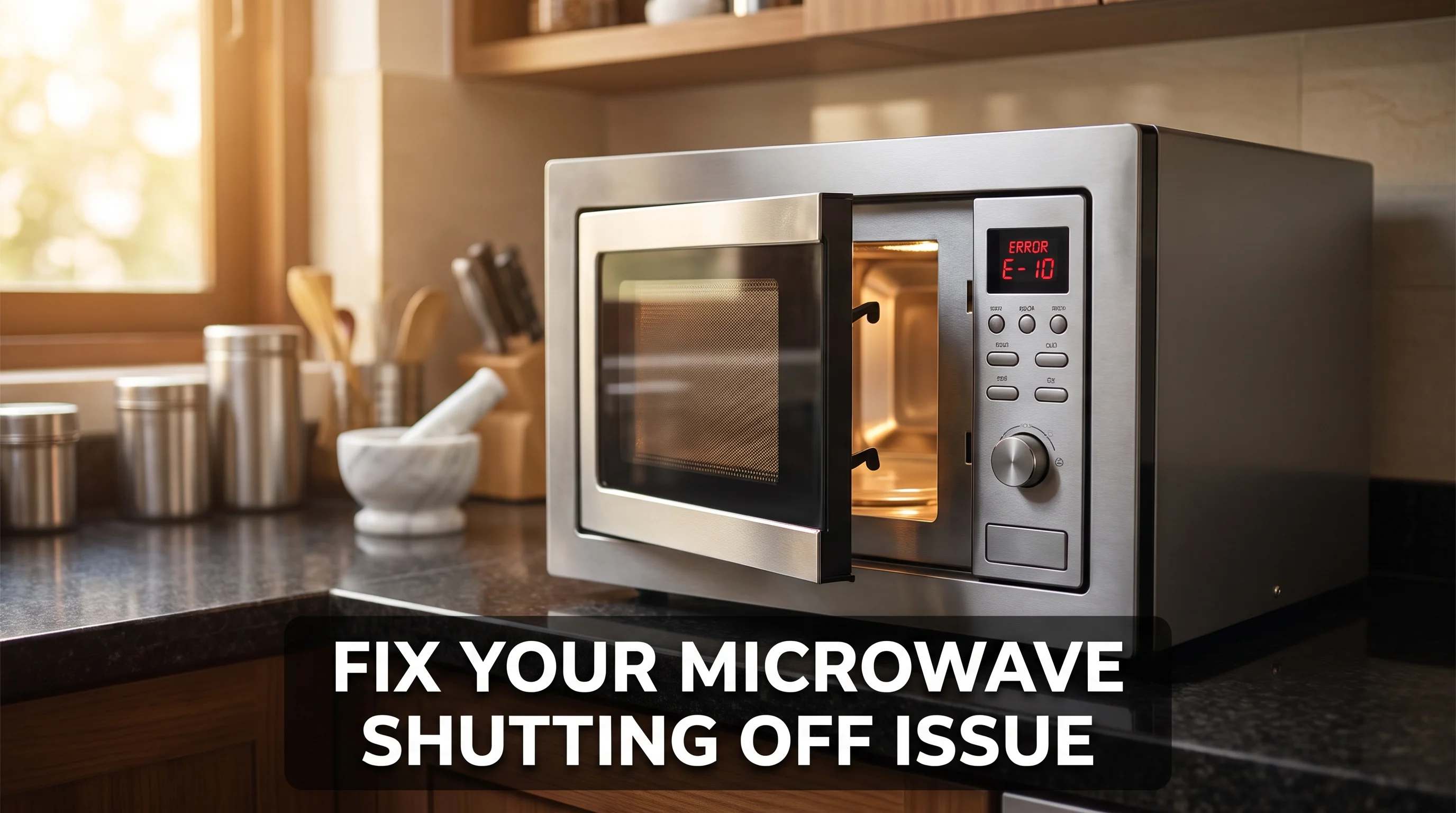
Picture this scenario: you are heating your morning coffee or reheating last night's delicious biryani, and suddenly your microwave oven shuts off unexpectedly without completing the cooking cycle. This frustrating problem affects thousands of Indian households every single day. Whether you live in a metro city or a smaller town, an automatically shutting microwave disrupts your daily routine and raises concerns about appliance safety and reliability. If you have been experiencing this issue and searching for reliable Microwave Oven Repair Service in Hubli or any other city, understanding the root causes can help you make informed decisions about repairs or replacements.
Microwave ovens have become indispensable kitchen companions in modern Indian homes. From busy working professionals to homemakers managing large families, everyone relies on this convenient appliance for quick meal preparation. However, when your microwave starts turning off automatically, it signals underlying technical issues that require immediate attention. This automatic shutdown can stem from various electrical, mechanical, or safety-related problems that range from simple fixes you can handle yourself to complex issues requiring professional intervention from experienced technicians offering services across various regions.
The automatic shutdown problem manifests differently across various microwave models and brands. Some units turn off after just a few seconds of operation, while others shut down randomly during the cooking cycle. Understanding why this happens involves examining multiple components including door switches, thermal protectors, magnetron units, control boards, and power supply elements. Each component plays a crucial role in the safe and efficient operation of your microwave oven. When any part malfunctions, the built-in safety mechanisms trigger automatic shutdowns to prevent damage or potential hazards.
In this comprehensive guide, we will explore all common causes behind automatic microwave shutdowns and provide practical solutions that can help restore your appliance to normal functioning. Whether you need to perform simple troubleshooting steps at home or require professional assistance from qualified technicians, this article covers everything you need to know. We will also discuss when to attempt DIY repairs versus when to contact expert services specializing in microwave oven repairs across Indian cities.
By the end of this article, you will have gained valuable knowledge about microwave oven functionality, safety features, common failure points, and maintenance practices that extend appliance lifespan. This information empowers you to make cost-effective decisions while ensuring your family's safety when using this essential kitchen appliance.
Understanding Why Microwave Ovens Turn Off Automatically
Modern microwave ovens incorporate sophisticated safety mechanisms designed to protect users and prevent appliance damage. These built-in features monitor various operational parameters continuously. When the system detects abnormal conditions such as overheating, electrical irregularities, or door misalignment, it automatically triggers a shutdown sequence. This protective function serves as a critical safety feature rather than a malfunction in many cases.
The automatic shutdown mechanism works through multiple sensors and switches positioned strategically throughout the appliance. Temperature sensors monitor heat levels in the magnetron and other critical components. Door interlock switches ensure proper closure before allowing microwave generation. Control boards analyze input signals and coordinate all functions while monitoring for error conditions. When any sensor detects values outside acceptable ranges, the control system immediately cuts power to prevent potential hazards.
However, component degradation over time, manufacturing defects, power supply issues, or improper usage can cause false triggers or actual malfunctions leading to unwanted shutdowns. Distinguishing between legitimate safety shutdowns and technical failures requires systematic troubleshooting. Understanding this distinction helps you determine whether your microwave needs simple adjustments, component replacements, or professional repair services.
Environmental factors also contribute to automatic shutdowns. High ambient temperatures in Indian kitchens, especially during summer months, can cause thermal protectors to activate prematurely. Voltage fluctuations common in many areas stress electrical components and trigger protective circuits. Accumulated grease and food particles interfere with sensors and ventilation, creating conditions that lead to automatic shutoffs.
Common Causes of Automatic Microwave Shutdowns
Faulty Door Switches and Interlock Mechanisms
Door switches represent the most common culprit behind automatic microwave shutdowns. These small but critical components ensure the door closes completely before allowing microwave operation. Most microwave ovens feature three door switches: primary, secondary, and monitor switches working together to prevent microwave radiation leakage. When the door latch wears out or switches fail, the appliance detects an unsafe condition and shuts down immediately.
Signs of door switch problems include the microwave starting but stopping after a few seconds, unusual clicking sounds when closing the door, or the interior light behaving erratically. Misaligned door latches caused by frequent use or accidental impacts prevent proper switch engagement. Even microscopic gaps in door closure trigger the safety mechanism. Replacing worn door switches typically costs between 500 to 1500 rupees including labor when performed by qualified technicians offering services similar to those providing Microwave Oven Repair Service in Itanagar.
You can perform a simple test by observing the interior light while gently pressing different door areas. If the light flickers or turns off with slight pressure variations, door switch issues likely exist. However, door switch replacement requires technical knowledge and proper tools since it involves accessing internal components and working near high-voltage areas. Professional repair services ensure safe replacement and proper calibration of all interlock mechanisms.
Overheating and Thermal Protection Activation
Thermal protectors safeguard critical components from heat damage by cutting power when temperatures exceed safe limits. The magnetron, which generates microwaves, produces substantial heat during operation. Insufficient ventilation, blocked air vents, or malfunctioning cooling fans cause excessive heat buildup triggering thermal protector activation. Once activated, the microwave remains off until components cool down sufficiently.
Indian kitchens often experience high ambient temperatures, especially during summer months when room temperatures can exceed 40 degrees Celsius. Placing microwaves in enclosed cabinets without adequate ventilation exacerbates heating issues. Accumulated dust and grease on ventilation grilles restrict airflow, forcing components to operate at elevated temperatures. Regular cleaning of air vents and ensuring minimum clearance around the appliance prevents overheating-related shutdowns.
Faulty cooling fans represent another common overheating cause. These fans should operate whenever the microwave runs, drawing cool air across the magnetron and control components. Listen carefully during operation; you should hear consistent fan noise. If the fan sounds weak, intermittent, or absent, replacement becomes necessary. Fan replacements typically cost between 800 to 2000 rupees depending on the model and service provider rates in your area.
Magnetron failure also manifests as overheating and automatic shutdowns. When magnetrons near the end of their operational life, they draw excessive current while producing diminished microwave output. This inefficiency generates extra heat triggering thermal protectors. Magnetron replacement represents a significant repair involving costs between 3000 to 6000 rupees, making it crucial to verify this diagnosis before proceeding with repairs through established services like those offering Microwave Oven Repair Service in Rewa.
Electrical Issues and Power Supply Problems
Voltage fluctuations plague many Indian localities, especially in residential areas with inadequate electrical infrastructure. Microwave ovens require stable power supply for proper operation. Voltage drops below acceptable levels cause the control board to shut down the appliance as a protective measure. Conversely, voltage spikes can damage sensitive electronic components leading to intermittent operation and automatic shutoffs.
Loose electrical connections at the power cord, plug, or internal wiring create resistance and heat buildup. These poor connections cause voltage drops and create safety hazards. Inspecting the power cord for damage, ensuring tight plug connections, and checking the wall outlet for proper voltage helps eliminate power supply issues. Using a voltage stabilizer specifically designed for microwave ovens provides protection against fluctuations and extends appliance lifespan.
Capacitor failures in the high-voltage circuit affect power delivery to the magnetron. A failing capacitor may work initially but shut down as it heats up during operation. Capacitors store electrical charge and boost voltage to levels required for magnetron operation. When capacitors degrade, they cannot maintain proper charge resulting in inconsistent operation. Capacitor replacement requires trained technicians familiar with high-voltage circuits as these components retain dangerous electrical charges even when the microwave is unplugged.
Faulty power transformers also cause automatic shutdowns. The transformer steps up household voltage to thousands of volts needed for microwave generation. Internal transformer faults create excessive heat, unusual buzzing sounds, and ultimately trigger safety shutdowns. Transformer replacement represents a major repair requiring expertise similar to that provided by professional Microwave Oven Repair Service in Patna and other cities.
Control Board Malfunctions and Electronic Failures
The control board serves as the microwave's brain, coordinating all functions and monitoring operational parameters. Modern microwave ovens feature sophisticated electronic control boards with microprocessors, memory chips, and numerous circuit pathways. Component failures on these boards manifest as various symptoms including automatic shutdowns, display errors, unresponsive buttons, or erratic behavior.
Moisture exposure represents a significant threat to control boards. Steam from cooking, kitchen humidity, or water splashes can penetrate the control panel area causing corrosion and short circuits. Indian cooking often generates substantial steam and moisture, particularly when preparing dishes like rice, dal, or steamed items. Ensuring proper ventilation and wiping moisture from the control panel area after use helps prevent moisture-related damage.
Power surges during electrical storms or grid switching damage sensitive electronic components on control boards. Transient voltage spikes lasting just milliseconds can destroy semiconductor devices and integrated circuits. Once damaged, these components may cause immediate failure or gradual degradation leading to intermittent problems like automatic shutdowns. Control board replacement costs vary significantly based on microwave model and availability, ranging from 2500 to 8000 rupees.
Software glitches in microprocessor-based control systems occasionally cause operational issues. Just like computers and smartphones, microwave control boards can experience software errors requiring reset procedures. Many models feature reset functions accessed through specific button combinations or by disconnecting power for several minutes. Consulting your user manual for reset instructions can resolve software-related shutdown problems without requiring repairs.
Diagnostic Steps and Troubleshooting Methods
Visual Inspection and Basic Checks
Begin troubleshooting by conducting a thorough visual inspection of your microwave oven. Unplug the appliance and examine the power cord for fraying, cuts, or damage. Inspect the plug prongs for discoloration, burning, or looseness indicating poor electrical connections. Check the door alignment by observing gaps when closed; the door should seal uniformly around the entire perimeter without visible light passing through.
Clean the door seals using a damp cloth to remove accumulated food particles and grease. Dirty seals prevent proper door closure triggering interlock switches. Examine the door latch mechanism for wear, cracks, or misalignment. The latch should engage smoothly and firmly when closing the door. Test the door by opening and closing it multiple times while observing the interior light behavior; consistent light operation suggests proper switch function.
Inspect ventilation openings for blockages caused by dust accumulation, grease buildup, or foreign objects. Use a flashlight to check internal vents visible through the grille openings. Vacuum or brush away debris carefully without damaging components. Ensure adequate clearance around the microwave following manufacturer recommendations, typically minimum 10 centimeters on sides and 20 centimeters on top for proper airflow.
Check the turntable and roller assembly for proper installation and smooth rotation. Obstructions preventing turntable movement can trigger safety shutdowns in some models. Remove and clean the turntable, support ring, and roller wheels. Test rotation by manually spinning the turntable; it should move freely without resistance or wobbling.
Testing With Different Operating Modes
Conduct systematic tests using various microwave functions to identify patterns in the shutdown behavior. Start with the lowest power setting and shortest time duration. If the microwave completes this cycle successfully, gradually increase power levels and duration while monitoring for shutdowns. This approach helps identify whether problems relate to specific power levels or extended operation times.
Test both with and without food items inside the microwave. Running empty poses no safety risk for brief test periods under one minute. If shutdowns occur only when heating food, thermal protection activation likely causes the problem. If shutdowns happen even when running empty, electrical or component failures are more probable.
Try different functions like defrost mode, grill function if equipped, or combination cooking modes. Selective function failures point to specific component issues. For example, if only grill mode triggers shutdowns, the grill element or associated circuits likely have problems. Document all observations including exact timing of shutdowns, any sounds or smells noticed, and display messages if shown.
Monitor the cooling fan operation during all tests. Place your hand near ventilation outlets to feel airflow while the microwave runs. Weak or absent airflow indicates fan problems requiring attention. Listen for unusual sounds like grinding, squealing, or irregular motor operation suggesting mechanical issues with the fan assembly.
DIY Fixes and When to Call Professionals
Simple Solutions You Can Attempt Safely
Several microwave shutdown issues have simple solutions requiring no technical expertise or special tools. Cleaning represents the most accessible and often effective remedy. Disconnect power and thoroughly clean the interior cavity, door seals, ventilation grilles, and exterior surfaces. Use mild detergent and water avoiding harsh chemicals that might damage components. Pay special attention to areas around the door where food particles accumulate affecting seal quality.
Reset the microwave by unplugging it from the power source for at least five minutes. This action clears temporary electronic glitches and allows capacitors to discharge completely. After waiting, plug the microwave back in and test operation. Many minor control board issues resolve through this simple reset procedure.
Ensure proper voltage supply by testing the wall outlet with other appliances. If multiple devices experience problems with the same outlet, electrical wiring issues exist requiring an electrician's attention. Consider using a different outlet on a separate circuit to eliminate power supply variables during troubleshooting.
Adjust microwave placement to improve ventilation. Remove from enclosed cabinets or move away from walls ensuring recommended clearances. Improved airflow prevents overheating-related shutdowns. If counter space limitations exist, consider installing an over-the-range microwave or using a microwave cart providing better ventilation.
Check and adjust door alignment if visual inspection revealed gaps. Sometimes loose mounting screws allow the entire unit to shift slightly affecting door closure. Tightening mounting screws or adjusting placement can restore proper alignment. However, if the door itself appears warped or damaged, professional repair or replacement becomes necessary.
When Professional Repair Services Become Necessary
Certain microwave issues require trained technicians with proper tools and safety equipment. Any problem involving high-voltage components including the magnetron, capacitor, diode, or transformer demands professional attention. These components store dangerous electrical charges even when the microwave is unplugged and can cause serious injury or death if handled improperly.
Contact experienced repair services when facing persistent shutdown problems despite attempting basic troubleshooting. Professional technicians possess specialized equipment like multimeters, high-voltage probes, and component testers enabling accurate diagnosis. They understand safety protocols for discharging capacitors and handling high-voltage circuits.
Component replacement, whether door switches, thermal protectors, control boards, or magnetrons, requires technical knowledge for proper installation and testing. Incorrect installation compromises safety features potentially creating radiation leakage hazards or electrical dangers. Professional services provide warranties on parts and labor offering protection if problems recur.
Consider repair costs versus replacement value when making decisions. Generally, if repair costs exceed sixty percent of a new microwave's price, replacement makes better financial sense. However, for premium models or newer appliances, professional repairs often represent the more economical choice extending appliance life for several additional years.