

Understanding the Hidden Consequences of Mineral-Rich Water in Daily Life
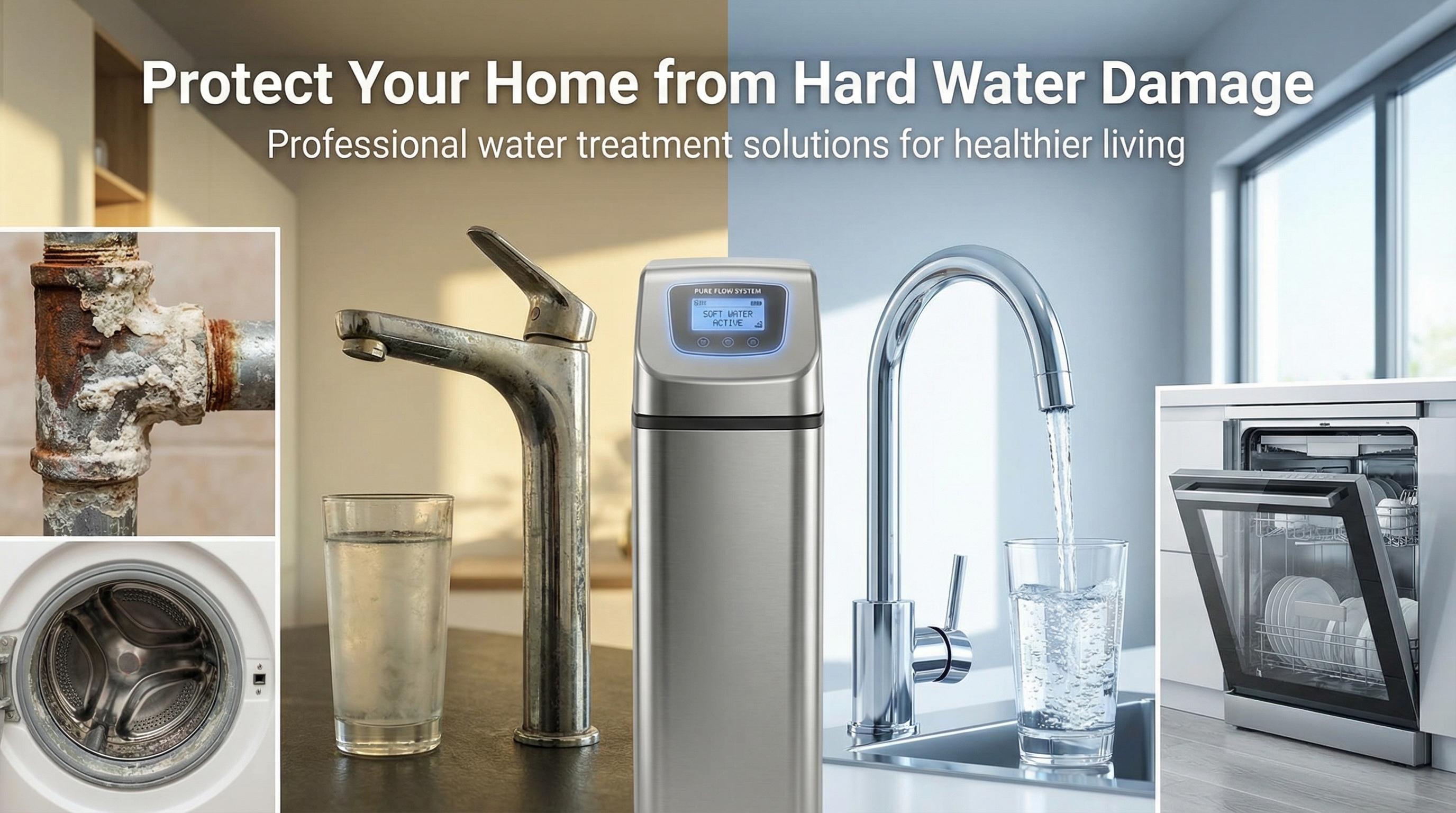
Water is fundamental to human existence, flowing through our homes and bodies countless times each day. While we often take its availability for granted, the quality of water we use carries significant implications that extend far beyond simple hydration. Mineral content in water varies dramatically depending on geographical location, geological formations, and water sources. When groundwater passes through limestone, chalk, or gypsum deposits rich in calcium carbonate, magnesium, and other minerals, it becomes saturated with these elements, creating what scientists and homeowners commonly identify as a persistent household challenge.
The presence of elevated mineral concentrations affects virtually every water-dependent system within residential and commercial properties. From the moment this mineral-laden liquid enters a building's infrastructure, it begins interacting with pipes, appliances, fixtures, and eventually human skin and hair. These interactions trigger a cascade of physical, chemical, and biological processes that manifest in ways both immediately visible and subtly cumulative over time. Understanding these mechanisms provides essential knowledge for making informed decisions about water quality management.
Modern households depend on water for dozens of daily activities, from cooking and cleaning to bathing and maintaining appliances. Each of these activities becomes complicated when mineral concentrations exceed recommended thresholds. The white residue on faucets, the soap that refuses to lather properly, and the gradual decline in appliance efficiency all signal the same underlying issue. These symptoms represent only the surface manifestations of deeper systemic problems that can compromise both property value and occupant wellbeing.
Addressing these challenges requires comprehensive understanding of how minerals affect different materials, biological systems, and mechanical components. Homeowners who recognize the signs early can implement preventive measures that protect investments and enhance quality of life. The following exploration examines the multifaceted impact of mineral-saturated water across health domains, household infrastructure, and practical mitigation strategies that transform water quality from a persistent problem into a manageable aspect of home maintenance.
Physiological Effects on Human Health
The human body interacts with water constantly through consumption, bathing, and food preparation. When this water contains elevated mineral levels, several health-related considerations emerge. While calcium and magnesium are essential nutrients, their delivery through highly mineralized water presents unique challenges. Research indicates that skin conditions often worsen with prolonged exposure to mineral-rich water. The minerals interfere with natural skin pH balance, leaving a film that prevents moisture retention and disrupts the protective lipid barrier.
Dermatological complaints associated with mineral exposure include increased dryness, irritation, and aggravation of conditions like eczema and psoriasis. The mineral deposits remaining on skin after bathing can clog pores and create an environment conducive to bacterial growth. Hair similarly suffers, becoming brittle, dull, and difficult to manage as minerals coat individual strands and alter their structure. The cumulative exposure over months and years can lead to noticeable changes in hair texture and scalinity.
Digestive system responses to mineral-heavy water consumption vary among individuals. Some people experience no adverse effects, while others report stomach discomfort, altered taste perception, or changes in digestive regularity. The presence of certain minerals may interfere with nutrient absorption or interact with dietary components in unexpected ways. Kidney function represents another area of concern, particularly for individuals predisposed to stone formation. Elevated calcium levels in water can contribute to mineral accumulation within urinary systems, though this risk depends on overall dietary intake and individual metabolic factors.
Cardiovascular research presents mixed findings regarding mineral consumption through water. Some studies suggest potential benefits from magnesium intake, while others note concerns about sodium and mineral balance. The complexity of human physiology means that water quality represents just one factor among many influencing health outcomes. However, sensitive populations including infants, elderly individuals, and those with compromised immune systems may experience heightened vulnerability to water quality variations.
Infrastructure Deterioration and Plumbing Systems
Residential plumbing networks face relentless assault from mineral-laden water flowing through them continuously. The scale formation process begins immediately when heated water allows dissolved minerals to precipitate out of solution. These deposits accumulate gradually inside pipes, creating rough interior surfaces that further accelerate buildup. Over time, this narrowing of pipe diameter restricts water flow, reduces pressure, and creates pockets where corrosion can initiate.
Copper, galvanized steel, and PVC pipes each respond differently to mineral exposure. Copper pipes may develop pinhole leaks as minerals interact with metal surfaces through electrochemical processes. Galvanized pipes face accelerated corrosion as protective zinc coatings become compromised. Even plastic pipes suffer as mineral deposits create insulating layers that affect heat transfer and create attachment points for bacterial colonies. The financial implications extend beyond simple repair costs, encompassing water waste from leaks, increased energy consumption, and potential property damage from plumbing failures.
Water heaters represent particularly vulnerable targets for mineral accumulation. As water temperature rises, solubility decreases, causing calcium and magnesium to separate from solution and settle at tank bottoms. This sediment layer acts as an insulator, forcing heating elements to work harder and longer to achieve desired temperatures. The resulting efficiency loss translates directly into higher utility bills while simultaneously shortening equipment lifespan. Traditional tank-style heaters may lose thirty percent or more of their efficiency within several years of mineral exposure without proper maintenance.
Fixture damage manifests visibly through white or greenish stains on sinks, tubs, and toilets. These deposits etch into porcelain and ceramic surfaces, creating permanent damage that resists conventional cleaning methods. Showerheads and faucet aerators become clogged, reducing flow and creating uneven spray patterns. Valve seats and washers degrade faster as mineral particles create abrasive conditions during operation. The cumulative cost of replacing fixtures, repairing leaks, and managing these systems can reach thousands of dollars annually in severely affected areas.
Appliance Performance and Longevity Challenges
Household appliances that utilize water suffer significant performance degradation when processing mineral-heavy supplies. Washing machines face particular challenges as minerals interfere with detergent chemistry and deposit on fabric fibers. Clothes washed in mineral-rich water emerge feeling stiff and appearing dingy as mineral films coat textile surfaces. Colors fade faster and whites take on yellow or gray tones. The washing machine itself accumulates deposits in hoses, pumps, and internal mechanisms, leading to reduced efficiency and premature component failure.
Dishwashers struggle to produce spotless results when minerals create cloudy films on glassware and leave visible deposits on dishes. The heating elements in dishwashers become coated with scale, reducing their effectiveness and increasing energy consumption. Spray arms develop clogged holes that compromise water distribution patterns. The combination of these factors means dishes require rewashing, detergent effectiveness diminishes, and the appliance works harder to achieve inferior results. Manufacturers often specify that warranty coverage excludes damage from mineral buildup, leaving homeowners fully responsible for replacement costs.
Coffee makers, steam irons, and humidifiers all suffer from mineral accumulation in their internal passages and reservoirs. These smaller appliances may fail completely within months of regular use in areas with severe mineral problems. The brewing chamber of a coffee maker becomes lined with deposits that alter taste and reduce temperature. Steam irons develop clogged vents that prevent proper steam generation and may discolor fabrics through mineral transfer. Humidifiers grow bacteria within mineral-crusted reservoirs, potentially dispersing pathogens throughout living spaces.
Refrigerator ice makers and water dispensers face similar challenges as mineral particles interfere with mechanical components and affect ice clarity. The small diameter tubes and valves in these systems prove especially vulnerable to obstruction. Homeowners often notice cloudy ice cubes, off-flavors, and reduced flow rates as early signs of mineral interference. Replacing these appliance components requires specialized knowledge and may approach the cost of purchasing new units.
Different Mineral Content Classifications
Water quality varies dramatically based on geological context and source characteristics. Moderately mineralized water contains between three and seven grains per gallon of dissolved minerals, creating noticeable but manageable effects on household systems. Properties in these zones experience scale buildup over extended periods, typically requiring attention every few years rather than continuously. Residents may notice slight soap film and occasional appliance issues without immediate crisis.
Severely mineralized water exceeds ten grains per gallon, creating immediate and persistent problems throughout home systems. Scale formation occurs rapidly, sometimes visible within weeks of new appliance installation. Soap refuses to lather effectively, leaving residues on all surfaces. Shower doors and fixtures require daily attention to prevent heavy mineral deposits. Appliances in these environments face drastically shortened lifespans, often failing years before their expected replacement dates. The financial burden of managing these conditions without intervention can become overwhelming.
Temporarily mineralized water results from seasonal variations in groundwater sources or surface water treatment processes. Some regions experience dramatic shifts in mineral content between wet and dry seasons as aquifer levels fluctuate and water sources change. These variations complicate management strategies since solutions must accommodate changing conditions. Homeowners may not recognize patterns until several seasonal cycles reveal the underlying causes of intermittent problems.
Certain water sources contain specific mineral combinations that create unique challenges. Iron-rich water leaves reddish-brown stains and creates bacterial growth opportunities. Manganese produces black staining and affects taste. Sulfur compounds generate characteristic odors while contributing to corrosion. Each mineral combination requires tailored approaches for effective management, making professional water testing essential for developing appropriate solutions.
Professional Water Treatment Solutions
Addressing mineral content requires systematic approaches tailored to specific conditions and household needs. Installing a softener for home use represents the most common comprehensive solution. These systems operate through ion exchange processes that replace calcium and magnesium ions with sodium or potassium ions. As water passes through resin beds, the problematic minerals attach to the resin while sodium ions release into the water stream. Periodic regeneration with salt solution restores the resin's capacity by reversing the ion exchange process.
Whole-house treatment systems protect all water-using fixtures and appliances simultaneously. These installations typically occur at the main water entry point, ensuring treated water reaches every outlet. The capacity of these systems must match household water consumption patterns and mineral load. Undersized units regenerate too frequently, wasting salt and water while failing to provide consistent treatment. Oversized systems prove economically inefficient and may allow bacterial growth in underutilized resin beds.
For properties with overhead storage, installing a softner for overhead tank specifically addresses the water quality before distribution throughout the building. This approach proves particularly effective in multi-story structures and areas with intermittent municipal supply. The treatment occurs before water enters the distribution system, protecting all downstream pipes and fixtures. These specialized installations require proper sizing calculations that account for storage volume, refill rates, and usage patterns.
Point-of-use systems provide targeted treatment for specific applications like drinking water or appliances. RO units deliver highly purified water for consumption while allowing untreated water for irrigation and toilet flushing. Inline filters protect individual appliances like water heaters or washing machines without treating the entire supply. This selective approach reduces operating costs while addressing priority concerns.
Leading Water Treatment Providers
Several established companies offer comprehensive solutions for managing mineral content in residential water supplies. Doctor Fresh specializes in customized treatment systems designed for diverse water conditions, providing installation and maintenance services that ensure optimal performance. Their technical expertise helps homeowners select appropriate solutions based on detailed water analysis and usage patterns.
RO Care India focuses on reverse osmosis technology and complementary treatment approaches, offering systems ranging from under-sink units to whole-house installations. Their service network provides regular maintenance that sustains system efficiency over years of operation. Mannubhai Service Expert delivers professional installation and repair services across multiple equipment brands, bringing decades of experience to water quality challenges.
Kent manufactures a wide range of water treatment products including purifiers and softening systems suited to various household sizes and budgets. Aquaguard offers innovative designs that combine multiple treatment technologies for comprehensive water quality improvement. Aquafresh provides affordable entry-level systems that make water treatment accessible to cost-conscious consumers.
Blue Star integrates water treatment into broader home comfort solutions, offering systems that complement their cooling and air quality products. LG applies consumer electronics expertise to water treatment, developing smart systems with monitoring capabilities and automated maintenance features. Each manufacturer brings unique strengths to the market, creating options for virtually any residential water treatment requirement.
Long-Term Property Value Considerations
Real estate values increasingly reflect water quality conditions as buyers become more educated about hidden infrastructure costs. Properties with documented water treatment systems command premium prices in areas known for mineral problems. The presence of protection for plumbing and appliances represents tangible value that reduces buyer concerns about future maintenance expenses. Conversely, homes showing visible signs of mineral damage may face buyer hesitation and reduced offers.
Maintenance records documenting regular water treatment system service demonstrate responsible ownership and system reliability. These records become valuable assets during property sales, providing evidence of proper care and reducing buyer skepticism. Properties without treatment systems in known problem areas may require disclosures that affect marketability and negotiating positions.
Insurance considerations intersect with water quality management as repeated claims for water damage or appliance failure may affect coverage availability and premiums. Proactive water treatment demonstrates risk management that insurers view favorably. Some policies specifically exclude coverage for damage resulting from mineral buildup, making prevention the only financially viable approach.
Conclusion
The impact of mineral-saturated water extends throughout residential properties, affecting health, comfort, infrastructure integrity, and financial wellbeing. From skin irritation and hair damage to corroded pipes and failed appliances, the consequences manifest across diverse systems that collectively define quality of life. Understanding these relationships empowers homeowners to make informed decisions about water treatment investments that protect both property and family.
Professional water analysis provides essential baseline information for selecting appropriate treatment approaches. Whether installing comprehensive whole-house systems or targeted point-of-use solutions, matching technology to specific mineral profiles ensures effective results. The initial investment in quality treatment equipment generates returns through extended appliance life, reduced maintenance costs, lower utility bills, and improved daily experiences with water use.
Regular maintenance sustains system performance over decades of service, protecting the substantial investment in treatment infrastructure. Professional service ensures optimal operation while identifying potential issues before they compromise water quality or system function. The combination of appropriate equipment selection, proper installation, and consistent maintenance transforms water quality from a persistent challenge into a managed aspect of home ownership.
Ultimately, addressing mineral content represents not merely solving a technical problem but enhancing overall living standards. The benefits of properly treated water become apparent in softer skin, cleaner dishes, efficient appliances, and the peace of mind that comes from protecting major household investments against preventable damage.
Q - Can mineral-rich water cause skin problems or worsen existing conditions?
A - Yes, prolonged exposure to mineral-saturated water can significantly affect skin health. The minerals interfere with your skin's natural pH balance and leave a film that prevents proper moisture retention and disrupts the protective lipid barrier. This can lead to increased dryness, irritation, and aggravation of pre-existing conditions such as eczema and psoriasis. The mineral deposits remaining after bathing may also clog pores and create an environment that promotes bacterial growth, leading to additional dermatological concerns.
Q - How does mineral buildup affect the lifespan and efficiency of household appliances?
A - Mineral deposits severely compromise appliance performance and longevity across all water-using equipment. In washing machines, minerals interfere with detergent chemistry and coat fabric fibers, while accumulating in internal mechanisms and causing premature failure. Dishwashers struggle to produce clean results as scale forms on heating elements, increasing energy consumption by up to thirty percent. Water heaters are particularly vulnerable, as sediment settles at the bottom and acts as insulation, forcing heating elements to work harder and potentially reducing efficiency by thirty percent or more within just a few years.
Q - What are the warning signs that indicate mineral content is damaging my plumbing system?
A - Several visible indicators suggest mineral accumulation is affecting your plumbing infrastructure. White or greenish stains on sinks, tubs, and toilets signal mineral deposits etching into surfaces. Reduced water pressure and uneven spray patterns from showerheads indicate clogged aerators and fixtures. You may also notice that soap doesn't lather properly, leaving a film on surfaces and skin. Inside your pipes, scale formation gradually narrows the diameter, restricts flow, and creates conditions for corrosion, potentially leading to leaks and costly repairs if left unaddressed.
Q - Is treating mineral-saturated water worth the investment for homeowners?
A - Professional water treatment represents a financially sound investment that generates returns through multiple channels. Extended appliance lifespans, reduced maintenance and repair costs, lower utility bills from improved efficiency, and protection of plumbing infrastructure all contribute to long-term savings. Additionally, properties with documented treatment systems command premium prices in affected areas, as buyers recognize the value of protected infrastructure. The improved daily quality of life—from softer skin and cleaner dishes to better-tasting water—provides intangible benefits that enhance overall living standards beyond pure financial considerations.
Understanding how mineral-rich water affects your home's plumbing, appliances, and your family's wellbeing is the first step toward better water quality management. Learn more about professional water testing services that can identify specific mineral compositions in your supply and discover evidence-based treatment approaches tailored to your property's unique geological conditions and usage patterns.