
Understanding the Right Time for RO Water Purifier Filter Changes
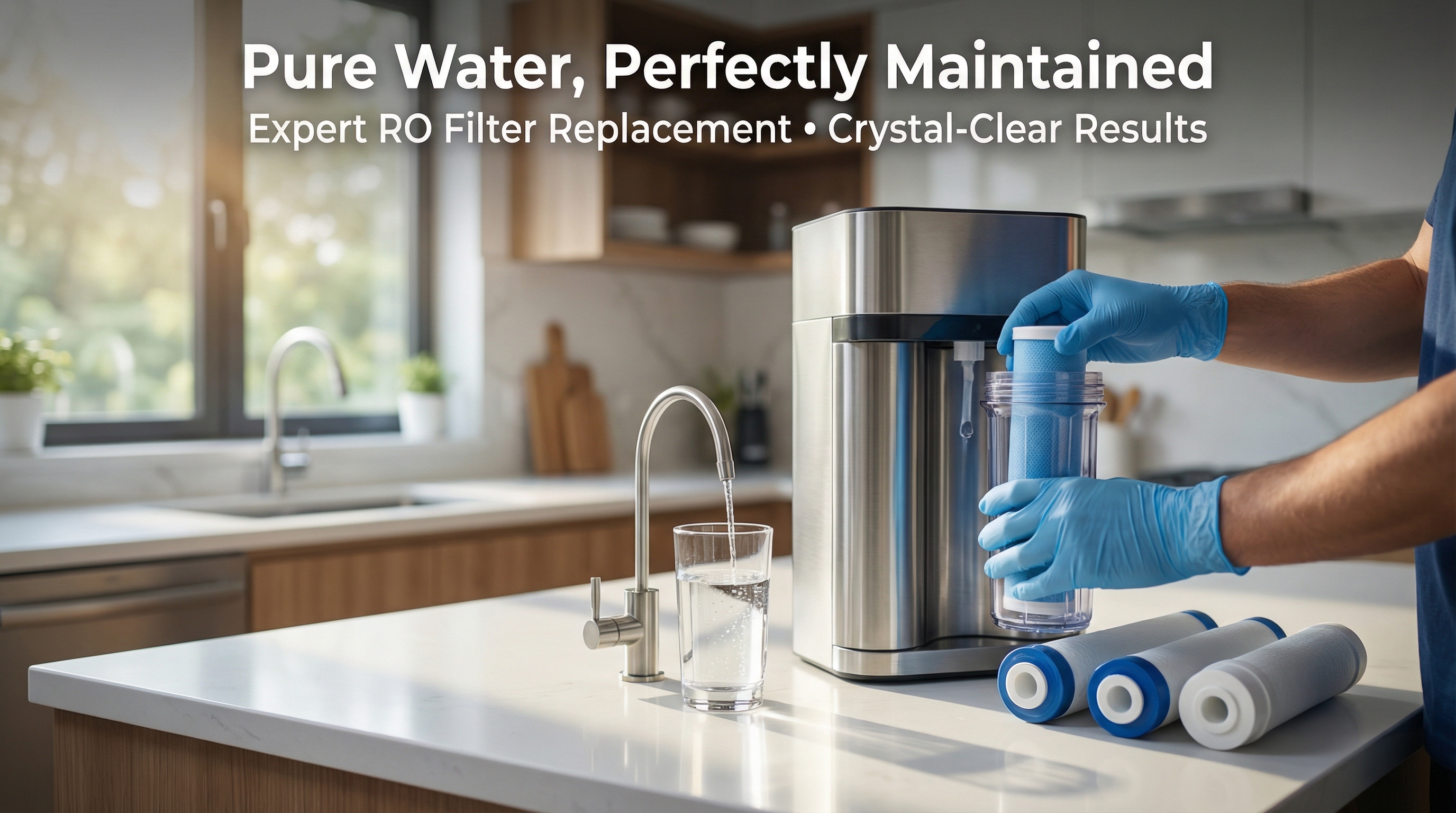
Complete Guide to RO Water Filter Replacement Intervals and Maintenance Schedule
Maintaining a reverse osmosis water purification system requires attention to detail and adherence to proper maintenance schedules. Many homeowners install these systems expecting clean, safe drinking water but overlook the critical aspect of regular filter maintenance. The effectiveness of your water purification system depends entirely on the condition of its various filtration stages. When filters become saturated with contaminants or exceed their operational lifespan, they can no longer perform their intended function, potentially allowing impurities to pass through into your drinking water.
The complexity of modern water purification systems means that different components have varying lifespans and replacement requirements. Unlike simple pitcher filters, multi-stage purification systems contain specialized filters designed for specific contaminment removal tasks. Understanding when each component needs replacement can seem overwhelming initially, but following a systematic approach makes this maintenance routine straightforward and manageable.
Water quality varies significantly across different regions, which directly impacts how quickly filters become exhausted. Households in areas with hard water, high sediment content, or elevated dissolved solids will experience faster filter degradation compared to those with relatively clean municipal water supplies. This variation means that published replacement schedules serve as general guidelines rather than absolute rules. Monitoring your system's performance indicators and water quality helps determine the optimal timing for filter changes specific to your situation.
Ignoring proper maintenance schedules leads to multiple problems beyond just compromised water quality. Clogged filters force the system to work harder, increasing energy consumption and potentially damaging sensitive components like the membrane. The financial cost of premature membrane failure far exceeds the expense of regular pre-filter replacements. Establishing a consistent maintenance routine protects your investment while ensuring continuous access to purified water for your family.
Pre-Filtration Stage Components
The sediment filter serves as the first line of defense in your purification system, capturing particles like dirt, rust, sand, and silt before they reach subsequent stages. This filter typically requires replacement every six to twelve months, depending on your incoming water quality. Households receiving water with visible particulates or rust-colored water should inspect this filter quarterly and replace it more frequently. The sediment filter prevents larger particles from damaging the delicate membrane, making it one of the most critical yet affordable components in your system.
Carbon block filters occupy the second and sometimes third stages of most systems, removing chlorine, volatile organic compounds, and chemicals that affect taste and odor. These filters generally last between six to twelve months under normal usage conditions. Chlorine, commonly used in municipal water treatment, can damage the membrane if not adequately removed by carbon filtration. The carbon material becomes saturated over time, losing its adsorptive capacity. When you notice changes in water taste or detect a chlorine smell, the carbon filters likely need replacement regardless of how long they have been in service.
Some advanced systems include additional pre-treatment stages designed for specific contaminants prevalent in certain regions. These specialized filters might target iron, manganese, or specific chemical compounds based on local water quality reports. Replacement schedules for these components vary widely depending on their design and the concentration of target contaminants in your water supply. Consulting your system's documentation provides specific guidance for these additional filtration stages.
The Reverse Osmosis Membrane Lifespan
The semi-permeable membrane represents the heart of your purification system, removing dissolved solids, heavy metals, bacteria, and viruses that pass through pre-filters. Unlike pre-filters that require annual replacement, membranes typically last between twenty-four to thirty-six months when properly maintained. The membrane life depends heavily on the effectiveness of pre-filtration stages and incoming water quality. Systems with well-maintained pre-filters can achieve membrane longevity at the upper end of this range, while neglected pre-filters lead to premature membrane failure.
Several indicators signal when membrane replacement becomes necessary. A significant decrease in water production rate suggests membrane fouling or scaling. If your system previously filled its storage tank in two hours but now takes four or five, the membrane likely needs attention. Testing your purified water with a TDS meter provides objective data about membrane performance. A properly functioning membrane should reject between ninety-three to ninety-eight percent of dissolved solids. When rejection rates fall below ninety percent despite new pre-filters, membrane replacement is likely needed.
Membrane condition affects more than just water quality. A compromised membrane forces your system to run longer to produce the same amount of water, increasing water waste and energy consumption. The cost of membrane replacement, while higher than pre-filters, remains modest compared to installing a new system. Treating the membrane as a consumable component requiring periodic replacement rather than a permanent fixture ensures optimal system performance.
Post-Filtration and Polishing Stages
Many systems include a post-carbon filter that water passes through after storage and immediately before dispensing. This final polishing stage removes any residual taste or odor that might develop during storage in the tank. Post-carbon filters typically require replacement every twelve months, though this timeline can extend slightly since they handle already purified water and experience less contamination than pre-filters.
Inline filters, when present, serve specialized purposes such as adding minerals back into purified water or providing additional taste enhancement. These components follow varied replacement schedules based on their specific function and design. Mineralizing filters that add calcium and magnesium generally last twelve to eighteen months. UV sterilization lamps, included in some premium systems, require annual replacement to maintain effective microbial inactivation.
The storage tank itself requires periodic sanitization even though it doesn't need replacement as frequently as filters. Annual tank cleaning prevents bacterial growth and maintains water freshness. During this maintenance, inspect the tank's bladder for proper pressure. Storage tanks that fail to maintain pressure should be repressurized or replaced to ensure adequate water flow and system efficiency.
Water Quality Factors Affecting Replacement Timing
Hard water containing high calcium and magnesium concentrations accelerates filter saturation and membrane scaling. Households with water hardness above three hundred parts per million may need to replace filters thirty to fifty percent more frequently than published guidelines suggest. Installing a water softener before your purification system dramatically extends component life, though this adds complexity and cost to your overall water treatment setup.
Chlorine concentration in municipal water supplies varies seasonally and affects carbon filter longevity. Summer months often see increased chlorination to control biological growth in distribution systems. This elevated chlorine exposure exhausts carbon filters more quickly. Testing your incoming water periodically helps you understand these variations and adjust maintenance schedules accordingly.
Total dissolved solids in your source water directly correlate with membrane workload. Water containing more than one thousand ppm of dissolved solids stresses the membrane and may require replacement every eighteen to twenty-four months rather than the typical thirty-six months. Some extremely high TDS water sources exceed the practical capabilities of residential systems and require commercial-grade equipment or alternative treatment approaches.
Professional Service Options and DIY Maintenance
Leading companies in the water treatment industry offer comprehensive maintenance plans that eliminate the guesswork from filter replacement schedules. Doctor Fresh provides systematic service programs tracking your system's age and sending reminders when maintenance becomes due. RO Care India specializes in multi-brand service, offering expertise across different system designs and configurations. Mannubhai Service Expert brings technical knowledge particularly valuable for troubleshooting performance issues that might indicate premature filter exhaustion.
Major manufacturers including Kent, Aquaguard, Aquafresh, Pureit, Blue Star, and LG offer brand-specific maintenance packages through their authorized service networks. These programs ensure genuine replacement components designed specifically for your system model. Using manufacturer-specified filters guarantees proper fit and performance, whereas generic alternatives may not meet the same quality standards or void warranty coverage.
Do-it-yourself maintenance appeals to technically inclined homeowners comfortable with basic plumbing tasks. Modern systems use quick-connect fittings that simplify filter replacement without requiring specialized tools. Following manufacturer instructions carefully prevents mistakes that could damage components or create leaks. Documenting each maintenance session with dates and filter model numbers helps track your system's service history and identify patterns in component longevity.
Establishing Your Personal Maintenance Calendar
Creating a written maintenance schedule prevents missed replacements and helps you budget for ongoing costs. Mark your calendar or set smartphone reminders for quarterly system inspections and filter replacement milestones. Quarterly checks allow you to visually inspect pre-filters for visible contamination and note any performance changes before they become significant problems.
Purchasing filters in advance ensures you have replacement components available when needed rather than drinking compromised water while waiting for parts to arrive. Buying annual supply kits often provides cost savings compared to purchasing individual filters separately. Store unused filters in a cool, dry location away from direct sunlight to preserve their effectiveness until installation.
Recording your system's performance metrics creates valuable data for optimizing maintenance timing. Note your TDS readings before and after membrane replacement to establish baseline performance. Track how long your storage tank takes to refill after drawing water. These measurements help you recognize when performance degrades, indicating filter replacement needs even if the scheduled timeline hasn't elapsed.
Maximizing System Efficiency Through Proper Maintenance
Proper maintenance extends beyond just replacing filters on schedule. Regularly sanitizing system components prevents biological growth that can compromise water quality between filter changes. Annual system sanitation involves disinfecting housings, lines, and the storage tank with appropriate solutions following manufacturer protocols. This preventive measure complements filter replacement in maintaining optimal water quality.
Monitoring your system's drain line output provides insights into system efficiency. The ratio of purified water produced to waste water discharged should remain relatively consistent. A significant increase in waste water relative to product water suggests declining membrane efficiency. Addressing this promptly through membrane cleaning or replacement prevents excessive water waste.
Maintaining appropriate water pressure throughout your system ensures optimal performance and component longevity. Pressure that's too low reduces production rates and can damage the membrane through inadequate flushing. Excessive pressure can rupture housings or damage seals. Installing a pressure gauge on your system's inlet helps monitor this critical parameter.
Conclusion
Maintaining your water purification system through timely component replacement ensures continuous access to clean, safe drinking water while protecting your investment. Understanding that different filtration stages have distinct replacement requirements allows you to develop an effective maintenance routine tailored to your system and water quality. Pre-filters typically require replacement every six to twelve months, serving as sacrificial barriers protecting the more expensive membrane, which lasts approximately two to three years with proper care.
Water quality variations across regions and seasons necessitate flexibility in applying standard maintenance schedules. Regular monitoring through simple tests and performance observations helps you determine optimal replacement timing specific to your situation. The modest cost of routine filter replacement prevents expensive problems like premature membrane failure or system damage caused by operating with exhausted filters.
Whether you choose professional service plans or handle maintenance yourself, consistency matters more than the specific approach. Establishing a documented schedule with regular inspections catches potential issues early. Professional services from specialized companies and manufacturers offer convenience and expertise, while DIY maintenance provides cost savings and immediate control over your system's care.
The health benefits of purified water and the convenience of having it available at home justify the ongoing investment in proper maintenance. By treating filter replacement as routine preventive care rather than optional maintenance, you ensure your system delivers the water quality you expect while maximizing its operational lifespan and efficiency.
FAQ
Q - How often should I replace the filters in my water purification system?
A - Replacement frequency varies by filter type and water quality. Sediment and carbon filters typically need replacement every 6-12 months, while the membrane lasts 24-36 months with proper maintenance. Households with hard water, high sediment, or elevated dissolved solids may need more frequent replacements. Regular monitoring of water taste, flow rate, and TDS levels helps determine optimal timing for your specific situation rather than relying solely on general timelines.
Q - What are the signs that my membrane needs replacement?
A - Key indicators include significantly reduced water production rate (taking twice as long to fill the storage tank), decreased TDS rejection below 90% when tested with a meter, and noticeable changes in water taste or clarity despite having new pre-filters installed. If your system previously produced water efficiently but now struggles, and pre-filter replacement doesn't resolve the issue, the membrane has likely reached the end of its functional life and requires replacement.
Q - Can I extend filter life by cleaning them instead of replacing?
A - Pre-filters like sediment and carbon filters are designed as consumable components that cannot be effectively cleaned and restored to original performance. Once saturated with contaminants, their filtration capacity is permanently diminished. The membrane can sometimes be chemically cleaned to remove fouling, but this is typically a temporary measure. Attempting to extend filter life beyond recommended intervals compromises water quality and can damage other system components, ultimately costing more than timely replacement.
Q - Does my local water quality really affect how often I need to replace filters?
A - Absolutely. Water quality significantly impacts filter longevity. Areas with hard water (above 300 ppm), high chlorine levels, or elevated sediment content exhaust filters 30-50% faster than published guidelines. Municipal water supplies also vary seasonally, with higher chlorination during summer months. Testing your incoming water and monitoring system performance helps you adjust maintenance schedules to match your specific conditions rather than following generic timelines that may not suit your situation.