

Understanding Water Purification: Making the Right Choice for Your Family's Health
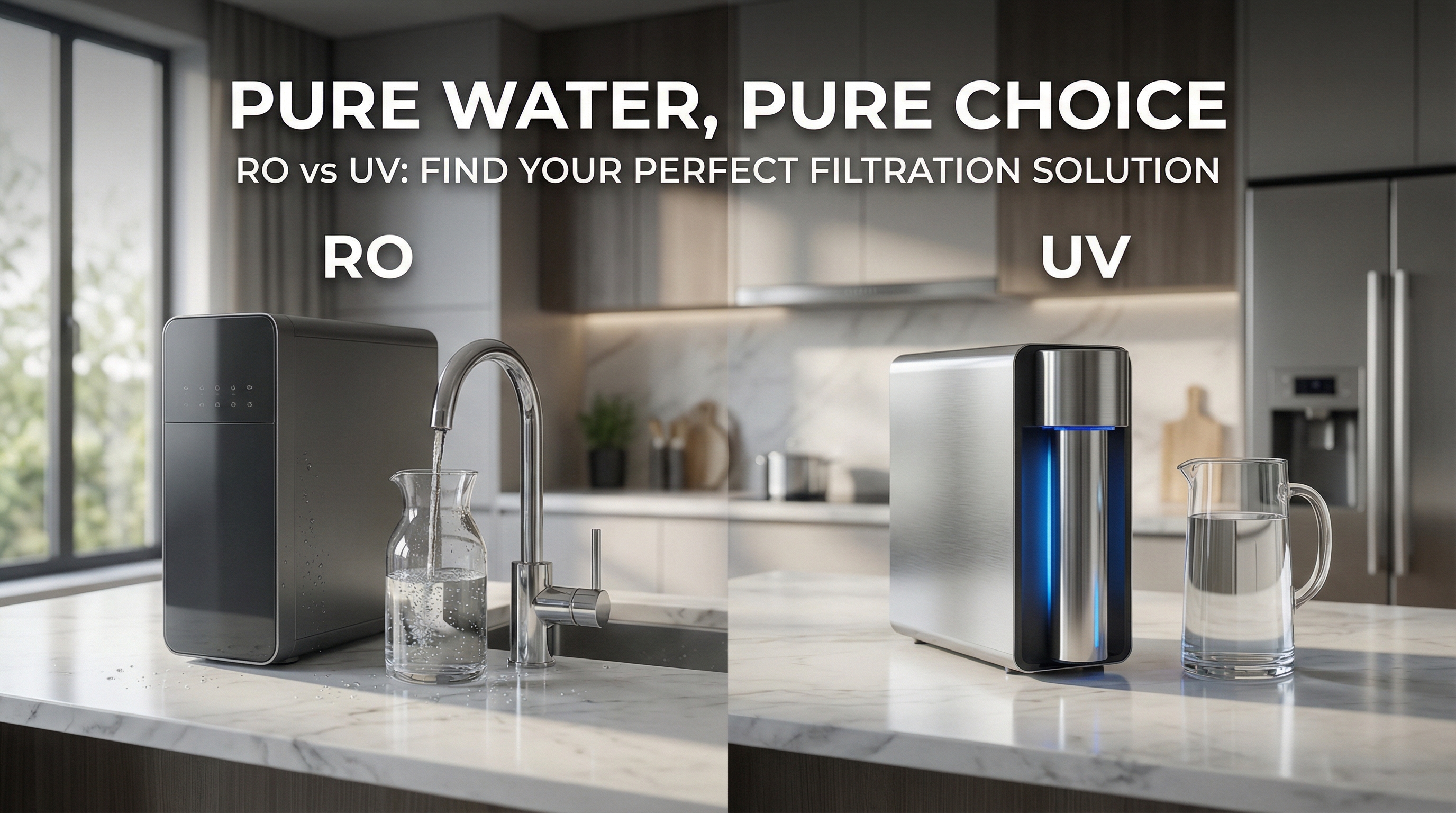
Access to clean drinking water stands as one of the fundamental requirements for maintaining good health and wellbeing. With increasing concerns about water contamination and the quality of municipal water supplies, homeowners across the country are investing in advanced water treatment systems. The decision to install a purification system in your home represents a significant step toward protecting your family from waterborne diseases and ensuring access to safe drinking water throughout the year.
Among the various technologies available in the market today, two systems have emerged as the most popular choices for residential applications. Each technology operates on distinct scientific principles and offers unique advantages depending on your specific water quality challenges. Understanding how these systems function, their strengths, and their limitations becomes essential before making an investment that will impact your household for years to come.
The choice between different purification technologies often confuses homeowners because both systems effectively address water safety concerns but through entirely different mechanisms. One system works by physically removing contaminants through a semipermeable membrane, while the other uses electromagnetic radiation to neutralize harmful microorganisms. Your water source, the nature of contaminants present, and your family's specific needs all play crucial roles in determining which technology suits your situation best.
This comprehensive guide examines both technologies in detail, helping you understand their operational principles, benefits, maintenance requirements, and cost implications. By the end of this article, you will possess the knowledge needed to make an informed decision about which system aligns with your household requirements and delivers the best value for your investment.
How Reverse Osmosis Purification Works
Reverse osmosis technology functions by forcing water through an extremely fine semipermeable membrane under pressure. This membrane contains microscopic pores that measure approximately 0.0001 microns in diameter, small enough to block dissolved salts, heavy metals, chemical contaminants, and microorganisms while allowing only pure water molecules to pass through. The process effectively removes up to 90 to 95 percent of total dissolved solids from water, making it one of the most thorough purification methods available.
The complete system typically consists of multiple filtration stages. Water first passes through a sediment filter that removes larger particles like sand, dirt, and rust. Next, it moves through one or more carbon filters that eliminate chlorine, organic compounds, and substances that affect taste and odor. The water then reaches the semipermeable membrane where the actual purification occurs. Finally, a post-carbon filter polishes the water before it reaches your glass, ensuring optimal taste and quality.
This technology proves particularly effective for water sources with high concentrations of dissolved impurities. It excels at removing hardness-causing minerals like calcium and magnesium, toxic heavy metals such as lead and arsenic, fluoride, nitrates, sulfates, and various industrial pollutants. The system also eliminates bacteria, viruses, and cysts, providing comprehensive protection against biological contamination.
However, the process generates reject water as a byproduct. For every liter of purified water produced, the system typically discharges two to three liters of concentrated wastewater containing the rejected contaminants. This aspect requires consideration, especially in areas facing water scarcity. Modern systems have improved efficiency ratios, but water wastage remains an inherent characteristic of this technology.
Understanding Ultraviolet Purification Systems
Ultraviolet purification employs short-wavelength UV radiation to destroy the genetic material of microorganisms, rendering them incapable of reproduction and infection. The system consists of a UV lamp housed within a chamber through which water flows. As water passes near the lamp, it receives a dose of ultraviolet light at approximately 254 nanometers wavelength, which proves lethal to bacteria, viruses, and other pathogens.
This technology works purely as a disinfection method without altering the chemical composition of water. It eliminates biological threats with remarkable efficiency, destroying 99.99 percent of harmful microorganisms within seconds of exposure. The process occurs without adding any chemicals to the water, leaving no residual taste or odor. Unlike chemical disinfection methods, UV treatment cannot produce potentially harmful byproducts.
The system operates continuously while drawing minimal electricity, typically between 10 to 30 watts depending on flow rate and lamp capacity. Since it involves no physical filtration, water pressure remains unaffected, and the system produces no wastewater. Installation proves straightforward, and the compact design fits easily into most kitchen spaces without requiring extensive plumbing modifications.
However, UV systems have limitations that homeowners must understand. The technology does not remove dissolved solids, heavy metals, or chemical contaminants. It strictly addresses microbiological contamination. If your water contains visible particles or high turbidity, these suspended materials can shield microorganisms from UV exposure, reducing effectiveness. Therefore, UV systems often require pre-filtration to remove sediment and ensure water clarity.
Comparing Performance Across Different Contaminants
When evaluating purification technologies, understanding what each system removes becomes paramount. Reverse osmosis systems excel at addressing the broadest spectrum of contaminants. They effectively eliminate dissolved solids that contribute to water hardness, making them ideal for areas with brackish water sources or high mineral content. These systems remove heavy metals including lead, mercury, arsenic, and chromium, providing crucial protection in regions where industrial pollution or aging infrastructure compromises water safety.
Chemical contaminants like pesticides, herbicides, chlorine, fluoride, and pharmaceutical residues are efficiently filtered out by the semipermeable membrane and carbon stages. This comprehensive removal capability makes these systems suitable for treating water from uncertain sources or areas where agricultural runoff affects groundwater quality. The technology also eliminates microorganisms, though this represents just one aspect of its overall purification capability.
Ultraviolet systems specialize exclusively in biological purification. They destroy bacteria such as E. coli, Salmonella, and Cholera, viruses including Hepatitis and Rotavirus, and parasites like Giardia and Cryptosporidium cysts. This makes them excellent choices for treating microbiologically unsafe water from sources known to be free of chemical and dissolved solid contamination. Municipal water supplies that meet chemical standards but require additional biological safety measures represent ideal applications.
For comprehensive protection, some households install both technologies in tandem. A sediment and carbon pre-filter removes particulates and improves clarity, followed by UV disinfection to eliminate microorganisms, with no dissolved solids removal needed if the source water quality is already good in that respect. Alternatively, systems may use UV as a final polishing step after membrane filtration for absolute biological safety.
Maintenance Requirements and Operational Costs
Reverse osmosis systems require regular attention to maintain optimal performance. Filter cartridges need replacement according to manufacturer specifications, typically every six to twelve months depending on water quality and consumption. The sediment pre-filter usually requires the most frequent changes, followed by carbon filters. The semipermeable membrane represents the most expensive component, generally lasting two to three years before requiring replacement, though this varies significantly based on feed water quality and system usage.
Sanitization of the entire system should occur annually to prevent bacterial growth in the storage tank and tubing. This involves flushing the system with appropriate cleaning solutions. The storage tank itself may require replacement every five to seven years as the internal bladder can deteriorate over time. These maintenance tasks add to the overall cost of ownership but remain essential for ensuring water quality and system longevity.
Ultraviolet systems demand less frequent maintenance but require critical attention to specific components. The UV lamp loses intensity over time even while still illuminating, so replacement becomes necessary every 9 to 12 months regardless of whether the lamp appears to function. The quartz sleeve housing the lamp requires periodic cleaning to remove mineral deposits that can block UV transmission. Most systems include an indicator that alerts users when lamp replacement becomes necessary.
Electricity consumption differs significantly between technologies. UV systems draw continuous power whenever water might be used, adding a modest amount to monthly utility bills. The other technology uses electricity only for the pressure pump when actively producing purified water, with consumption varying based on source water pressure and system design. Over a year, operational electricity costs for either system remain relatively modest compared to the initial investment.
Types of Systems Available in the Market
Reverse osmosis systems come in various configurations to suit different household needs. Under-sink models represent the most common type, fitting conveniently in the cabinet below the kitchen sink and connecting to a dedicated faucet. These compact units handle daily drinking and cooking water requirements for average families efficiently. Counter-top versions offer portability and easier installation for renters or those seeking temporary solutions, though they consume valuable counter space.
Whole-house membrane systems exist for larger properties or situations requiring treated water throughout the home, not just at the kitchen tap. These larger capacity units involve significant investment and professional installation but provide soft, purified water to every fixture. Some manufacturers offer direct-flow models without storage tanks, producing purified water on demand, which eliminates the storage tank footprint but may deliver slower flow rates during peak usage.
Ultraviolet purification units similarly vary in capacity and design. Point-of-use systems install at single locations, typically under the kitchen sink, treating water for drinking and cooking. Whole-house UV systems install at the main water line entry point, disinfecting all water entering the home. These prove valuable in rural areas using well water or locations where the municipal supply occasionally faces contamination issues.
Combination systems integrate multiple technologies within a single unit. Many modern purifiers feature sediment filtration, carbon adsorption, membrane filtration, and UV disinfection in sequence, providing comprehensive treatment. These all-in-one solutions simplify installation and maintenance while ensuring maximum protection against diverse contaminants. Smart systems now incorporate monitoring technology that tracks filter life, water quality parameters, and maintenance schedules through smartphone applications.
Trusted Brands in Water Purification
The Indian market offers numerous reliable brands that have established strong reputations for quality and service. Doctor Fresh has built recognition for innovative designs that combine multiple purification stages with user-friendly features. RO Care India specializes in service and maintenance, ensuring systems continue performing optimally long after installation. Mannubhai Service Expert has earned trust through decades of experience in water treatment solutions across residential and commercial segments.
Kent has become synonymous with quality purification systems, offering a wide range of products incorporating advanced technologies. Their systems often feature mineral retention technology that adds back essential minerals after purification. Aquaguard pioneered the water purification market in India and continues delivering reliable products backed by extensive service networks. Aquafresh provides affordable options without compromising on purification effectiveness, making safe water accessible to broader audiences.
Pureit distinguished itself with innovative solutions that require no electricity or running water, ideal for areas with infrastructure challenges. Blue Star brings its expertise in cooling and air treatment to water purification, offering premium systems with aesthetic designs. LG applies its technological prowess to create smart purification systems with diagnostic features and efficient operation. Each brand offers distinct advantages, and the best choice depends on your specific requirements, budget, and local service availability.
When selecting among brands, consider factors beyond just the initial purchase price. Service network coverage in your area, availability of spare parts, warranty terms, and customer support responsiveness all significantly impact long-term satisfaction. Reading verified customer reviews and consulting with users in your locality provides valuable insights into real-world performance and after-sales experience.
Making Your Decision Based on Water Quality
Your water source characteristics should guide your technology choice more than any other factor. Start by obtaining a water quality test report that identifies specific contaminants and their concentrations. Municipal water suppliers typically provide annual quality reports, while private laboratories can test well water or if you want independent verification. Understanding what your water contains eliminates guesswork and prevents investing in unnecessary treatment.
If test results show high total dissolved solids, hardness, or presence of heavy metals and chemical contaminants, systems with membrane filtration become essential. These issues cannot be addressed through disinfection alone and require physical removal of dissolved substances. The technology excels in such scenarios, transforming poor quality water into safe, pleasant-tasting drinking water. The investment proves worthwhile when source water quality is genuinely problematic.
For water that meets chemical standards but comes from sources vulnerable to biological contamination, ultraviolet systems provide targeted, efficient treatment. This commonly applies to municipal supplies in well-maintained distribution systems or private wells in areas without industrial pollution but with potential for bacterial contamination. The lower maintenance requirements and absence of water wastage make UV attractive when comprehensive chemical filtration is unnecessary.
Many situations benefit from combined approaches. Urban areas with hard water may need membrane filtration for dissolved solids but can skip UV if chlorinated municipal supply already provides disinfection. Rural well water might need UV for biological safety plus carbon filtration for taste improvement without requiring full membrane treatment if dissolved solids remain within acceptable limits. Customizing your solution based on actual needs optimizes both performance and cost-effectiveness.
Conclusion
Selecting the appropriate water purification technology for your home requires careful consideration of multiple factors including source water quality, specific contaminants present, household consumption patterns, and budget constraints. Both reverse osmosis and ultraviolet technologies offer proven effectiveness but address different aspects of water safety through distinct mechanisms. Understanding these differences empowers homeowners to make decisions aligned with their actual needs rather than following trends or marketing claims.
Reverse osmosis systems provide comprehensive treatment capable of addressing the widest range of contaminants including dissolved solids, chemicals, heavy metals, and microorganisms. They represent the best choice for challenging water quality situations but involve higher maintenance costs and water wastage. Ultraviolet systems excel at biological disinfection with minimal maintenance and no water rejection but do not address chemical or dissolved contaminants. Your specific water quality challenges should determine which technology or combination thereof serves your household best.
Investing in water purification represents an investment in health and wellbeing for your entire family. Taking time to understand your water source, researching available technologies thoroughly, and selecting reputable brands with strong service support ensures this investment delivers value for years to come. Regular maintenance according to manufacturer guidelines preserves system performance and protects the quality of water your family consumes daily.
Ultimately, the best water purifier for your home is the one that effectively addresses your specific water quality issues, fits within your budget for both purchase and ongoing maintenance, and comes from a manufacturer offering reliable service support in your area. With the information provided in this guide, you can now approach this important decision with confidence and clarity.
Frequently Asked Questions
Q: Can I use a UV purifier if my water has a yellowish tint or visible particles?
A: No, UV purification works effectively only on clear water. Visible particles, turbidity, or color in water can shield microorganisms from UV light exposure, significantly reducing the system's disinfection capability. If your water appears cloudy or discolored, you'll need sediment and carbon pre-filtration before UV treatment, or alternatively, consider a membrane-based system that physically removes these particles along with other contaminants.
Q: How do I know which purification technology my water actually needs?
A: The best approach is obtaining a comprehensive water quality test report that identifies specific contaminants and their concentration levels. If results show high dissolved solids, hardness, heavy metals, or chemical pollutants, you need membrane filtration technology. If the water meets chemical standards but comes from sources prone to bacterial contamination, UV disinfection suffices. Many situations benefit from understanding your exact water composition rather than assuming what treatment you need.
Q: Why do membrane-based systems waste water, and can this be avoided?
A: These systems generate reject water because the purification process concentrates contaminants that cannot pass through the semipermeable membrane, which must be flushed away to prevent membrane damage. This wastewater typically contains 2-3 times the contaminant concentration of the input water. While newer systems have improved efficiency ratios, some water rejection remains inherent to the technology. The reject water can be repurposed for cleaning, gardening, or washing to minimize waste.
Q: How often will I need to replace components, and what are the ongoing costs?
A: Membrane systems require filter replacements every 6-12 months and membrane replacement every 2-3 years, with costs varying by brand and water quality. UV systems need lamp replacement every 9-12 months regardless of appearance, as UV intensity diminishes over time even while the lamp glows. Annual maintenance costs typically range between 10-20% of the initial system price, though this varies based on usage patterns, source water quality, and specific system design.
Stay Informed About Water Safety Solutions
Understanding water purification technologies empowers you to protect your family's health effectively. Learn more about water quality testing options in your area, explore detailed comparisons of different filtration stages, and stay informed about emerging purification innovations. Discover how seasonal water quality variations might affect your purification needs and find resources for interpreting water test reports to make educated decisions about your home's water treatment requirements.