

Critical Maintenance Mistakes That Can Ruin Your Water Purification System
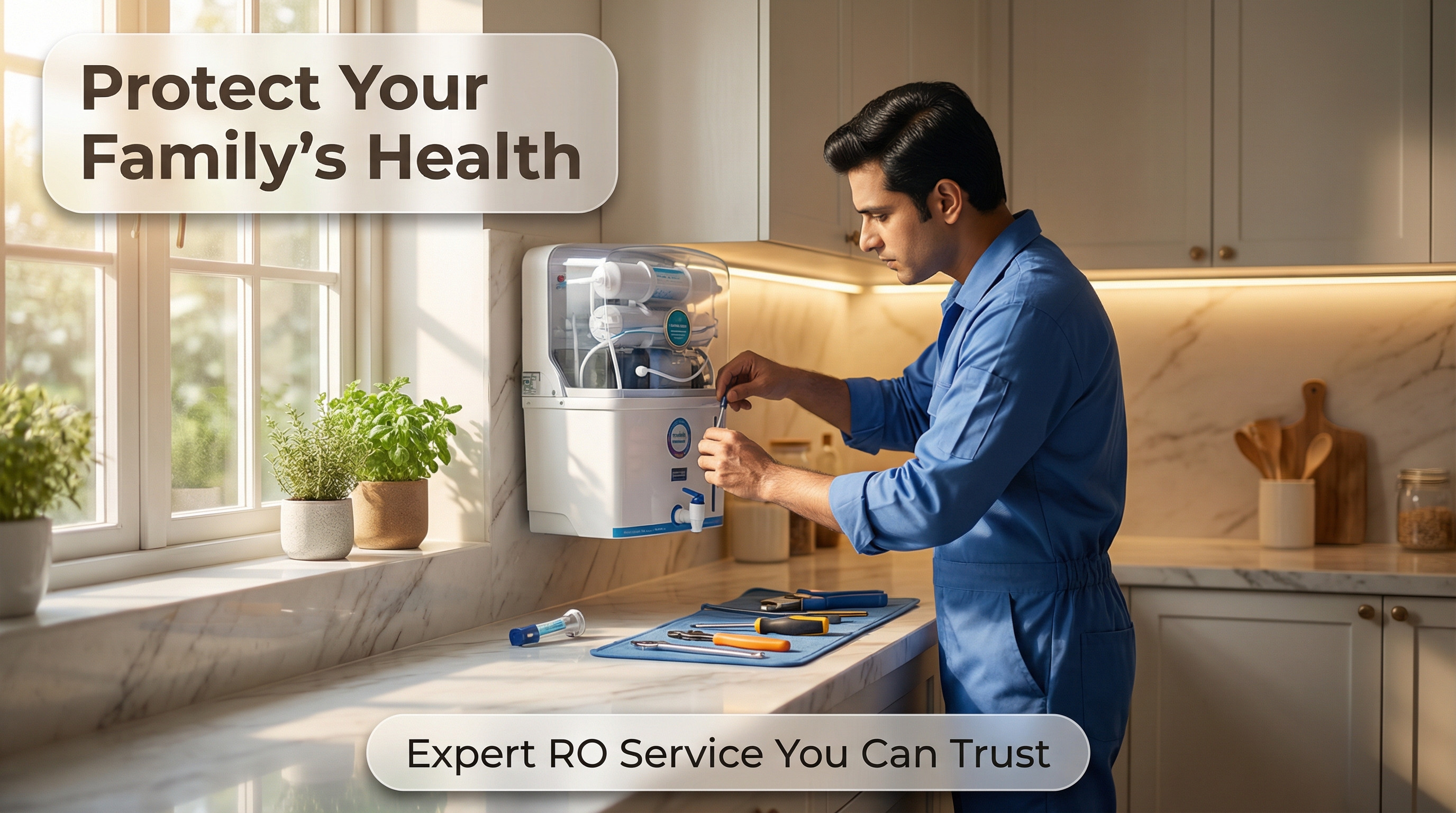
Water purification systems have become essential household appliances in modern homes, providing families with safe drinking water by removing contaminants, dissolved solids, and harmful microorganisms. However, many homeowners unknowingly compromise their systems through improper maintenance practices that can lead to costly repairs, reduced efficiency, and even complete system failure. Understanding the common pitfalls in maintenance routines can save you thousands of rupees and ensure your family continues to receive clean, safe drinking water for years to come.
The importance of proper maintenance cannot be overstated when it comes to water purification systems. These sophisticated devices contain multiple filtration stages, delicate membranes, and electronic components that require specific knowledge and expertise to service correctly. Unfortunately, the rise of online tutorials and the desire to save money have led many people to attempt maintenance procedures they are not equipped to handle. What seems like a simple filter change or minor adjustment can quickly spiral into a major problem when proper protocols are not followed.
The consequences of maintenance errors extend far beyond immediate system malfunctions. Improper servicing can contaminate your drinking water with bacteria, reduce the lifespan of expensive components, void manufacturer warranties, and create safety hazards in your home. Some mistakes introduce new problems that compound over time, gradually degrading performance until the entire system requires replacement. Recognizing these potential pitfalls is the first step toward protecting your investment and ensuring your family's health.
Many homeowners discover their maintenance mistakes only after significant damage has occurred. By the time water quality deteriorates noticeably or the system stops functioning entirely, the underlying issue may have been developing for months. Prevention through knowledge is far more cost-effective than reactive repairs. Whether you maintain your system yourself or hire professionals, understanding what can go wrong empowers you to make informed decisions and recognize warning signs before minor issues become major catastrophes.
Dangerous Self-Service Practices
One of the most prevalent ro servicing mistakes involves homeowners attempting complex repairs without proper training or tools. While changing external filters might seem straightforward, many people fail to sanitize their hands and tools before touching internal components, introducing bacteria directly into the water pathway. This contamination can multiply rapidly, creating a health hazard that defeats the entire purpose of having a purification system. Additionally, failing to properly seal filter housings after replacement leads to leaks, pressure loss, and potential water damage to surrounding areas.
Another critical error in self-service attempts involves membrane handling. The reverse osmosis membrane is the heart of the purification process, and it requires extremely careful handling during replacement or cleaning. Many homeowners damage membranes by touching the surface with bare hands, using incorrect cleaning solutions, or installing them backward. The oils from skin contact create biofilm buildup sites, while harsh chemicals can permanently damage the delicate membrane material. Installing membranes incorrectly prevents proper water flow and filtration, rendering the system ineffective.
Electrical component tampering represents a particularly dangerous category of ro self service risks. Modern purification systems contain UV lamps, solenoid valves, control panels, and sensors that operate on electricity. Without proper knowledge of electrical safety and system-specific wiring diagrams, homeowners risk electrocution, short circuits, and fire hazards. Replacing UV lamps without understanding proper installation procedures can result in ineffective sterilization, while incorrect sensor connections may cause the system to operate incorrectly without any obvious warning signs.
Water pressure adjustments and valve manipulations also frequently cause problems during self-service attempts. Each system is calibrated for specific pressure ranges and flow rates that optimize filtration efficiency and component longevity. Randomly adjusting valves to increase water production or reduce waste water can overstress membranes, damage pumps, and create imbalanced pressure that leads to leaks. These adjustments often provide temporary improvements while creating long-term damage that manifests weeks or months later.
Problems With Unqualified Technicians
Hiring inexperienced or untrained service providers introduces an entirely different set of complications. Many local technician issues stem from lack of brand-specific training and familiarity with advanced purification technologies. A technician experienced with basic water filters may not understand the complexities of multi-stage systems with electronic monitoring. They might use incompatible replacement parts, generic filters that do not meet specifications, or incorrect installation procedures that void warranties and compromise performance.
Cost-cutting measures by unqualified technicians often involve using substandard replacement components. Genuine manufacturer parts are designed to exact specifications for optimal performance and safety, while generic alternatives may contain inferior materials that degrade quickly or introduce contaminants. Some unscrupulous service providers claim to install genuine parts while actually using cheap substitutes, pocketing the price difference. These inferior components fail prematurely, require more frequent replacement, and can damage other system elements.
Diagnostic limitations represent another significant problem with inadequately trained technicians. When a system malfunctions, proper troubleshooting requires systematic testing and knowledge of how various components interact. Unqualified technicians often replace parts randomly, hoping to stumble upon the solution rather than accurately diagnosing the root cause. This shotgun approach wastes money on unnecessary replacements while the actual problem persists or worsens. Homeowners end up paying for multiple service calls and parts that did not need replacing.
Documentation and service record keeping are frequently neglected by informal service providers. Proper maintenance requires tracking filter replacement dates, membrane lifespan, service history, and water quality test results. Without these records, it becomes impossible to predict when components need replacement or identify patterns that indicate developing problems. This lack of documentation also creates warranty claim difficulties, as manufacturers require proof of proper maintenance to honor guarantees.
Timing and Scheduling Failures
Neglecting scheduled maintenance intervals ranks among the most common and damaging mistakes homeowners make. Purification systems require regular filter changes, membrane cleaning, sanitization, and component inspections at specific intervals. Extending these intervals to save money or out of forgetfulness allows contaminants to accumulate, reduces filtration efficiency, and forces components to work harder than designed. Clogged pre-filters place excessive stress on pumps and membranes, while exhausted carbon filters allow chlorine to attack and damage the reverse osmosis membrane.
Seasonal maintenance considerations are often overlooked, particularly in regions with significant water quality variations throughout the year. Monsoon seasons may introduce higher sediment loads that clog filters faster, while summer months with increased water temperature can accelerate bacterial growth. Failing to adjust maintenance frequency based on seasonal conditions leads to system stress and performance degradation. Systems that receive identical maintenance year-round do not receive optimal care for varying conditions.
Emergency maintenance procrastination creates cascading problems that could be avoided with prompt attention. When homeowners notice reduced water production, unusual tastes or odors, or system noises but delay calling for service, minor issues evolve into major failures. A small leak ignored for weeks can cause significant water damage and mold growth, while continued operation with a damaged component often damages other elements of the system. Immediate response to warning signs prevents expensive repairs and protects water quality.
Improper Component Handling
Storage and handling of replacement parts before installation frequently introduces contamination and damage. Filters and membranes should remain sealed in original packaging until immediately before installation, stored in cool, dry locations away from chemicals and direct sunlight. Many homeowners purchase parts in advance and store them improperly for months, exposing them to temperature fluctuations, humidity, and airborne contaminants. These compromised components perform poorly even when new and may introduce problems rather than solving them.
Cross-contamination during filter changes occurs when technicians or homeowners fail to maintain cleanliness during the replacement process. Tools used for other household tasks should never contact purification system components without thorough sanitization. Work surfaces must be cleaned and disinfected before placing filters or membranes on them. Even brief exposure to contaminated surfaces can introduce bacteria colonies that multiply rapidly within the moist environment of the purification system.
Installation sequence errors compromise system performance even when quality parts are used correctly. Multi-stage purification systems require filters to be installed in specific order, with each stage performing a designated function. Installing filters out of sequence disrupts the progressive filtration process, forcing later stages to handle contaminants they were not designed to process. This overloads certain filters while underutilizing others, reducing overall efficiency and component lifespan.
Water Quality Testing Neglect
Failing to conduct regular water quality tests represents a significant oversight that many homeowners make. Without testing, there is no objective way to verify that the purification system is functioning correctly. Water might appear clear and taste normal while containing elevated levels of dissolved solids, bacteria, or other contaminants. Regular testing of both input and output water provides concrete evidence of system performance and early warning when filtration efficiency begins declining.
Test result interpretation requires understanding what various measurements indicate about water quality and system health. Total dissolved solids readings reveal membrane performance, while bacterial counts indicate sanitization effectiveness. Many homeowners conduct tests but do not understand the results or fail to recognize gradual trends that signal developing problems. Professional service includes expert interpretation of test results and recommendations based on specific findings.
Testing frequency must align with usage patterns, water source quality, and system age. Households consuming large volumes of purified water should test more frequently than light users, as should those with water sources known to have variable quality. New systems require baseline testing and frequent monitoring initially, while established systems benefit from quarterly or semi-annual testing. Adjusting testing frequency based on individual circumstances ensures adequate monitoring without unnecessary expense.
Brand-Specific Maintenance Requirements
Different purification system brands have unique maintenance requirements, component specifications, and service protocols. What works for one manufacturer's system may damage another brand's components. Generic maintenance approaches ignore these important differences, leading to suboptimal performance and potential damage. Understanding your specific system's requirements is essential for proper care, which is why many homeowners turn to authorized service providers familiar with their brand.
Companies like Doctor Fresh, RO Care India, and Mannubhai Service Expert specialize in professional maintenance that accounts for brand-specific requirements. These service providers maintain relationships with manufacturers, receive technical training on specific models, and stock genuine replacement parts. Their technicians understand the nuances of different brands and can provide maintenance that aligns with manufacturer recommendations, preserving warranty coverage and optimizing system performance.
Major brands including Kent, Aquaguard, Aquafresh, Pureit, Blue Star, and LG each have distinct technologies and maintenance protocols. Some use proprietary filter designs that require specific installation procedures, while others incorporate advanced electronic monitoring that needs specialized diagnostic equipment. Professional service providers familiar with these brands can efficiently maintain systems according to exact specifications, avoiding the trial-and-error approach that damages systems and wastes money.
Chemical and Cleaning Agent Misuse
Using incorrect cleaning solutions during maintenance causes permanent damage to sensitive components. Household cleaners, bleach, vinegar, and other common substances may seem suitable for sanitizing purification systems, but many contain chemicals that attack membranes, degrade seals, or leave residues that contaminate drinking water. Only sanitizers specifically approved for purification systems should ever contact internal components, and even these must be used at correct concentrations and properly rinsed.
Sanitization procedures require precise protocols to be effective without causing damage. Concentration levels, contact time, temperature, and rinsing procedures all matter significantly. Too little sanitizer fails to eliminate bacteria, while excessive amounts or prolonged exposure damages components. Inadequate rinsing leaves chemical residues that impart taste and odor to water while potentially creating health concerns. Following manufacturer-specified sanitization protocols ensures effective disinfection without adverse effects.
Membrane cleaning attempts with inappropriate chemicals represent a particularly costly mistake. Some homeowners use acidic or alkaline cleaners intended for industrial applications, thinking stronger solutions will be more effective. These harsh chemicals dissolve the membrane material itself, creating irreparable damage that requires complete membrane replacement. Even when membranes survive inappropriate cleaning, their filtration efficiency and rejection rate suffer permanent degradation.
Tool and Equipment Deficiencies
Attempting maintenance without proper tools leads to stripped fittings, cracked housings, and improperly secured connections. Purification systems use specific fittings and fasteners that require appropriate wrenches, spanners, and other tools. Household pliers and adjustable wrenches often slip on these fittings, rounding off edges and making future service difficult or impossible. Over-tightening with incorrect tools cracks plastic housings, while under-tightening creates leaks and pressure loss.
Pressure gauges and flow meters provide essential diagnostic information during maintenance, yet many service providers work without these instruments. Without pressure measurements at various system points, technicians cannot accurately assess pump performance, membrane condition, or valve operation. This diagnostic blindness leads to guesswork rather than informed maintenance decisions, resulting in unnecessary part replacements or overlooked problems.
Sanitization equipment including UV sterilizers for tools and proper disinfection solutions often go unused during informal service calls. Introducing contaminated tools into purification systems defeats the entire purpose of maintenance and creates new problems. Professional ro service includes proper tool sanitization as standard practice, ensuring that maintenance procedures improve rather than compromise water quality.
Long-Term Consequences
Accumulated damage from repeated servicing mistakes gradually degrades system performance until complete failure becomes inevitable. Each improper maintenance procedure introduces small problems that compound over time. Membrane damage reduces filtration efficiency incrementally, forcing pumps to work harder and consuming excessive electricity. Bacterial contamination establishes biofilms that resist later sanitization attempts and continuously recontaminate purified water. These cumulative effects often remain unnoticed until the system reaches a tipping point and fails catastrophically.
Financial costs of improper maintenance far exceed the expense of professional service when calculated over the system's lifespan. Premature component replacement, increased electricity consumption from inefficient operation, and eventual complete system replacement create expenses that dwarf the cost of proper regular maintenance. Additionally, health risks from consuming inadequately purified water cannot be quantified in monetary terms but represent potentially serious consequences of maintenance failures.
Warranty implications of improper maintenance create significant financial exposure for homeowners. Most manufacturers void warranties when unauthorized service providers perform maintenance or when systems are not serviced according to specified schedules and procedures. This means that even manufacturing defects become the homeowner's financial responsibility when maintenance records do not document proper care. The savings from using cheap service providers or attempting self-service can be instantly erased when a major component fails and warranty coverage is denied.
Professional Service Advantages
Trained technicians bring specialized knowledge, proper tools, genuine parts, and systematic diagnostic approaches that homeowners and general handymen cannot match. Their familiarity with specific brands and models allows efficient service that addresses actual problems rather than guessing at solutions. They understand component interactions, recognize subtle warning signs of developing issues, and can predict when parts will need replacement based on usage patterns and water quality conditions.
Comprehensive maintenance includes services that homeowners typically overlook or cannot perform safely. Professional service calls include sanitization of entire water pathways, pressure testing at multiple system points, electronic component verification, and water quality testing with calibrated equipment. Technicians adjust system parameters for optimal performance, document service history, and provide recommendations for addressing developing issues before they cause failures.
Peace of mind from professional ro service extends beyond immediate system performance. Knowing that qualified technicians have properly maintained your system provides confidence that your family is receiving safe drinking water. Service documentation supports warranty claims if problems develop, while relationships with reputable service providers ensure priority response during emergencies. These intangible benefits complement the tangible advantages of expert maintenance.
Conclusion
Protecting your water purification investment requires avoiding common maintenance mistakes that compromise performance, damage components, and threaten water quality. Self-service attempts and unqualified technicians introduce risks that far outweigh potential cost savings, from contamination and component damage to safety hazards and warranty voidance. Understanding these pitfalls empowers homeowners to make informed decisions about system care and recognize warning signs before minor issues become expensive failures.
Professional maintenance providers bring expertise, proper tools, genuine parts, and systematic approaches that ensure your system operates safely and efficiently throughout its designed lifespan. Regular service by qualified technicians prevents the accumulated damage that results from improper procedures, maintains warranty coverage, and provides documented proof of proper care. The investment in professional service pays dividends through extended component life, optimal performance, and confidence in water quality.
Your water purification system represents a significant investment in your family's health and wellbeing. Treating that investment with the care it deserves through proper maintenance practices protects both your financial resources and your family's access to safe drinking water. Whether you choose authorized brand service providers or independent professionals with demonstrated expertise, prioritizing quality maintenance over cost savings ensures your system delivers the pure, safe water you purchased it to provide for many years to come.
Q - How often should I have my water purification system professionally serviced to avoid common maintenance mistakes?
A - Most water purification systems require professional servicing every 3-6 months, depending on usage patterns and water quality. High-usage households or areas with poor input water quality may need more frequent attention. Regular professional maintenance prevents the accumulation of contaminants, ensures filters are changed at appropriate intervals, and allows technicians to identify developing issues before they cause system failure. Skipping scheduled services to save money often leads to more expensive repairs later.
Q - What are the most serious risks of attempting to service my water purification system myself?
A - The most dangerous self-service risks include introducing bacterial contamination through improper handling, damaging the delicate reverse osmosis membrane, and creating electrical hazards when working with UV lamps and electronic components. Even seemingly simple tasks like filter replacement can introduce problems if proper sanitization procedures aren't followed. Additionally, incorrect pressure adjustments and valve manipulations can overstress components, leading to premature failure. These mistakes often void manufacturer warranties, leaving you financially responsible for expensive repairs.
Q - How can I tell if my water purification system needs immediate professional attention?
A - Warning signs requiring immediate professional service include noticeable changes in water taste or odor, significant reduction in water production rate, unusual noises from the system, visible leaks or moisture around components, and changes in water clarity. If your system displays error codes or warning lights, don't ignore them or attempt repairs yourself. Prompt professional attention to these symptoms prevents minor issues from escalating into major system failures that require complete component replacement.
Q - Why is using genuine replacement parts instead of generic alternatives so important?
A - Genuine manufacturer parts are engineered to exact specifications for your specific system model, ensuring optimal performance, safety, and compatibility. Generic alternatives may use inferior materials that degrade quickly, fail to meet filtration standards, or introduce contaminants into your drinking water. Using non-genuine parts often voids manufacturer warranties, meaning you'll be financially responsible for any subsequent problems. While genuine parts cost more initially, they provide better performance, longer lifespan, and maintain your warranty protection.
Understanding the complexities of water purification maintenance helps you make informed decisions about your system's care. Learn more about proper servicing protocols, identify warning signs of potential problems, and discover how regular professional maintenance extends system lifespan while protecting water quality for your family.