


Maintaining a reliable source of hot water is essential for everyday comfort. For residents seeking geyser repair service in Bansi, a proactive approach to maintenance can lead to significant improvements in performance and longevity. Understanding when to repair or replace your geyser is vital to making informed decisions that ensure you always have access to hot water.
The Importance of Regular Maintenance for Geysers in Bansi
Establishing periodic maintenance plans for your geyser is crucial in prolonging its lifespan and ensuring efficiency. Regular visits by trained technicians can help identify potential issues before they escalate into costly repairs. During these visits, technicians will inspect components like the heating element, thermostat, and safety valve, providing necessary adjustments or replacements.
What to Expect After Our Geyser Repair Service in Bansi
Once your geyser has been serviced, you should notice improved performance with consistent hot water supply. Technicians ensure that all faulty components are replaced or repaired correctly, adhering to safety standards. Following service, it's advisable to monitor the geyser's behavior closely—watch for unusual noises or leaks that may indicate further issues.
Seasonal Maintenance Checklist for Your Geyser in Bansi
Conducting seasonal maintenance can greatly enhance your geyser's reliability. Here’s a simple checklist: 1) Check the pressure relief valve for proper functioning; 2) Inspect the outer body for rust or corrosion; 3) Ensure electrical connections are secure; 4) Test the thermostat and temperature settings; 5) Look for any signs of leaks around fittings.
Understanding Geyser Components That Wear Out First
Certain components of your geyser are more prone to wear and tear, which can affect performance. Common parts include the heating element—responsible for raising water temperature—and the thermostat, which regulates this process. Additionally, magnesium anode rods often need replacement as they corrode over time to protect the tank from rust.
Benefits of Using Genuine Spare Parts for Geysers in Bansi
Using genuine spare parts during repairs helps maintain your geyser's efficiency and safety. These parts are designed specifically for your model, ensuring compatibility and longevity. Opting for original components minimizes the risk of future breakdowns and ensures effective operation.
Regular maintenance enhances performance
Identifying issues early reduces costs
Genuine parts ensure safety and compatibility
Owner Do's and Don'ts Between Geyser Services in Bansi
To enhance the longevity and performance of your geyser, homeowners should follow certain guidelines between service visits. Here are essential do's and don'ts:
Do regularly check the geyser for any visible signs of wear or leaks.
Do maintain the area around the geyser clean and free from obstructions that could hinder airflow.
Do keep the temperature settings within recommended ranges to avoid excessive energy use.
Don't attempt to repair the geyser yourself unless you have the necessary expertise.
Don't ignore any strange noises or changes in performance; these could indicate underlying issues.
Don't block the pressure relief valve or any vents, as these are critical for safe operation.
Expert Geyser Installation, Uninstallation, and Relocation Tips in Bansi
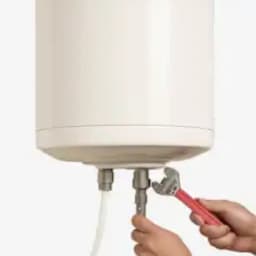
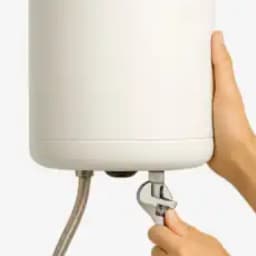
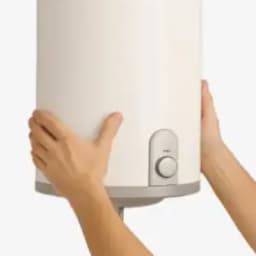
Installing, uninstalling, or relocating your geyser requires careful planning and execution to ensure safety and efficiency. Whether you're upgrading your appliance or moving to a new location, following these best practices can help.
Ensure the installation area is well-ventilated.
Use proper mounting brackets to secure the geyser safely.
Check for leaks after installation to prevent water damage.
Disconnect power before uninstalling for safety.
Consider hiring professionals for relocation to avoid damaging components.
Maximizing Energy and Water Efficiency for Your Geyser in Bansi
To reduce energy consumption and lower utility bills, it's essential to implement effective strategies for your geyser. Here are some energy and water efficiency tips.
Lower the thermostat setting to 60°C for optimal energy use.
Insulate hot water pipes to retain heat.
Limit the duration of hot water usage during peak hours.
Perform regular maintenance to ensure efficient operation.
Consider using a timer to schedule heating times when needed.
