


If you want to ensure your geyser operates effectively and efficiently, regularly checking its settings can make a significant difference. In Chandpur, our geyser repair service is designed to help homeowners maintain their appliances in peak condition. With the varying models and features available today, it’s essential to understand how each type can affect servicing needs.
Owner Do's and Don'ts Between Geyser Services
To keep your geyser functioning optimally between repair services, there are several important do's and don'ts for owners. Do check the pressure relief valve periodically to avoid excessive pressure buildup, which can lead to leaks or failures. Don't ignore unusual noises or odd smells; these can indicate potential issues that may worsen over time. Regularly inspect the thermostat settings to ensure they are set correctly for your needs.
Installation, Uninstallation and Relocation Care for Geysers in Chandpur
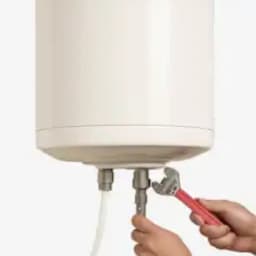
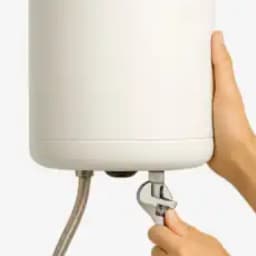
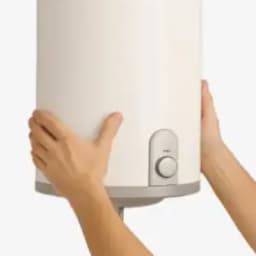
Proper handling during installation or relocation is critical for your geyser's longevity and performance. Always place the geyser in a location that protects it from extreme temperatures and water exposure. When uninstalling, make sure to turn off the power supply and shut off the water inlet before disconnecting any pipes. If you plan to relocate your geyser, consult a professional technician for guidance on rerouting water lines safely.
How Servicing Differs Across Geyser Model Types and Capacities
Different models of geysers—such as storage vs. instantaneous—require tailored servicing approaches due to their operational differences. Storage geysers often need regular sediment flushing because mineral buildup can hinder performance, while instantaneous models focus more on electrical component checks since they heat water on demand. Additionally, larger capacity units might necessitate more frequent inspections than smaller ones to manage wear effectively.
Energy and Water Efficiency Tips for Your Geyser in Chandpur
Maximizing energy efficiency not only saves on utility bills but also extends your geyser's lifespan. Set your thermostat at 60 degrees Celsius (140 degrees Fahrenheit) to strike an optimal balance between comfort and energy savings. Consider insulating the pipes leading from your geyser; this reduces heat loss during transmission. Furthermore, turning off the geyser when not in use can prevent unnecessary energy consumption.
Maintaining Performance During Seasonal Changes
Essential Seasonal Maintenance Checklist for Your Geyser in Chandpur
Regular seasonal maintenance is crucial for ensuring the longevity and efficiency of your geyser. Here’s a practical checklist to follow as the seasons change:
Inspect the heating element for wear and tear.
Flush the tank to remove sediment buildup.
Check the temperature settings to ensure they are optimal.
Examine the pressure relief valve for proper functioning.
Inspect insulation around pipes to prevent heat loss.
Early Warning Signs Your Geyser Needs Attention
Being aware of the early warning signs can help you address geyser issues before they escalate. Watch out for the following indicators:
Unusual noises such as popping or rumbling sounds.
Discoloration or rust on the exterior.
Water leaks around the base of the geyser.
Inconsistent water temperature or inadequate heating.
An increase in energy bills without clear reason.
The Role of Genuine Spare Parts in Geyser Repair Services
Using genuine spare parts for geysers is crucial to ensure durability and optimal performance. Many components can wear out over time, and opting for counterfeit alternatives can lead to frequent breakdowns and safety hazards. Genuine parts are specifically designed to fit your geyser model, reducing the risk of complications during installation or repair.
Heating elements
Thermostats
Pressure relief valves
Anode rods
Common Geyser Issues and How Technicians Diagnose Them
Understanding the common faults that afflict geysers in Chandpur can help in seeking timely repair. Issues such as inconsistent heating, water leaks, and strange noises are often encountered. A qualified technician employs a systematic approach to diagnose the underlying problems, which may include checking the electrical connections, assessing water pressure, or inspecting the thermostat.
Inconsistent or no hot water: possible heating element failure
Leaks: worn-out seals or fittings
Unusual noises: sediment buildup or failing components
Increased energy bills: inefficiencies in heating mechanism
