

Complete Guide to Professional Air Conditioning Setup Services in Your City
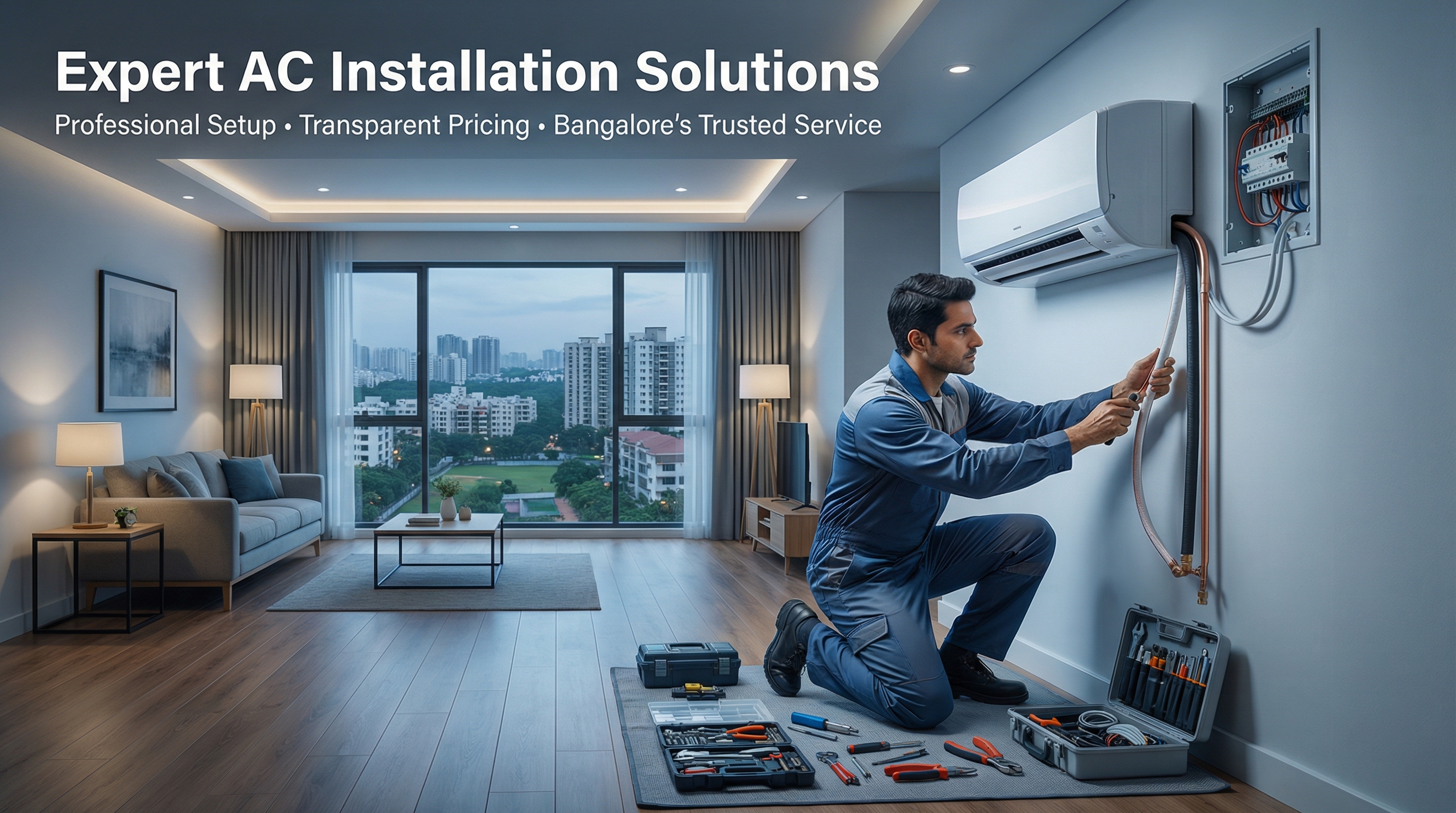
Professional Air Conditioner Installation in Bangalore: Complete Cost Guide and Expert Solutions
Installing a cooling system in your home or office is more than just mounting a unit on the wall. It requires technical expertise, proper planning, and understanding of various factors that affect performance and longevity. In metropolitan areas like Bangalore, where temperatures can soar during summer months, having a properly installed cooling system becomes essential for comfortable living and working conditions. Many homeowners and businesses underestimate the complexity involved in setting up these systems, leading to inefficient performance, higher electricity bills, and frequent breakdowns.
The demand for professional cooling system setup has grown exponentially in recent years as more people recognize the importance of expert installation over DIY attempts. A correctly installed unit operates at optimal efficiency, consumes less power, and requires minimal maintenance over its lifespan. Conversely, improper installation can void warranties, create safety hazards, and result in costly repairs down the line. The process involves careful assessment of room dimensions, electrical requirements, positioning for optimal airflow, and ensuring proper drainage systems.
Finding reliable technicians who understand the nuances of different cooling system models and brands can be challenging. The market is flooded with service providers, but not all possess the necessary qualifications, experience, or equipment to handle modern cooling units with advanced features. Homeowners often struggle to differentiate between genuine professionals and untrained workers who may compromise on installation quality to offer lower prices. This guide addresses these concerns by providing comprehensive information about the entire installation process.
Understanding the financial aspect is equally important when planning to install a cooling system. Costs vary significantly based on multiple factors including unit type, tonnage, location accessibility, additional materials required, and the complexity of electrical work needed. Having clear information about pricing structures helps consumers make informed decisions and avoid being overcharged. This article provides detailed insights into every aspect of professional cooling system setup, helping you navigate through options and make the best choice for your specific needs.
Understanding the Complete Installation Process
The installation journey begins long before technicians arrive at your doorstep. A professional service starts with a site inspection where experts evaluate the space, identify optimal mounting locations, and assess electrical infrastructure. This preliminary assessment determines whether existing electrical circuits can handle the load or if upgrades are necessary. Technicians also check for structural integrity to ensure walls can support the unit's weight and vibrations during operation.
The actual installation involves multiple stages requiring specialized tools and knowledge. Wall mounting requires precise measurements and drilling, ensuring the indoor unit is level and positioned at the correct height for maximum efficiency. The outdoor compressor placement demands consideration of factors like ventilation, noise levels, and protection from direct sunlight or rain. Connecting refrigerant lines between indoor and outdoor units requires specialized skills, as improper handling can lead to gas leakage and reduced cooling capacity.
Electrical connections form a critical component where shortcuts can create serious hazards. Professional technicians ensure proper wiring with appropriate gauge cables, dedicated circuits, and safety mechanisms like MCBs (Miniature Circuit Breakers) to prevent overloading. They also install stabilizers when necessary to protect expensive equipment from voltage fluctuations, which are common in many areas. Testing the complete system after installation ensures everything functions correctly before technicians leave the premises.
Drainage setup often receives insufficient attention during installation, leading to water leakage problems later. Proper condensate drain pipe installation with adequate slope prevents water accumulation and ensures smooth drainage. Some installations require drain pumps when gravity drainage isn't feasible. Thorough testing of the drainage system during installation prevents future headaches related to water damage and mold growth.
Cost Components and Price Range Expectations
When budgeting for your cooling system setup, understanding the complete cost breakdown helps avoid surprises. The primary expense is the unit itself, which varies based on tonnage, energy efficiency ratings, and brand positioning. However, installation costs form a significant portion of the overall investment and can range widely depending on complexity and location accessibility.
Basic installation for standard split units typically includes mounting brackets, copper piping up to a certain length, electrical connections, and testing. Most service providers offer package deals that cover these essentials. However, additional requirements like extra piping beyond the standard length, stand fabrication for outdoor units, wall core drilling through thick walls, and stabilizer installation incur extra charges. Understanding these potential additions helps create realistic budgets.
In metropolitan areas, installation expenses generally range from three to eight thousand rupees for standard residential split units. Window units cost less to install due to simpler requirements, while cassette and duct systems command premium charges due to complexity. Commercial installations with higher tonnage units or multiple systems require customized quotes based on specific project requirements. Labour costs also vary based on the reputation and expertise level of the service provider.
Hidden costs often catch consumers off guard. These include expenses for electrical upgrades when existing circuits cannot handle the load, additional piping for units positioned far from outdoor compressors, special brackets for difficult mounting locations, and permits in certain residential complexes. Requesting detailed quotations that itemize all potential charges helps avoid disputes and budget overruns. Reputable service providers offer transparent pricing with clear explanations of each cost component.
Common Installation Challenges and Their Solutions
Many installations encounter obstacles that inexperienced technicians struggle to address properly. Wall thickness presents frequent challenges, particularly in older buildings with stone or double-brick construction. Standard core bits may prove inadequate, requiring specialized equipment and additional time. Professional services come prepared with appropriate tools for various wall types, ensuring clean holes without structural damage.
Electrical infrastructure inadequacy creates another common hurdle. Older homes often lack dedicated circuits for high-power cooling units, necessitating panel upgrades or new circuit installations. Voltage fluctuations in certain areas require stabilizer installations to protect sensitive electronic components. Experienced technicians identify these issues during preliminary assessments and provide solutions before beginning installation, preventing mid-project complications.
Space constraints in compact urban homes require creative problem-solving. Limited exterior wall access, neighboring building proximity, and aesthetic considerations influence outdoor unit placement. Skilled installers suggest alternative mounting solutions like rooftop installations, balcony placements with proper permissions, or ground-level stands while maintaining optimal performance parameters. They balance functional requirements with space limitations and visual appeal.
Drainage challenges arise frequently in apartments and multi-story buildings where standard gravity drainage isn't possible. Solutions include condensate pumps that actively push water to designated drainage points, concealed piping that maintains aesthetic appeal, and alternative drainage routes that comply with building regulations. Professional services navigate these complexities while ensuring installations meet all safety and regulatory standards.
Different System Types and Installation Variations
Split systems represent the most popular choice for residential installations, consisting of separate indoor and outdoor units connected by refrigerant lines. Their installation requires wall mounting for the indoor unit, outdoor compressor placement, and connecting pipework. The flexibility in positioning makes them suitable for various room configurations, though installation complexity increases with distance between units.
Window units offer simpler installation requiring only a properly sized window opening and electrical connection. These self-contained systems need support brackets and sealing around edges to prevent air leakage and water seepage. While installation is straightforward, proper fitting is essential for efficient operation and preventing window damage. They work best for smaller spaces where split system installation isn't feasible or cost-effective.
Cassette and ducted systems cater to commercial spaces and larger homes requiring centralized cooling. Installation involves ceiling mounting, ductwork installation, and integration with false ceiling designs. These complex systems demand professional expertise in HVAC design, ensuring proper airflow distribution across multiple rooms. Installation timelines extend beyond standard split units due to complexity and coordination with other construction activities.
Portable units require minimal installation, mainly involving exhaust hose setup through windows or wall openings. However, professional guidance on optimal positioning and proper exhaust venting ensures maximum efficiency. These units suit temporary cooling needs or rental properties where permanent installation isn't practical. Understanding the appropriate system type for specific situations helps make informed purchasing and installation decisions.
Professional Service Providers and Brand Considerations
The market features numerous service providers specializing in cooling system installations across Bangalore and other metropolitan areas. Doctor Fresh offers comprehensive installation services backed by trained technicians experienced with various brands and models. Their systematic approach includes pre-installation assessment, transparent pricing, and post-installation support, ensuring customer satisfaction throughout the process.
RO Care India, while primarily known for water purification solutions, has expanded services to include cooling system installations. Their multi-service approach provides convenience for customers seeking various home appliance solutions from a single provider. Mannubhai Service Expert has built reputation through decades of experience in home appliance installations and maintenance, offering reliable services across multiple brands.
Major cooling system manufacturers like Kent, Aquaguard, Aquafresh, Pureit, Blue Star, and LG operate authorized service networks providing brand-specific installation expertise. These manufacturer-backed services ensure installations follow brand guidelines, maintaining warranty validity and optimal performance. Blue Star, with its extensive presence in commercial and residential cooling, offers specialized installation teams for complex projects requiring design integration.
Choosing between independent service providers and brand-authorized services depends on various factors. Brand services ensure adherence to manufacturer specifications and often provide extended warranty benefits. Independent providers may offer competitive pricing and faster scheduling flexibility. Evaluating credentials, customer reviews, warranty terms, and service comprehensiveness helps identify the best fit for specific requirements. Requesting references and verifying technician qualifications provides additional confidence in service quality.
Preparation Steps Before Installation Day
Proper preparation ensures smooth installation and prevents unnecessary delays or complications. Clearing the installation area of furniture, wall decorations, and obstacles provides technicians unimpeded access to work efficiently. Protecting valuable items and covering furniture near work zones prevents dust or water damage during drilling and testing activities.
Confirming electrical readiness prevents mid-installation surprises. Verifying that electrical panels can accommodate additional circuits, checking for proper grounding, and ensuring MCB availability helps avoid electrical work delays. In some cases, coordinating with electricians before installation day ensures all electrical prerequisites are met, allowing cooling system technicians to complete their work without interruptions.
Securing necessary permissions forms an important step, particularly in apartment complexes with strict installation guidelines. Many housing societies require prior approval for outdoor unit placement, drilling activities, and drainage routing. Obtaining these clearances before scheduling installation prevents conflicts with management and ensures compliance with community regulations. Sharing installation plans with neighbors also maintains good relations and addresses concerns proactively.
Discussing specific requirements with service providers beforehand ensures alignment on expectations. Clarifying working hours, number of technicians, estimated completion time, and cleanup responsibilities prevents misunderstandings. Requesting confirmation of materials and tools they'll bring versus items you need to arrange ensures everything necessary is available on installation day. Clear communication establishes professional relationships and smooth project execution.
Post-Installation Considerations and Maintenance Planning
The installation completion marks the beginning of your cooling system's operational life. Requesting detailed demonstrations ensures understanding of all features, settings, and basic troubleshooting. Learning proper operation maximizes efficiency and comfort while preventing user errors that might damage the system. Technicians should explain remote control functions, timer settings, temperature optimization, and mode selections.
Documentation collection forms a crucial step often overlooked in installation excitement. Ensuring you receive installation certificates, warranty cards, user manuals, and service contact information protects your investment. These documents become essential for warranty claims, future service requests, and resale situations. Photographing installation details like refrigerant pressure readings and electrical connections provides reference for future maintenance needs.
Scheduling regular maintenance prevents performance degradation and extends system lifespan. Professional servicing every six months includes filter cleaning, refrigerant level checks, electrical connection inspections, and condensate drain cleaning. Many service providers offer annual maintenance contracts providing scheduled servicing at discounted rates compared to on-demand service calls. Preventive maintenance proves more economical than reactive repairs for neglected systems.
Understanding warranty coverage and claim processes ensures protection against manufacturing defects or installation issues. Most comprehensive warranties cover compressor failures, gas leakage, and electronic component malfunctions for specified periods. However, warranties often become void due to servicing by unauthorized technicians or improper usage. Following manufacturer guidelines for maintenance and repairs protects warranty benefits throughout the coverage period.
Bringing Everything Together for Optimal Cooling Comfort
Professional installation of cooling systems represents a significant investment in home comfort and property value. The complexity involved in proper setup justifies engaging qualified technicians rather than attempting DIY installation or hiring inexperienced workers. Understanding the complete process, from initial assessment through final testing, empowers consumers to make informed decisions and ensures installations meet quality standards.
Cost considerations extend beyond initial installation expenses to include long-term operational efficiency and maintenance requirements. Properly installed systems consume less electricity, require fewer repairs, and deliver consistent performance for years. Investing in quality installation services ultimately proves more economical than addressing problems arising from substandard work. Transparent pricing from reputable service providers eliminates uncertainty and builds trust.
The variety of system types available means selecting the right option for specific spaces and requirements. Whether choosing split systems for residential applications, cassette units for commercial spaces, or window models for compact areas, proper installation remains critical for optimal performance. Professional guidance helps navigate these choices, considering factors like room dimensions, usage patterns, and budget constraints.
Establishing relationships with reliable service providers ensures ongoing support beyond initial installation. Regular maintenance, prompt troubleshooting, and genuine spare parts availability contribute significantly to system longevity and performance. Engaging professionals who demonstrate technical expertise, transparent communication, and customer-focused approaches creates peace of mind and comfortable living environments throughout your cooling system's operational life.
Frequently Asked Questions
Q - What factors influence the cost of cooling system installation in Bangalore?
A - Installation costs depend on several key factors including the unit's tonnage and type, complexity of electrical work required, distance between indoor and outdoor units requiring additional piping, wall thickness necessitating special drilling equipment, and accessibility of the installation location. Additional expenses may arise from electrical circuit upgrades, stabilizer installations to protect against voltage fluctuations, special mounting brackets for challenging locations, and drainage pump requirements when gravity drainage isn't feasible. Standard residential split unit installations typically range from three to eight thousand rupees, while commercial systems require customized quotes based on project complexity.
Q - How long does a typical cooling system installation take, and what preparation is needed?
A - A standard residential split system installation typically takes 3-4 hours, though complex situations may require additional time. Proper preparation significantly streamlines the process: clear the installation area of furniture and wall decorations, verify electrical panel capacity and grounding, secure necessary permissions from housing societies or apartment management, and confirm all materials are available. Discussing specific requirements with service providers beforehand, including working hours and cleanup expectations, prevents misunderstandings. For apartments, obtaining approvals for outdoor unit placement and drilling activities before scheduling installation avoids delays and compliance issues.
Q - What are the most common problems that occur during installation and how are they resolved?
A - Thick walls in older buildings often require specialized core drilling equipment beyond standard tools, which experienced technicians come prepared to handle. Inadequate electrical infrastructure may necessitate panel upgrades or dedicated circuit installations, issues identified during preliminary assessments by professional services. Space constraints in urban homes require creative solutions like rooftop or balcony mounting while maintaining performance standards. Drainage challenges in multi-story buildings are addressed through condensate pumps that actively push water to drainage points or alternative routing that complies with building regulations. Professional installers anticipate these obstacles and implement appropriate solutions.
Q - How does proper installation affect long-term system performance and maintenance costs?
A - Correctly installed systems operate at optimal efficiency, consuming significantly less electricity and reducing monthly operational costs. Proper refrigerant line connections prevent gas leakage that reduces cooling capacity, while appropriate electrical wiring with safety mechanisms prevents hazards and equipment damage. Well-designed drainage systems eliminate water accumulation problems that lead to mold growth and structural damage. Systems installed by qualified technicians require less frequent repairs and experience fewer breakdowns, making preventive maintenance more economical than reactive fixes. Additionally, proper installation maintains warranty validity, protecting your investment against manufacturing defects throughout the coverage period.