

Does Your Microwave Oven Need Repair? 7 Warning Signs You Should Never Ignore
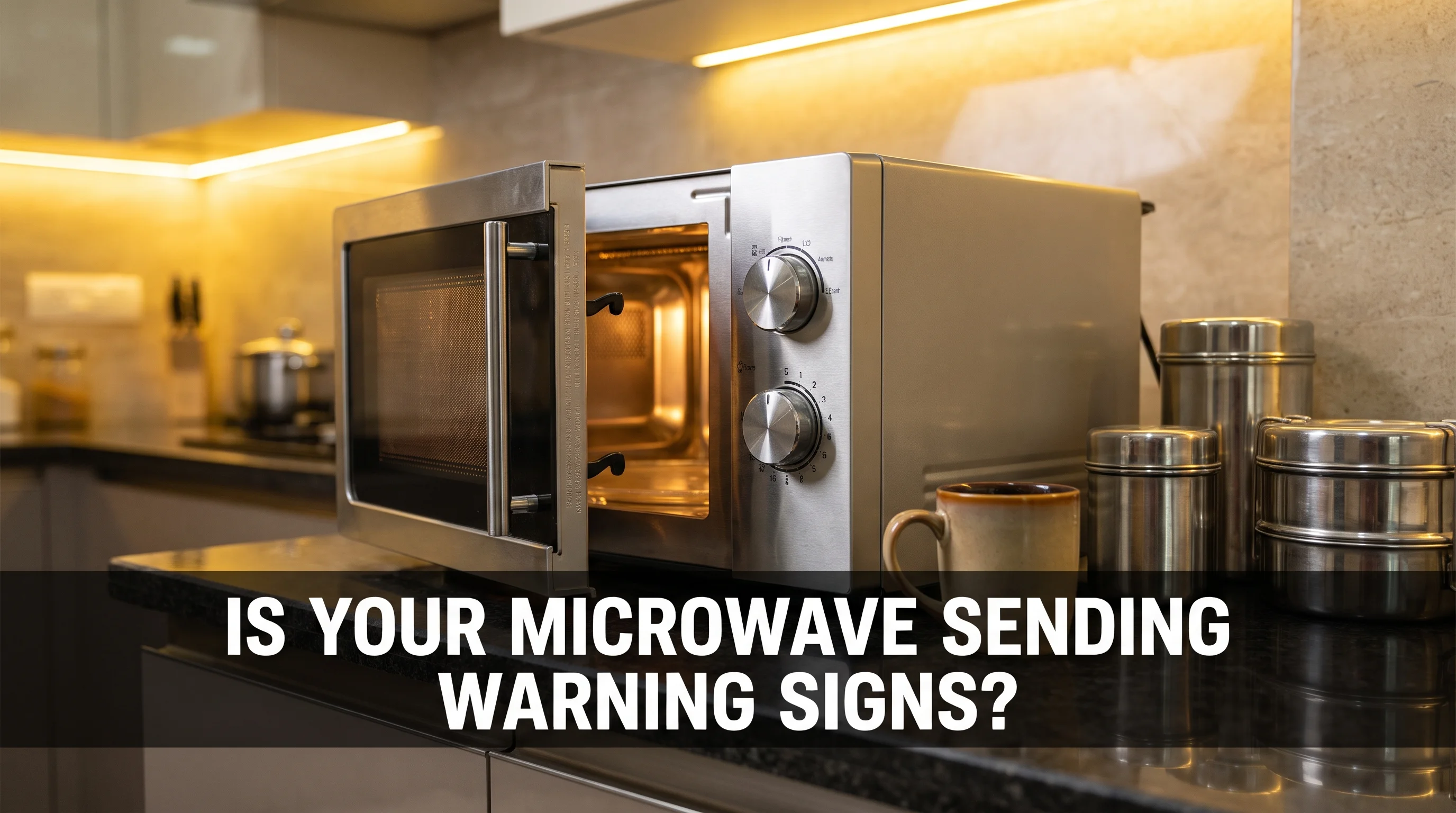
Does Your Microwave Oven Need Repair? 7 Warning Signs You Should Never Ignore
Your microwave oven has become an indispensable kitchen companion, heating your morning coffee, reheating last night's dinner, and defrosting frozen foods in minutes. Most Indian households use their microwave ovens multiple times daily, making this appliance one of the most hardworking devices in the kitchen. But when was the last time you actually checked whether your microwave is functioning properly? Many homeowners ignore subtle warning signs until their appliance completely breaks down, leaving them scrambling for urgent repair solutions.
Understanding when your microwave needs professional attention can save you from expensive replacement costs and potential safety hazards. A malfunctioning microwave does not just mean inconvenience; it can pose serious risks to your family's safety and health. Whether you live in a bustling city or a smaller town, recognizing these warning signs early can help you connect with reliable Microwave Oven Repair Service in Satna or your local area before minor issues escalate into major problems.
The good news is that most microwave problems show clear symptoms before complete failure. From unusual noises to uneven heating patterns, your appliance communicates its distress in multiple ways. Professional technicians can often restore your microwave to optimal performance if you catch these issues early enough. Delaying repairs typically leads to more extensive damage, higher repair costs, or the need for complete replacement.
In this comprehensive guide, we will explore seven critical warning signs that indicate your microwave oven urgently needs professional repair services. Each symptom represents a specific underlying problem that requires immediate attention. By the end of this article, you will know exactly what to watch for, why these signs matter, and when to contact expert technicians for microwave repair or nearby locations.
Remember, a well-maintained microwave can serve your family efficiently for 8-10 years or longer. Ignoring warning signs not only shortens your appliance's lifespan but also increases energy consumption and compromises food safety. Let us dive into these seven crucial indicators that your microwave is crying out for professional help.
Warning Sign 1: The Microwave Does Not Heat Food Properly
One of the most common and frustrating issues homeowners face is when their microwave runs but fails to heat food adequately. You might notice that items remain cold or lukewarm even after extended heating cycles. This problem typically indicates a failing magnetron, which is the heart of your microwave responsible for generating heat through electromagnetic waves.
The magnetron converts electrical energy into microwave radiation that heats your food. When this component begins failing, you will experience inconsistent heating patterns. Sometimes food heats on one side but remains cold on the other. Other times, the microwave might take significantly longer than usual to achieve the desired temperature. These symptoms should never be ignored because a completely failed magnetron means your microwave becomes entirely useless for its primary purpose.
Several factors can cause magnetron failure. Normal wear and tear over years of use is the most common reason. Running your microwave empty or heating inappropriate items like metal can also damage this critical component. Additionally, power surges and voltage fluctuations, which are unfortunately common in many Indian cities, can shorten the magnetron's lifespan.
Before assuming the worst, check whether your microwave's turntable rotates properly. Uneven heating sometimes occurs simply because the turntable motor has stopped working, preventing food from receiving uniform exposure to microwaves. Also verify that you are using microwave-safe containers, as certain materials can interfere with heating efficiency.
If you have ruled out these simple causes and your microwave still fails to heat properly, it is time to contact professionals offering repair services in your locality. Magnetron replacement requires technical expertise and proper tools. Attempting DIY repairs on high-voltage components is extremely dangerous and should never be tried without proper training. Professional technicians can diagnose the exact issue, replace faulty parts, and test your microwave to ensure it operates safely.
Warning Sign 2: Strange Noises During Operation
A properly functioning microwave operates with a consistent, quiet humming sound. If your appliance suddenly starts producing unusual noises like grinding, buzzing, rattling, or loud humming, something has definitely gone wrong internally. Different sounds indicate different problems, and understanding what each noise means can help you communicate effectively with repair technicians.
Grinding or scraping sounds typically point to turntable issues. The roller guide supporting the turntable might be damaged, or food particles might have accumulated under the turntable, causing friction. This is often the simplest problem to fix. Remove the turntable and roller guide, clean thoroughly, and check for cracks or damage. If the noise persists after cleaning, the turntable motor itself may need replacement.
Loud buzzing or humming that differs from normal operation usually indicates a problem with the high-voltage diode, magnetron, or transformer. These components operate at extremely high voltages and produce electromagnetic fields. When they begin failing, they can create unusual sounds. This type of noise requires immediate professional attention because failing high-voltage components pose serious electrical and fire hazards.
Rattling sounds might suggest loose internal components. Microwaves contain various brackets, screws, and mounting hardware that can loosen over time due to vibration. While this might seem minor, loose parts can interfere with other components or cause short circuits. What starts as an annoying rattle can quickly evolve into a serious malfunction.
Clicking sounds that occur repeatedly might indicate a problem with the door switches or the control board. Microwaves have multiple safety switches that prevent operation when the door is not properly closed. Faulty switches can cause the microwave to turn on and off repeatedly, producing clicking sounds. This not only disrupts cooking but also indicates a potential safety issue that needs immediate resolution.
Never ignore strange noises from your microwave. While some issues like turntable problems are relatively minor, others indicate serious internal damage requiring expert intervention. Technicians providing Microwave Oven Repair Service in Hubli, Satna, or your area can accurately diagnose noise-related problems and implement appropriate solutions before they escalate.
Warning Sign 3: The Display Panel Malfunctions or Shows Error Codes
Modern microwave ovens feature digital display panels that show cooking time, power levels, and various settings. When this display starts acting erratically, showing random numbers, flickering, going completely blank, or displaying error codes, it signals underlying electrical or control board issues that require professional attention.
A completely blank display while the microwave still operates suggests a problem with the display panel itself or its connection to the control board. Sometimes loose wiring or corroded connections cause this issue. If caught early, technicians can often resolve it by cleaning connections or replacing the display panel without needing to replace the entire control board.
Flickering or dimming displays indicate inconsistent power supply to the display components. This might result from voltage fluctuations, failing transformers, or issues with the control board's power regulation circuit. Such problems can progressively worsen, eventually affecting the microwave's ability to function at all.
Error codes appearing on the display provide valuable diagnostic information. Different manufacturers use different code systems, but these codes typically indicate specific malfunctions detected by the microwave's internal sensors. Common error codes relate to temperature sensor failures, door switch problems, or communication issues between components. Writing down the exact error code before contacting repair services helps technicians prepare appropriate replacement parts.
Touch panel malfunctions represent another common display-related issue. If buttons become unresponsive, require multiple presses to register, or activate different functions than intended, the touch panel membrane has likely degraded. This deterioration occurs naturally over time but accelerates in humid environments or with aggressive cleaning using harsh chemicals.
Some homeowners attempt to address display issues by unplugging the microwave for several minutes to reset the system. While this sometimes temporarily resolves minor glitches, recurring display problems indicate genuine hardware issues requiring professional repair. Experts offering repair services can replace faulty control boards, repair connections, or install new display panels to restore full functionality.
Warning Sign 4: The Door Does Not Close Properly or Seal is Damaged
Your microwave door serves a critical safety function beyond simply keeping your food contained during cooking. It contains special mesh screening that prevents microwave radiation from escaping while allowing you to see inside. When the door does not close properly, latch correctly, or shows visible damage to the seal, you face both efficiency losses and serious safety concerns.
A damaged or deteriorated door seal allows microwave radiation to leak during operation. While modern microwaves have multiple safety mechanisms to prevent operation when the door is open, a poorly sealing door that still triggers the safety switches can allow harmful radiation exposure. Additionally, escaping microwaves mean reduced heating efficiency, longer cooking times, and higher energy consumption.
Common door-related problems include broken hinges, worn latches, damaged seals, and bent door frames. Physical damage from accidental impacts or forceful closing often causes these issues. Sometimes the door alignment shifts over time, preventing proper closure even without visible damage. You can test your door seal by placing a piece of paper between the door and frame, closing the door, and trying to pull the paper out. If it slides out easily, the seal is not functioning properly.
The door switches represent another critical safety component. Microwaves typically have three or four door switches that must all engage properly for the appliance to operate. These switches prevent the magnetron from generating microwaves when the door is open. Faulty door switches can cause the microwave to not start at all, or conversely, to continue operating even when the door is slightly ajar, which is extremely dangerous.
Some door issues might seem cosmetic but indicate structural problems. Cracks in the door's interior panel, even small ones, can compromise the radiation shielding. Loose or missing screws around the door frame can affect alignment and seal integrity. Any visible damage to the door, especially around the viewing window or the perforated metal mesh, warrants immediate professional inspection.
Never use a microwave with a damaged door or faulty seal. The potential health risks from radiation exposure far outweigh any inconvenience of arranging repairs. Contact providers of Microwave Oven Repair Service in Itanagar or your location immediately if you notice any door-related issues. Professional technicians can replace seals, adjust alignment, repair hinges, or recommend door replacement when necessary.
Warning Sign 5: Sparking or Arcing Inside the Microwave Cavity
Seeing sparks or flashes of light inside your microwave during operation is alarming and indicates a serious problem requiring immediate attention. While a small spark from a metallic decoration on dishware is relatively harmless, consistent arcing signals potentially dangerous issues that could lead to fire or complete appliance failure.
Arcing occurs when electrical current jumps through air between two conductive points. Inside a microwave, several conditions can cause this phenomenon. The most common cause is damaged or deteriorated waveguide cover. This thin, usually rectangular piece covers the opening where microwaves enter the cooking cavity. Made from mica or similar materials, it prevents food particles and grease from entering the magnetron chamber. When this cover becomes burned, stained, or damaged, it can cause arcing.
Peeling or damaged interior paint also causes sparking. Microwave cavity walls have special paint that reflects microwaves efficiently. When this paint chips or peels, exposing the metal underneath, electrical arcing can occur at these exposed spots. This problem typically develops gradually, starting with small sparks and progressively worsening as more paint deteriorates.
Metal objects inside the microwave obviously cause sparking, but sometimes the culprit is not obvious. Staples in paper towels, metallic trim on dishes, recycled paper with metallic flecks, or even metal twist ties accidentally left on food packaging can all cause dramatic sparking. Before assuming an internal problem, carefully inspect everything you place in the microwave.
A failing magnetron can also produce arcing. As this critical component deteriorates, it may generate irregular electromagnetic fields that cause sparking within the magnetron chamber itself. This type of arcing often appears near the waveguide cover but originates from deeper within the appliance. It typically accompanies other symptoms like reduced heating efficiency or unusual noises.
Never ignore sparking in your microwave. If you see arcing, stop the microwave immediately, unplug it, and avoid using it until a professional inspects it. Continued operation with arcing problems can damage other components, create fire hazards, or cause complete system failure. Technicians specializing in Microwave Oven Repair Service in Rewa and similar locations can identify the arcing source, replace damaged components, and ensure your microwave operates safely.
Warning Sign 6: Unusual Smells or Smoke Emissions
Any unusual odor or smoke coming from your microwave represents a serious warning sign that should never be ignored. While burning food naturally creates smoke and smells, odors or smoke appearing without burned food inside indicate electrical problems, overheating components, or material deterioration that requires immediate professional attention.
Electrical burning smells, often described as acrid or plastic-like, suggest wiring problems, overheating electrical components, or failing insulation. These odors typically originate from the control board, internal wiring harnesses, or high-voltage components. Such smells often precede complete electrical failure or, in worst cases, electrical fires. If you detect this type of smell, unplug your microwave immediately and do not attempt to use it again until a qualified technician inspects it.
A continuous burning odor even after removing any burned food might indicate that food particles or grease have accumulated inside areas you cannot easily access. The waveguide cover, air vents, and cooling fan areas can trap food residue that gradually carbonizes with repeated heating cycles. This creates persistent burning smells and potentially causes sparking or fires. Professional cleaning and component inspection can resolve these issues.
Smoke emerging from ventilation areas or the door seal indicates serious overheating. This might result from blocked ventilation causing the cooling fan motor or transformer to overheat. Alternatively, it could signal a failing magnetron operating at excessive temperatures. Smoke always represents an immediate fire hazard and demands urgent professional intervention.
Chemical or plastic smells might indicate that plastic components inside the microwave have begun melting due to excessive heat. This typically happens when cooling systems fail, allowing internal temperatures to rise beyond safe limits. Melting plastic not only damages your microwave but releases potentially harmful fumes into your kitchen environment.
Sometimes new microwaves emit slight odors during first uses as protective coatings and manufacturing residues burn off. However, any persistent, strong, or returning odors in an established appliance signal problems. Trust your senses when it comes to unusual smells or smoke. These warnings often precede catastrophic failures or fires. Immediately disconnect your microwave and contact professionals offering Microwave Oven Repair Service in Patna or nearby to prevent dangerous situations.
Warning Sign 7: The Microwave Trips Circuit Breakers or Causes Power Fluctuations
If your microwave repeatedly trips circuit breakers, dims lights when starting, or causes other electrical disturbances in your home, it indicates serious electrical problems that pose fire and electrocution hazards. These issues might originate within the microwave itself or involve your home's electrical system, but regardless of the source, they require immediate professional diagnosis.
Microwaves draw substantial electrical current, typically between 1000-1500 watts depending on capacity and power level. When functioning normally, they should operate without affecting other appliances or tripping breakers. Repeated breaker trips suggest the microwave is drawing excessive current due to internal short circuits, failing components, or deteriorated electrical connections.
A failing magnetron or transformer can cause current spikes that trip breakers. As these high-voltage components deteriorate, they may develop internal short circuits or grounding issues that dramatically increase current draw. This not only trips breakers but creates fire hazards and poses electrocution risks to anyone using the appliance.
Is your microwave showing unusual behaviour? Learn more about the critical warning signs that indicate your appliance needs professional attention before minor issues become major safety hazards. Discover how regular maintenance and early detection can extend your microwave's lifespan while protecting your family. Stay informed about common microwave problems and explore further resources on appliance care to keep your kitchen running smoothly and safely.
Related Blogs
- How to Get the Best deal for the Air Conditioner
- Professional Water Purification Setup Services and Expert Solutions in Delhi NCR
- Complete Guide to Air Conditioning Maintenance and Repair Solutions in Mumbai
- Complete Guide to Air Conditioning Setup and Service Solutions in Mumbai
- Understanding Professional Refrigerator Maintenance Services in Mumbai: A Complete Guide