

Complete Guide to Professional Water Purifier Maintenance and Repair Services in India's Tech Capital
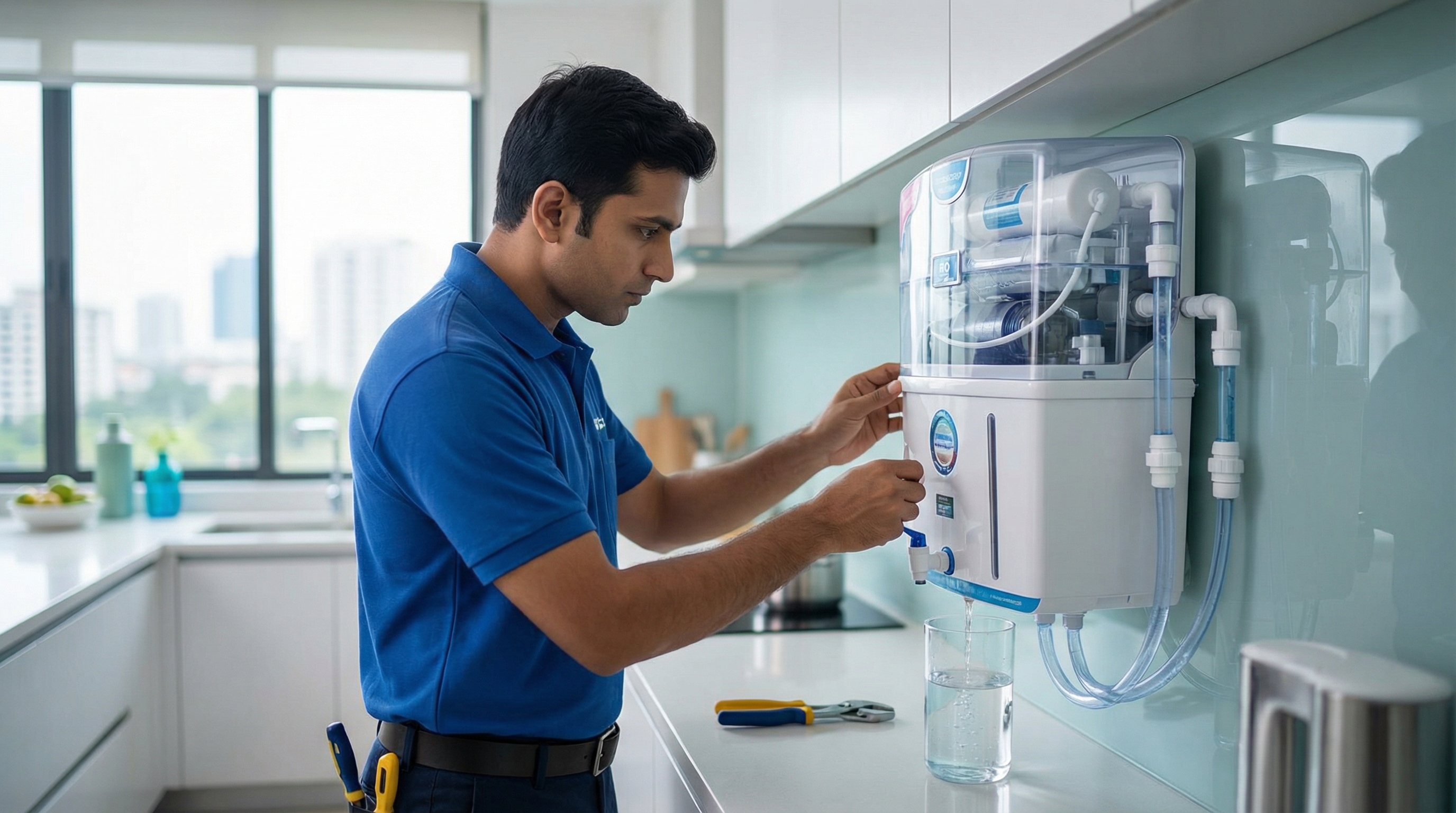
Professional RO Water Purifier Repair Services in Bangalore - Expert Maintenance Solutions and Cost Guide
Access to clean drinking water remains a fundamental necessity for every household and commercial establishment. With increasing concerns about water contamination and quality degradation in urban areas, water purification systems have become an essential appliance in modern homes. These systems work continuously to filter out impurities, bacteria, and dissolved solids, ensuring that families have access to safe drinking water at all times. However, like any mechanical system with multiple components, these purifiers require regular maintenance and occasional repairs to function optimally.
The silicon city, known for its thriving technology sector and rapidly growing population, faces unique water quality challenges that make reliable water purification systems indispensable. Hard water, high levels of Total Dissolved Solids, and seasonal variations in water quality create additional stress on purification systems. Understanding the maintenance requirements, common problems, and associated expenses helps homeowners make informed decisions about keeping their water purification systems in excellent working condition.
Professional maintenance services have evolved significantly over the past decade, with trained technicians now equipped with advanced diagnostic tools and genuine replacement components. The service ecosystem has matured to provide comprehensive solutions ranging from routine filter changes to complex membrane replacements and electronic circuit repairs. This development has made it easier for consumers to access quality repair services without replacing entire systems prematurely.
Making the right choice when your water purifier malfunctions involves understanding the nature of the problem, estimated repair expenses, and selecting qualified service providers. This comprehensive guide explores every aspect of water purifier maintenance and repair, providing valuable insights into costs, common issues, preventive measures, and how to identify reliable service providers in your area.
Understanding Water Purifier Malfunction Indicators
Recognizing early warning signs of water purifier problems can prevent major breakdowns and expensive repairs. The most common indicator is reduced water flow, which typically suggests membrane clogging, filter saturation, or pump-related issues. When your purifier takes significantly longer to fill a glass or produces a thin stream instead of normal flow, immediate attention is required to prevent complete system failure.
Unusual sounds during operation signal mechanical problems that should not be ignored. A properly functioning purification system operates relatively quietly, with only subtle sounds from the pump and water flow. Grinding noises, excessive vibration, or continuous humming when the storage tank is full indicate pump damage, loose components, or electrical malfunctions. These symptoms often worsen rapidly if not addressed promptly.
Water quality changes represent another critical warning sign requiring immediate investigation. If purified water develops an unusual taste, odor, or appears cloudy, the filtration system has likely failed. This situation poses potential health risks and demands urgent professional assessment. Similarly, if the TDS meter shows readings above acceptable levels, the membrane or other purification stages are no longer functioning correctly.
Visible water leakage around the system, dripping from connections, or puddles beneath the unit indicate seal failures or damaged components. Even minor leaks waste significant water over time and can damage surrounding furniture or flooring. Additionally, frequent tank overflows, continuous rejection of water, or failure of the system to shut off automatically suggest problems with the automatic shut-off valve or pressure sensors.
Common Repair Requirements and Their Causes
Membrane replacement ranks among the most frequent repair needs for reverse osmosis systems. The semi-permeable membrane, which removes dissolved impurities and contaminants, typically lasts between two to three years under normal conditions. However, poor input water quality, inadequate pre-filtration, or neglected maintenance can reduce membrane life significantly. A failing membrane results in elevated TDS levels and compromised water quality.
Pre-filters and post-filters require replacement at regular intervals, usually every six to twelve months depending on water quality and usage patterns. Sediment filters trap visible particles and protect the membrane, while carbon filters remove chlorine and organic compounds. Neglecting timely filter replacements not only affects water quality but also damages the membrane, leading to more expensive repairs.
Pump malfunctions occur due to continuous operation, voltage fluctuations, or mechanical wear. The booster pump creates necessary pressure for the reverse osmosis process, and its failure stops water production completely. Symptoms include no water flow, unusual noises, or the pump running continuously without producing water. Pump issues often require professional diagnosis to determine whether repair or replacement is more economical.
Solenoid valve problems affect water flow control and system operation. These electromagnetic valves regulate water input and rejection during the purification cycle. When they malfunction, systems may reject excessive water, fail to shut off properly, or not start at all. Electronic circuit board failures, though less common, can cause various operational problems including complete system shutdown or erratic behavior.
Storage tank issues, particularly bladder failures, result in reduced water availability and frequent pump cycling. The internal bladder maintains air pressure that pushes purified water out when taps are opened. When it ruptures, the tank fills completely with water but provides minimal pressure and volume. Float valve problems in tanks can cause overflows or prevent proper filling.
Expense Considerations for Water Purifier Repairs
Basic filter replacement services represent the most economical maintenance requirement, with sediment and carbon filters being relatively affordable components. Most households require these replacements annually, making them predictable expenses in water purifier ownership. The specific expense depends on filter types, brand specifications, and whether original or compatible alternatives are used.
Membrane replacement constitutes a more significant investment but remains essential for maintaining water purity. The membrane is the heart of reverse osmosis systems, and genuine replacements ensure optimal performance and longevity. While compatible alternatives exist at lower price points, they may not match original specifications for rejection rates and durability. Professional installation ensures proper fitting and system optimization after membrane replacement.
Pump repairs or replacements vary considerably based on the system capacity and pump type. Smaller capacity systems designed for household use have less expensive pumps compared to commercial or high-capacity units. Sometimes pumps can be repaired by replacing internal components like capacitors or impellers, which costs substantially less than complete pump replacement. Qualified technicians can assess whether repair or replacement is more practical.
Component repairs including solenoid valves, flow restrictors, check valves, and connectors typically fall in the moderate expense range. These parts are essential for proper system function but are generally less expensive than membranes or pumps. However, labor charges for diagnosing and replacing these components can add to the total expense, particularly if multiple parts need attention simultaneously.
Circuit board repairs or replacements represent specialized work requiring technical expertise. Modern purifiers incorporate electronic controls for automation, UV lamp monitoring, and diagnostic functions. Board failures are relatively uncommon but can be expensive to address. Some service centers repair boards by replacing specific components, while others recommend complete board replacement depending on the nature of the failure.
Complete system servicing packages that include thorough cleaning, all filter replacements, system sanitization, and performance testing provide comprehensive maintenance. While the upfront investment is higher, these packages offer better value than addressing issues individually. Many professional service providers offer annual maintenance contracts that cover routine servicing at discounted rates.
Variations in Water Purification Systems
Reverse osmosis systems represent the most popular technology for removing dissolved impurities and achieving low TDS levels. These systems use semi-permeable membranes that filter out contaminants at the molecular level, producing highly purified water. They typically include multiple filtration stages with sediment filters, carbon filters, the RO membrane, and often a post-carbon filter for taste enhancement. These systems are ideal for areas with hard water or high dissolved solids.
Ultraviolet purification systems employ UV lamps to eliminate bacteria, viruses, and other microorganisms without altering water chemistry. These systems are effective when the primary concern is biological contamination rather than dissolved solids. UV systems require clear input water and regular lamp replacements, typically annually, to maintain disinfection effectiveness. They consume less water than RO systems since they do not generate rejection water.
Ultrafiltration systems use hollow fiber membranes with larger pore sizes than RO membranes, removing suspended particles, bacteria, and some viruses while retaining beneficial minerals. These systems operate without electricity and do not waste water through rejection. They suit applications where input water has low TDS but requires removal of physical impurities and microorganisms. Maintenance primarily involves periodic membrane cleaning and eventual replacement.
Activated carbon systems excel at removing chlorine, organic compounds, and improving taste and odor. These gravity-based or pressurized systems use activated carbon's adsorptive properties to trap contaminants. While they effectively address chemical contamination, they do not remove dissolved solids or all microorganisms. Regular carbon replacement is essential since exhausted carbon not only stops purifying but can release accumulated contaminants.
Multi-stage hybrid systems combine different technologies to address various water quality issues comprehensively. Common combinations include RO with UV, or UF with UV, providing both dissolved solids removal and microbiological disinfection. These systems offer complete protection but require maintenance appropriate to each technology component. Their complexity means repairs may involve specialists familiar with multiple purification technologies.
Alkaline or mineral-adding systems incorporate post-filtration stages that add beneficial minerals back into purified water or adjust pH levels. These systems address concerns about RO water being too pure or slightly acidic. The mineral cartridges require periodic replacement, and the additional components increase maintenance requirements slightly. They appeal to consumers seeking mineralized drinking water with health benefits.
Trusted Service Providers in the Water Purification Industry
Doctor Fresh has established itself as a reliable name for water purifier maintenance across multiple cities. Their service network covers various brands and technologies, with trained technicians capable of handling routine maintenance and complex repairs. The company emphasizes using quality replacement parts and provides transparent pricing before commencing work.
RO Care India specializes in comprehensive water purification system services with a focus on reverse osmosis technology. Their technicians receive regular training on new models and repair techniques. The company maintains an inventory of common replacement parts, enabling same-day repairs in many cases. Customer reviews frequently mention their responsive service and reasonable pricing structure.
Mannubhai Service Expert brings decades of experience in home appliance repairs, including water purification systems. Their multi-brand service capability means they can address issues across different manufacturers and technologies. The company has built a reputation for honest assessments, only recommending necessary repairs rather than unnecessary replacements.
Kent service centers provide authorized support for their range of water purifiers while some locations also service other brands. Their technicians have specialized training on Kent products and access to genuine replacement components. The company offers annual maintenance contracts that cover periodic servicing and priority support.
Aquaguard maintains an extensive service network through authorized service centers and trained technicians. As one of the pioneering brands in the Indian water purification market, their service infrastructure is well-developed. They provide both in-warranty and out-of-warranty support with clearly defined service charges and component costs.
Aquafresh offers service support through their network of authorized centers, focusing on timely response and quality repairs. Their service packages include routine maintenance and emergency breakdown support. The brand emphasizes customer education about proper usage and maintenance to prevent premature failures.
Pureit service centers cater to their range of water purifiers with specialized knowledge of their unique technologies. Their germkill kit and other proprietary components require specific replacement procedures that authorized technicians are trained to perform. The company provides clear information about replacement intervals for consumable components.
Blue Star leverages its extensive service network established through their air conditioning business to support water purifier customers. This infrastructure advantage means they can often provide quick response times and convenient service appointments. Their technicians handle both water purifiers and other home appliances.
LG service centers support their water purifier range alongside their extensive electronics and appliance portfolio. Customers benefit from the company's established service infrastructure and trained technician network. They offer transparent service charges and use genuine replacement components for repairs.
Selecting Qualified Service Professionals
Verifying technician credentials and company authorization ensures you receive competent service. Authorized service centers have direct relationships with manufacturers, access to genuine parts, and technicians trained on specific product lines. Independent service providers may offer competitive pricing but verify their experience with your particular purifier model and technology.
Reading customer reviews and testimonials provides valuable insights into service quality and reliability. Online platforms, local community groups, and neighborhood recommendations help identify service providers with consistent positive feedback. Pay attention to comments about punctuality, diagnostic accuracy, transparency in pricing, and long-term repair effectiveness.
Requesting detailed estimates before authorizing repairs protects against unexpected charges and helps compare service providers. Reputable technicians inspect the system, identify problems, and provide written estimates including parts and labor costs. Be cautious of providers who cannot give estimates or pressure immediate decisions without proper diagnosis.
Warranty coverage on repairs and replaced components indicates service provider confidence in their workmanship. Quality service centers typically offer warranties ranging from one to three months on repairs and longer periods on major component replacements. This protection is valuable if problems recur shortly after service.
Response time and service availability matter, especially for emergency repairs when your household is without purified water. Providers offering same-day or next-day service appointments demonstrate good customer support infrastructure. However, balance quick availability with service quality rather than choosing solely based on fastest response.
Preventive Maintenance for Extended System Life
Regular filter replacements according to manufacturer schedules prevent premature membrane damage and maintain water quality. Sediment filters trap particles that would otherwise clog the membrane, while carbon filters remove chlorine that degrades membrane material. Timely replacements cost less than membrane replacement and ensure consistent purification performance.
Periodic system sanitization eliminates biofilm buildup and bacterial growth in storage tanks and internal components. Professional sanitization involves using food-grade disinfectants, flushing all system components, and ensuring complete removal of sanitizing agents before resuming use. Annual sanitization is recommended even when systems appear to function normally.
Monitoring input water quality helps anticipate maintenance needs and adjust service intervals. Installing a sediment pre-filter before the main system protects internal components when input water quality is poor. Testing TDS levels periodically ensures the membrane is functioning correctly and alerts you to potential problems before water quality degrades noticeably.
Protecting electrical components from voltage fluctuations extends their lifespan and prevents sudden failures. Installing voltage stabilizers or surge protectors is particularly important in areas with unstable electrical supply. These simple additions protect expensive pumps and electronic controls from damage due to power surges or voltage drops.
Professional annual inspections catch developing problems before they cause system failures. Technicians can identify worn components, check for minor leaks, test pressure levels, and verify proper operation of all valves and sensors. Addressing small issues during routine inspections prevents inconvenient breakdowns and more expensive emergency repairs.
Finding Professional Services in Your Vicinity
Online search platforms provide convenient access to service providers operating in your specific area. Searching for water purifier repair services with your location helps identify nearby options. Review ratings, customer feedback, and service descriptions to narrow down choices before making contact.
Manufacturer customer service departments can direct you to authorized service centers closest to your location. Contacting the brand's helpline or checking their website often provides a list of authorized centers with contact information and service areas. This approach ensures you reach properly trained technicians familiar with your specific model.
Local community groups, neighborhood associations, and resident welfare groups often share recommendations for reliable service providers. These personal recommendations come with context about service quality, pricing fairness, and overall customer experience. Community members typically share both positive experiences and warnings about problematic providers.
Home service aggregator platforms list multiple service providers with customer ratings and approximate pricing information. These platforms often provide booking convenience and may offer service guarantees. However, verify that listed providers have relevant experience with water purifier repairs rather than general plumbing services.
Retailer references from stores where you purchased your water purifier can connect you with service providers they regularly work with or recommend. Established retailers typically have relationships with reliable service centers and can facilitate initial contact. Some retailers offer their own after-sales service or extended warranty programs.
Understanding Expense Factors in Repair Services
Brand and model influence repair expenses significantly due to varying component costs and availability. Premium brands often have higher-priced genuine parts but may offer better quality and longevity. Generic models might have cheaper components but finding exact replacements can be challenging. Imported systems may require longer wait times for specialized parts, increasing overall repair expenses.
Service provider type affects pricing structures, with authorized service centers typically charging more than independent technicians but offering manufacturer-backed warranties. Independent providers may use compatible parts rather than originals, reducing costs but potentially affecting performance or longevity. Comparing quotes from different provider types helps find the best balance between cost and quality.
Geographical location within the city impacts service charges due to travel distances and regional cost variations. Service providers in central areas may charge differently than those in peripheral neighborhoods. Some companies charge travel fees beyond certain distances, while others include travel in their standard service charges. Clarifying these details prevents surprise additions to final bills.
Problem complexity naturally affects repair time and costs. Simple filter replacements take minimal time and involve only parts costs plus basic service charges. Complex issues requiring extensive diagnosis, multiple component replacements, or specialized technical expertise increase both labor time and total expenses. Emergency or outside-hours service calls typically carry premium charges.
Service call charges vary between providers, with some including them in repair costs while others charge separately regardless of repair decisions. Understanding the pricing structure helps avoid situations where diagnostic charges consume significant amounts before repairs even begin. Some companies waive service call charges if repairs are authorized and completed.
Conclusion
Maintaining water purification systems in optimal working condition requires understanding common problems, recognizing warning signs early, and accessing qualified repair services when issues arise. The investment in regular maintenance and timely repairs ensures continuous access to safe drinking water while extending system lifespan and preventing expensive replacements. Professional service providers with proper training, genuine replacement components, and transparent pricing offer the best value for homeowners seeking reliable repairs.
The water purifier service ecosystem has matured considerably, offering consumers multiple options from authorized service centers to experienced independent technicians. Making informed choices involves verifying credentials, comparing detailed estimates, checking customer reviews, and understanding warranty coverage on repairs. Preventive maintenance through scheduled filter replacements, periodic sanitization, and annual professional inspections minimizes unexpected breakdowns and maintains consistent water quality.
Expense considerations for water purifier maintenance should balance immediate costs against long-term value and water quality assurance. While premium service options may cost more initially, they often provide better results through use of quality components and skilled workmanship. Conversely, extremely low-cost service options may compromise on parts quality or technical expertise, potentially leading to recurring problems.
Understanding the specific technology in your water purification system, whether reverse osmosis, ultraviolet, ultrafiltration, or hybrid combinations, helps communicate effectively with service providers and make informed decisions about recommended repairs. Each technology has unique maintenance requirements and common failure points that qualified technicians should understand thoroughly. By combining knowledge about your system with careful selection of service providers, you can ensure reliable access to purified drinking water for your household while managing maintenance expenses effectively.
Frequently Asked Questions
Q - How often should I replace the filters in my water purification system?
A - Filter replacement frequency depends on your water quality and usage, but generally, sediment and carbon filters should be changed every 6-12 months. The semi-permeable membrane typically lasts 2-3 years under normal conditions. However, if you notice reduced water flow, changes in taste, or elevated TDS readings, filters may need replacement sooner. Regular monitoring and adherence to manufacturer guidelines ensure optimal performance and prevent damage to other components.
Q - What are the warning signs that my water purifier needs professional attention?
A - Key indicators include significantly reduced water flow, unusual noises like grinding or excessive humming, changes in water taste or odor, cloudy appearance, and visible leaks around the unit. Elevated TDS readings above acceptable levels also signal filtration problems. Additionally, if your system fails to shut off automatically, continuously rejects water, or the storage tank frequently overflows, these symptoms require immediate professional diagnosis to prevent complete system failure and ensure water safety.
Q - Can I use compatible parts instead of original components to reduce repair expenses?
A - Compatible parts can be more economical, but their quality and performance may vary. While they work adequately for some components like basic filters, critical parts like membranes and pumps benefit from genuine replacements that meet original specifications. Compatible alternatives might save money initially but could affect purification efficiency, component lifespan, or system warranty. Consult with qualified technicians who can recommend the best balance between cost-effectiveness and maintaining water quality standards for your specific needs.
Q - How can I extend the lifespan of my water purification system and reduce repair frequency?
A - Regular preventive maintenance is essential—replace filters on schedule, conduct annual professional sanitization, and arrange yearly system inspections. Monitor input water quality and consider installing pre-filters in areas with poor water conditions. Protect electrical components with voltage stabilizers, especially in regions with power fluctuations. Timely attention to minor issues prevents major breakdowns, and maintaining proper operating conditions according to manufacturer guidelines significantly extends system lifespan while ensuring consistent water quality.
Related Blogs
- Complete RO Water Purifier Service and Care Manual
- Ensuring Pure Drinking Water Through Proper Reverse Osmosis System Care
- Understanding the Right Time for RO Water Purifier Filter Changes
- Understanding Professional Water Purification System Service Expenses in India
- Troubleshooting Your Home Water Filtration System: A Complete Guide