# Complete Air Conditioner Setup Guide for Chennai: Navigating Expenses, Challenges, and Professional Solutions
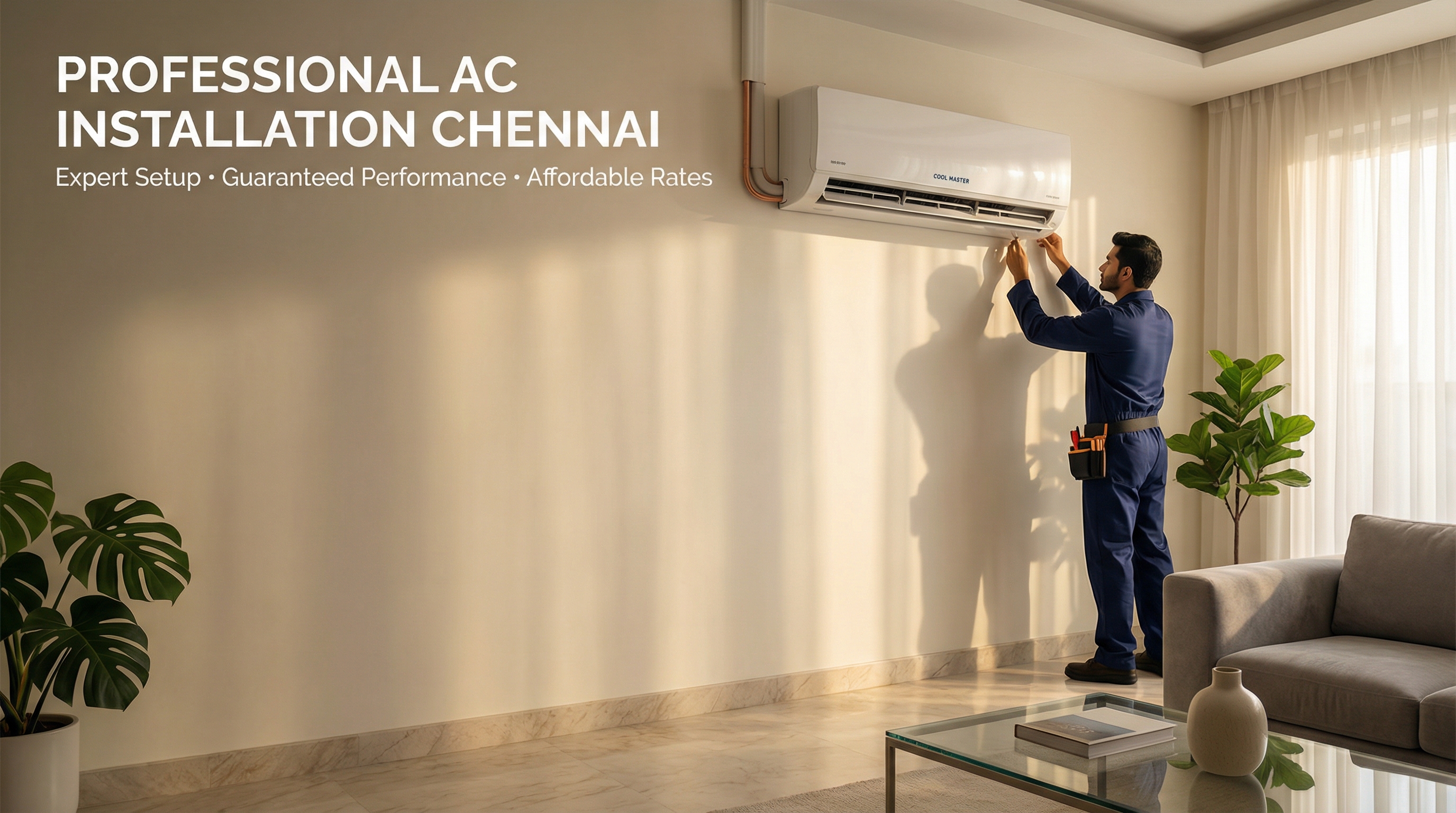
Chennai's tropical climate makes air conditioning a necessity rather than a luxury for most households and businesses.
With temperatures frequently soaring above 35 degrees Celsius and humidity levels remaining high throughout the year, having a properly installed cooling system becomes crucial for comfortable living and working conditions. The scorching summer months, which typically extend from March to June, make indoor environments unbearable without adequate cooling arrangements. However, getting an air conditioning unit installed involves more than just purchasing equipment and mounting it on a wall.
The process of setting up a cooling system requires careful planning, technical expertise, and understanding of various factors that influence both performance and costs. Many residents and business owners in Chennai often underestimate the complexity involved in proper setup procedures, leading to suboptimal performance, frequent breakdowns, and higher energy consumption. From selecting the right capacity unit for your space to ensuring proper drainage and electrical connections, every aspect demands attention to detail and professional handling.
Understanding the financial implications of getting a cooling system installed helps homeowners and businesses budget appropriately and avoid unexpected expenses. The market offers various options ranging from budget-friendly models to premium units with advanced features, each requiring different installation approaches and associated costs. Beyond the initial equipment price, several other factors contribute to the total investment, including structural modifications, electrical work, and professional service charges.
This comprehensive exploration covers everything you need to know about getting air conditioning systems set up in Chennai, from understanding typical expenses to identifying potential challenges and finding reliable professional assistance. Whether you are considering a split system for your bedroom, a multi-split arrangement for your entire home, or commercial units for your office space, this guide provides valuable insights to help you make informed decisions and ensure successful implementation.
Understanding the Financial Aspects of Cooling System Setup
The expenses associated with getting a cooling unit installed in Chennai vary significantly based on multiple factors. The type of system you choose plays a fundamental role in determining overall costs. Window units typically represent the most economical option, with installation charges ranging from 500 to 1,500 rupees depending on complexity. These units require a suitable opening in the wall and proper support structure, which may add to expenses if modifications are needed.
Split systems, which are more popular in modern homes, involve higher setup costs due to their more complex nature. The charges for setting up a split unit typically range from 1,500 to 3,500 rupees for standard installations. This includes mounting the indoor unit, installing the outdoor compressor, connecting refrigerant lines, and ensuring proper drainage. Premium installations with longer pipe runs, additional elevation requirements, or aesthetic considerations like concealed piping can push costs toward the higher end of this spectrum.
Ducted and central systems require substantially higher investment, with installation expenses often exceeding 20,000 rupees for residential applications and significantly more for commercial setups. These systems demand extensive planning, ductwork installation, multiple indoor units, and sophisticated control systems. The complexity of such installations necessitates specialized expertise and more labor hours, contributing to elevated costs.
Beyond the basic setup charges, several additional expenses may arise during the process. Electrical work often constitutes a significant component, especially if your existing wiring cannot handle the additional load. Upgrading electrical panels, installing dedicated circuits with appropriate MCBs, and running new cables can add 2,000 to 10,000 rupees to your total expenses. Structural modifications, such as creating mounting platforms, reinforcing walls, or building support structures for outdoor units, represent another potential cost factor.
Material costs also contribute to the overall investment. Copper piping, which is essential for refrigerant flow between indoor and outdoor units, varies in price based on quality and length required. Standard installations typically include 3 meters of piping, but longer runs necessitate additional material purchases at approximately 300 to 600 rupees per meter for quality copper tubing. Drainage pipes, stands for outdoor units, cable covers, and wall brackets constitute other material expenses that accumulate during the installation process.
Common Challenges During Cooling System Setup
Improper placement represents one of the most frequent problems encountered during installation. The indoor unit's position significantly affects cooling efficiency and comfort levels. Mounting the unit too high reduces its effectiveness in cooling the lower portions of the room where people typically spend time. Conversely, placing it too low can lead to uneven temperature distribution and discomfort. Direct exposure to sunlight on indoor units increases their workload, reducing efficiency and shortening lifespan.
Outdoor unit placement poses its own set of challenges. Many installations suffer from inadequate ventilation around the compressor unit, which significantly reduces efficiency and can lead to premature failure. The outdoor component requires sufficient clearance on all sides to ensure proper airflow and heat dissipation. Installing these units in confined spaces, against walls without adequate gaps, or in areas with obstructed airflow creates operational problems that manifest as reduced cooling capacity and higher energy consumption.
Refrigerant line installation errors constitute another common problem area. Improper bending of copper pipes can create restrictions in refrigerant flow, reducing system efficiency. Insufficient insulation on these lines leads to energy losses and condensation problems. In Chennai's humid climate, poorly insulated refrigerant lines often develop water droplets that can damage surrounding structures and create unhygienic conditions. Incorrect flaring of pipe connections can result in refrigerant leaks, which not only reduce cooling effectiveness but also pose environmental concerns.
Drainage system inadequacies create persistent problems in many installations. The condensate produced during the cooling process must be efficiently removed to prevent water damage and maintain optimal performance. Improperly sloped drain pipes lead to water accumulation in the indoor unit, causing overflow and potential damage to walls and floors. Blocked drain lines, often resulting from improper initial installation without adequate access for cleaning, create recurring maintenance issues.
Electrical connection problems pose both performance and safety risks. Using undersized cables that cannot handle the unit's power requirements leads to voltage drops, reducing efficiency and potentially damaging the equipment. Inadequate earthing creates shock hazards and increases the risk of equipment damage during power fluctuations. Chennai experiences frequent power variations, making proper electrical installation with appropriate protection devices essential for reliable operation.
Vibration and noise issues often stem from installation shortcomings. Improperly secured outdoor units create significant noise and vibration, disturbing occupants and neighbors. Inadequate anti-vibration mounting, loose connections, and unstable support structures contribute to these problems. Indoor units mounted on weak walls without proper reinforcement can also generate noise as the structure resonates with the unit's operation.
Various Types of Setup Arrangements Available
Split system installations represent the most common configuration in Chennai's residential sector. These arrangements feature one indoor unit connected to an outdoor compressor, offering efficient cooling for individual rooms. The installation process involves mounting the indoor unit at an appropriate height, typically 7 to 8 feet from the floor, positioning the outdoor unit in a well-ventilated location, and connecting them through refrigerant lines and electrical cables. This configuration provides flexibility in placement and generally offers good efficiency when properly installed.
Multi-split systems extend the basic split concept by connecting multiple indoor units to a single outdoor compressor. This arrangement proves advantageous for homes requiring cooling in several rooms while minimizing outdoor space usage and reducing aesthetic impact. The installation complexity increases with the number of indoor units, requiring careful planning of refrigerant distribution and individual room controls. Such systems demand professional expertise to ensure balanced performance across all connected units.
Window units offer a more compact solution where the entire cooling apparatus exists in a single chassis. Installation involves creating or utilizing an existing opening in an external wall and mounting the unit securely with proper sealing around edges. While simpler than split systems, proper window unit installation still requires attention to support structure, electrical connections, and weatherproofing to prevent air leakage and water infiltration.
Cassette systems, popular in commercial spaces and modern homes with false ceilings, mount flush with the ceiling surface, distributing cooled air through multiple vents. These installations require coordination with false ceiling work and careful planning of condensate drainage. The aesthetic appeal and even air distribution make cassette units attractive for offices, showrooms, and upscale residences, though installation complexity and costs exceed standard split systems.
Ductable units serve larger spaces or multiple rooms through a network of ducts concealed in false ceilings or other architectural elements. The installation process involves extensive planning, ductwork fabrication and installation, multiple diffusers, and sophisticated control systems. This approach provides centralized cooling with individual zone control, suitable for larger homes, offices, and commercial establishments. The complexity demands specialized installation expertise and represents a significant investment in both equipment and setup.
Professional Service Providers in Chennai's Market
Chennai's market features numerous service providers offering cooling system installation expertise. Among the established names, Doctor Fresh has built a reputation for comprehensive solutions and customer-focused service. Their technicians undergo regular training on latest installation techniques and equipment specifications, ensuring installations meet manufacturer standards and local requirements. The company provides warranty coverage on installation work, offering peace of mind to customers investing in cooling systems.
RO Care India, while primarily known for water purification solutions, has expanded its service portfolio to include air conditioning installation and maintenance. Their multi-service approach appeals to customers seeking a single provider for various home appliance needs. Mannubhai Service Expert operates across Chennai with a network of experienced technicians capable of handling diverse installation scenarios, from simple residential setups to complex commercial projects.
Leading equipment manufacturers like Kent, Aquaguard, Aquafresh, Pureit, Blue Star, and LG often provide installation services through their authorized networks. Blue Star, with decades of experience in commercial and residential cooling solutions, maintains a robust installation team trained specifically on their product range. LG's service network combines equipment expertise with professional installation capabilities, ensuring optimal performance from their air conditioning units.
When selecting a service provider, several factors merit consideration beyond basic pricing. Experience with your specific unit type ensures familiarity with manufacturer specifications and recommended practices. Proper licensing and insurance coverage protect you from liability in case of accidents during installation. Warranty coverage on installation work demonstrates the provider's confidence in their workmanship and offers recourse if problems arise from improper setup.
Customer reviews and references provide valuable insights into service quality and reliability. Providers with transparent pricing structures help avoid unexpected charges, while those offering post-installation support demonstrate commitment to customer satisfaction. Availability of emergency services becomes important if installation issues arise outside regular business hours. Established providers typically maintain better spare parts availability and technical support compared to individual contractors.
Preparing Your Space for Optimal Setup
Adequate preparation before technicians arrive facilitates smoother installation and better results. Identifying the ideal location for indoor units involves considering room layout, furniture placement, and airflow patterns. The unit should provide even cooling throughout the space without directing airflow directly at seating or sleeping areas. Avoiding positions near heat sources, such as kitchen appliances or windows receiving direct sunlight, ensures more efficient operation.
Outdoor unit placement requires attention to ventilation, accessibility for maintenance, and structural support. Roofs, balconies, and external walls serve as common locations, each presenting specific considerations. Roof installations must account for waterproofing, structural load capacity, and protection from monsoon rains. Ground-level installations require elevated platforms to prevent flooding during Chennai's intense rainfall periods. Ensuring adequate clearance from neighboring properties prevents disputes and maintains good relations.
Electrical infrastructure assessment prevents delays and ensures safe operation. Verifying that your electrical panel can accommodate the additional load and has available circuit breaker positions avoids mid-installation complications. For higher-capacity units or multiple installations, consulting with a licensed electrician before scheduling installation helps identify necessary electrical upgrades. Dedicated circuits with appropriate amperage ratings and proper earthing protect both equipment and occupants.
Clearing the installation area of furniture, decorations, and obstacles allows technicians to work efficiently and reduces the risk of damage to your belongings. Providing access to water sources and electrical outlets facilitates the installation process. Discussing your expectations and any specific requirements with the installation team beforehand ensures everyone understands the project scope and desired outcomes.
Ensuring Long-term Performance Through Proper Setup
Quality installation establishes the foundation for years of reliable cooling performance. Proper refrigerant charging represents a critical aspect often overlooked in rushed installations. Overcharging or undercharging refrigerant reduces efficiency, increases energy consumption, and can damage the compressor. Professional installers use manifold gauges and follow manufacturer specifications to ensure optimal refrigerant levels, typically verified through pressure readings and superheat calculations.
Vacuum pumping before refrigerant charging removes air and moisture from the system, preventing corrosion and ensuring efficient operation. Inadequate vacuuming leaves contaminants that degrade performance over time and can lead to compressor failure. Professional installations include proper vacuum procedures with appropriate equipment, typically maintaining vacuum for at least 30 minutes to ensure complete moisture removal.
Secure mounting prevents future problems with vibration, noise, and structural damage. Indoor units require solid wall anchoring capable of supporting the unit's weight plus operational forces. Outdoor units need stable platforms with anti-vibration mounts that absorb operational vibrations and prevent transmission to building structures. Proper bracket installation ensures units remain level, which is essential for proper condensate drainage and optimal performance.
Testing and commissioning represent the final critical phase of professional installation. Comprehensive testing includes verifying cooling capacity, checking refrigerant pressures, ensuring proper drainage, testing safety devices, and validating control functions. Technicians should demonstrate system operation, explain maintenance requirements, and provide documentation of installation details including refrigerant type and charge amount for future reference.
Conclusion
Getting an air conditioning system properly installed in Chennai requires understanding various financial, technical, and service-related aspects. The investment extends beyond equipment purchase to encompass professional installation charges, electrical work, structural modifications, and quality materials. Typical expenses range from a few thousand rupees for basic window units to substantially higher amounts for sophisticated multi-zone systems, with specific costs depending on complexity, location factors, and quality standards.
Common installation challenges including improper placement, refrigerant line errors, drainage inadequacies, and electrical connection problems can significantly impact performance and longevity. Avoiding these pitfalls requires engaging experienced professionals who understand local conditions, manufacturer specifications, and industry best practices. The diverse installation types available, from simple window units to complex ductable systems, each demand specific expertise and appropriate planning.
Chennai's market offers numerous service providers ranging from specialized cooling system companies to manufacturer-authorized networks. Established names bring experience, proper training, warranty coverage, and customer support that justify their service charges. Adequate preparation, including space assessment, electrical verification, and clear communication with installation teams, facilitates successful implementation and optimal results.
Ultimately, investing in quality installation through reputable professionals pays dividends through improved efficiency, reduced maintenance requirements, and extended equipment lifespan. The difference between mediocre and excellent installation becomes evident over years of operation through energy bills, repair frequency, and cooling comfort. Taking time to understand the process, selecting qualified service providers, and ensuring proper implementation creates the foundation for years of reliable cooling performance in Chennai's demanding climate.
Frequently Asked Questions
Q - What factors influence air conditioner installation costs in Chennai beyond the basic service charges?
A - Several additional factors can significantly impact your total installation expenses. Electrical upgrades often add 2,000 to 10,000 rupees if your existing wiring cannot handle the unit's power requirements. Structural modifications like wall reinforcement or creating support platforms for outdoor units contribute further costs. Extended copper piping beyond the standard 3 meters adds approximately 300 to 600 rupees per meter. Material costs including drainage pipes, cable covers, wall brackets, and outdoor unit stands also accumulate during installation.
Q - How does improper outdoor unit placement affect air conditioner performance and efficiency?
A - Inadequate ventilation around the outdoor compressor unit significantly reduces cooling efficiency and can lead to premature equipment failure. The outdoor component requires sufficient clearance on all sides to ensure proper airflow and heat dissipation. Installing these units in confined spaces or against walls without adequate gaps creates operational problems that manifest as reduced cooling capacity and higher energy consumption. In Chennai's hot climate, proper outdoor unit placement with good airflow becomes even more critical for maintaining optimal performance throughout the year.
Q - Why is proper refrigerant charging so important during installation?
A - Correct refrigerant charging establishes the foundation for efficient long-term operation. Overcharging or undercharging refrigerant reduces efficiency, increases energy consumption, and can damage the compressor over time. Professional installers use specialized equipment to follow manufacturer specifications and ensure optimal refrigerant levels. Additionally, proper vacuum pumping before charging removes air and moisture from the system, preventing corrosion and ensuring efficient operation. Inadequate attention to these procedures leaves contaminants that degrade performance and can lead to costly compressor failure.
Q - What should homeowners verify about their electrical system before scheduling installation?
A - Homeowners should verify that their electrical panel can accommodate the additional load and has available circuit breaker positions to avoid installation delays. Higher-capacity units or multiple installations may require consulting with a licensed electrician beforehand to identify necessary upgrades. Dedicated circuits with appropriate amperage ratings and proper earthing protect both equipment and occupants. Given Chennai's frequent power variations, ensuring adequate electrical infrastructure with appropriate protection devices becomes essential for reliable operation and equipment longevity.
Call-to-Action
Considering a new cooling system for your Chennai home or office? Learn more about selecting the right capacity unit for your space, understanding energy efficiency ratings, and exploring the latest inverter technology options that can significantly reduce your monthly electricity bills while providing optimal comfort in our tropical climate.
Related Blogs
- Complete Guide to Professional Air Conditioning Setup Services in Your City
- Complete Guide to Air Conditioning Setup and Service Solutions in Mumbai
- Professional Air Conditioning Installation Services: Your Complete Guide to Reliable Cooling Solutions
- Smart Decisions Before Bringing Home Your Cooling System
- Inside a Routine Home Air Conditioner Service Visit