

**Expert Solutions for Water Purifier Maintenance and Technical Support in Chennai**
Complete Guide to Water Purifier Maintenance in Chennai: Technical Solutions and Service Options
Clean drinking water is essential for every household, and water purification systems have become indispensable in urban homes across Chennai. With increasing water contamination concerns and varying TDS levels in different areas of the city, these appliances work continuously to ensure safe drinking water for families. However, like any mechanical system, water purifiers require regular maintenance and occasional technical interventions to function optimally. Understanding the nuances of professional maintenance, recognizing common technical challenges, and knowing where to find reliable assistance can save both time and money while ensuring uninterrupted access to purified water.
Chennai residents often face unique challenges when it comes to water quality, with fluctuating hardness levels and seasonal variations affecting purifier performance. The city's water supply characteristics demand that purification systems work harder than in many other regions, leading to increased wear on components and filters. Many homeowners discover technical issues only when water flow reduces significantly or taste changes noticeably. This reactive approach can lead to more extensive damage and higher restoration expenses compared to preventive care. Developing awareness about maintenance requirements and understanding when professional intervention becomes necessary helps households maintain consistent water quality.
The landscape of technical assistance for these appliances has evolved considerably in Chennai, with numerous service providers offering varying levels of expertise and reliability. From authorized brand centers to independent technicians, consumers have multiple options for addressing appliance malfunctions. However, this abundance of choice also creates confusion about selecting the right service provider, understanding fair pricing, and ensuring quality workmanship. Many residents struggle with questions about whether to attempt minor fixes themselves or immediately contact professionals, and how to differentiate between routine maintenance needs and serious technical problems requiring expert attention.
Making informed decisions about appliance maintenance requires understanding the technical aspects of these systems, the typical lifespan of various components, and the factors that influence service expenses. This knowledge empowers consumers to communicate effectively with technicians, ask relevant questions, and evaluate whether recommended solutions are appropriate. Additionally, being aware of preventive measures and proper usage practices can significantly extend the operational life of purification systems and reduce the frequency of technical interventions. With Chennai's growing population and increasing reliance on home water treatment solutions, having comprehensive knowledge about maintenance and troubleshooting has become more important than ever.
Common Technical Challenges in Water Purification Systems
Water purification appliances consist of multiple components working together, and problems can arise in various subsystems. One of the most frequent issues Chennai residents encounter is reduced water flow or complete stoppage. This often results from membrane blockage caused by high sediment content in municipal water supply. The semi-permeable membrane, which is the heart of the purification process, becomes clogged with dissolved solids and particulates over time. When this happens, the system struggles to push water through the membrane, resulting in decreased output. In severe cases, the purifier may stop producing water altogether.
Leakage problems represent another common category of malfunctions. Water may drip from connection points, filter housings, or storage tanks due to worn-out seals, cracked components, or loose fittings. Chennai's water quality, particularly its mineral content, can accelerate the deterioration of rubber seals and plastic components. Even small leaks should receive immediate attention, as they not only waste water but can also damage surrounding cabinetry and create conditions for mold growth. Identifying the exact source of leakage requires systematic inspection and sometimes specialized diagnostic equipment.
Electrical and electronic failures also affect water purifiers regularly. The pump motor, which creates the pressure necessary for the purification process, can fail due to voltage fluctuations or continuous operation without adequate rest periods. Chennai experiences power supply variations in some areas, which can stress electrical components. Additionally, the auto-shutoff mechanisms, water level sensors, and control panels contain electronic components susceptible to moisture damage and wear. When these systems malfunction, the purifier may run continuously, fail to start, or display error codes that users cannot interpret without technical knowledge.
Taste and odor problems in purified water indicate issues with filter saturation or contamination. Activated carbon filters, responsible for removing chlorine, organic compounds, and odor-causing substances, have limited capacity. Once saturated, they become ineffective and may even release previously absorbed contaminants back into the water. Similarly, if the storage tank develops bacterial growth due to infrequent cleaning or prolonged periods without use, the water may develop unpleasant tastes or smells despite proper filtration. These issues often confuse users who assume that water passing through the purifier is automatically safe and pleasant-tasting.
Understanding Maintenance Expenses and Pricing Structure
The financial aspect of maintaining water purification systems varies considerably based on several factors. Basic service visits for routine maintenance typically involve filter replacement, general cleaning, and system checks. These preventive maintenance sessions generally fall within an affordable range, often between three hundred to eight hundred rupees depending on the service provider and specific tasks performed. However, when actual component replacement or technical repairs become necessary, expenses increase proportionally to the parts involved and labor complexity.
Filter replacement costs form a significant portion of regular maintenance expenses. Sediment filters, being the first line of defense, require more frequent changes, usually every six months, and are relatively inexpensive. Carbon filters need replacement annually in most cases, with moderate pricing. The membrane, being the most critical and expensive component, typically requires replacement every two to three years under normal usage conditions. However, poor water quality or inadequate pre-filtration can shorten membrane life considerably, leading to earlier replacement and higher costs. Complete filter kit replacements provide better value compared to individual filter purchases.
Technical interventions involving component replacement carry higher price tags. Pump motors, when they fail, represent substantial expenses due to the part cost and specialized labor required for installation. Solenoid valves, pressure switches, and electronic control boards also fall into the higher cost category. Labor charges for these repairs depend on the complexity of the work and the technician's expertise level. Authorized service centers typically charge more than independent technicians but often provide warranty coverage on parts and labor. The total expenditure for significant repairs can range from fifteen hundred to five thousand rupees or more, depending on the specific components involved.
Geographic location within Chennai also influences pricing structures. Service providers in central areas with higher operational costs may charge premium rates, while those in suburban locations might offer more competitive pricing. Additionally, emergency or same-day assistance usually carries surcharges compared to scheduled appointments. Some service providers offer annual maintenance contracts that include regular servicing and discounted rates on repairs, which can prove economical for households seeking predictable expenses and priority assistance. Comparing quotes from multiple providers while considering their reputation and service quality helps identify the best value proposition.
Types of Technical Interventions Available
Preventive maintenance represents the foundational level of service, focusing on keeping systems functioning optimally before problems develop. During these sessions, technicians perform comprehensive inspections, checking all connections for tightness, examining filters for saturation, testing water quality parameters, and cleaning storage tanks. They also assess membrane condition through flow rate measurements and TDS testing. Preventive maintenance visits, when conducted at recommended intervals, significantly reduce the likelihood of unexpected breakdowns and extend the overall lifespan of the purification system. This proactive approach proves more cost-effective than reactive repairs.
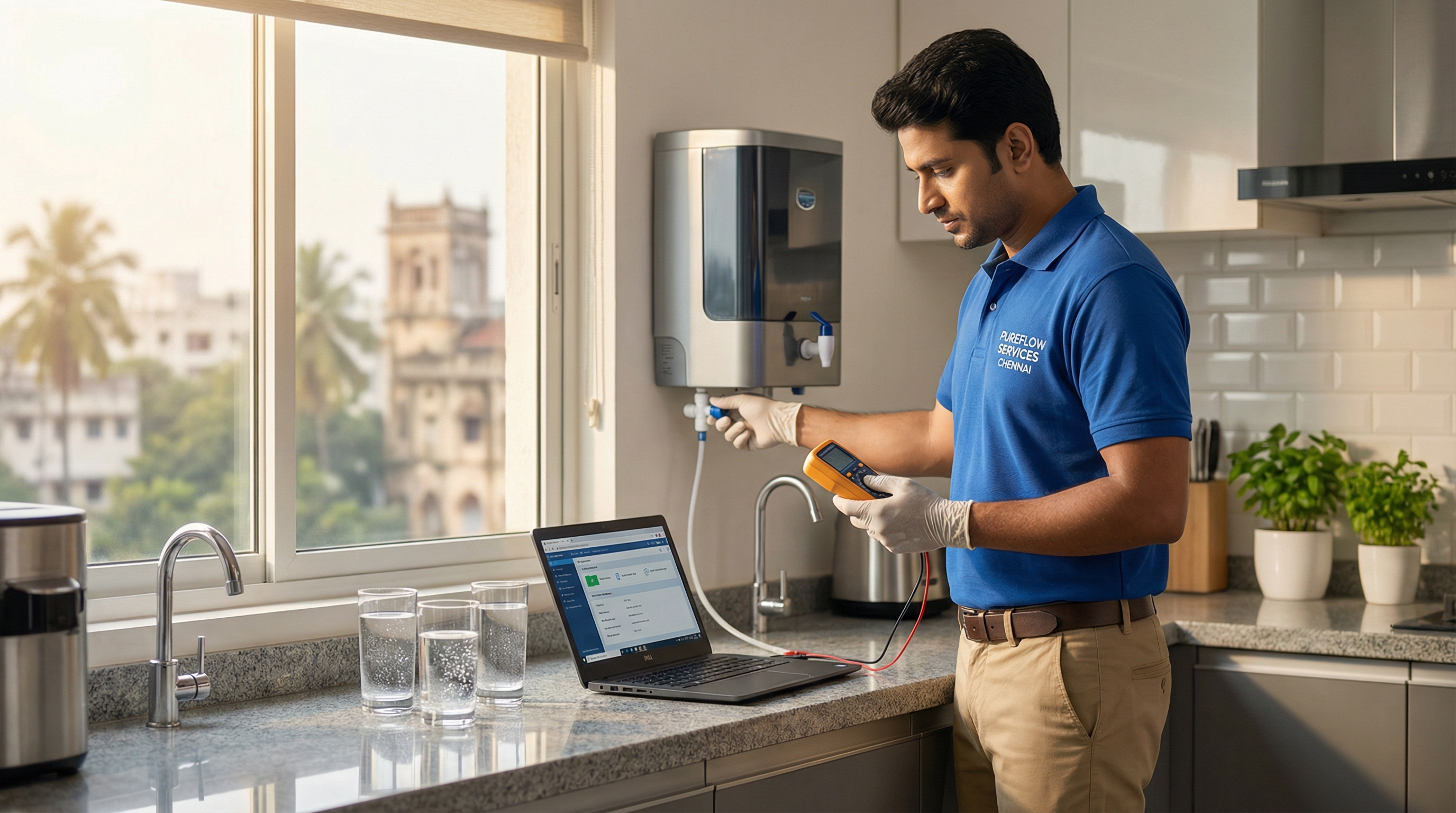
Diagnostic services become necessary when systems exhibit symptoms but the underlying cause remains unclear. Experienced technicians use various tools and techniques to identify problems accurately. They may measure water pressure at different points in the system, test electrical components with multimeters, analyze rejected water characteristics, or use endoscopic cameras to inspect internal components. Proper diagnosis prevents unnecessary part replacements and ensures that the actual problem receives appropriate attention. Some complex issues require multiple diagnostic steps to isolate the root cause, particularly when symptoms overlap or intermittent problems occur.
Component replacement services address failures of specific parts within the system. Technicians remove failed components and install new ones, ensuring proper integration with existing systems. This work requires technical knowledge about compatibility, correct installation procedures, and system calibration after replacement. Quality service providers use genuine or equivalent-quality parts rather than substandard alternatives that might save money initially but fail prematurely. After replacement, thorough testing ensures the system operates correctly and the new component functions as intended within the overall purification process.
Complete system overhauls involve comprehensive refurbishment when multiple components show wear or when systems have operated for extended periods without proper maintenance. During overhauls, technicians disassemble the entire system, clean all components, replace consumables and worn parts, and reassemble everything with new seals and connections. This intensive service essentially restores the purifier to near-original condition, providing extended operational life. Overhauls make economic sense for quality purification systems that have good structural integrity but need refreshed internal components. The investment in a complete overhaul costs considerably less than purchasing a new system while delivering comparable performance.
Selecting Appropriate Service Providers
Multiple brands offer dedicated support networks throughout Chennai, providing specialized assistance for their products. Doctor Fresh maintains service capabilities across the city, focusing on prompt response and customer satisfaction. RO Care India has established a reputation for comprehensive technical support and genuine component availability. Mannubhai Service Expert brings decades of experience in water treatment solutions, offering knowledgeable technicians familiar with various system types. Kent operates an extensive service network with trained professionals capable of handling complex technical issues. Aquaguard provides widespread coverage through its service centers, ensuring accessibility for customers across different localities.
Aquafresh maintains competitive service standards with emphasis on customer education alongside technical support. Pureit offers dedicated assistance for its product range, with technicians trained specifically on their technology. Blue Star leverages its broader appliance service infrastructure to provide reliable water purifier maintenance. LG incorporates its water purification systems into its comprehensive customer care framework, offering integrated support. Each brand brings distinct advantages in terms of parts availability, technician training, and service guarantees, making them viable options for households using compatible systems.
Independent service providers and multi-brand specialists offer alternatives to brand-specific centers, often with more flexible pricing and scheduling. These operators typically have extensive experience across various purification technologies, allowing them to service multiple brands competently. When selecting independent technicians, verifying credentials, seeking references from previous customers, and confirming parts sourcing practices helps ensure quality service. Some independent operators focus exclusively on water purification systems, developing deep expertise that rivals or exceeds brand-specific training. However, warranty considerations and parts authenticity require careful attention when using non-authorized service providers.
Evaluating service providers involves considering multiple factors beyond price alone. Response time, especially for urgent issues, significantly impacts customer satisfaction. Technician knowledge and communication skills determine whether problems receive accurate diagnosis and appropriate solutions. Transparency in pricing, including clear explanations of charges and no hidden fees, builds trust and prevents disputes. Warranty coverage on both parts and labor provides protection against premature failures and poor workmanship. Customer reviews and testimonials offer valuable insights into real-world service experiences, helping prospective customers make informed choices about which provider best meets their needs.
Locating Nearby Technical Assistance
Finding convenient assistance has become easier with digital tools and expanded service networks. Online search platforms allow residents to identify providers operating in specific Chennai neighborhoods, complete with contact information, customer ratings, and service area details. Many service centers maintain updated websites with booking systems, enabling customers to schedule appointments directly without telephone calls. Mobile applications from major brands offer instant access to service requests, technician tracking, and service history records. These digital solutions streamline the process of obtaining assistance and provide transparency throughout the service interaction.
Local recommendations remain valuable despite digital advancement. Neighbors, friends, and community groups often share experiences with service providers, offering trustworthy insights into reliability and quality. Apartment complexes and residential associations sometimes establish relationships with preferred service providers, negotiating favorable terms for residents. These community-vetted options often prove dependable because providers value their reputation within concentrated customer bases. Additionally, local hardware stores and water treatment product dealers frequently maintain relationships with competent technicians and can provide referrals based on customer feedback.
Geographic considerations affect service accessibility and response times. Residents in well-connected areas like Anna Nagar, T Nagar, or Velachery typically enjoy multiple service options with quick response capabilities. Those in peripheral areas such as Ambattur, Tambaram, or Sholinganallur might find fewer providers but can still access quality assistance through mobile service units. When evaluating distance from service centers, considering both routine maintenance convenience and emergency response capabilities helps ensure long-term satisfaction. Some providers offer zone-based pricing, with additional charges for distant locations, which should factor into overall cost comparisons.
Establishing relationships with reliable service providers before emergencies arise proves beneficial. Regular maintenance by the same provider builds familiarity with specific system configurations and history, enabling faster problem resolution. Service providers often prioritize existing customers for scheduling and may offer loyalty benefits. Maintaining service records, including dates, work performed, and parts replaced, creates valuable documentation for warranty claims and helps track maintenance intervals. This organized approach to service management ensures systems receive timely attention and helps identify patterns that might indicate underlying issues requiring preventive action.
Preventive Measures to Minimize Technical Issues
Understanding proper usage practices significantly reduces the frequency of technical problems. Ensuring adequate pre-filtration protects the purification system from excessive sediment and particulate matter. In areas with particularly poor water quality, installing additional sediment filters upstream of the main purifier prevents premature membrane clogging. Regular flushing of rejected water lines prevents mineral buildup that can affect system efficiency. Avoiding extremely hot water input protects components designed for normal temperature ranges. These simple practices extend component life and reduce maintenance requirements substantially.
Monitoring system performance indicators helps identify developing problems before complete failures occur. Noticing gradual decreases in water flow, changes in taste or odor, or unusual sounds from the pump motor allows for early intervention. Checking rejected water flow ensures proper membrane function, as complete absence of waste water indicates serious problems. Observing storage tank fill times provides insights into system efficiency. Maintaining awareness of these operational characteristics enables users to request service at optimal times rather than during complete breakdowns that might leave households without purified water.
Environmental factors within the installation area affect system longevity. Protecting purifiers from direct sunlight prevents degradation of plastic components and excessive heat buildup. Ensuring adequate ventilation around the unit allows heat dissipation from electrical components. Keeping the installation area dry prevents moisture damage to electronic systems. Providing stable voltage through stabilizers or dedicated circuits protects electrical components from power fluctuations common in some Chennai localities. These environmental considerations, though often overlooked, significantly impact system reliability and operational life.
Adhering to recommended maintenance schedules provides the most effective prevention strategy. Manufacturers specify service intervals based on typical usage patterns and water quality conditions. Following these guidelines ensures consumable components receive timely replacement before degradation affects water quality or damages other system elements. Scheduling maintenance during less critical periods prevents inconvenient disruptions during high-usage times or when hosting guests. Annual contracts with scheduled maintenance visits remove the burden of remembering service dates and ensure consistent attention. This disciplined approach to maintenance maximizes return on investment in water purification systems.
Conclusion
Water purification systems play an essential role in Chennai households, providing protection against waterborne contaminants and ensuring consistent access to safe drinking water. Understanding the common technical challenges these systems face, from membrane blockages to electrical failures, empowers users to recognize problems early and seek appropriate assistance. Knowledge about maintenance expense structures, including routine service costs and component replacement pricing, enables informed budgeting and prevents surprise expenses. Awareness of different service types, from preventive maintenance to complete overhauls, helps households select appropriate interventions matching their specific needs.
The availability of numerous service providers across Chennai, including established brands and independent specialists, offers flexibility in choosing technical support. Evaluating providers based on expertise, reliability, transparency, and customer feedback ensures selection of competent assistance. Utilizing digital tools and local recommendations simplifies the process of locating nearby qualified technicians capable of addressing issues promptly. Establishing ongoing relationships with trusted service providers creates continuity that benefits long-term system performance and maintenance efficiency.
Implementing preventive measures through proper usage practices, performance monitoring, environmental protection, and adherence to maintenance schedules significantly reduces technical problems and extends system life. These proactive approaches prove more economical than reactive responses to failures, while ensuring uninterrupted access to purified water. The investment in quality maintenance services protects the larger investment in purification systems themselves, delivering better value over the appliance lifecycle.
Chennai residents who combine technical understanding with reliable service partnerships and preventive maintenance practices enjoy optimal performance from their water purification systems. This comprehensive approach addresses both immediate technical needs and long-term operational efficiency, ensuring families continue receiving safe, clean drinking water regardless of municipal supply variations or seasonal challenges. The knowledge and resources available today make proper system care achievable for every household committed to maintaining their water purification investment.
FAQ
Q - How often should water purification system filters be replaced in Chennai?
A - Filter replacement frequency depends on the specific component and local water quality. Sediment filters typically require changing every six months due to Chennai's varying water conditions. Carbon filters generally need annual replacement, while the membrane usually lasts two to three years under normal circumstances. However, areas with particularly high TDS levels or sediment content may necessitate more frequent changes. Regular monitoring of water flow rates and taste helps determine optimal replacement timing.
Q - What are the early warning signs that a water purification system needs professional attention?
A - Several indicators suggest developing problems requiring technical intervention. Noticeably reduced water flow or extended tank filling times signal potential membrane blockage or pump issues. Changes in water taste or odor indicate filter saturation or storage tank contamination. Visible leaks around connections or housings, unusual sounds from the motor, or complete absence of rejected water flow all require immediate professional diagnosis. Addressing these symptoms early prevents more extensive damage and costly repairs.
Q - How can I differentiate between authorized service centers and independent technicians for maintenance work?
A - Authorized service centers are directly affiliated with specific brands, offering specialized training for those products, genuine parts availability, and warranty coverage on repairs. They typically charge standardized rates and maintain comprehensive service records. Independent technicians often service multiple brands, may offer more competitive pricing, and provide flexible scheduling. When choosing independent providers, verify their experience with your specific system type, confirm parts sourcing practices, and check customer reviews to ensure quality workmanship and reliability.
Q - What preventive steps can reduce maintenance costs and extend system lifespan?
A - Regular preventive maintenance following manufacturer-recommended schedules prevents costly breakdowns and extends component life. Installing additional pre-filters in areas with poor water quality protects the main system from excessive sediment. Ensuring stable electrical supply through voltage stabilizers prevents damage to electrical components. Protecting the unit from direct sunlight and maintaining dry installation conditions preserves plastic and electronic parts. Monitoring performance indicators like flow rate and taste allows early intervention before minor issues escalate into major failures requiring expensive repairs.
Related Blogs
- Complete RO Water Purifier Service and Care Manual
- Troubleshooting Your Home Water Filtration System: A Complete Guide
- Understanding the Right Time for RO Water Purifier Filter Changes
- Ensuring Pure Drinking Water Through Proper Reverse Osmosis System Care
- Picking the Right RO Purifier for Any Family Size