

Understanding Annual Maintenance Solutions for Water Purifiers in Bangalore's Urban Landscape
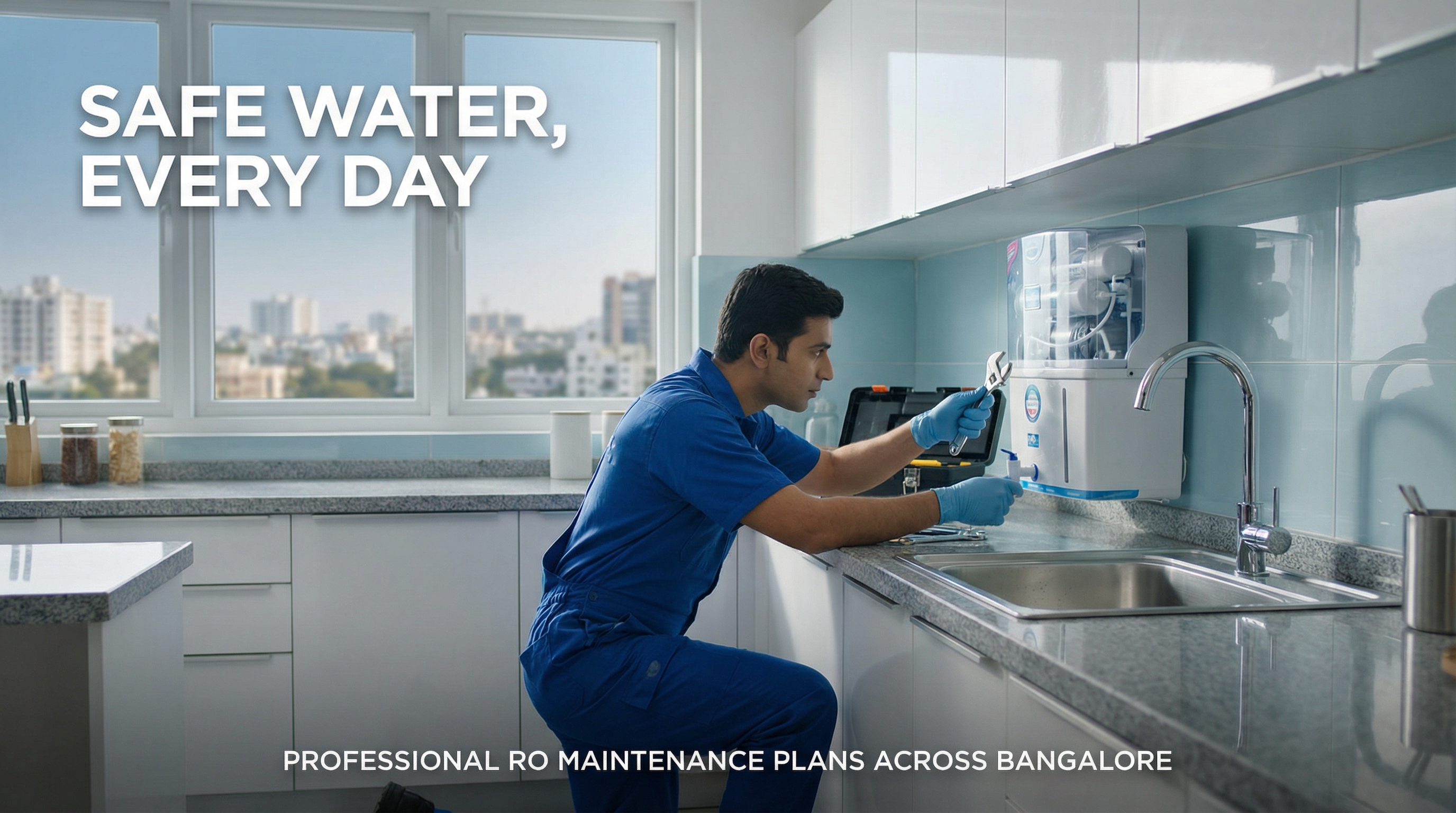
Water quality concerns have become increasingly prominent in Bangalore's rapidly urbanizing environment. With the city's population exceeding 12 million residents, the demand for clean drinking water has never been more critical. Households and commercial establishments across neighborhoods from Whitefield to Jayanagar rely heavily on water purification systems to ensure safe consumption. The municipal water supply often contains dissolved solids, bacteria, chlorine, and other contaminants that make purification essential for health and wellness.
The importance of regular maintenance for these purification systems cannot be overstated. Just as vehicles require periodic servicing to maintain optimal performance, water purification equipment needs consistent attention to function effectively. Without proper upkeep, these systems can develop bacterial growth, reduce filtration efficiency, and ultimately compromise the quality of drinking water. Many homeowners discover the hard way that neglecting maintenance leads to expensive repairs and potential health risks from contaminated water.
Bangalore's unique water challenges make systematic maintenance even more critical. The city's groundwater often contains high levels of total dissolved solids, sometimes exceeding 1000 parts per million in certain areas. Additionally, the presence of hard water causes scale buildup that damages purification components over time. Seasonal variations in water quality, particularly during monsoons when contamination risks increase, further emphasize the need for professional maintenance services that can address these fluctuating conditions.
Understanding the various aspects of maintenance plans, associated costs, common system problems, and available solutions empowers consumers to make informed decisions. This comprehensive examination explores everything residents need to know about maintaining their water purification systems effectively, ensuring continuous access to safe drinking water while managing expenses intelligently. Whether you live in an apartment complex in Electronic City or an independent house in Indiranagar, this information will help you navigate the maintenance landscape with confidence.
The Framework of Maintenance Contracts for Water Purification Systems
Annual maintenance contracts provide structured service agreements between consumers and service providers, establishing a framework for regular upkeep of purification equipment. These agreements typically span twelve months and include scheduled visits by trained technicians who inspect, clean, and service various components of the system. The primary objective is preventive care rather than reactive repairs, addressing potential issues before they escalate into major problems that compromise water quality or require expensive part replacements.
The core components of these maintenance agreements include periodic filter replacements based on usage patterns and water quality conditions. Most systems utilize multiple filtration stages, including sediment filters, activated carbon blocks, reverse osmosis membranes, and post-carbon filters. Each component has specific replacement intervals ranging from three months for pre-filters to twelve months or longer for reverse osmosis membranes. Maintenance contracts ensure these replacements occur timely, maintaining optimal purification performance throughout the year.
Service visits typically involve comprehensive system checks that examine water flow rates, rejection ratios, pressure levels, and overall performance metrics. Technicians clean storage tanks, sanitize pipelines, check for leakages, inspect electrical connections, and test water quality parameters. This systematic approach identifies minor issues like worn seals, loose fittings, or reduced membrane efficiency before they cause system failures. Regular maintenance extends equipment lifespan significantly, often doubling the operational years compared to neglected systems.
Beyond the technical aspects, these contracts provide convenience and peace of mind for busy urban households. Rather than remembering service schedules or scrambling to find qualified technicians when problems arise, consumers enjoy scheduled service calls and priority response for unexpected issues. Documentation of service history also proves valuable during warranty claims or when selling properties, demonstrating proper equipment care to prospective buyers.
Understanding Maintenance Expenses Across Bangalore
The investment required for annual maintenance varies considerably based on multiple factors including system type, capacity, brand, and service provider. Basic maintenance packages for standard household systems typically range between 2000 to 4000 rupees annually. These entry-level plans usually cover two to four service visits, basic filter replacements excluding the reverse osmosis membrane, and general system inspection. They suit households with relatively clean water sources and moderate usage patterns.
Mid-range maintenance solutions priced between 4000 to 7000 rupees offer more comprehensive coverage including membrane replacement, unlimited service calls, and extended warranty on components. These plans appeal to families with higher water consumption, those dealing with challenging water quality conditions, or consumers seeking greater peace of mind. The inclusion of membrane replacement represents significant value since these components alone cost between 1500 to 3000 rupees depending on quality and brand compatibility.
Premium maintenance offerings exceeding 7000 rupees annually provide all-inclusive coverage with multiple scheduled visits, all consumable replacements, emergency response guarantees, and sometimes complimentary system upgrades. Commercial establishments, large households, or locations with particularly poor water quality often find these comprehensive plans economical compared to ad-hoc repair expenses. Geographic factors also influence pricing, with service providers charging premium rates for locations far from their service centers or areas with traffic congestion challenges.
When evaluating maintenance costs, consumers should consider the hidden expenses of neglecting regular service. Emergency repairs during system failures often cost substantially more than routine maintenance, with service charges ranging from 500 to 1500 rupees per visit excluding parts. Premature replacement of major components like booster pumps or electronic control boards can exceed 3000 rupees. Annual contracts essentially function as insurance against these unpredictable expenses while ensuring continuous access to purified water.
Locating Reliable Maintenance Services in Your Vicinity
Finding trustworthy service providers near your location significantly impacts maintenance experience and response times during emergencies. Bangalore's diverse neighborhoods from Hebbal to HSR Layout have varying service availability, making proximity an important consideration. Consumers should begin their search by exploring authorized service centers of their equipment manufacturers, as these providers typically employ factory-trained technicians familiar with specific system architectures and component specifications.
Independent service organizations have emerged throughout Bangalore offering multi-brand maintenance capabilities. These providers often deliver competitive pricing and flexible service terms compared to brand-authorized centers. However, consumers must verify credentials, technician qualifications, and customer reviews before engaging independent operators. Checking for proper business registration, insurance coverage, and established physical locations helps distinguish legitimate service providers from unreliable operators.
Digital platforms and online directories have simplified the process of identifying nearby maintenance services. Many service providers now offer geolocation-based search tools that display available technicians in specific pin codes. Customer reviews and ratings on these platforms provide valuable insights into service quality, response times, and overall customer satisfaction. However, consumers should read multiple reviews to identify consistent patterns rather than isolated experiences that might not represent typical service standards.
Personal recommendations from neighbors, apartment resident associations, and local community groups often yield reliable service contacts. These referrals come with real-world performance testimonials and provide opportunities to verify service quality through direct observation of maintained systems. Many apartment complexes negotiate group maintenance contracts for resident systems, leveraging collective bargaining power to secure favorable rates and guaranteed service standards.
Common Performance Issues and Their Root Causes
Water purification systems develop various operational problems that signal maintenance needs. Reduced water flow represents one of the most frequent complaints, often resulting from clogged pre-filters, fouled reverse osmosis membranes, or obstructed flow restrictors. This issue progressively worsens as sediment accumulation increases, eventually reducing output to inadequate levels for household needs. Timely filter replacements and membrane cleaning restore normal flow rates and prevent permanent membrane damage from excessive pressure.
Unusual tastes or odors in purified water indicate compromised filtration effectiveness. Exhausted activated carbon filters lose their capacity to remove chlorine, organic compounds, and dissolved gases that affect taste and smell. Bacterial growth in storage tanks or stagnant pipelines also produces distinctive unpleasant odors. These sensory changes signal urgent need for filter replacement, tank sanitization, and system disinfection to restore water quality and prevent health risks.
Continuous water drainage from the rejection outlet suggests problems with the shut-off valve, elevated feed water pressure, or membrane damage. This wastage not only increases water bills but also indicates system inefficiency that compromises purification quality. The automatic shut-off mechanism that stops production when the storage tank fills depends on precise pressure balance, and any disruption causes continuous operation and water waste. Prompt professional assessment prevents expensive water losses and identifies underlying mechanical issues.
Electrical malfunctions including power failures, non-functional indicator lights, or erratic operation point to control board problems, faulty solenoid valves, or wiring issues. These electronic components regulate system operation based on water pressure and tank levels. Exposure to moisture, voltage fluctuations common in Bangalore, or aging components causes these electrical failures. Professional diagnosis with proper testing equipment ensures accurate problem identification and appropriate repairs that restore reliable operation.
Exploring Different Maintenance Package Options
Basic maintenance packages target budget-conscious consumers seeking essential upkeep without comprehensive coverage. These entry-level offerings typically include two scheduled visits annually, replacement of sediment and pre-carbon filters, system inspection, and basic troubleshooting. Consumers remain responsible for membrane replacement, major component repairs, and additional service calls beyond the included visits. These packages suit households with newer systems, good water quality, or those willing to manage some maintenance aspects independently.
Standard maintenance plans represent the most popular choice, balancing coverage and affordability effectively. These mid-tier contracts include quarterly service visits, all standard filter replacements including annual membrane changes, unlimited troubleshooting calls, and discounted rates on additional parts. The quarterly service schedule aligns well with typical filter life cycles and seasonal water quality variations in Bangalore. Most families find this coverage level adequate for reliable system performance without excessive expense.
Comprehensive maintenance solutions provide worry-free ownership with extensive coverage including all consumables, unlimited service visits, emergency response commitments, and complete parts coverage. These premium packages often include annual system deep cleaning, UV lamp replacements where applicable, and complimentary water quality testing. Commercial establishments, healthcare facilities, or households with vulnerable family members often justify the higher investment for guaranteed water safety and system reliability.
Customizable maintenance contracts allow consumers to select specific services matching their unique requirements. Some providers offer modular plans where customers choose service visit frequency, select which filters to include, and decide on additional coverage options. This flexibility proves valuable for those with unusual water conditions, specific brand requirements, or particular budget constraints. However, consumers must carefully assess their actual needs to avoid under-coverage that leads to unexpected expenses.
Professional Repair Services and Technical Solutions
Qualified technicians bring specialized knowledge and proper tools essential for effective repairs. Professional training in reverse osmosis technology, water chemistry, and system diagnostics enables accurate problem identification that DIY attempts often miss. Service professionals understand the interconnected nature of purification systems where one failing component affects multiple aspects of operation. Their systematic diagnostic approach prevents misdiagnosis that leads to unnecessary part replacements and continued problems.
Membrane cleaning and restoration represent specialized services that extend component life and defer replacement costs. Professional technicians employ chemical cleaning solutions that dissolve scale buildup, organic fouling, and biological growth without damaging delicate membrane structures. This process, performed with proper protocols and safety measures, can restore 70 to 90 percent of original membrane performance when conducted before irreversible damage occurs. Regular professional maintenance includes monitoring membrane condition to schedule cleaning before efficiency drops critically.
Complete system overhauls address aging equipment showing multiple performance issues. This comprehensive service includes replacing all filters and membranes, cleaning and sanitizing tanks and pipelines, inspecting and replacing worn seals and fittings, checking electrical components, and recalibrating system settings. Overhauls essentially restore systems to near-original condition at a fraction of replacement cost. Households with systems exceeding five years of operation without regular maintenance often benefit dramatically from professional overhaul services.
Emergency repair services provide critical support when systems fail unexpectedly, particularly important for households without alternative water sources. Reputable service providers offer priority response commitments, sometimes within hours of service calls. Mobile service capabilities with well-stocked spare parts inventory enable on-site repairs that restore water access quickly. The availability of emergency support represents an important consideration when selecting maintenance providers, especially during summer months when water scarcity makes purification system failures particularly disruptive.
Brand Considerations in Maintenance Planning
Several prominent manufacturers have established significant presence in Bangalore's water purification market, each offering distinct technologies and service networks. Doctor Fresh has built recognition for accessible service solutions and customer-focused maintenance approaches. Their service network spans numerous Bangalore neighborhoods, providing convenient access to qualified technicians familiar with their product specifications and common service requirements.
RO Care India operates an extensive multi-brand service infrastructure throughout the city, supporting various purification technologies beyond their proprietary products. Their technicians receive training across multiple system architectures, enabling support for households with different equipment brands. This flexibility proves valuable for consumers seeking single-source maintenance for multiple properties or mixed-brand equipment.
Mannubhai Service Expert has developed reputation for technical expertise and comprehensive service solutions. Their maintenance programs often include value-added services like water quality testing and system optimization recommendations. The organization emphasizes preventive care and consumer education, helping customers understand their equipment and recognize early warning signs of potential problems.
Established manufacturers including Kent, Aquaguard, Aquafresh, Pureit, Blue Star, and LG maintain authorized service networks with factory-trained technicians. These brand-specific service channels ensure genuine replacement parts, warranty compliance, and expert knowledge of proprietary technologies. Consumers with systems from these manufacturers often find optimal results through authorized service providers who access technical support, updated service protocols, and quality-assured components directly from manufacturers.
Preventive Measures and Consumer Responsibilities
While professional maintenance remains essential, consumers play important roles in equipment care between service visits. Regular monitoring of system performance including flow rates, taste quality, and operational sounds helps identify developing issues early. Maintaining a simple service log documenting filter changes, unusual observations, and service visits creates valuable reference information for technicians and helps track system history.
Protecting equipment from environmental factors extends operational life significantly. Ensuring adequate ventilation around system installation prevents moisture buildup that corrodes electronic components. Protecting equipment from direct sunlight prevents plastic degradation and temperature fluctuations that affect membrane performance. Installing voltage stabilizers in areas with frequent power fluctuations safeguards sensitive electronic controls from damage.
Proper usage practices include avoiding system operation during extended absences, which allows water stagnation and bacterial growth. Before vacations exceeding one week, draining the storage tank and shutting off the feed water prevents these issues. Upon return, flushing the system thoroughly before consumption ensures fresh water. These simple practices prevent quality degradation and reduce maintenance requirements.
Consumer awareness of local water quality fluctuations helps anticipate maintenance needs. During monsoons when water turbidity increases, pre-filters require more frequent replacement to prevent downstream component damage. Similarly, summer months when water hardness often increases accelerate scale formation requiring proactive attention. Communicating these observations to service providers enables targeted maintenance that addresses seasonal challenges effectively.
Economic and Health Value of Regular Maintenance
The financial wisdom of regular maintenance becomes apparent through long-term cost analysis. Systems receiving consistent professional care typically operate effectively for eight to twelve years, while neglected equipment often fails within four to six years. The replacement cost of complete systems ranging from 10,000 to 30,000 rupees far exceeds annual maintenance investments, making preventive care economically rational. Additionally, well-maintained systems operate more efficiently, reducing electricity consumption and water waste that impact utility bills.
Health considerations provide even more compelling justification for maintenance investments. Contaminated drinking water causes numerous waterborne diseases including typhoid, cholera, hepatitis, and dysentery. Medical expenses for treating these conditions, not to mention the suffering involved, dwarf maintenance costs. Particularly for households with children, elderly members, or immunocompromised individuals, reliable water purification represents essential health protection rather than optional luxury.
Environmental responsibility adds another dimension to maintenance value. Properly functioning systems waste less water through efficient operation and reduced need for premature replacement. Electronic waste from discarded purification equipment contains hazardous materials requiring proper disposal. Extending equipment lifespan through maintenance reduces this environmental burden while conserving manufacturing resources required for producing replacement systems.
The convenience factor of uninterrupted access to safe drinking water carries intrinsic value difficult to quantify. Families avoiding the hassle of purchasing and storing bottled water, worrying about water quality, or dealing with system failures experience significant quality of life improvements. This peace of mind, while intangible, represents real value that makes maintenance investments worthwhile beyond pure financial calculations.
Making Informed Decisions About Water System Care
Selecting appropriate maintenance solutions requires careful assessment of individual circumstances including household size, water consumption patterns, local water quality, and budget constraints. Families should begin by understanding their actual usage, which determines filter replacement frequency and appropriate service intervals. Obtaining water quality test results for their specific location helps identify particular challenges their purification system must address.
Comparing multiple service providers before committing to contracts ensures competitive pricing and satisfactory service terms. Request detailed breakdowns of included services, excluded items, response time commitments, and cancellation policies. Verify technician qualifications, parts authenticity guarantees, and service documentation practices. Clear understanding of contract terms prevents disputes and ensures expectations align with actual service delivery.
Asking relevant questions during provider evaluation reveals important service quality indicators. Inquire about average technician experience levels, ongoing training programs, parts inventory maintenance, and customer satisfaction metrics. Understanding how providers handle service complaints and quality issues indicates their commitment to customer service. References from existing customers in nearby locations provide valuable real-world performance insights.
Trial periods or shorter initial contracts allow service quality evaluation before long-term commitments. Some consumers prefer starting with six-month agreements to assess provider reliability, technician competence, and service responsiveness. Satisfactory experiences during trial periods build confidence for extended contract commitments, while disappointing service allows easier transition to alternative providers.
Conclusion
Maintaining water purification equipment through structured annual contracts delivers substantial benefits for Bangalore residents navigating the city's water quality challenges. These maintenance agreements ensure continuous access to safe drinking water while protecting investments in purification technology. Understanding cost structures, available service options, and common system issues enables informed decisions that balance budget considerations with health priorities and convenience needs.
The diverse maintenance packages available accommodate various household requirements and financial constraints. From basic coverage for newer systems in favorable conditions to comprehensive plans for challenging environments, consumers can select appropriate service levels. Professional repair solutions address technical problems effectively, extending equipment lifespan and maintaining optimal performance that protects family health.
Proactive maintenance proves far more economical and effective than reactive repairs when systems fail. Regular professional service prevents minor issues from escalating into expensive problems while ensuring consistent water quality. The combination of scheduled maintenance, consumer vigilance, and prompt professional intervention when issues arise creates a reliable framework for long-term water purification success.
As Bangalore continues growing and water quality concerns persist, systematic equipment maintenance remains essential for households prioritizing health, convenience, and economic efficiency. Investing time in understanding maintenance options, selecting reliable service providers, and committing to regular upkeep ensures families enjoy safe drinking water without interruption, making these decisions among the most important aspects of modern urban household management.
FAQ
Q - How often should I schedule professional maintenance visits for my water purification system?
A - Most experts recommend quarterly service visits (every three months) for optimal performance. This frequency aligns with typical filter replacement cycles and allows technicians to monitor seasonal water quality changes. However, the ideal schedule depends on your water usage, local water quality conditions, and system type. Households with high consumption or challenging water conditions may benefit from more frequent visits, while those with newer systems and better water quality might manage with semi-annual servicing.
Q - What are the warning signs that my purification system needs immediate professional attention?
A - Several indicators suggest urgent service requirements: significantly reduced water flow, unusual tastes or odors in purified water, continuous water drainage from the rejection outlet, and strange noises during operation. Additionally, if you notice cloudy or discolored water, leakages around connections, or electrical malfunctions like non-functional indicator lights, contact a qualified technician promptly. These symptoms often indicate filter exhaustion, membrane damage, or component failures that could compromise water safety and lead to costly repairs if left unaddressed.
Q - Can I replace filters myself to save money, or should I always use professional services?
A - While some homeowners successfully replace basic pre-filters independently, professional service offers significant advantages. Trained technicians ensure proper installation, check system pressure and performance parameters, sanitize components during replacement, and identify developing issues before they become serious. Incorrect filter installation can cause leakages, reduced efficiency, or even damage to expensive components like membranes. For optimal results and warranty compliance, professional replacement is recommended, especially for critical components like reverse osmosis membranes and electronic parts.
Q - How do I choose between different maintenance contract options for my household?
A - Evaluate your specific needs by considering household size, daily water consumption, local water quality (you can request testing), system age, and budget. Standard mid-tier plans work well for most families, offering quarterly visits and essential filter replacements including membranes. If you have particularly hard water, high consumption, or vulnerable family members, comprehensive coverage provides better value. Request detailed contract comparisons from multiple providers, verify what's included and excluded, and assess the provider's reputation through customer reviews and references before making your decision.
Short Informational CTA
Understanding maintenance requirements is just the beginning of ensuring safe drinking water for your family. Stay informed about emerging water purification technologies, seasonal water quality changes specific to your Bangalore neighborhood, and best practices for equipment care. Explore further resources on water testing options, advanced filtration systems, and environmental water quality reports to make educated decisions that protect your household's health and optimize your purification investment throughout the year.
Related Blogs
- Complete RO Water Purifier Service and Care Manual
- Troubleshooting Your Home Water Filtration System: A Complete Guide
- The Comprehensive Guide to Maintaining Your Reverse Osmosis System for Superior Water Quality
- Understanding the Right Time for RO Water Purifier Filter Changes
- Critical Maintenance Mistakes That Can Ruin Your Water Purification System