

The Comprehensive Guide to Maintaining Your Reverse Osmosis System for Superior Water Quality
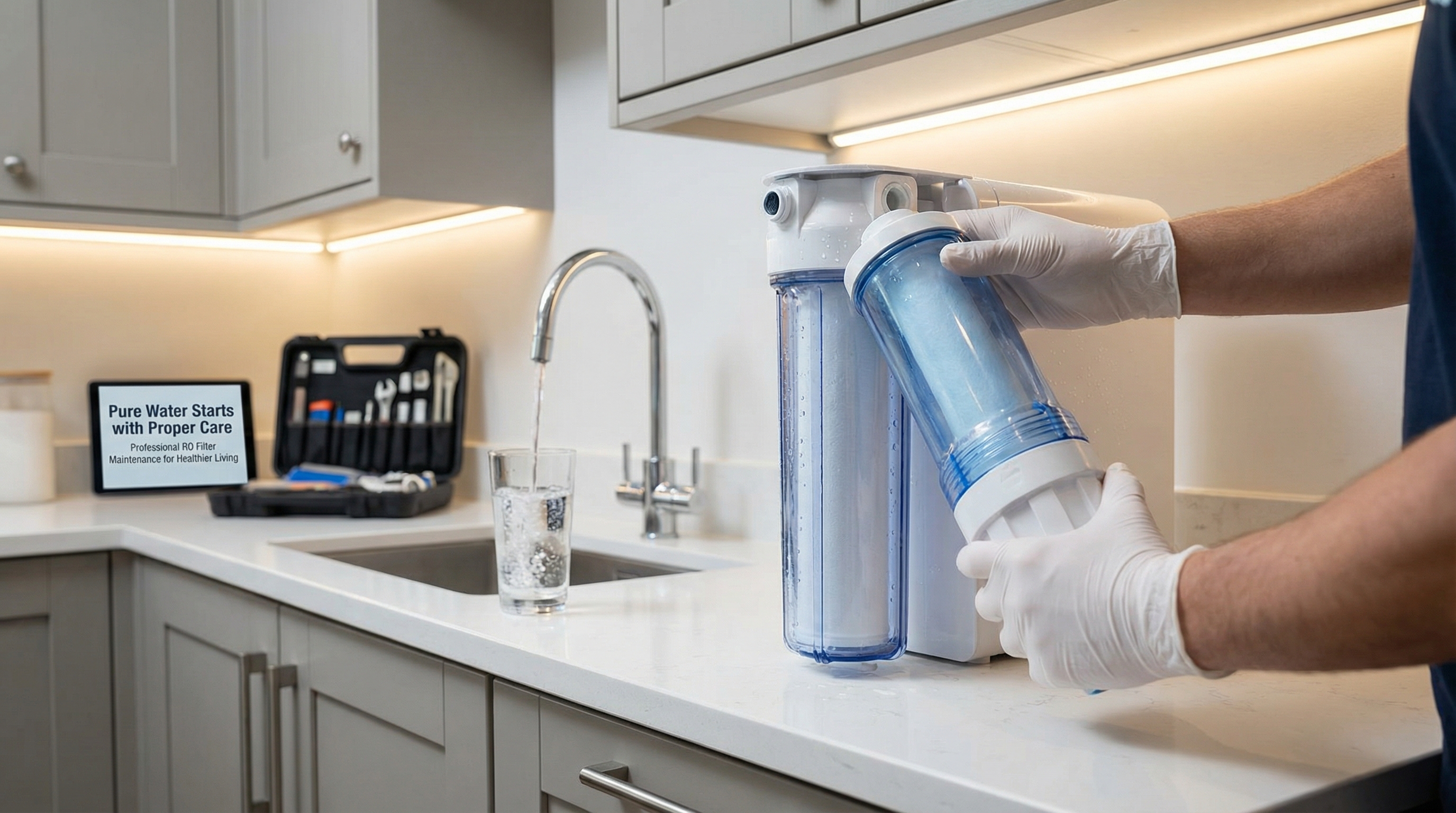
How Regular RO Filter Maintenance and Servicing Enhances Water Quality and System Performance
Clean and safe drinking water forms the foundation of a healthy lifestyle. Modern households increasingly rely on reverse osmosis systems to ensure their families consume water free from contaminants, harmful chemicals, and microorganisms. However, installing a water purification system represents only the first step toward guaranteeing consistent access to pure water. The effectiveness of these systems depends significantly on how well they are maintained over time. Understanding the importance of regular upkeep, recognizing signs that indicate servicing needs, and implementing a systematic care routine can dramatically improve both water quality and equipment longevity.
Many homeowners invest in advanced water purification systems believing that installation alone will solve all their water quality concerns permanently. This misconception often leads to neglected maintenance schedules, resulting in decreased performance, higher operating costs, and potentially compromised water safety. The reality remains that reverse osmosis systems contain multiple components that naturally degrade through continuous use. Membranes become clogged with accumulated particles, filters saturate with contaminants, and various parts experience wear from constant water pressure and flow.
The connection between consistent system care and water purity cannot be overstated. When filters and membranes operate beyond their optimal lifespan, they lose their ability to effectively remove dissolved solids, chemicals, and biological contaminants from your drinking water. This degradation happens gradually, making it difficult to notice changes in water quality until significant deterioration occurs. Regular maintenance prevents this silent decline, ensuring your purification system continues delivering the same high-quality water you experienced when it was newly installed.
Beyond water quality concerns, proper maintenance directly impacts the operational efficiency and lifespan of your investment. A well-maintained system consumes less electricity, wastes less water, and requires fewer emergency repairs. The financial benefits of preventive care far outweigh the costs of neglect, which can lead to complete system failure and expensive replacement needs. By understanding maintenance fundamentals and establishing a consistent care routine, you protect both your health and your wallet while maximizing the value of your water purification investment.
Understanding the Core Components Requiring Regular Attention
Reverse osmosis systems comprise several essential elements that work together to deliver purified water. The pre-filter stage typically includes sediment and carbon filters designed to remove larger particles, chlorine, and organic compounds before water reaches the delicate membrane. These preliminary filters serve as the first line of defense, protecting the more expensive membrane from premature clogging and damage. Depending on your water source quality and usage volume, these filters generally require replacement every six to twelve months to maintain optimal performance.
The semi-permeable membrane represents the heart of any reverse osmosis system, performing the crucial task of rejecting dissolved solids, heavy metals, and microscopic contaminants. This component operates under significant pressure, forcing water molecules through while blocking impurities. Over time, even with proper pre-filtration, the membrane accumulates a layer of rejected materials that gradually reduces its efficiency. Most membranes maintain peak performance for approximately two to three years, though this timeline varies based on water quality, usage patterns, and maintenance consistency.
Post-filters and polishing cartridges provide final treatment before water reaches your tap, removing any residual tastes or odors while ensuring absolute purity. Storage tanks require periodic sanitization to prevent bacterial growth in standing water. Pressure valves, flow restrictors, and check valves all play vital roles in maintaining proper system operation, and these components can wear or malfunction over time. Understanding each element's function and maintenance requirements enables you to anticipate needs and prevent problems before they compromise water quality.
The interconnected nature of these components means neglecting one element affects overall system performance. A clogged pre-filter forces the membrane to handle larger particles, accelerating its degradation. A failing membrane allows contaminants through while increasing strain on post-filters. This cascading effect demonstrates why comprehensive maintenance addressing all components proves more effective than addressing individual elements in isolation.
Recognizing Warning Signs That Indicate Servicing Needs
Changes in water taste often provide the first noticeable indication that your system requires attention. If your purified water develops unusual flavors, metallic notes, or chlorine-like characteristics, filters may be saturated or membranes compromised. Similarly, changes in water odor signal that contaminants are passing through the purification process. These sensory changes should never be ignored, as they directly indicate reduced filtration effectiveness and potential health concerns.
Decreased water flow from your purifier tap suggests blockages or pressure problems within the system. While some flow reduction naturally occurs as filters accumulate particles, significant or sudden decreases indicate urgent maintenance needs. Conversely, if you notice your storage tank empties more quickly than usual or refills slowly, membrane efficiency may have declined, or tank pressure might require adjustment. These flow-related issues affect both convenience and water quality, making prompt attention essential.
Visual inspections reveal important clues about system condition. Water leaks around connections, damp areas beneath the unit, or moisture on external surfaces indicate seal failures or component damage requiring immediate repair. Unusual noises such as constant running, gurgling sounds, or clicking from automatic shut-off valves suggest mechanical problems or pressure imbalances. Many modern systems include indicator lights or digital displays that alert users to filter replacement schedules or system malfunctions, providing convenient reminders for timely maintenance.
Increased water waste represents another subtle sign of system inefficiency. Reverse osmosis naturally produces some wastewater during the purification process, but excessive drain line flow indicates membrane degradation or improper system balance. Monitoring your drain output periodically helps identify efficiency losses before they become severe. Additionally, if you notice your water bill increasing without corresponding usage changes, your purification system might be operating inefficiently and requiring professional evaluation.
The Impact of Consistent Care on Water Purity Standards
Regular maintenance directly influences the Total Dissolved Solids level in your purified water, which measures the concentration of inorganic and organic substances remaining after filtration. A properly maintained system consistently produces water with TDS readings below 50 ppm, while neglected systems may allow readings to climb well above 100 ppm, indicating significant contamination passage. Testing your water quality periodically with an inexpensive TDS meter provides objective data about system performance and helps identify when maintenance is needed.
Microbial contamination poses serious health risks that effective maintenance prevents. Bacteria, viruses, and other microorganisms can colonize various system components, particularly in storage tanks and post-filters where water velocity decreases. Regular sanitization procedures eliminate these biological hazards, ensuring the water reaching your glass remains microbiologically safe. Professional servicing includes thorough disinfection protocols that home maintenance routines cannot fully replicate, making periodic expert intervention essential for comprehensive protection.
Chemical contaminant removal depends heavily on membrane integrity and carbon filter freshness. Heavy metals like lead, arsenic, and mercury require fully functional membranes for effective rejection. Chlorine, pesticides, and volatile organic compounds rely on activated carbon filtration. As these components degrade, their ability to remove specific contaminants diminishes, potentially exposing your family to harmful substances. Maintenance ensures all purification stages operate at design specifications, providing consistent protection against diverse water quality threats.
The cumulative effect of sustained care creates water quality stability that intermittent or reactive maintenance cannot achieve. Families relying on well-maintained systems enjoy consistent taste, odor-free water, and reliable safety year after year. This stability proves particularly important for vulnerable household members including infants, elderly individuals, and those with compromised immune systems who face greater risks from water quality variations.
Establishing an Effective Maintenance Schedule
Creating a maintenance calendar tailored to your specific system and water conditions provides the foundation for effective care. Most manufacturers recommend replacing sediment and carbon pre-filters every six months, though households with particularly hard water or high sediment loads may benefit from quarterly changes. Marking these dates on your household calendar or setting smartphone reminders ensures you never miss critical replacement windows. Keeping spare filters on hand eliminates delays when replacement time arrives.
Membrane replacement typically occurs every two to three years, though testing water quality annually helps determine actual replacement needs. Some membranes maintain effectiveness beyond the standard timeline, while others in challenging water conditions may require earlier replacement. Professional service providers can perform detailed testing and provide recommendations based on your specific situation rather than arbitrary timeframes. This data-driven approach optimizes both performance and cost-effectiveness.
Annual professional servicing supplements routine filter replacements with comprehensive system evaluation and deep cleaning. Trained technicians inspect all components, test system pressures, verify proper valve operation, and sanitize the entire system including storage tanks and connection points. This yearly professional attention catches developing problems before they escalate, extends component lifespan, and ensures all system elements function harmoniously. The modest annual investment in professional service prevents costly emergency repairs and premature system replacement.
Daily and weekly user checks complement scheduled maintenance tasks. Briefly inspecting your system for leaks, listening for unusual sounds, and noticing water quality changes takes only moments but provides early warning of developing issues. Maintaining a simple log noting filter change dates, service visits, and any observations creates a valuable reference for tracking system history and identifying patterns that might indicate recurring problems requiring attention.
Different Approaches to System Maintenance and Care
Do-it-yourself maintenance appeals to handy homeowners who enjoy managing their own equipment care. Replacing filters and cartridges involves straightforward procedures that most people can learn with basic guidance. Manufacturers provide detailed instructions, and numerous online resources demonstrate proper techniques. This approach offers cost savings on labor and provides immediate response when maintenance needs arise. However, DIY maintenance requires proper tools, understanding of system mechanics, and careful attention to sanitation protocols to avoid introducing contamination during component changes.
Professional maintenance services provide expertise, specialized tools, and comprehensive care that surpass typical homeowner capabilities. Experienced technicians quickly identify subtle problems that untrained eyes might miss, preventing minor issues from developing into major failures. Professional service typically includes system sanitization, pressure testing, performance verification, and warranty protection that DIY maintenance cannot offer. For households lacking mechanical aptitude, time, or inclination for equipment maintenance, professional service provides peace of mind and superior results.
Hybrid approaches combine routine filter replacements performed by homeowners with annual or bi-annual professional comprehensive servicing. This balanced strategy captures cost savings from DIY routine maintenance while ensuring expert evaluation and deep cleaning occur regularly. Many families find this middle path optimal, allowing them to stay connected with their system's condition while benefiting from professional expertise for complex tasks and thorough annual check-ups.
Service contracts offered by many providers bundle scheduled maintenance, emergency response, and parts replacement into predictable monthly or annual fees. These agreements eliminate forgotten maintenance tasks, provide priority service access, and often include discounts on repairs. For busy households or those uncomfortable with equipment maintenance, service contracts deliver convenience and comprehensive protection. Evaluating contract terms carefully ensures you receive appropriate service frequency and coverage for your specific system and household needs.
How Leading Manufacturers Support System Longevity
The water purification industry includes numerous companies dedicated to helping customers maintain system performance through accessible parts, service networks, and customer support. Doctor Fresh has established a reputation for responsive customer service and readily available replacement components. RO Care India focuses specifically on reverse osmosis system maintenance, offering specialized expertise and comprehensive service packages designed to maximize system lifespan and performance.
Mannubhai Service Expert provides professional maintenance services across multiple brands, delivering trained technicians who understand the nuances of different system designs. Their multi-brand expertise proves valuable for households with various water treatment equipment requiring coordinated maintenance approaches. Kent supports its customer base through an extensive service network and readily available genuine parts designed specifically for their systems, ensuring compatibility and optimal performance.
Aquaguard maintains service centers in numerous locations, providing convenient access to professional maintenance and genuine replacement components. Their trained technicians follow manufacturer-specified protocols ensuring service quality and warranty compliance. Aquafresh offers customer education resources alongside professional services, helping users understand their systems and recognize maintenance needs early.
Pureit emphasizes user-friendly design with clear filter replacement indicators and accessible component replacement procedures, supporting both DIY and professional maintenance approaches. Blue Star leverages its extensive home appliance service network to provide water purification system maintenance alongside their other product lines. LG integrates smart technology into some systems, providing maintenance reminders and performance monitoring through smartphone applications that help users stay current with care requirements.
The Economic Benefits of Preventive System Care
Comparing maintenance costs against replacement expenses clearly demonstrates the financial wisdom of regular care. A complete reverse osmosis system replacement typically costs several hundred to several thousand dollars depending on capacity and features. Annual maintenance including filter replacements and professional service generally totals less than one-fifth of replacement cost. Over a properly maintained system's ten to fifteen year lifespan, this preventive investment saves thousands compared to premature replacement from neglect.
Energy efficiency improves with proper maintenance, as clean filters and membranes require less pressure and pump operation to produce purified water. This reduced energy consumption translates to lower electricity bills over time. Similarly, well-maintained systems waste less water by maintaining optimal membrane efficiency and proper flow restriction. In regions with high water costs, this efficiency directly impacts household expenses while supporting environmental conservation.
Avoiding emergency repairs provides substantial savings beyond routine maintenance costs. A burst connection or failed component requiring immediate attention often costs two to three times more than the same repair performed during scheduled service. Emergency calls typically involve premium pricing for urgent response, plus the inconvenience of unexpected disruption and temporary loss of purified water access. Preventive maintenance eliminates most emergency situations, keeping both costs and stress levels predictable and manageable.
Health cost considerations, though difficult to quantify precisely, represent significant economic factors. Waterborne contaminants contribute to various acute and chronic health conditions requiring medical treatment. While insurance may cover some healthcare costs, deductibles, copays, missed work, and reduced quality of life create substantial personal expenses. Reliable water purification through proper maintenance represents affordable health insurance, preventing problems rather than treating their consequences.
Seasonal Considerations for Optimal System Performance
Winter months present unique challenges in some regions where freezing temperatures threaten system components. Water supply lines, storage tanks, and the purifier itself can sustain damage from ice formation if installed in unheated areas. Insulating exposed components and maintaining adequate ambient temperatures prevents freeze damage. If you close a seasonal property, draining the system completely before winter protects against freeze-related failures. Professional winterization services ensure proper procedures for seasonal shutdowns and spring reactivation.
Summer typically brings increased water consumption as families spend more time at home and outdoor activities increase hydration needs. Higher usage accelerates filter saturation, potentially requiring more frequent replacement than standard schedules suggest. Monitoring water quality closely during peak usage periods helps identify when filters reach capacity before significant performance degradation occurs. Some households schedule major maintenance tasks for late spring, ensuring systems operate at peak efficiency through summer demand.
Monsoon seasons or periods of heavy rainfall affect water quality in many regions, increasing sediment loads and microbial contamination risks in source water. Pre-filters may require more frequent replacement during these periods to handle elevated particle levels. Well water users particularly notice seasonal variations that impact system demands. Adapting maintenance schedules to local seasonal water quality patterns optimizes system performance and extends component life.
Holiday periods when guests increase household occupancy temporarily boost water purification demands. Planning maintenance before anticipated heavy usage periods ensures your system operates at peak capacity when needed most. Similarly, if you know your household will be away for extended periods, adjusting service timing to occur just before or after absences maximizes the value of professional maintenance visits.
Advanced Testing for Comprehensive Quality Assurance
Beyond basic TDS measurements, comprehensive water quality testing reveals detailed information about purification effectiveness. Independent laboratories analyze water samples for specific contaminants including heavy metals, pesticides, bacteria, and chemical compounds. Comparing source water and purified water test results objectively documents system performance and identifies potential weaknesses requiring attention. Annual testing provides peace of mind and early warning if filtration effectiveness declines.
Home testing kits offer convenient options for monitoring common parameters including pH, hardness, chlorine, and various contaminants. While less comprehensive than laboratory analysis, these kits provide useful data for tracking trends and identifying obvious problems. Maintaining test result records over time creates a performance history that helps predict maintenance needs and evaluate service quality. Sudden changes in any parameter warrant investigation even if other indicators suggest normal operation.
Pressure testing evaluates mechanical system operation, identifying restrictions, leaks, or pump inefficiency affecting performance. Professional technicians use specialized gauges to measure pressure at various system points, comparing readings against manufacturer specifications. Pressure irregularities often indicate developing problems before they cause noticeable symptoms, allowing preventive intervention. This diagnostic approach prevents minor issues from escalating into major failures requiring extensive repairs.
Flow rate measurements assess system productivity and efficiency. Recording how long your storage tank requires for complete refilling provides a simple performance metric. Significant increases in refill time indicate membrane fouling or pump degradation. Similarly, measuring purified water output volume over specific time periods tracks production capacity trends. Declining output warns of efficiency losses requiring maintenance attention.
Environmental Advantages of Well-Maintained Systems
Properly maintained reverse osmosis systems reduce reliance on bottled water, eliminating plastic waste and transportation environmental impacts. A single household system prevents thousands of plastic bottles from entering waste streams over its operational lifetime. This waste reduction represents a significant environmental contribution, particularly as plastic pollution concerns intensify globally. Extending system life through maintenance multiplies these environmental benefits by delaying replacement and the associated manufacturing resource consumption.
Water conservation improves with maintenance, as efficient systems waste less water during the purification process. While reverse osmosis inherently produces some wastewater, degraded membranes and inefficient operation increase this ratio substantially. Well-maintained systems optimize the purified-to-waste water balance, conserving precious water resources while meeting household needs. In water-scarce regions, this efficiency holds particular importance for sustainable resource management.
Energy efficiency gains from maintenance reduce your household carbon footprint. Electrical consumption for water purification, though modest compared to major appliances, accumulates significantly over years of operation. Clean filters and properly functioning components require less energy to produce the same water volume. This efficiency reduces demand on power generation systems and associated environmental impacts including greenhouse gas emissions and resource extraction.
Manufacturing new systems consumes raw materials, energy, and generates waste throughout production and distribution chains. Extending existing system life through proper maintenance reduces demand for new unit production, conserving resources and reducing manufacturing environmental impacts. This circular economy approach maximizes value from existing resources while minimizing waste and new consumption needs.
Conclusion
The relationship between consistent maintenance and superior water quality remains absolute and undeniable. Reverse osmosis systems provide outstanding purification capabilities, but only when properly cared for through regular filter replacements, component servicing, and professional evaluation. Families who establish systematic care routines enjoy pure, safe drinking water year after year while maximizing their investment value and minimizing operational costs. The warning signs indicating service needs become recognizable with attention and experience, allowing homeowners to address problems proactively before water quality or system function suffers significantly.
Whether you choose do-it-yourself approaches, professional service contracts, or hybrid strategies combining both, the essential requirement remains consistent attention and timely action. Seasonal variations, usage patterns, and source water quality all influence optimal maintenance schedules, requiring flexibility and observation rather than rigid adherence to generic recommendations. Advanced testing provides objective performance data, while daily awareness of system condition enables early problem detection and prevention.
The economic, health, and environmental benefits of proper reverse osmosis system care far exceed the modest time and financial investments required. Comparing maintenance costs against replacement expenses, emergency repairs, potential health impacts, and bottled water alternatives clearly demonstrates the wisdom of preventive care. Modern systems from reputable manufacturers include support resources, accessible parts, and service networks that facilitate maintenance success regardless of technical expertise level.
Ultimately, access to consistently pure drinking water depends not on initial system purchase but on sustained commitment to proper care. By understanding component functions, recognizing maintenance needs, establishing appropriate schedules, and accessing quality service when needed, you ensure your water purification system delivers the health protection and quality of life benefits that motivated its installation. The investment in regular maintenance represents an investment in your family's health, your financial wellbeing, and environmental responsibility that pays dividends for years to come.
FAQ
Q - How often should I replace the filters in my reverse osmosis system?
A - Pre-filters including sediment and carbon filters typically require replacement every six to twelve months, depending on your water quality and usage volume. The reverse osmosis membrane generally lasts two to three years with proper care. However, households with particularly hard water or high sediment loads may need more frequent replacements. Monitoring water taste, flow rate, and conducting periodic quality tests helps determine actual replacement needs rather than relying solely on generic timelines.
Q - What are the most common signs that my water purification system needs servicing?
A - The primary indicators include changes in water taste or odor, decreased water flow from the purifier tap, visible leaks around connections, and unusual noises from the system. You might also notice your storage tank emptying faster than normal or refilling slowly. If you test your water and find Total Dissolved Solids levels rising above 50 parts per million, this signals declining filtration effectiveness requiring immediate attention.
Q - Can I perform maintenance myself or should I hire a professional service?
A - Many homeowners successfully handle routine filter replacements following manufacturer instructions, which offers cost savings and immediate response to maintenance needs. However, annual professional servicing provides comprehensive system evaluation, specialized testing, thorough sanitization, and expert identification of developing problems that untrained users might miss. A balanced approach combining DIY filter changes with yearly professional service often delivers optimal results for both performance and cost-effectiveness.
Q - How does regular maintenance affect the lifespan and operating costs of my system?
A - Proper maintenance can extend system lifespan from the typical seven to eight years to fifteen years or more, representing substantial savings compared to premature replacement costs. Well-maintained systems consume less electricity due to improved efficiency, waste less water through optimal membrane performance, and require fewer emergency repairs. The annual investment in preventive care typically totals less than one-fifth of complete system replacement cost while preventing expensive failures and ensuring consistent water quality.
Related Blogs
- Ensuring Pure Drinking Water Through Proper Reverse Osmosis System Care
- Complete RO Water Purifier Service and Care Manual
- Understanding Professional Water Purification System Service Expenses in India
- Troubleshooting Your Home Water Filtration System: A Complete Guide
- Understanding When Your Reverse Osmosis Water Purifier Demands Immediate Attention