

Professional Water Purifier Repair Solutions: Your Chennai Resource Guide
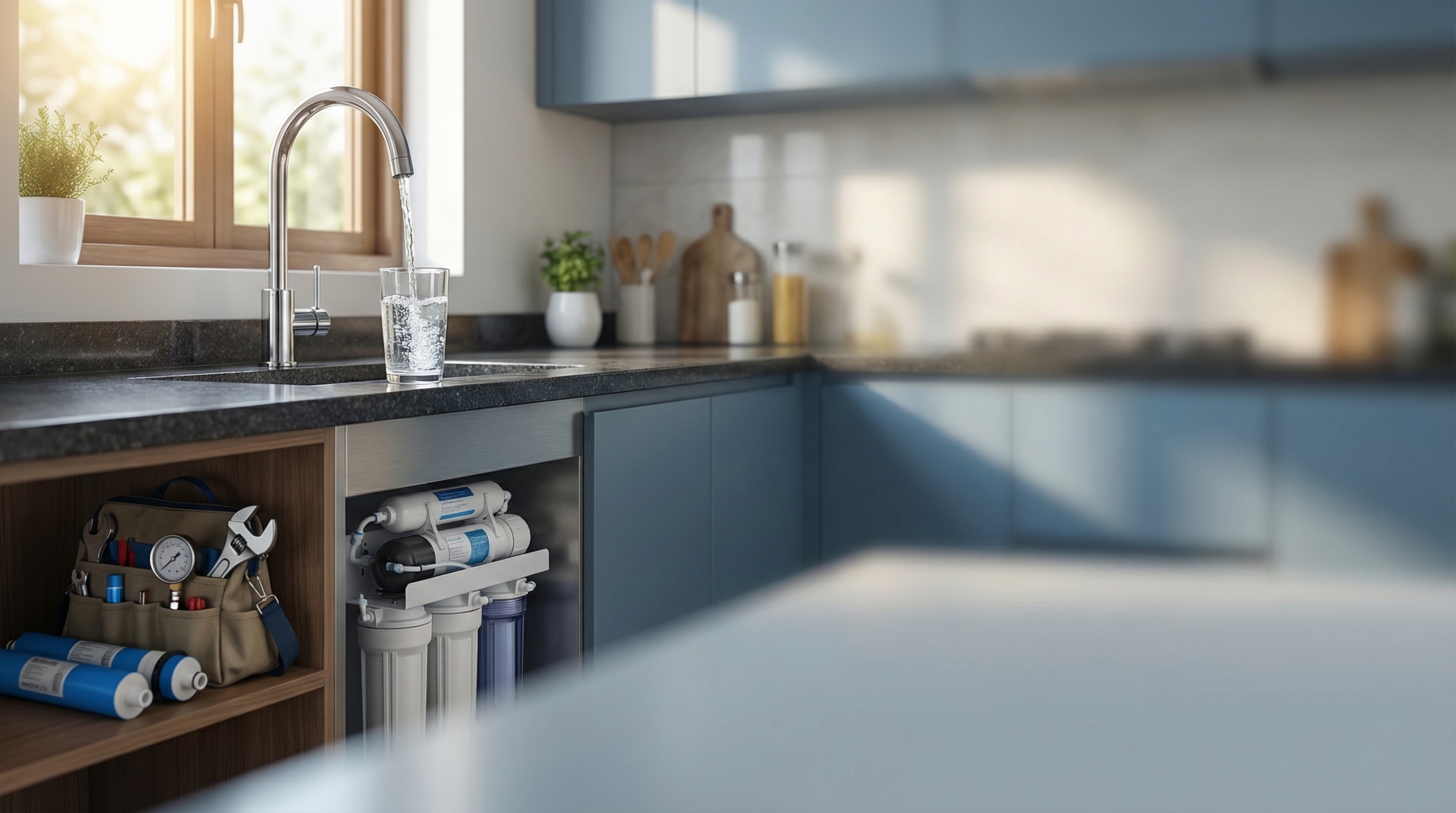
Clean drinking water remains a fundamental necessity for every household, and in a bustling metropolitan city, water purification systems have become indispensable appliances in modern homes. These devices work tirelessly to remove contaminants, dissolved solids, and harmful microorganisms from your drinking water supply. However, like any mechanical system, these purification units require periodic maintenance and occasional repairs to continue functioning optimally.
Chennai's water quality presents unique challenges that make purification systems particularly important for residents. The city's groundwater often contains elevated levels of total dissolved solids, chlorides, and hardness minerals. This demanding environment puts considerable stress on purification equipment, leading to more frequent servicing needs compared to areas with better water quality. Understanding how to maintain and repair these essential appliances becomes crucial for ensuring your family's access to safe drinking water.
Many homeowners face confusion when their purification system begins showing signs of trouble. Strange noises, reduced water flow, unusual taste, or complete system failure can all indicate underlying problems. Knowing when to attempt simple troubleshooting versus calling professional assistance can save both time and money. Additionally, understanding the typical expenses associated with various repairs helps homeowners budget appropriately and avoid overpaying for services.
This comprehensive guide explores everything Chennai residents need to know about maintaining their water purification systems. From identifying common malfunctions to understanding pricing structures and finding qualified technicians, we cover the essential information that empowers you to make informed decisions about your appliance's care and maintenance.
Understanding Your Water Purification System's Components
Modern water purifiers contain several critical components that work together to deliver clean drinking water. The pre-filter stages remove larger particles like sediment, rust, and dirt before water reaches the semi-permeable membrane. This membrane represents the heart of the purification process, where dissolved impurities are separated from clean water molecules through a pressure-driven process. The post-carbon filter then removes any residual odors or tastes before water reaches your glass.
The storage tank maintains a reserve of purified water, ensuring immediate availability when you need it. A booster pump increases water pressure to push liquid through the membrane effectively, especially important in areas with low municipal water pressure. The automatic shut-off valve prevents overflow by stopping production when the storage tank reaches capacity. Electronic control boards manage these various functions, monitoring filter life and system performance.
Understanding these components helps you recognize which part might be causing problems when your system malfunctions. For instance, if water production slows dramatically, the issue might involve the membrane, booster pump, or pre-filters. If water tastes unusual despite normal flow, the post-carbon filter might need replacement. This basic knowledge enables more productive conversations with service technicians and helps you verify that recommended repairs address the actual problem.
Regular maintenance schedules should include periodic replacement of filters according to manufacturer specifications, typically every six to twelve months depending on water quality and usage. The membrane generally lasts two to three years under normal conditions but may require earlier replacement in areas with particularly challenging water. Proactive maintenance prevents many common problems and extends your system's overall lifespan.
Common Problems Affecting Purification Systems
Several issues frequently affect water purification equipment in Chennai homes. Reduced water flow represents one of the most common complaints, often caused by clogged pre-filters, a fouled membrane, or insufficient input water pressure. When filters become saturated with contaminants, they restrict water passage, forcing your system to work harder and produce less output. Similarly, when the membrane accumulates scale or biological fouling, its effectiveness diminishes significantly.
Water leakage presents another prevalent problem that homeowners encounter. Leaks can develop at various connection points, including filter housing seals, tubing connections, or the storage tank valve. Even small leaks waste significant water over time and can damage surrounding cabinetry or flooring. Identifying the leak source quickly prevents secondary damage and water waste. Sometimes leaks occur due to normal wear on rubber gaskets and O-rings, while other times they indicate improper installation or component failure.
Unusual taste or odor in purified water signals potential problems with filter exhaustion or biological growth within the system. The activated carbon filters specifically target taste and odor compounds, but once saturated, they can no longer remove these substances effectively. Stagnant water in the storage tank or tubing can also develop bacterial growth, producing unpleasant tastes and odors. Regular sanitization and timely filter changes prevent these issues.
System failure to start or frequent tripping of the electrical supply indicates electrical component problems. The control board, transformer, or solenoid valves may malfunction due to power surges, water exposure, or component age. These electrical issues require professional diagnosis and repair since improper handling can cause further damage or create safety hazards. Strange noises during operation, such as grinding, knocking, or continuous humming, also indicate mechanical problems requiring attention.
Types of Maintenance and Repair Work
Routine maintenance represents the foundation of proper system care. This includes scheduled filter replacements, system sanitization, and performance checks. During routine maintenance, technicians replace sediment filters, carbon filters, and inspect the membrane condition. They check all connections for potential leaks, test water quality output, and ensure proper system pressure. Regular maintenance prevents most major problems and keeps your system operating efficiently.
Membrane replacement constitutes a significant service that becomes necessary every two to three years. The membrane's performance gradually declines as contaminants accumulate on its surface. Technicians remove the old membrane, clean the housing, and install a new membrane element. They then flush the system thoroughly and test water quality to ensure proper purification levels. This service significantly impacts system performance and water quality.
Component repairs address specific failures like malfunctioning pumps, faulty valves, or defective electronic controls. When the booster pump fails, technicians diagnose whether repair or replacement offers the best solution. Solenoid valve problems affecting water flow or automatic shut-off require valve replacement. Control board issues might involve repairing circuit connections or replacing the entire board depending on the damage extent.
Complete system overhaul becomes necessary when multiple components require attention simultaneously or when the system has operated without proper maintenance for extended periods. This comprehensive service includes replacing all filters, the membrane, checking and replacing worn seals and O-rings, cleaning the storage tank, and testing all electrical components. While representing a larger initial investment, a complete overhaul can restore an aging system to near-new performance levels.
Service Pricing Structures in Chennai
Understanding typical costs helps homeowners budget appropriately for maintenance and repairs. Basic service visits for routine maintenance generally range from 350 to 600 rupees, depending on the service provider and your location within Chennai. This typically includes inspection, minor adjustments, and a service report, though filter replacements carry additional charges.
Filter replacement costs vary by filter type and quality. Sediment and carbon pre-filters typically cost between 150 to 400 rupees each. Post-carbon filters range from 200 to 500 rupees. Complete filter sets, excluding the membrane, generally cost 800 to 2000 rupees depending on brand and quality specifications. Premium filters with enhanced contaminant removal capabilities command higher prices.
Membrane replacement represents a more substantial expense, with prices ranging from 1500 to 4500 rupees depending on membrane capacity and quality. Higher capacity membranes suitable for larger households or commercial applications cost more than standard residential membranes. Original equipment manufacturer membranes typically exceed aftermarket alternatives in price but often deliver superior performance and longevity.
Component replacements vary widely based on the specific part. Booster pumps cost between 1200 to 3500 rupees including installation. Solenoid valves range from 400 to 1200 rupees. Electronic control boards vary from 1500 to 5000 rupees depending on system sophistication. Storage tanks cost 800 to 2500 rupees based on capacity. Complete system overhauls typically range from 4000 to 8000 rupees, offering comprehensive restoration at a bundled price.
Identifying Qualified Service Providers
Finding reliable technicians ensures quality repairs and fair pricing. Look for service providers with established businesses and verifiable credentials rather than individual operators without proper documentation. Established companies typically maintain parts inventories, offer service warranties, and employ trained technicians with ongoing education about newer technologies.
Customer reviews and testimonials provide valuable insights into service quality and reliability. Online platforms now make it easy to research service providers before making contact. Pay attention to feedback regarding punctuality, pricing transparency, work quality, and post-service support. Consistent positive reviews across multiple platforms indicate reliable service, while patterns of complaints about hidden charges or repeat problems suggest providers to avoid.
Authorized service centers for major brands bring specialized knowledge about specific product lines. These technicians receive factory training and access to genuine replacement parts designed for your particular model. While authorized service may carry premium pricing, the assurance of correct diagnosis and appropriate repairs often justifies the additional expense, particularly for systems still under warranty.
Local independent service providers often offer competitive pricing and personalized attention. Many experienced technicians establish independent businesses after training with larger companies, bringing expertise and more flexible service options. These providers may offer better value for routine maintenance and common repairs while still delivering quality workmanship.
Brand-Specific Considerations and Support Networks
Different manufacturers maintain varying levels of service infrastructure in Chennai. Doctor Fresh has built a reputation for prompt service response, particularly in residential areas. Their technicians receive regular training updates and maintain access to genuine replacement components. RO Care India operates multiple service centers across Chennai, offering both scheduled maintenance programs and emergency repair services with competitive pricing structures.
Mannubhai Service Expert specializes in commercial and residential installations, providing comprehensive after-sales support including annual maintenance contracts. Their service agreements include scheduled visits, priority emergency response, and discounted parts pricing. Kent maintains an extensive network of authorized service centers throughout Chennai, ensuring most areas have relatively convenient access to factory-trained technicians familiar with their product lineup.
Aquaguard, one of the pioneering brands in the market, operates company-owned service centers alongside authorized partners. Their widespread presence means relatively quick response times for service calls. Aquafresh focuses on affordable solutions with a service network emphasizing rapid turnaround times for common repairs. Pureit's service structure emphasizes their unique filter technology, with technicians specifically trained in their gravity-based and electric purification systems.
Blue Star leverages its broader home appliance service network to support water purifier customers, offering integrated service for multiple home appliances through single contact points. LG combines water purifier service with their electronics and appliance service infrastructure, providing multi-brand service capabilities through their extensive Chennai presence. Understanding each brand's service approach helps you set realistic expectations for response times and service quality.
Preventive Measures for Extended System Life
Implementing preventive strategies significantly reduces repair frequency and extends system lifespan. Regular filter changes according to manufacturer schedules prevent excessive strain on downstream components. Operating with clogged filters forces the pump to work harder, potentially shortening its lifespan. Similarly, exhausted pre-filters allow sediment to reach the membrane, accelerating its degradation.
Input water quality monitoring helps you anticipate maintenance needs. If municipal water quality deteriorates seasonally or your groundwater source shows increasing contamination, you may need more frequent filter changes. Installing a basic sediment pre-filter before your purification system provides an additional protection layer, particularly beneficial in areas with variable water quality.
Proper system sanitization prevents biological growth that causes taste and odor problems. Every six months, running a sanitizing solution through your system eliminates bacterial accumulation in storage tanks and tubing. Many service providers include sanitization in their maintenance visits, but homeowners can also purchase food-grade sanitizing solutions for this purpose.
Protecting electrical components from power fluctuations extends their lifespan considerably. Installing a voltage stabilizer or surge protector dedicated to your purification system prevents damage from electrical spikes common in many Chennai neighborhoods. This relatively small investment prevents expensive control board replacements and extends your system's electronic component longevity.
Emergency Situations and Rapid Response
Certain situations demand immediate attention rather than waiting for scheduled service appointments. Complete system failure leaving your household without purified water constitutes an emergency, particularly for families with young children or elderly members. Significant water leaks that threaten property damage also require urgent response to minimize secondary damage to cabinetry, flooring, or walls.
Water quality deterioration, evidenced by cloudiness, unusual color, or strong odors, demands prompt investigation since these symptoms might indicate serious contamination issues. While not always indicating immediate health risks, such changes warrant testing and system inspection to ensure safe drinking water. Unusual electrical symptoms like sparking, burning smells, or repeated circuit breaker trips require immediate system shutdown and professional evaluation for safety reasons.
Many service providers now offer emergency response services with premium charges for same-day or after-hours visits. Understanding which situations truly require emergency response versus those that can wait for regular business hours helps you make cost-effective decisions. Keep contact information for your preferred service provider easily accessible so you can respond quickly when urgent situations arise.
Maintaining a supply of bottled water or having an alternative water source plan provides peace of mind during system downtime. Even with rapid response services, repairs may require several hours or necessitate ordering specific parts. Having backup water sources ensures your household's needs are met during the repair period without creating additional stress.
Making Informed Service Decisions
When facing repair decisions, gathering complete information ensures you choose the most appropriate solution. Request detailed explanations of diagnosed problems, including which components are affected and why failure occurred. Understanding the root cause helps you evaluate whether the proposed repair addresses the fundamental issue or merely treats symptoms.
Obtain itemized cost estimates before authorizing work. Detailed quotes should separately list service charges, component costs, and any additional fees. This transparency allows you to verify pricing reasonableness and avoid surprise charges when receiving your final bill. Reputable service providers willingly provide written estimates and explain any charges you question.
Consider the system's age and overall condition when deciding between repairs and replacement. If your system is approaching or exceeding its expected lifespan and requires expensive repairs, investing in a new system might provide better long-term value. Calculate the repair cost as a percentage of new system cost—repairs exceeding 50 percent of replacement cost often favor new equipment, particularly when considering improved efficiency and features of newer models.
Warranty coverage significantly impacts repair decisions. If your system remains under manufacturer warranty, always contact authorized service centers first since unauthorized repairs typically void warranty coverage. Even for older systems, some component manufacturers offer separate warranties on replacement parts, providing protection for repaired components.
Conclusion
Maintaining your water purification system requires understanding its components, recognizing common problems, and knowing how to access quality repair services. Chennai residents face particular challenges due to local water quality characteristics, making regular maintenance and prompt repairs especially important for ensuring continuous access to safe drinking water.
Understanding typical repair costs and service pricing helps you budget appropriately and recognize fair market rates. Whether addressing routine maintenance, component failures, or complete system overhauls, informed homeowners make better decisions about their equipment care. Preventive maintenance extends system lifespan while reducing unexpected repair expenses and inconvenient breakdowns.
Finding qualified service providers through research, reviews, and credential verification ensures quality repairs at reasonable prices. Whether choosing authorized brand service centers or reliable independent technicians, prioritize providers who demonstrate expertise, transparency, and customer focus. Building relationships with trusted service providers simplifies future maintenance needs and provides reliable support when problems arise.
Your water purification system represents an important investment in your family's health and well-being. Treating it as essential household infrastructure deserving proper care and maintenance ensures it continues delivering clean, safe drinking water for years to come. By implementing the insights and strategies outlined in this guide, you can confidently manage your system's maintenance needs and make informed decisions about repairs when necessary.
Q: How often should I replace the filters in my water purification system?
A: Filter replacement frequency depends on water quality and usage patterns. Sediment and carbon pre-filters typically require replacement every six to twelve months under normal conditions. The semi-permeable membrane generally lasts two to three years. However, Chennai's water quality challenges, including high TDS and hardness minerals, may necessitate more frequent changes. Monitor your system's performance indicators and follow manufacturer recommendations for optimal results.
Q: What are the warning signs that my purification system needs professional repair?
A: Several symptoms indicate your system requires professional attention. Significantly reduced water flow suggests clogged filters or membrane fouling. Unusual taste or odor in purified water indicates filter exhaustion or bacterial growth. Visible water leaks at connections or housing seals require immediate attention to prevent property damage. Strange operational noises, failure to start, or frequent electrical tripping signal mechanical or electrical component problems that need expert diagnosis.
Q: How can I differentiate between a minor issue I can fix myself and a problem requiring professional service?
A: Simple filter replacements during scheduled maintenance can typically be handled by homeowners with basic instructions. However, membrane replacement, pump repairs, electrical component troubleshooting, and leak repairs beyond simple connection tightening require professional expertise. If you're uncertain about the problem's source, notice multiple simultaneous issues, or encounter electrical concerns, professional diagnosis ensures proper repairs without risking further damage or safety hazards.
Q: What factors should I consider when choosing between repairing my current system and purchasing a new one?
A: Evaluate your system's age relative to its expected lifespan, typically seven to ten years with proper maintenance. Calculate repair costs as a percentage of new system pricing—repairs exceeding 50 percent of replacement cost often favor new equipment. Consider whether multiple components need attention simultaneously, which suggests overall system degradation. Newer systems offer improved efficiency, advanced features, and manufacturer warranties that may provide better long-term value than extensive repairs on aging equipment.
Short Informational CTA
Is your water purifier showing signs of trouble or due for maintenance? Learn more about preventive care practices and system optimization techniques that can help you identify potential issues early, understand your equipment better, and make informed decisions about professional service timing for your household's water purification needs.
Related Blogs
- Troubleshooting Your Home Water Filtration System: A Complete Guide
- The Comprehensive Guide to Maintaining Your Reverse Osmosis System for Superior Water Quality
- Understanding the Right Time for RO Water Purifier Filter Changes
- Complete RO Water Purifier Service and Care Manual
- Understanding Professional Water Purification System Service Expenses in India