

**Understanding When Your Reverse Osmosis Water Purifier Demands Immediate Attention**
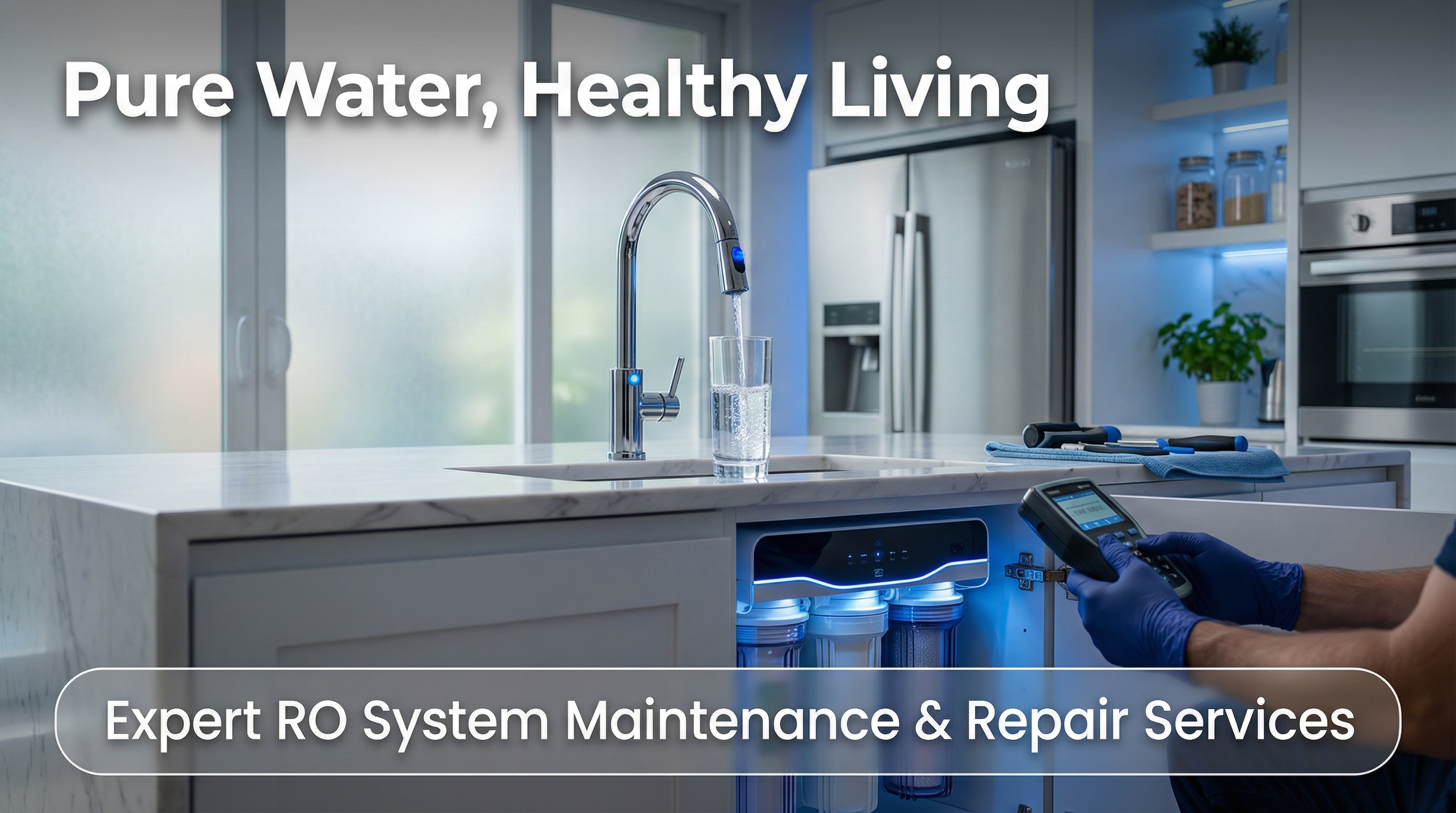
Access to Clean Drinking Water: The Foundation of Household Health
Access to clean drinking water remains one of the most fundamental necessities for maintaining good health and wellbeing in modern households. Reverse osmosis water purification systems have become increasingly popular across urban and suburban areas, providing families with reliable access to purified water free from contaminants, dissolved solids, and harmful microorganisms. These sophisticated filtration devices work tirelessly to ensure that every glass of water consumed meets stringent quality standards, protecting household members from waterborne diseases and chemical pollutants.
However, like any mechanical system that operates continuously, reverse osmosis purifiers experience wear and tear over time. Various components within these filtration units have limited lifespans and require periodic maintenance to function at optimal capacity. When certain parts begin to deteriorate or malfunction, the entire purification process becomes compromised, potentially exposing your family to water quality issues that defeat the very purpose of having a filtration system installed in the first place.
Many homeowners remain unaware of the telltale indicators that their water purification equipment has developed problems requiring professional intervention. This lack of awareness can lead to prolonged consumption of inadequately filtered water, which may contain harmful substances that the failing system can no longer effectively remove. Recognizing these warning signals early enables timely corrective action, preventing more serious damage to the equipment and ensuring continuous access to safe drinking water.
Understanding the specific symptoms that indicate your reverse osmosis purifier needs immediate professional attention empowers you to take swift action before minor issues escalate into major problems. This comprehensive guide explores the critical warning signs that should never be ignored, helping you maintain your water purification system in peak operating condition and safeguarding your household's health through consistent access to properly filtered drinking water.
Noticeable Decline in Water Flow Rate
One of the most obvious indicators that something has gone wrong with your reverse osmosis purification system manifests as a significant reduction in the rate at which filtered water flows from the dispensing faucet. When your system operated normally, filling a glass or container took a predictable amount of time. A sudden or gradual decrease in this flow rate suggests internal problems that demand investigation.
Several underlying causes can contribute to diminished water output. The semi-permeable membrane, which serves as the heart of the reverse osmosis filtration process, may have become clogged with accumulated sediment, minerals, and organic matter that it has filtered from incoming water over months of continuous operation. As this membrane becomes increasingly obstructed, water struggles to pass through its microscopic pores, resulting in noticeably slower dispensing rates.
Pre-filters designed to capture larger particles before water reaches the membrane can also become saturated with contaminants. When these preliminary filtration stages become excessively clogged, they restrict water flow throughout the entire system. Additionally, problems with the storage tank, such as reduced air pressure in the bladder or a ruptured internal diaphragm, can prevent adequate water pressure from building up, leading to weak flow at the faucet even when the membrane itself remains functional.
Low incoming water pressure from the municipal supply or well system can similarly affect output rates. However, if your general household water pressure remains normal while your purifier produces water at a crawl, the problem lies within the purification equipment itself. This situation typically indicates that maintenance or component replacement has become necessary to restore proper functionality.
Unusual Tastes or Odors in Filtered Water
The primary purpose of installing a reverse osmosis water purification system centers on improving the taste, odor, and overall quality of drinking water. When you begin detecting unusual flavors or unpleasant smells in water that should be pure and refreshing, this represents a serious red flag indicating compromised filtration performance.
Various factors can introduce unwanted tastes and odors into supposedly purified water. Exhausted carbon filters, which normally remove chlorine, volatile organic compounds, and other taste-affecting substances, lose their adsorptive capacity over time. When these filters reach the end of their effective lifespan, they can no longer eliminate the chemicals and compounds responsible for unpleasant water characteristics, allowing these substances to pass through to your drinking glass.
A deteriorating or damaged membrane may permit contaminants that should be rejected during the filtration process to pass through into the purified water reservoir. This membrane failure compromises the fundamental purification function and allows dissolved solids, minerals, and other substances to contaminate what should be high-quality filtered water. The resulting taste can range from slightly off to distinctly unpleasant, depending on the severity of the membrane damage and the contaminant profile of your incoming water supply.
Bacterial growth within the storage tank or along internal tubing represents another potential cause of foul-smelling or bad-tasting water. When sanitization has been neglected or when the system remains unused for extended periods, microorganisms can colonize internal surfaces and multiply, introducing musty, earthy, or otherwise disagreeable flavors and aromas. This biological contamination defeats the health protection purpose of having a purification system and requires immediate professional cleaning and sanitization.
Visible Changes in Water Clarity and Appearance
Pure water emerging from a properly functioning reverse osmosis system should appear crystal clear, without any visible cloudiness, discoloration, or suspended particles. When filtered water displays any optical irregularities, this visual evidence signals that the purification process has been compromised and investigation is warranted.
Cloudy or milky water often results from excessive air dissolved in the water or from fine particles that the filtration system has failed to remove. While small amounts of dissolved air typically disperse quickly and pose no health concern, persistent cloudiness suggests inadequate filtration. This condition may indicate membrane damage, saturated pre-filters, or problems with the system's ability to maintain proper pressure differentials during the filtration process.
Discolored water ranging from yellow or brown tints to more pronounced coloration definitively indicates that contaminants are passing through the filtration system unchecked. Rust particles from corroded pipes or tank components, organic matter, or other dissolved substances should be rejected by a functioning system. When these materials appear in filtered water, it confirms that critical components have failed and immediate professional servicing has become necessary.
Black or grey particles floating in filtered water typically originate from degraded carbon filter media breaking apart and entering the water stream. While activated carbon itself is not toxic, its presence in filtered water indicates that the filter housing has failed or that filter media has exceeded its useful life so drastically that it has begun to disintegrate. This situation requires prompt replacement of affected components.
Unusual Noises During Operation
Reverse osmosis systems normally operate with minimal noise, producing only the subtle sounds of water flowing through the system and the occasional gentle vibration when the automatic shut-off valve engages or disengages. When unusual noises emerge from your purification equipment, these audio cues often indicate mechanical problems requiring attention.
Persistent or loud humming sounds typically originate from the booster pump if your system includes one. When pumps begin to fail or when they struggle against excessive resistance from clogged filters or membranes, they may produce louder operational sounds than normal. This increased noise often precedes complete pump failure, so addressing the underlying cause promptly can prevent total system shutdown and more expensive repairs.
Gurgling, whistling, or hissing sounds suggest air entering the system where it should not or water attempting to force its way through severely restricted passages. These noises may indicate problems with check valves, air gaps, drain line restrictions, or severely clogged filters creating unusual pressure differentials. Each of these conditions requires diagnostic evaluation to identify the specific cause and implement appropriate corrections.
Clicking or banging sounds often relate to pressure issues within the system. The automatic shut-off valve may be malfunctioning, causing rapid pressure cycling that produces audible clicking. Water hammer effects from pressure spikes can create banging sounds that indicate problems with the pressure regulating components. These mechanical issues rarely resolve themselves and typically worsen over time if left unaddressed.
Continuous Drainage or Water Waste
Reverse osmosis purification systems naturally produce some wastewater as part of their normal operation, flushing rejected contaminants down the drain while retaining purified water in the storage tank. However, properly functioning systems stop draining once the storage tank reaches capacity and the automatic shut-off valve engages. When your system continues sending water down the drain constantly, even when no one is drawing purified water, a malfunction has occurred.
A faulty automatic shut-off valve represents the most common cause of continuous drainage. This valve monitors the pressure in the storage tank and closes the inlet water supply once the tank becomes full. When this valve fails to close properly due to debris accumulation, mechanical failure, or pressure sensing problems, water continues flowing through the system indefinitely, wasting both water and the energy required to pressurize and filter it.
A ruptured storage tank bladder can also cause continuous drainage. The internal bladder maintains pressure separation between the air charge and the stored water. When this bladder develops a leak, the pressure differential that signals the shut-off valve becomes compromised, preventing the system from recognizing when the tank has filled. This failure mode results in water continuously entering the system and immediately draining away without ever filling the storage reservoir.
Check valve failures can create reverse flow conditions that prevent the storage tank from maintaining adequate pressure, triggering continuous operation and drainage. Additionally, severely undersized drain line restrictors or missing flow restrictors can upset the pressure balance required for proper system operation, causing water to take the path of least resistance directly to the drain rather than through the membrane and into the storage tank.
Leaking Water Around System Components
Water leaks around your reverse osmosis purification equipment demand immediate attention, as they indicate seal failures, cracked components, or loose connections that can cause water damage to cabinetry, flooring, and surrounding areas. Even small leaks that seem insignificant can promote mold growth, structural deterioration, and substantial repair costs if allowed to persist.
Dripping from filter housing connections typically results from degraded O-rings or gaskets that no longer maintain watertight seals. These rubber components naturally deteriorate over time due to constant exposure to water pressure and temperature fluctuations. When housings are opened for filter changes and then resealed, old gaskets may not compress properly, leading to weeping or dripping around the housing caps.
Leaks from tubing connections indicate that the compression fittings have loosened or that the plastic tubing has developed stress cracks near connection points. Push-fit connections can work loose over time due to vibration, temperature cycling, or improper initial installation. These fittings require proper seating and occasionally need tightening or replacement to maintain secure, leak-free connections.
Storage tank leaks often appear around the threaded connection where the tank attaches to the system or from pinhole perforations in the tank shell itself. Corrosion, impact damage, or manufacturing defects can compromise tank integrity. A leaking storage tank almost always requires complete replacement rather than repair, as attempting to patch a pressurized vessel creates safety hazards and rarely provides reliable long-term solutions.
Elevated Total Dissolved Solids Readings
For households that monitor their water quality using a TDS meter, increasing total dissolved solids readings in filtered water provide quantifiable evidence that the purification system has lost effectiveness. A properly functioning reverse osmosis membrane should reduce TDS levels by 90 to 95 percent compared to incoming tap water, producing filtered water with extremely low dissolved solids content.
When TDS measurements in purified water begin creeping upward or when readings approach those of untreated tap water, the membrane has clearly failed to perform its primary function of rejecting dissolved minerals, salts, and other substances. This membrane degradation happens gradually as the semi-permeable structure becomes damaged through age, chemical exposure, or mechanical stress from excessive pressure or water hammer effects.
Elevated TDS can also result from a malfunctioning automatic flush valve in systems equipped with this feature. Flush valves periodically rinse concentrated contaminants from the membrane surface to extend its operational life. If this valve sticks in an open position or fails to close completely, it creates a bypass path that allows high-TDS reject water to mix with purified water, substantially raising the dissolved solids content of water entering the storage tank.
Additionally, problems with the system's check valves can permit backflow of high-TDS water from the drain line into the purified water stream, contaminating the output. This condition requires professional diagnosis to identify the specific failed component and restore proper flow direction and membrane performance.
Equipment Variations and Configurations
Reverse osmosis water purification systems come in numerous configurations designed to address different household sizes, water quality challenges, and installation constraints. Understanding these variations helps identify system-specific issues and maintenance requirements.
Standard under-counter models represent the most common residential installation, featuring a storage tank, multiple filter stages, and a dedicated dispensing faucet. These systems typically include sediment pre-filters, carbon pre-filters, the reverse osmosis membrane, carbon post-filters, and sometimes remineralization or pH adjustment stages. Each component requires periodic replacement on schedules ranging from every six months for pre-filters to every two to three years for membranes.
Tankless or direct-flow systems eliminate the storage reservoir, instead producing purified water on demand using high-capacity membranes and powerful booster pumps. These configurations require less installation space but may experience more immediate flow rate problems when components begin to fail, as they lack the buffering effect of a storage tank. Maintenance schedules for these systems often differ from traditional tanked models.
Whole-house reverse osmosis installations serve all water outlets throughout the home rather than just a single drinking water faucet. These large-capacity systems feature commercial-grade components and require professional maintenance due to their complexity and the higher consequences of system failures. Problems with these installations can affect not just drinking water but also water used for cooking, bathing, and appliance operation.
Compact countertop models appeal to renters or those wanting portable purification without permanent installation. These units typically produce lower flow rates than under-counter systems and may show signs of inadequate performance more quickly due to their smaller filter capacities and membrane sizes. The warning signs for these systems mirror those of larger installations but may appear after shorter periods of use.
Trusted Service Providers and Quality Equipment
Maintaining reverse osmosis water purification systems requires specialized knowledge and access to genuine replacement components that meet manufacturer specifications. Professional service providers ensure that systems receive proper care using appropriate parts and procedures.
Doctor Fresh has established a reputation for comprehensive water purification services, offering expert diagnosis of system problems and efficient repairs using quality components. Their trained technicians understand the intricacies of various system configurations and can quickly identify the root causes of performance issues.
RO Care India specializes in maintenance programs that keep purification systems operating at peak efficiency through scheduled filter changes, membrane cleaning, and component inspections. Their preventive approach helps households avoid many common problems by addressing wear items before they fail completely.
Mannubhai Service Expert brings decades of experience to water treatment equipment servicing, handling everything from routine maintenance to complex repairs on both residential and commercial systems. Their diagnostic capabilities help identify subtle problems before they lead to system failures.
For households using equipment from major manufacturers, authorized service centers ensure compatibility and warranty compliance. Kent systems benefit from factory-trained technicians familiar with brand-specific components and features. Aquaguard service networks provide nationwide coverage with standardized service procedures. Aquafresh support teams understand their product lines thoroughly, ensuring proper care. Blue Star maintains service infrastructure for their water purification equipment alongside their other home appliances. LG offers integrated support for homes using their water purification technology as part of broader home appliance ecosystems. Pureit service providers specialize in the unique features of their compact and innovative designs.
Preserving Water Quality Through Proactive Maintenance
The warning signs outlined throughout this discussion serve as your first line of defense against compromised water quality and system failures. By recognizing these indicators early and responding with appropriate professional intervention, you protect both your investment in purification equipment and, more importantly, your family's health through consistent access to properly filtered drinking water.
Regular maintenance schedules recommended by manufacturers exist for sound technical reasons, addressing the known lifespan limitations of filters, membranes, and mechanical components. Adhering to these schedules prevents most of the problems discussed here from ever developing. However, even well-maintained systems occasionally experience unexpected issues requiring prompt attention.
When multiple warning signs appear simultaneously, the situation demands immediate professional evaluation rather than attempting self-diagnosis or temporary fixes. Water purification systems involve pressurized components, complex flow paths, and critical quality control functions that require proper expertise to service safely and effectively. Improper repairs can create worse problems than the original issue, potentially exposing household members to contaminated water or causing equipment damage.
The relatively modest investment in professional maintenance and timely repairs pales in comparison to the costs of replacing an entire system prematurely due to neglect or the potential health consequences of consuming inadequately filtered water over extended periods. View your reverse osmosis purifier as essential health infrastructure deserving the same attention and care as other critical household systems, and respond decisively when it communicates distress through any of the warning signs discussed in this comprehensive guide.
Frequently Asked Questions
Q - How often should reverse osmosis filters and membranes be replaced to prevent performance issues?
A - Pre-filters typically require replacement every six months, while the reverse osmosis membrane generally lasts two to three years under normal conditions. However, replacement schedules depend on your incoming water quality, household usage volume, and specific system configuration. Regular monitoring of water flow rate, taste, and total dissolved solids readings helps determine when components have reached the end of their effective lifespan. Following manufacturer-recommended maintenance schedules prevents most common problems and ensures consistent water quality.
Q - Can I continue using my purification system if I notice a slight decline in water flow or taste?
A - Continuing to use a system showing performance decline is not recommended, as these symptoms indicate compromised filtration effectiveness. Reduced flow rates or unusual tastes suggest that contaminants may be passing through the system unchecked, defeating the purpose of water purification. What begins as a minor issue typically worsens progressively, potentially exposing your household to inadequately filtered water. Addressing problems immediately when first noticed prevents more extensive damage and maintains consistent water quality.
Q - What causes continuous water drainage from a reverse osmosis system, and is it urgent?
A - Continuous drainage typically results from a malfunctioning automatic shut-off valve, ruptured storage tank bladder, or failed check valve that prevents the system from recognizing when the tank is full. This condition wastes significant amounts of water, increases utility costs, and indicates that stored purified water may not be available when needed. The situation requires prompt professional attention to identify the specific failed component and restore proper system operation, preventing ongoing water waste and ensuring reliable access to filtered water.
Q - How can I tell if my reverse osmosis membrane has failed and needs replacement?
A - Membrane failure manifests through several indicators: elevated total dissolved solids readings approaching those of tap water, unusual tastes or odors in filtered water, visible cloudiness or discoloration, and significantly reduced water flow rates. Using a TDS meter provides the most objective assessment—purified water should measure 90-95% lower than incoming tap water. When readings exceed this range despite recent pre-filter changes, membrane replacement has likely become necessary to restore proper filtration performance and water quality.
Stay Vigilant About Your Water Quality
Your reverse osmosis system works silently in the background, but staying informed about its health ensures your family's wellbeing. Learn more about preventive maintenance schedules and early detection techniques that help you catch potential issues before they compromise your water quality. Explore further resources on water purification system care to develop the knowledge needed for making informed decisions about your household's most essential health protection equipment.
Related Blogs
- Understanding Water Purification: Making the Right Choice for Your Family's Health
- Ensuring Pure Drinking Water Through Proper Reverse Osmosis System Care
- Understanding Water Purification Challenges in Bihar's Capital
- Understanding the Hidden Consequences of Mineral-Rich Water in Daily Life
- Complete RO Water Purifier Service and Care Manual