

Complete Guide to Professional Water Purifier Setup Services in Chennai
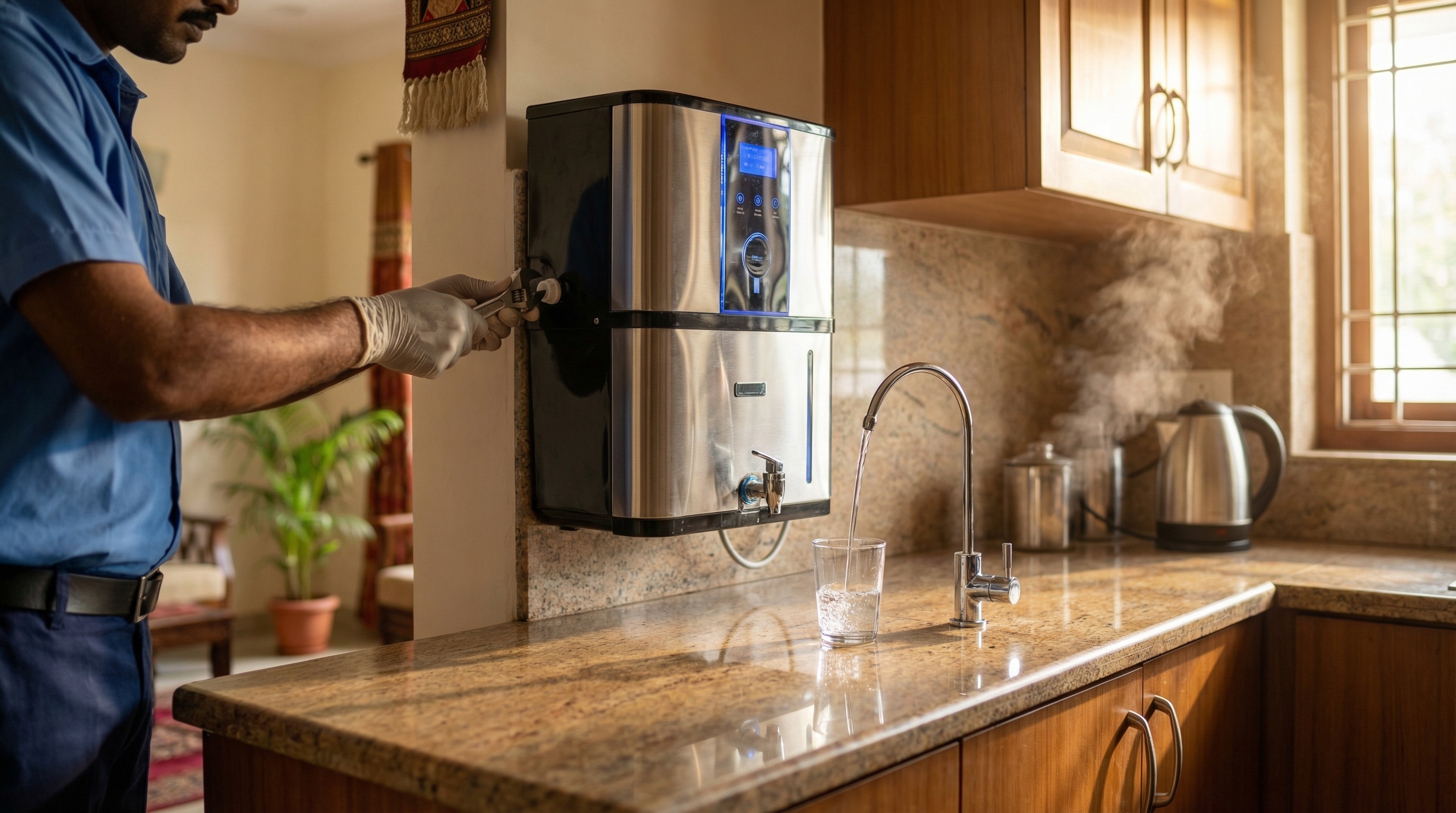
Access to clean drinking water remains a fundamental necessity for every household and commercial establishment. The rising concerns about water quality in urban areas have made water purification systems an essential appliance rather than a luxury. Chennai, being a metropolitan city with diverse water quality challenges across different localities, presents unique requirements when it comes to water treatment solutions. Understanding the nuances of setting up these purification systems can help residents and business owners make informed decisions about their water safety needs.
The process of establishing a functional water treatment system involves multiple considerations beyond simply purchasing the equipment. From assessing water quality parameters to ensuring proper connection points, each step plays a crucial role in determining the long-term performance and efficiency of your purification system. Many homeowners underestimate the technical expertise required for proper setup, leading to operational issues that could have been easily avoided with professional intervention.
Chennai's water supply characteristics vary significantly depending on the source, whether it comes from municipal connections, boreline wells, or tanker supplies. These variations directly impact how purification systems should be configured and maintained. The hardness levels, total dissolved solids content, and presence of specific contaminants differ across neighborhoods, making customized setup approaches necessary rather than one-size-fits-all solutions.
Professional assistance during the setup phase ensures that your investment delivers optimal performance while minimizing future maintenance requirements. This comprehensive guide explores everything you need to know about establishing effective water purification systems in Chennai, including financial considerations, technical challenges, and solutions that guarantee safe drinking water for your family or workplace.
Understanding Water Purification System Setup Requirements
The foundation of a successful water purification system begins with proper assessment of your specific requirements. This evaluation includes analyzing your daily water consumption patterns, available installation space, existing plumbing infrastructure, and most importantly, the quality characteristics of your input water supply. Chennai residents often face varying water quality issues depending on their locality, with some areas experiencing high salinity while others deal with bacterial contamination or excessive mineral content.
Before proceeding with setup, a comprehensive water quality test becomes essential. This analysis reveals critical parameters such as TDS levels, pH balance, hardness, and presence of contaminants like chlorine, fluoride, or heavy metals. Based on these findings, professionals can recommend the appropriate purification capacity and additional pre-treatment requirements. For instance, areas with extremely hard water may need water softeners as preliminary treatment stages, while locations with high sediment content require robust pre-filtration systems.
The physical location for system placement requires careful consideration. Adequate space must be available not just for the main unit but also for the storage tank and necessary plumbing connections. Kitchen walls near the sink represent the most common choice, though utility areas or dedicated spaces work equally well. Proper ventilation, protection from direct sunlight, and accessibility for future maintenance all factor into selecting the optimal location.
Electrical requirements form another critical aspect of the setup process. Modern purification systems require stable power supply, and installation near appropriate electrical outlets becomes necessary. Voltage fluctuations common in some Chennai neighborhoods may necessitate additional stabilizer units to protect the electronic components. Understanding these preliminary requirements helps avoid complications during the actual setup phase.
Financial Aspects of Professional Setup Services
When considering ro installation cost in chennai, multiple factors influence the final investment required. The baseline expense includes the equipment price, setup charges, and any additional components needed for your specific situation. Standard residential setup for a basic system typically ranges from reasonable to moderate amounts, while advanced multi-stage systems or commercial units command higher investments due to their complexity and capacity.
Setup charges themselves vary based on several parameters. The complexity of plumbing modifications needed, distance from water source to installation point, and requirement for wall mounting versus counter-top placement all affect labor costs. Homes with existing provision for purification systems naturally incur lower setup expenses compared to properties requiring extensive plumbing work or electrical outlet additions.
Chennai's diverse housing types, from compact apartments to spacious independent houses, present different setup scenarios. Apartment residents often benefit from simpler setups due to compact plumbing layouts, while independent houses might need longer pipe runs or booster pumps for adequate water pressure. These variations directly translate to different investment levels for seemingly similar systems.
Additional components sometimes become necessary based on water quality analysis results. Pre-filters, sediment filters, booster pumps, or storage tanks beyond standard capacity may be recommended for optimal performance. While these additions increase initial investment, they significantly enhance system longevity and output quality. Many residents find that investing in comprehensive setup initially proves more economical than addressing deficiencies later through modifications or repairs.
Seasonal variations and promotional periods can influence service charges. Planning your setup during off-peak seasons or taking advantage of service packages that bundle multiple offerings often results in cost savings. Comparing quotes from multiple service providers while ensuring they possess proper credentials and experience helps secure competitive pricing without compromising on quality.
Finding Reliable ro installation service near me
Locating dependable professionals for system setup requires research beyond simple online searches. While searching for "ro installation service near me" provides numerous options, evaluating their credentials, experience, and customer feedback becomes crucial for making the right choice. Established service providers typically maintain physical offices, employ trained technicians, and offer warranties on their work, distinguishing them from casual operators.
Customer reviews and testimonials provide valuable insights into service quality. Look for feedback specifically addressing punctuality, technical expertise, post-setup support, and transparency in billing. Services with consistently positive reviews across multiple platforms generally indicate reliable operations. Speaking with neighbors or community members who recently had systems installed offers firsthand information about local service providers.
Certification and authorization from equipment manufacturers represent important credentials. Authorized service centers possess specific training on various brands and models, ensuring they follow prescribed setup protocols. They also have direct access to genuine spare parts and technical support from manufacturers, advantages that independent operators may lack. Verification of these credentials before engaging services protects against substandard work.
Comprehensive service offerings indicate established operations. Providers who offer water testing, system recommendations, installation, and post-setup maintenance demonstrate commitment beyond just setup work. This continuity proves beneficial for long-term system management, as the same team familiar with your specific configuration handles future servicing needs.
Transparent pricing practices separate professional services from opportunistic operators. Reputable providers offer detailed quotes breaking down equipment costs, labor charges, and any additional components required. They conduct site visits before quoting, ensuring estimates reflect actual requirements rather than generic pricing. This transparency helps avoid unpleasant surprises in the final bill.
Common Technical Challenges During Setup
Even with professional assistance, certain technical challenges frequently arise during system establishment. Understanding these potential issues helps set realistic expectations and enables homeowners to prepare accordingly. Low water pressure ranks among the most common problems encountered in Chennai homes, particularly in upper floors of apartment buildings or areas with irregular municipal supply. Purification systems require minimum pressure thresholds for proper operation, necessitating booster pump additions when natural pressure proves insufficient.
Inadequate drainage facilities pose another frequent challenge. These systems generate reject water that requires proper disposal through drainage lines. Homes lacking convenient drain access near the setup location need additional plumbing work to direct waste water appropriately. Some residents creatively repurpose this reject water for gardening or cleaning, requiring separate collection arrangements.
Space constraints in compact kitchens sometimes complicate setup logistics. Wall-mounted systems need adequate clearance for tank placement and servicing access. Pre-existing cabinet configurations may require modifications to accommodate equipment dimensions. Professional installers assess these space limitations during preliminary visits, proposing solutions like alternative mounting locations or compact model recommendations.
Electrical compatibility issues occasionally surface, particularly in older buildings with outdated wiring. Modern purification systems with electronic controls require proper earthing and voltage stability. Homes with inadequate electrical infrastructure may need upgrades before system installation can proceed safely. Addressing these electrical prerequisites prevents equipment damage and ensures operator safety.
Water quality extremes sometimes exceed standard equipment capabilities. Exceptionally high TDS levels, unusual contaminant presence, or extreme hardness may require specialized treatment stages beyond conventional configurations. Thorough preliminary water testing identifies these situations, allowing professionals to design appropriate treatment trains that address specific challenges effectively.
Types of Water Purification Technologies Available
Chennai residents can choose from several purification technologies, each suited to specific water quality scenarios. Reverse osmosis technology remains the most popular choice for addressing high TDS levels and dissolved impurities. This process forces water through semi-permeable membranes, effectively removing contaminants down to molecular levels. Areas receiving water from borelines or experiencing high mineral content particularly benefit from this technology.
Ultraviolet purification systems excel at eliminating biological contaminants without altering water chemistry. UV rays destroy bacteria, viruses, and other microorganisms, making water microbiologically safe. These systems work best when input water has acceptable TDS levels but requires disinfection. Many Chennai localities with municipal water supply find UV systems adequate for their needs.
Ultrafiltration technology occupies a middle ground between RO and UV systems. UF membranes remove suspended particles, bacteria, and cysts while retaining beneficial minerals. This technology operates without electricity, making it suitable for areas with power supply irregularities. However, it cannot address dissolved salts or reduce TDS levels effectively.
Activated carbon filters complement primary purification technologies by addressing chlorine, organic compounds, and taste or odor issues. These filters typically form part of multi-stage systems, enhancing final water quality. Stand-alone carbon systems suit situations where water is otherwise acceptable but requires refinement for taste or smell.
Multi-stage hybrid systems combine several technologies, offering comprehensive treatment. A typical configuration might include sediment filtration, activated carbon treatment, RO purification, and final UV sterilization. These systems handle diverse water quality challenges effectively, though they command higher investments and maintenance requirements.
Professional Service Providers in Chennai
Several reputable organizations offer ro installation service chennai with varying specializations and service coverage. Doctor Fresh has established presence across Chennai, providing comprehensive water treatment solutions with emphasis on customer education and transparent service practices. Their technicians undergo regular training, ensuring updated knowledge about latest technologies and troubleshooting techniques.
RO Care India operates multiple service centers throughout Chennai, offering quick response times and extensive spare parts inventory. Their strength lies in handling diverse brands and models, making them a versatile choice for residents with specific equipment preferences. Mannubhai Service Expert brings decades of experience in water treatment, with particular expertise in customized commercial installations alongside residential services.
Kent maintains authorized service networks covering all Chennai zones, providing factory-trained technicians for their equipment range. Aquaguard similarly operates dedicated service centers, ensuring brand-specific expertise and genuine component availability. Aquafresh focuses on affordable solutions without compromising quality, appealing to budget-conscious customers seeking reliable service.
Blue Star leverages its extensive appliance service network to support water purifier installations, offering integrated home solutions. LG combines consumer electronics expertise with water treatment services, providing technology-forward solutions. Pureit emphasizes compact designs suitable for space-constrained Chennai homes, backed by comprehensive setup support.
Choosing among these providers depends on specific requirements including brand preferences, budget considerations, and desired service comprehensiveness. Many residents benefit from consulting multiple providers, comparing their recommendations based on individualized water testing results and site assessments.
Maintenance Considerations Post-Setup
Successful system establishment represents just the beginning of ensuring continuous access to purified water. Regular maintenance schedules become crucial for sustained performance and longevity. Filter replacements form the primary maintenance activity, with different components requiring attention at varying intervals. Sediment and carbon filters typically need replacement every six months, while RO membranes last approximately two years under normal operating conditions.
Membrane cleaning procedures help extend component life and maintain purification efficiency. Professional services include membrane flushing using approved cleaning solutions, removing accumulated deposits that gradually reduce water output and quality. This preventive maintenance proves more economical than premature membrane replacement due to neglect.
Storage tank sanitization prevents bacterial growth in purified water reserves. Despite the purification process, tanks can harbor microorganisms if not periodically cleaned. Annual sanitization using food-grade disinfectants ensures water remains safe throughout storage. This procedure requires complete tank draining, thorough cleaning, and proper rinsing before resuming normal operation.
Performance monitoring through periodic water quality testing validates system effectiveness. Annual testing of output water confirms that purification remains within acceptable parameters. Significant deviations indicate component wear or system inefficiencies requiring attention. This proactive approach prevents consumption of inadequately treated water.
Professional annual maintenance contracts offer comprehensive coverage including scheduled filter replacements, system inspections, and priority service for breakdowns. These arrangements ensure consistent maintenance without homeowners needing to track replacement schedules independently. The cost-effectiveness of such contracts versus ad-hoc services depends on usage patterns and specific system requirements.
Troubleshooting Frequent Operational Issues
Despite proper setup and maintenance, operational issues occasionally arise requiring troubleshooting expertise. Reduced water output ranks among the most reported problems. This symptom can result from clogged pre-filters, worn membranes, low input pressure, or malfunctioning pressure pumps. Systematic diagnosis beginning with simplest possibilities progressively eliminates causes until the actual problem gets identified.
Unusual taste or odor in purified water signals potential issues with carbon filters or membrane integrity. Exhausted carbon filters lose their ability to remove chlorine and organic compounds, allowing these elements into output water. Membrane damage permits untreated water to bypass purification, compromising output quality. Prompt filter replacement or membrane inspection resolves these concerns.
Continuous water wastage through drain lines indicates valve malfunctions or pressure imbalances. Automatic shut-off valves may fail to close properly when storage tanks fill completely, resulting in constant reject water flow. Pressure regulator failures cause similar symptoms. Addressing these mechanical issues requires component replacement or adjustment by qualified technicians.
Unusual noises during operation often point to air in the system, pump issues, or loose components. Initial operation after filter changes sometimes introduces air requiring purging. Persistent noises suggest pump wear or mounting hardware loosening, needing professional attention to prevent further damage.
Complete system failure with no water production necessitates checking power supply, input water availability, and safety shut-off triggers. Electrical issues, empty source tanks, or activated safety mechanisms account for most total failures. Systematic verification of these basic requirements precedes more complex diagnostic procedures.
Water Quality Standards and Compliance
Understanding water quality parameters helps evaluate system performance and ensures compliance with health standards. The Bureau of Indian Standards specifies acceptable limits for drinking water across various parameters. TDS levels below 500 parts per million represent desirable ranges, though levels up to 2000 ppm are considered acceptable. Chennai's input water often exceeds these thresholds, necessitating treatment.
pH balance affects both water taste and its interaction with plumbing materials. Neutral pH around 7.0 represents ideal conditions, while acceptable range spans 6.5 to 8.5. Purified water sometimes exhibits slightly acidic pH requiring post-treatment mineralization to achieve neutrality and improve taste characteristics.
Microbiological safety remains paramount, with zero tolerance for coliform bacteria indicating fecal contamination. Proper purification systems eliminate these organisms, but periodic testing validates continued effectiveness. Municipal supplies undergo treatment, yet distribution system contamination occasionally occurs, making point-of-use purification valuable.
Mineral content balance presents a nuanced consideration. While purification reduces harmful contaminants, it also removes beneficial minerals like calcium and magnesium. Some modern systems incorporate remineralization stages adding back essential minerals in appropriate concentrations, combining safety with nutritional benefits.
Heavy metal presence including lead, arsenic, or mercury requires specific attention in certain Chennai localities. Industrial areas or regions with specific geological characteristics may experience elevated levels. Comprehensive water testing identifying these elements ensures appropriate treatment selection and validates purification effectiveness.
Conclusion
Establishing an effective water purification system in Chennai involves careful consideration of multiple technical, financial, and practical factors. From initial water quality assessment through professional setup to ongoing maintenance, each phase contributes to ensuring reliable access to safe drinking water. Understanding the cost structure, identifying qualified service providers, and recognizing common challenges prepares homeowners and businesses for successful implementation.
The diversity of available technologies enables matching specific water quality issues with appropriate treatment solutions. Whether addressing high mineral content, biological contamination, or taste concerns, modern purification systems offer effective remedies when properly selected and installed. Professional guidance during this selection process proves invaluable, preventing costly mismatches between equipment capabilities and actual requirements.
Investment in quality setup services yields long-term benefits through optimal system performance and reduced maintenance complications. While initial costs may seem significant, the health protection and convenience provided justify the expense. Proper installation establishes the foundation for years of reliable operation, while inadequate setup creates ongoing problems that eventually exceed any initial savings from budget approaches.
The availability of established service providers throughout Chennai ensures residents can access expert assistance for installation, maintenance, and troubleshooting needs. Choosing providers with proven track records, proper certifications, and comprehensive service offerings protects your investment while ensuring consistent water quality. Regular maintenance and periodic performance validation complete the framework for sustained system effectiveness, delivering the clean drinking water that every household and workplace deserves.
FAQ
Q: How much does professional water purifier installation typically cost in Chennai?
A: The cost varies based on several factors including system complexity, plumbing modifications needed, and additional components required. Standard residential installations generally range from moderate to reasonable amounts, while commercial or advanced multi-stage systems require higher investments. Factors like distance from water source, need for booster pumps, wall mounting requirements, and pre-treatment additions all influence the final cost. Obtaining detailed quotes from multiple certified providers after a site assessment ensures accurate pricing.
Q: What are the most common problems that occur during water purifier installation?
A: Low water pressure ranks as the most frequent challenge, particularly in upper-floor apartments, often requiring booster pump additions. Inadequate drainage facilities for reject water disposal, space constraints in compact kitchens, and electrical compatibility issues in older buildings also commonly arise. Additionally, extreme water quality conditions like exceptionally high mineral content may necessitate specialized treatment stages beyond standard configurations, requiring customized solutions during setup.
Q: How do I choose between different purification technologies available in the market?
A: The choice depends primarily on your specific water quality parameters determined through comprehensive testing. Reverse osmosis systems work best for high mineral content and dissolved impurities, while ultraviolet purification excels at eliminating biological contaminants without altering water chemistry. Ultrafiltration suits areas with acceptable mineral levels needing particle and bacteria removal. Multi-stage hybrid systems combining several technologies offer comprehensive treatment for diverse water quality challenges, though at higher investment and maintenance costs.
Q: What maintenance is required after installation to ensure continued performance?
A: Regular filter replacements form the primary maintenance requirement, with sediment and carbon filters needing replacement every six months and membranes approximately every two years. Periodic membrane cleaning prevents deposit accumulation, while annual storage tank sanitization prevents bacterial growth. Professional annual maintenance contracts typically include scheduled filter replacements, system inspections, performance testing, and priority breakdown service, ensuring consistent operation without homeowners tracking replacement schedules independently.
Related Blogs
- Understanding Water Purification: Making the Right Choice for Your Family's Health
- Complete RO Water Purifier Service and Care Manual
- Understanding the Right Time for RO Water Purifier Filter Changes
- Complete Guide to Professional Water Purifier Maintenance and Repair Services in India's Tech Capital
- Expert Solutions for Water Purifier Maintenance and Technical Support in Chennai