

Essential Home Maintenance Inspections for Your Water Purification System
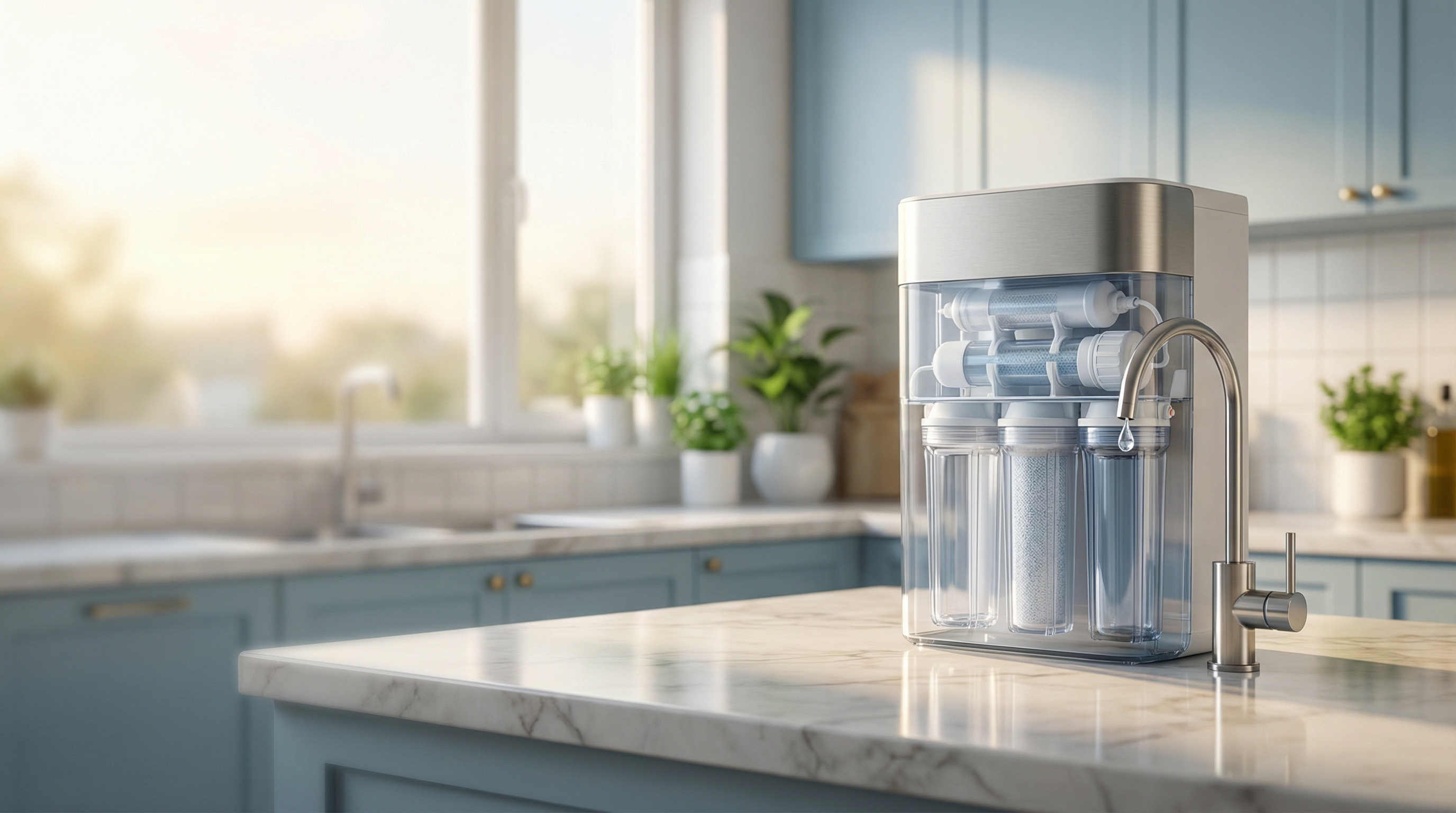
Water Purifiers: Essential Home Maintenance Guide
Water purifiers have become an indispensable part of modern households, ensuring that every family member has access to clean and safe drinking water. In residential areas where water quality varies throughout the year, maintaining your reverse osmosis system properly can mean the difference between consistently pure water and unexpected breakdowns. Many homeowners immediately reach for their phones to call technicians at the first sign of trouble, but several common issues can be identified and sometimes resolved through basic inspection procedures that any household member can perform.
Understanding the basic functioning of your water treatment equipment empowers you to make informed decisions about when professional intervention is truly necessary. This knowledge not only helps you save on service costs but also extends the operational life of your filtration system. Regular inspection routines take just minutes to complete yet can prevent minor concerns from developing into major malfunctions that require expensive repairs or complete system replacement.
The water purification industry has evolved significantly, with modern systems incorporating advanced technology that simplifies both operation and maintenance. However, this sophistication does not eliminate the need for periodic visual checks and simple diagnostic procedures that homeowners can easily master. By developing a systematic approach to inspecting your equipment, you create a preventive maintenance schedule that keeps your system running efficiently throughout its expected lifespan.
Before contacting service providers in your locality, taking twenty minutes to conduct a thorough examination of your purification unit can reveal the actual nature of the problem. This preliminary assessment helps you communicate more effectively with technicians when their expertise is required, potentially reducing diagnostic time and associated costs. Moreover, this practice develops your understanding of how your specific model operates, making you better equipped to notice subtle changes that might indicate developing issues before they become critical failures.
Power Supply and Electrical Connection Verification
The first checkpoint in any diagnostic routine should involve examining the electrical components that power your purification system. Confirm that the power cord is properly inserted into the wall outlet and that the outlet itself is functioning by testing it with another appliance. Check your home's circuit breaker panel to ensure the breaker controlling the outlet has not tripped. Many apparent system failures are simply power interruptions that can be resolved without technical assistance.
Inspect the power adapter for any visible damage such as frayed wiring, burn marks, or unusual warmth when the system is operating. The indicator lights on your unit should illuminate according to the manufacturer's specifications when power flows correctly. If lights appear dim or flicker, this may indicate voltage fluctuations or a failing adapter rather than a problem with the purification system itself.
Examine the connection points where the power cord attaches to both the adapter and the main unit. Loose connections at these junctions can cause intermittent operation that mimics more serious technical problems. Ensure all connections are secure and free from moisture, which can create electrical hazards and operational issues.
Water Supply and Pressure Assessment
Your purification system requires adequate water pressure to function properly, typically between 40 and 60 PSI for optimal performance. Turn on a nearby faucet to verify that municipal water supply is flowing normally to your home. Low water pressure throughout your residence indicates a supply issue rather than a problem with your purification equipment.
Locate the inlet valve that controls water flow into your system and confirm it is fully open. This valve is typically positioned near where the supply line connects to the unit and can accidentally be partially closed during cleaning or other household activities. A partially closed valve restricts water flow and dramatically reduces purification efficiency.
Check for any visible kinks or bends in the inlet tubing that might restrict water flow. The flexible tubing used in these systems can develop sharp bends over time, especially if the unit has been moved or if items have been stored nearby. Straightening kinked tubing often immediately restores normal operation without requiring any technical intervention.
Filter and Membrane Condition Review
Most purification systems feature transparent filter housings that allow visual inspection of sediment and carbon filters without disassembly. Examine these housings for any visible discoloration, excessive sediment accumulation, or obvious contamination. Filters that appear heavily soiled may simply need replacement according to the manufacturer's recommended schedule rather than indicating system malfunction.
Review your maintenance records or filter replacement stickers to determine when filters were last changed. Sediment pre-filters typically require replacement every six to twelve months, while carbon filters last approximately one year depending on water quality and usage volume. Operating with expired filters reduces purification effectiveness and can strain other system components.
The semi-permeable membrane, while not visible during routine inspection, has a typical lifespan of two to three years. If your system is producing water more slowly than usual or if the taste has changed noticeably, membrane replacement may be necessary. However, confirming that all pre-filters are fresh before attributing problems to membrane deterioration ensures accurate diagnosis.
Storage Tank Functionality Examination
The pressurized storage tank in your system maintains a reserve of purified water for immediate use. Check the tank's air valve, typically located at the bottom or back of the tank, using a standard tire pressure gauge. The air pressure should read between 5 and 7 PSI when the tank is empty. Insufficient air pressure prevents the tank from delivering water effectively, creating the impression that the system is not producing water when production is actually normal.
Listen carefully near the storage tank when the system is operating. A properly functioning tank should be silent, while a waterlogged tank may produce sloshing sounds when moved gently. Waterlogged tanks have lost their internal air charge and cannot maintain proper pressure, requiring either repressurization or replacement depending on the specific condition.
Inspect all tubing connections to and from the storage tank for any signs of moisture or dripping. Loose connections here can cause pressure loss that affects water delivery to your dispensing faucet. Tightening these connections with appropriate tools often resolves delivery problems without requiring professional assistance.
Drainage and Waste Line Investigation
Reverse osmosis systems produce reject water that must drain properly for the system to function. Locate the drain line, typically a small flexible tube leading to your sink's drainpipe, and verify it is not kinked, clogged, or disconnected. A blocked drain line prevents the system from operating because it cannot dispose of the concentrate stream generated during purification.
Observe the drain line during a production cycle to confirm water is flowing freely. The drain line should show steady water movement during operation, though the flow rate will be lower than what you see from a regular faucet. If no water flows through the drain line when the system is running, this indicates either a flow restrictor problem or an issue with the membrane assembly.
Check where the drain line connects to your plumbing to ensure it is properly secured and positioned above the drain trap. Improper drain line installation can create siphoning effects that disrupt system operation or allow drain odors to enter through the system. Correcting drain line positioning is a simple adjustment that resolves multiple potential issues.
Faucet and Dispensing System Inspection
The dedicated faucet that dispenses purified water contains internal components that can affect flow and performance. Remove the faucet aerator by unscrewing the tip of the spout and inspect it for mineral buildup or debris accumulation. Cleaning this small screen under running water often restores proper flow when dispensing seems restricted.
Open the cabinet beneath your sink and locate the tubing connection between the system and the dispensing faucet. Trace this line to identify any sharp bends or compression that might restrict water delivery. The line should follow a gentle path without dramatic turns that could impede flow.
Operate the faucet handle through its full range of motion several times. Sometimes internal seals or valves within the faucet assembly become temporarily stuck, especially if the faucet has not been used for several days. Exercising the handle mechanism can restore normal operation without requiring faucet replacement or technical service.
Understanding Different Water Purification Technologies
Households today can choose from several purification technologies, each with distinct maintenance requirements and inspection procedures. Traditional reverse osmosis systems use semi-permeable membranes and multiple pre-filters, requiring the regular checks described throughout this article. These systems are ideal for comprehensive contaminant removal and are the most common configuration in residential installations.
Ultraviolet purification systems supplement filtration with germicidal light that neutralizes biological contaminants. These systems require periodic UV lamp replacement and have electrical components that benefit from the power supply checks mentioned earlier. The combination of UV and filtration technologies provides comprehensive protection against both chemical and biological water quality concerns.
Gravity-based purification systems operate without electricity or water pressure, relying on natural filtration media. While these require different maintenance procedures than pressurized systems, the basic principle of regular inspection and timely media replacement remains constant. Understanding which technology your household uses helps you apply the appropriate diagnostic procedures.
Advanced multi-stage purification systems incorporate mineralization and pH balancing components in addition to standard filtration elements. These sophisticated systems benefit from more comprehensive inspection routines that include checking specialized cartridges beyond the basic filters found in simpler configurations. Familiarizing yourself with your specific system's configuration ensures you inspect all relevant components.
Trusted Water Purification Service Providers
When home inspections reveal issues requiring professional expertise, several established companies provide comprehensive service support. Doctor Fresh has built a reputation for responsive technical support and maintains skilled technicians familiar with various purification technologies. Their service approach emphasizes customer education alongside repair work, helping households better understand their systems.
RO Care India specializes in reverse osmosis technology and offers both emergency repairs and scheduled maintenance programs. Their technicians carry comprehensive parts inventories, often enabling same-visit resolution of common issues. Mannubhai Service Expert brings decades of experience to water treatment equipment maintenance, with particular strength in diagnosing complex system interactions that cause unusual symptoms.
Leading manufacturers including Kent, Aquaguard, Aquafresh, Pureit, Blue Star, and LG maintain authorized service networks that provide brand-specific expertise. These manufacturer-affiliated service centers access proprietary technical information and genuine replacement components, ensuring repairs meet original specifications. Choosing between independent service providers and manufacturer networks depends on your specific equipment, warranty status, and service priorities.
Establishing a relationship with a reliable service provider before emergencies occur ensures faster response when urgent assistance becomes necessary. Many providers offer annual maintenance contracts that include periodic inspections, priority scheduling, and discounted repair rates. These service agreements complement your home inspection routine by providing professional verification of system condition at regular intervals.
Maintaining Optimal System Performance
Consistent system performance depends on combining regular home inspections with professional maintenance at appropriate intervals. Creating a simple checklist based on the inspection procedures outlined in this article helps ensure no critical component is overlooked during your routine examinations. Many households find that monthly visual inspections supplemented by quarterly more detailed checks provide adequate monitoring without becoming burdensome.
Documenting your inspection findings and any adjustments made creates a maintenance history that proves valuable when professional service becomes necessary. This record helps technicians understand your system's operational patterns and may reveal developing trends that suggest preventive actions. Simple notebook entries noting dates, observations, and any changes provide sufficient documentation for most purposes.
Water quality variations throughout the year may affect how frequently certain maintenance tasks become necessary. Households should increase inspection frequency during seasons when source water quality typically declines, such as monsoon periods when sediment loads increase or summer months when biological activity peaks. Adapting your maintenance routine to local conditions maximizes system reliability.
Understanding that prevention costs substantially less than repair motivates consistent attention to maintenance procedures. The time invested in regular inspections represents a fraction of the expense and inconvenience associated with system failures and emergency service calls. This preventive mindset extends equipment lifespan while ensuring continuous access to purified water for your household.
Conclusion
Developing proficiency in basic water purifier inspection procedures empowers households to maintain their systems effectively while minimizing service costs. The systematic checks described throughout this article require no specialized tools or technical training, making them accessible to any household member willing to invest a small amount of time. By verifying power connections, water supply, filter conditions, storage tank function, drainage systems, and dispensing components, you can identify the majority of common issues before they escalate into serious problems.
These inspection skills complement rather than replace professional service relationships. Understanding when home remedies are sufficient and when expert assistance is necessary represents informed system stewardship. The confidence gained through regular inspection routines reduces anxiety when unusual symptoms appear because you possess the knowledge to conduct preliminary diagnostics. This combination of self-reliance and appropriate professional engagement creates the optimal maintenance approach for modern water purification systems.
Implementing a consistent inspection schedule transforms water purifier maintenance from a reactive crisis response into a proactive management routine. This shift in perspective protects your investment in purification technology while safeguarding your family's access to clean drinking water. The procedures outlined here provide a foundation upon which you can build increasing competence, eventually developing an intuitive understanding of your system's normal operation that makes anomalies immediately apparent.
Frequently Asked Questions
Q - How often should I perform basic checks on my water purifier at home?
A - Monthly visual inspections are recommended for most households, with more detailed quarterly checks covering all system components. During seasons when water quality typically fluctuates—such as monsoon periods with high sediment or summer months with increased biological activity—consider increasing inspection frequency. This routine takes approximately twenty minutes and helps identify potential issues before they develop into serious problems requiring expensive repairs.
Q - What are the most common issues I can identify and fix myself without calling a technician?
A - Many apparent system failures stem from simple issues like tripped circuit breakers, partially closed inlet valves, or kinked water supply tubing. You can also address clogged faucet aerators, verify proper drain line positioning, and check storage tank air pressure using a standard tire pressure gauge. Confirming that filters haven't exceeded their replacement schedule is another common issue households can manage independently, as expired filters significantly impact performance without indicating actual system malfunction.
Q - When should I stop troubleshooting at home and contact a professional service provider?
A - Contact professional technicians when you've verified all basic components—power supply, water pressure, filter condition, and connections—yet problems persist. Issues requiring specialized tools, technical diagnostics of electronic components, or membrane replacement warrant professional attention. If you notice unusual sounds, persistent leaks despite tightening connections, or dramatic changes in water taste or production speed after addressing basic maintenance, these symptoms indicate problems beyond routine home inspection capabilities.
Q - Can regular home inspections really extend my water purifier's lifespan?
A - Absolutely. Preventive inspection routines identify minor concerns before they cascade into major component failures. Catching a kinked inlet line early prevents strain on the pump, while timely filter replacement protects the expensive membrane from premature fouling. Documentation of your maintenance activities also helps professional technicians diagnose problems more efficiently during service visits, potentially reducing repair time and costs while ensuring your system operates at optimal efficiency throughout its expected lifespan.
Related Blogs
- Understanding Water Purification: Making the Right Choice for Your Family's Health
- Ensuring Pure Drinking Water Through Proper Reverse Osmosis System Care
- Complete RO Water Purifier Service and Care Manual
- Understanding When Your Reverse Osmosis Water Purifier Demands Immediate Attention
- Understanding Professional Water Purification System Service Expenses in India